
Trailers For Sale Near Farmington, New Mexico
Have trailer to sell? List it here to reach thousands of buyers.
Trailers Near Farmington, New Mexico
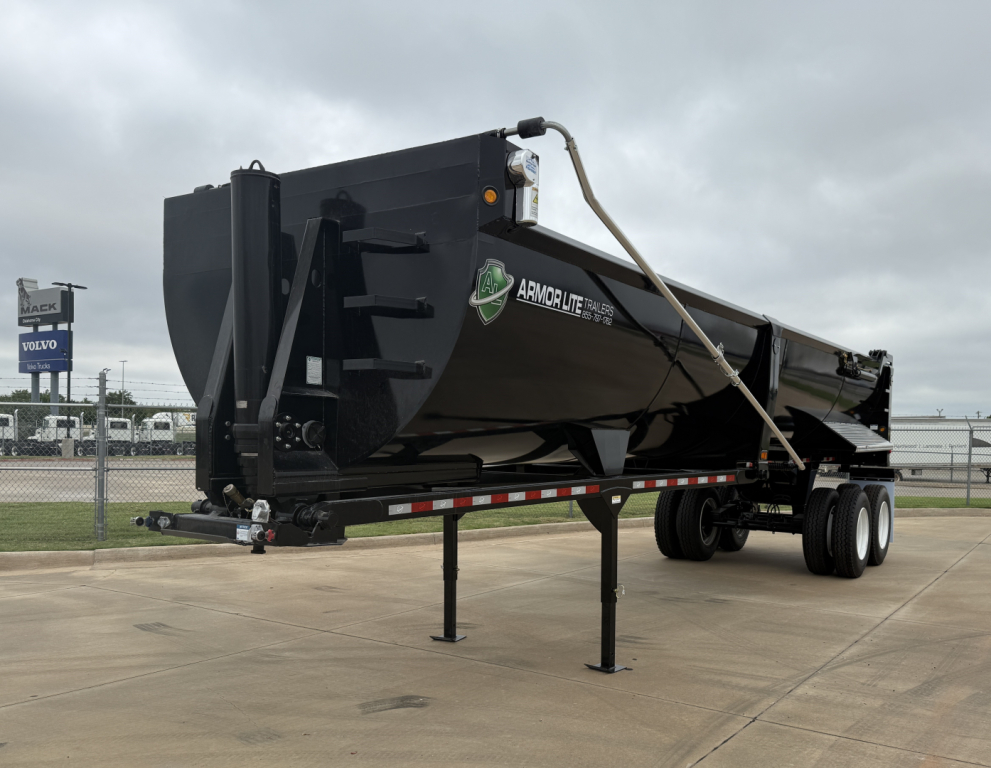
A buyer comparing trailers should pay close attention to GVWR, axle count, suspension type, brake spec, deck or tub length, and overall trailer height. On lowboys and detachable gooseneck trailers, load angle, deck height, neck design, and flip axle compatibility directly affect what iron can be moved legally and efficiently. On dump trailers, tub material, wall thickness, top rail design, gate style, tarp system, and hoist geometry matter because they influence cleanout, wear life, and cycle reliability. Tire size, wheel material, lighting harness quality, landing gear, and tie-down equipment like D-rings also make a real difference in day-to-day service life.
Regional operating conditions in northwestern New Mexico can push buyers toward heavier-duty specs. Rough approaches, jobsite mud, chip seal roads, and repeated loading with rock, demo debris, or tracked equipment all add stress to frames, suspensions, and crossmembers. Tandem and tridem axle setups are common where capacity and weight distribution are key, and suspension choices such as spring ride, air ride, or single point each bring tradeoffs in maintenance, stability, and ride quality. Buyers moving compact equipment may prioritize maneuverability and deck accessibility, while those hauling crushers, dozers, or excavators will focus on concentrated load ratings, neck capacity, and legal bridge considerations.
The best trailer is not just the one with the highest rating. It is the one whose structure, dimensions, and components match the freight and the route. A trailer that is overbuilt can add unnecessary empty weight, while one that is underspecified will cost more in downtime, tire wear, and structural repairs. Looking closely at frame design, wiring protection, brake package, tire spec, suspension, and cargo securement points usually tells more about long-term value than paint or trim. For buyers sorting through many trailer listings, the smartest comparison is capacity, configuration, and durability for the actual work the trailer will see.
Frequently Asked Questions about Trailers Near Farmington, New Mexico
What types of trailers are most common for commercial hauling?
Common commercial trailer types include dump trailers, lowboy trailers, flatbed trailers, equipment trailers, utility trailers, and other specialty designs. Dump trailers are built for loose material such as dirt, rock, asphalt, and demolition debris. Lowboys are used for taller and heavier equipment that needs a lower deck height for legal transport. Flatbeds handle general freight, machinery, palletized loads, and building materials, while equipment trailers are typically configured for skid steers, mini excavators, tractors, and similar machines.
How do I choose the right trailer capacity?
Start with the actual payload, then add the weight of attachments, securement gear, and any concentrated point loads. Capacity should be matched to GVWR, axle ratings, tire ratings, suspension spec, and the structural design of the frame or deck. Buyers should also account for legal road limits, bridge laws, and the weight of the tractor if the trailer is a semitrailer. Choosing by advertised tonnage alone can be misleading if axle spacing, deck length, or component ratings do not support the intended use.
What matters most on a dump trailer?
On a dump trailer, the key buying points are tub construction, floor and wall thickness, hoist design, gate configuration, suspension, and tarp system. Harder steel tubs are often preferred for abrasive material because they resist wear better. A self-shedding top rail and high-lift or combination gate can improve unloading performance depending on the material. Suspension type and tire spec also matter because dump trailers spend a lot of time on uneven surfaces and are exposed to higher shock loads than many highway-only trailers.
What should I look for on a lowboy trailer?
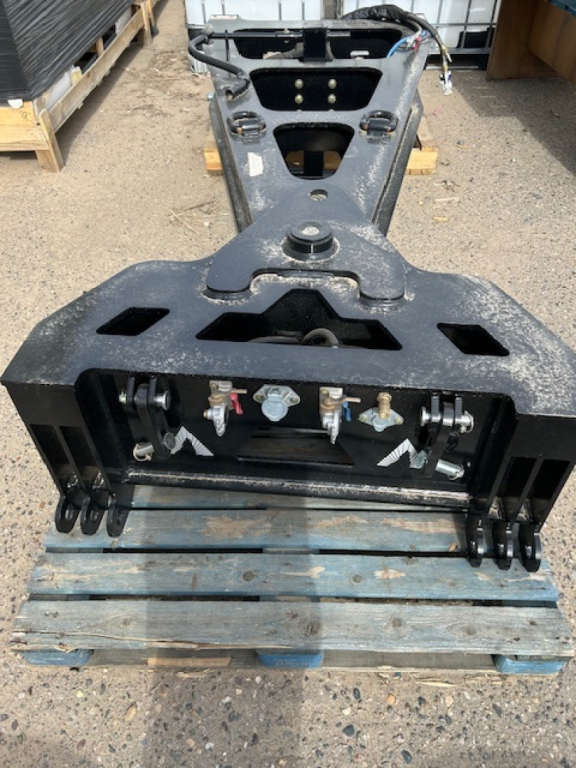
A lowboy buyer should focus on deck height, loaded deck length, neck style, ground clearance, ramp or detachable loading method, and axle configuration. The lower deck is what allows taller equipment to move with better legal height compliance, but the useful capacity depends on how the load is distributed across the trailer and tractor. Features such as D-rings, outriggers, apitong or steel deck surfaces, and flip axle compatibility can also matter depending on the machine being hauled and the permit requirements in the states where it will run.
Is steel or aluminum better for a trailer?
Steel is generally favored for severe-duty applications because it is strong, repairable, and well suited for concentrated loads, off-road use, and impact-heavy work. Aluminum reduces empty weight and can improve payload, which makes it attractive for operations where every pound counts. The better material depends on the job. Equipment hauling, demolition, and aggregate work often push buyers toward steel, while payload-sensitive freight and some bulk-haul applications may justify aluminum or a mixed-material design.