
Dynaweld Trailers For Sale
Shop Dynaweld trailers for sale, including steel step deck and flatbed models built for heavy loads, durable service, and demanding freight.
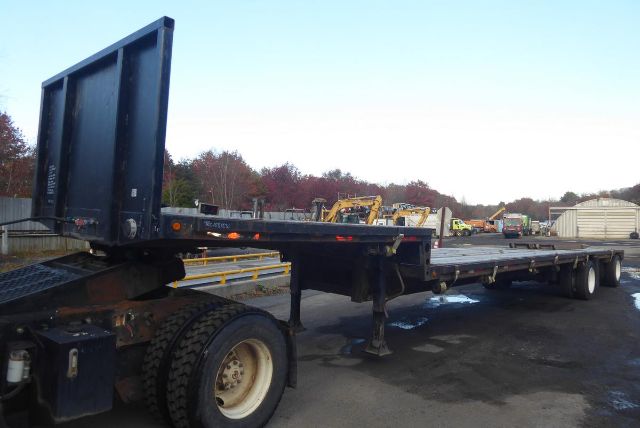
Selling a dynaweld trailer? List your dynaweld trailer for sale and reach thousands of commercial buyers.
Dynaweld Trailers
On a Dynaweld trailer, the first things to evaluate are deck dimensions, axle spread, and empty weight. A typical step deck in this class may have a 10-foot upper deck and a 38-foot lower deck, with main deck height around 41 inches and upper deck height closer to 57 inches. Those numbers matter if you are trying to maximize legal load height without moving into permit territory. Spread axle versions can improve weight distribution and help with bridge law compliance, but they also change tire scrub and turning behavior in tight yards. Air ride suspension is common and preferred for freight that needs better ride quality than a spring ride trailer can offer.
Because many Dynaweld trailers are older all-steel units, condition matters more than brand familiarity alone. Check the main beams, crossmembers, ramp area, suspension hangers, and rear impact area for cracks, previous weld repairs, corrosion, and alignment issues. Floor condition is another key buying point, especially on wood-over-steel decks that have seen concentrated equipment loading. If the trailer includes ramps, ratchets, straps, a headache rack, or other securement gear, treat those as secondary to structural integrity, brake condition, and air system health. Tire size, wheel type, brake lining life, and kingpin wear are all worth confirming before putting a trailer into regular service.
Dynaweld trailers appeal to buyers who want a straightforward steel platform trailer for regional heavy haul support, construction materials, equipment transport, and general open-deck work. They are also known as step deck trailers or drop deck trailers, depending on the listing terminology. The right trailer comes down to how you load, not just what the badge says. Pay close attention to loaded deck height, rear loading access, ramp setup, GVWR, and how the axle configuration fits your lanes and freight profile. A well-kept Dynaweld can still be a useful working trailer when the structure is sound and the spec matches the job.
Frequently Asked Questions about Dynaweld Trailers
What types of Dynaweld trailers are most common on the used market?
Dynaweld trailers commonly appear as steel step deck trailers, also called drop deck trailers, and flatbed-style open deck trailers. Many used examples are 48 feet long, 102 inches wide, and built with steel frames, wood floors, air ride suspension, and tandem or spread axle configurations. That combination makes them suitable for machinery, building materials, and freight that needs lower deck height than a standard flatbed can provide.
What should I inspect first on a used Dynaweld step deck trailer?
Start with the structure. Inspect the main frame rails, crossmembers, neck area, suspension mounts, ramp attachment points, and rear frame for cracks, corrosion, and signs of heavy repair. After that, check brake condition, air system leaks, axle alignment, tire wear, kingpin condition, and floor integrity. On older steel trailers, structural condition and running gear health are usually more important than cosmetic appearance or included accessories.
Why does axle configuration matter on a Dynaweld trailer?
Axle configuration affects legal loading, maneuverability, tire wear, and how the trailer fits your freight. A spread axle setup can help distribute weight and support bridge law compliance, which is useful for heavier or more concentrated loads. The tradeoff is increased tire scrub and a wider turning footprint in confined areas. A tandem setup is often easier to maneuver and maintain, so the better choice depends on your routes, commodity mix, and loading style.
Are older steel Dynaweld trailers still a good buy?
They can be, if the trailer has a solid frame and sound running gear. Older all-steel trailers are often valued for durability and straightforward repairs, but they need careful inspection because corrosion, fatigue cracks, and worn suspension components can turn a low purchase price into a costly shop bill. A trailer with clean structural rails, good brakes, decent tires, and a usable floor can still provide dependable service in construction, equipment hauling, and general open-deck work.