
Dump Trailers For Sale in Virginia
Shop dump trailers for sale in Virginia. Compare axle ratings, body materials, hoist types, gate options, and specs for hauling bulk materials.
Learn more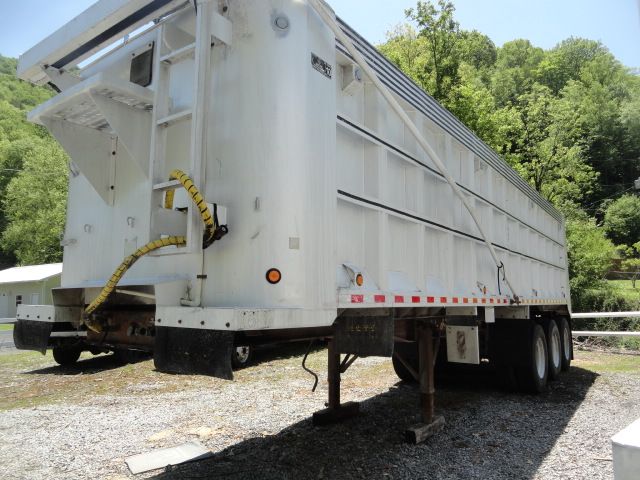
Have dump trailer to sell? List it here to reach thousands of buyers.
About Dump Trailers in Virginia
Body design matters as much as raw capacity. Steel dump trailers are common when abrasion resistance and impact durability are priorities, especially for rock, broken concrete, and demolition work. Aluminum bodies reduce tare weight and can improve payload on operations hauling lighter bulk commodities, but the application has to match the material. Buyers should also compare floor thickness, wall gauge, crossmember spacing, hoist design, and gate configuration. Barn doors, spreader gates, and combination gates each fit different unloading needs, while features like tarp systems, board brackets, scissor hoists, telescopic cylinders, and slide-in ramps can change how useful the trailer is day to day.
Axle and suspension specs deserve close attention because they affect legal payload, ride quality, and service life. Tandem and tri-axle dump trailers are both common, with electric brakes or air brakes depending on size and duty cycle. Tire size, wheel rating, equalizer design, and suspension type all influence how the trailer handles uneven ground and repeated heavy loads. If the trailer will see frequent pavement work, transfer between jobs, or high-cycle use, check for reinforced rear frames, heavy-duty hinges, sealed wiring, robust hydraulic components, and adequate battery and charger setups for the power unit. A buyer should also look closely at coupler style, pintle or gooseneck setup where applicable, and compatibility with the tow vehicle’s braking and electrical systems.
The best dump trailer is the one sized correctly for the material and the route, not just the one with the highest advertised capacity. Dense material can reach axle limits long before the body is full, while light material may demand more cubic volume and taller sides. In Virginia, corrosion exposure can also vary from inland construction use to coastal humidity, so paint quality, primer, underbody protection, and maintenance access are worth evaluating. A well-matched dump trailer should unload consistently, track straight under load, and hold up to repeated cycles without excessive structural flex or hydraulic downtime.
Frequently Asked Questions
What size dump trailer is best for hauling gravel, dirt, or demolition debris?
The right size depends on material density as much as body length or side height. Gravel, wet sand, and broken concrete are heavy enough that axle ratings and GVWR are usually reached before the trailer is filled to the top. Dirt and mixed debris can vary widely, while mulch and brush need more cubic capacity than raw weight capacity. Buyers should compare payload rating, empty weight, body volume, and local road limits so the trailer matches the material actually hauled most often.
Is a steel or aluminum dump trailer better?
Steel dump trailers are generally preferred for severe-duty work because they resist impact and abrasion better when hauling rock, scrap, asphalt chunks, and demolition debris. Aluminum dump trailers reduce tare weight and can improve legal payload in some applications, but they are usually chosen more carefully around material type and loading practices. The better choice comes down to operating environment, expected abuse, corrosion exposure, and the value of lower empty weight versus maximum ruggedness.
What should I look for in a dump trailer hoist system?
Hoist design affects lifting stability, dump angle, maintenance, and long-term reliability. Scissor hoists are common on many dump trailers and provide solid lifting force for general construction and landscape applications. Telescopic cylinders are often used where a different lift geometry or body design is preferred. Buyers should check cylinder condition, hydraulic pump setup, battery capacity, charger type, hose routing, pivot wear, and whether the frame is reinforced for repeated loaded dump cycles.
Are tandem axle or tri-axle dump trailers better for Virginia hauling?
Tandem axle dump trailers are common for general-purpose work because they are simpler, lighter, and easier to maneuver on tighter jobsites. Tri-axle models can offer higher capacity and better load distribution, but they add complexity, tire cost, and turning scrub. The better setup depends on the materials hauled, towing equipment, expected road miles, and the legal weight environment on the routes the trailer will actually run in Virginia.
Which gate style is most useful on a dump trailer?
Gate choice should match how the trailer is unloaded. Barn doors work well when backing and dumping larger chunks of material or debris. Spreader gates are useful for controlled release of gravel or similar aggregate. Combination gates give more flexibility across different materials and jobs. Buyers should also check latch design, hinge strength, and how the gate seals and clears material during repeated use.