
Used Dump Trailers For Sale in Texas
Shop used dump trailers in Texas, including end dumps and scrap trailers, with common specs, hauling applications, and buyer-focused guidance.

Selling a used dump trailer? List your used dump trailer for sale and reach thousands of commercial buyers.
Used Dump Trailers in Texas
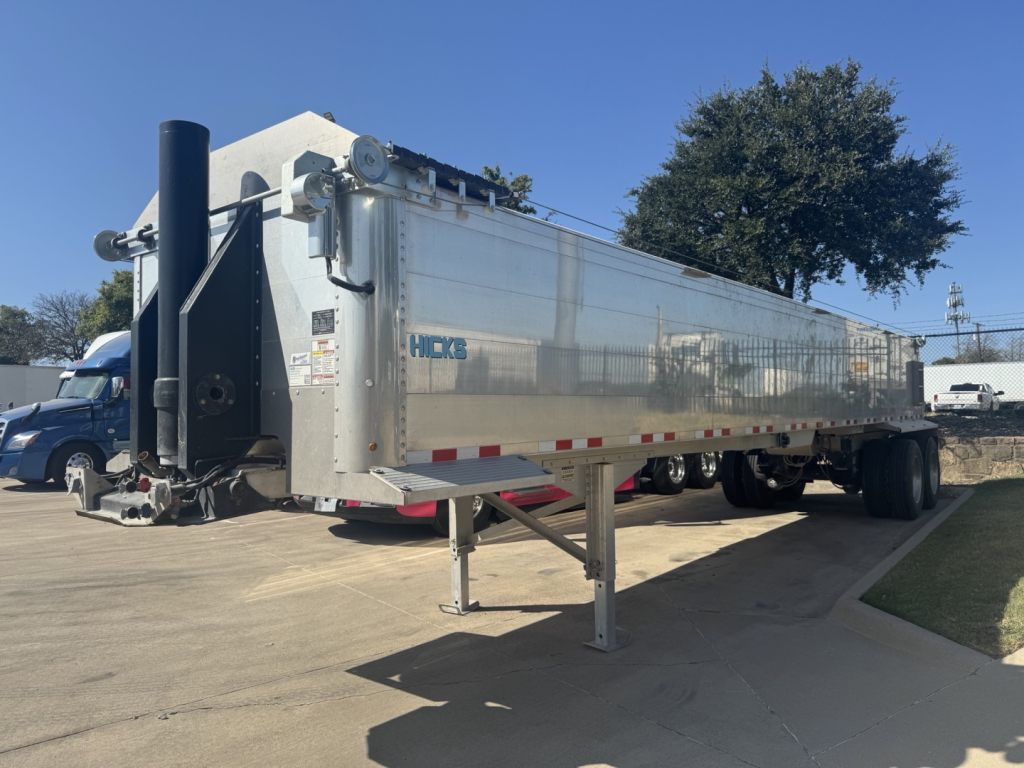
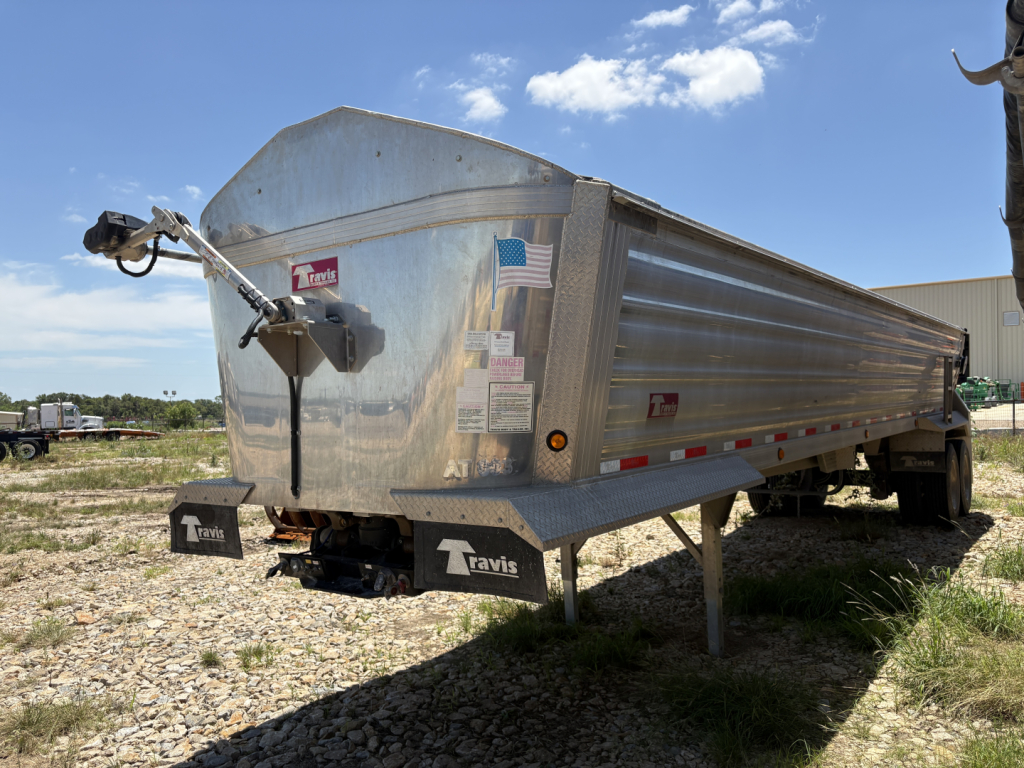
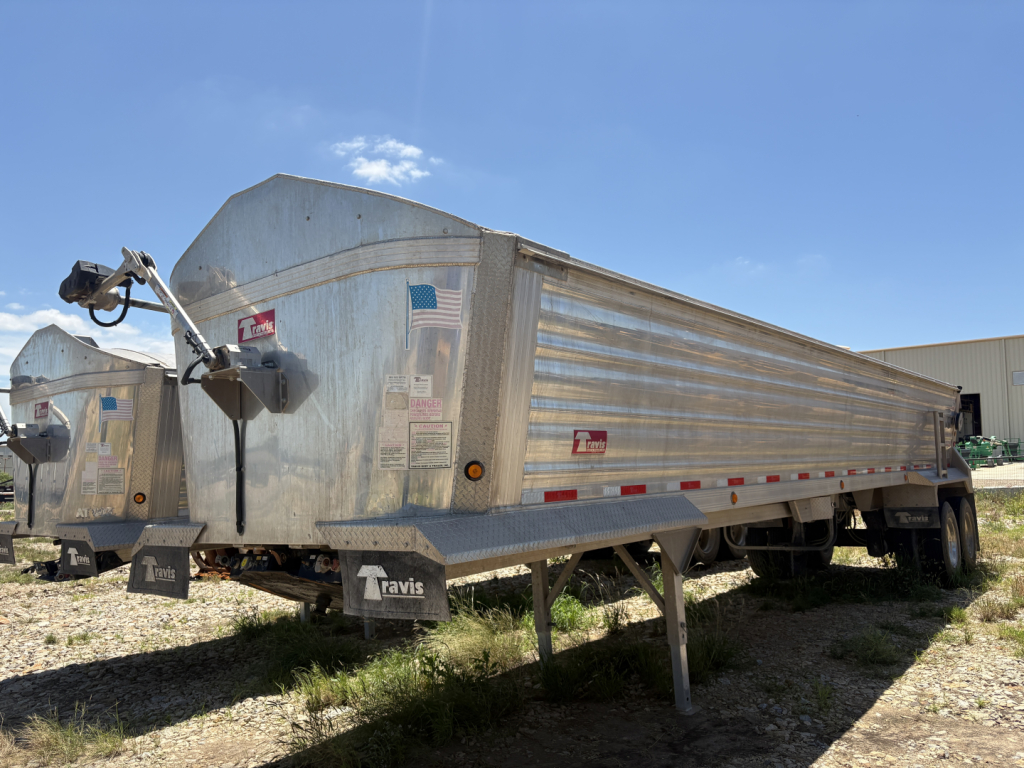
Body material is one of the biggest purchase decisions. Aluminum dump trailers reduce tare weight and help maximize payload on legal weight limits, which makes them popular for sand, gravel, and other non-abrasive commodities. Steel bodies, especially Hardox or other abrasion-resistant tubs, are better for scrap, demolition, riprap, and heavier impact loading. Frameless designs are common in end dumps because they save weight and increase capacity, while frame-type trailers can offer added rigidity for certain applications. Buyers should compare side height, body length, width, liner setup, gate style, and cubic yard rating against the actual material being hauled, not just the advertised volume.
A used dump trailer should also be evaluated around the running gear and dump system. Common specs include tandem axle configurations, air ride or spring suspension, lift axles, 11R24.5 tires, and electric tarp systems. Hoist design is critical because it affects dump angle, cycle reliability, and stability under load. Look closely at hoist mounts, hinge areas, crossmember condition, floor wear, body cracks, and signs of prior welding repairs. On Texas trucks that see mixed highway and off-road use, suspension bushings, brake components, ABS function, kingpin wear, landing gear, and rear gate latch systems deserve extra attention. A trailer that looks clean but has tub wear, fatigued braces, or uneven suspension wear can become expensive quickly.
Texas buyers often balance payload, durability, and legal compliance more carefully than headline price alone. A lighter aluminum end dump may pencil out better for aggregate lanes with frequent turns, while a heavier steel scrap trailer may be the right choice for severe service and loader impact. It also helps to match the trailer to the tractor setup, including fifth wheel height, kingpin setting, wet kit compatibility, and intended axle spread. The best used dump trailers are the ones built for the commodity, road conditions, and daily loading method they will actually see.
Frequently Asked Questions about Used Dump Trailers in Texas
What is the difference between an aluminum dump trailer and a steel dump trailer?
Aluminum dump trailers are lighter, which usually means higher payload capacity and better efficiency on weight-sensitive hauls. They are commonly used for aggregate, sand, grain, and other less abrasive materials. Steel dump trailers weigh more but handle impact, abrasion, and demolition-type loading better, making them a stronger fit for scrap, rubble, and severe-duty work.
What should I inspect first on a used dump trailer?
Start with the tub, floor, hoist, and rear hinge or gate area because those components take the most stress. Check for thin floor sections, cracking around crossmembers, weld repairs, body distortion, leaking hydraulic components, and uneven wear that may indicate past overloading or stability issues. After that, inspect suspension parts, brakes, tires, kingpin wear, landing gear, tarp operation, and ABS function.
Are frameless dump trailers better than frame-type dump trailers?
Frameless dump trailers are popular because they reduce empty weight and can increase payload capacity, especially in end dump applications. They are efficient for bulk commodity hauling and are widely used in construction and aggregate work. Frame-type dump trailers can offer added structural support and may be preferred in applications where body rigidity and heavy repeated impact are higher priorities than tare weight.
How do I choose the right dump trailer capacity for my operation?
Capacity should be matched to material density, loading method, and legal gross weight limits, not just cubic yards. A large-volume trailer works well for light material, but dense commodities can hit weight limits before the body is full. Side height, body length, width, and trailer tare weight all affect how practical the trailer will be on the lanes you run.
Why does hoist design matter on a dump trailer?
The hoist is central to dump performance, stability, and maintenance cost. Multi-stage telescopic hoists and trunnion-mounted systems are common, and the right setup depends on trailer design and application. A well-matched hoist helps achieve proper dump angle and smooth operation, while worn mounts, misalignment, or poor maintenance can lead to unreliable cycle times and structural stress.