
Manac Dump Trailers For Sale
Browse Manac dump trailers built for aggregate, asphalt, and demolition work, with tri-axle layouts, durable tubs, and road-ready specs.
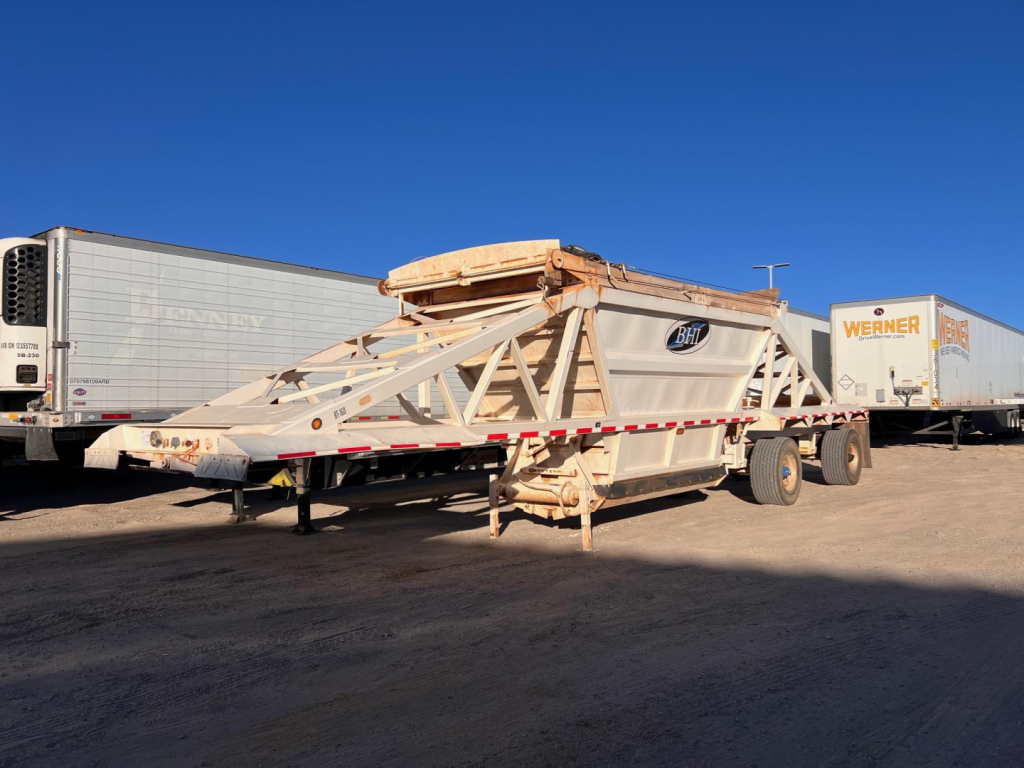
Selling a manac dump trailer? List your manac dump trailer for sale and reach thousands of commercial buyers.
Manac Dump Trailers
Manac has long been recognized for vocational trailer construction, and that matters in a dump trailer where the body takes constant abuse from loaders, material impact, and uneven dumping surfaces. Steel tubs remain a popular choice for buyers hauling rock, riprap, scrap, and demolition debris because they handle concentrated impact well and can be easier to repair in severe service. Capacity is commonly discussed in cubic yards, but the smarter comparison is cubic yard rating matched against material density and axle spec. A 24-yard trailer may be a strong fit for stone or asphalt in one operation and too much box for legal payload in another. Buyers should also pay attention to tub length, side height, floor thickness, crossmember design, and push block configuration, especially if the trailer will see paving work or frequent paver feeding.
Running gear and operating equipment make a real difference in daily use. Tri-axle Manac dump trailers are often spec'd with 25,000-pound axles, air ride suspension, and one lift axle to help reduce tire scrub and improve maneuverability when empty or lightly loaded. Drum brakes are still common in vocational service, though maintenance practices and operating terrain should guide that choice. Electric tarp systems are a major convenience on aggregate and asphalt lanes, and details like two-speed landing gear, aluminum fenders, drain plugs, and bolt-on components can save time over the life of the trailer. Tire size, wheel type, and rear suspension geometry also affect loaded ride quality and wear patterns, so it pays to compare these details carefully across similar listings.
Hydraulics are another key buying point with any dump trailer. The tractor has to match the trailer's pressure and flow requirements, and that mismatch causes slow cycle times or poor hoist performance. Many road dump applications call for truck hydraulic systems in the range of roughly 2,500 to 2,700 PSI and 25 to 30 GPM, but buyers should confirm the exact requirement on each trailer. A good Manac dump trailer spec is one that fits the material being hauled, the roads being run, and the hydraulic truck already in the fleet. That is usually more important than simply choosing the largest body or the highest listed capacity.
Frequently Asked Questions about Manac Dump Trailers
What are Manac dump trailers commonly used for?
Manac dump trailers are commonly used for hauling aggregate, asphalt, sand, gravel, dirt, millings, and demolition debris. They are a strong fit for paving contractors, site work fleets, quarry hauling, and regional material transport where fast unloading and high-cycle durability are important. The right application depends on tub material, body design, cubic yard capacity, and axle layout.
Is a tri-axle Manac dump trailer a good choice for road work and aggregate hauling?
A tri-axle setup is a common choice for road work and aggregate hauling because it helps distribute weight more effectively while maintaining strong payload potential. It also tends to track well on the highway and can be spec'd with a lift axle to reduce scrub and improve maneuverability when conditions allow. Buyers should still confirm bridge law requirements, loaded axle weights, and local regulations before deciding on a tri-axle configuration.
Should I choose a steel or aluminum dump trailer body?
Steel is usually preferred for severe-service hauling such as rock, scrap, and demolition because it resists concentrated impact and stands up well to hard loader use. Aluminum can reduce tare weight and increase payload in some applications, but it may not be the best fit for abrasive or high-impact material. The correct choice depends on what you haul, how often you load, and how rough the jobsite conditions are.
What hydraulic requirements matter on a dump trailer?
The most important hydraulic requirements are operating pressure and flow rate because they determine how well the hoist system raises and lowers the body. If the tractor does not supply the pressure or GPM the trailer is built for, dump cycles can be slow or inconsistent. Buyers should verify hydraulic compatibility between tractor and trailer before purchase, especially in mixed fleets where tractors may have different wet kit setups.
What should I compare first when shopping Manac dump trailers?
Start with axle rating, body length, tub length, cubic yard capacity, suspension type, and body material. Then compare kingpin setting, brake type, tarp system, hoist requirements, tire size, and any lift axle configuration. Those details affect legal payload, tractor compatibility, unloading stability, and long-term operating cost more than cosmetic differences do.