
CTS Dump Trailers For Sale in Kansas
Have cts dump trailer to sell? List it here to reach thousands of buyers.
CTS Dump Trailers in Kansas
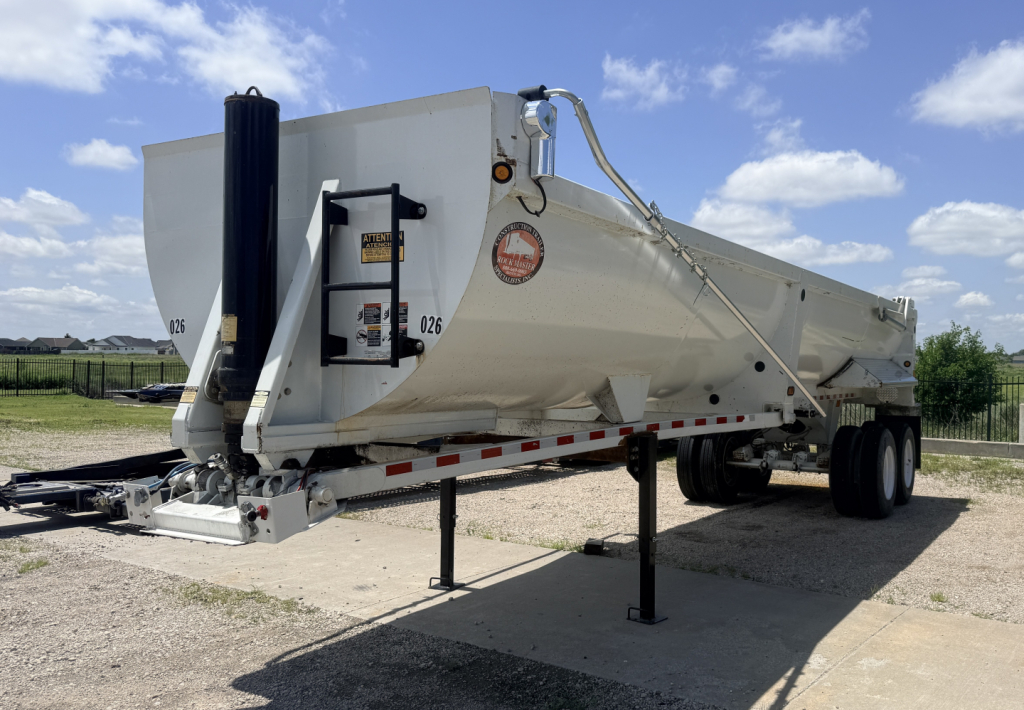
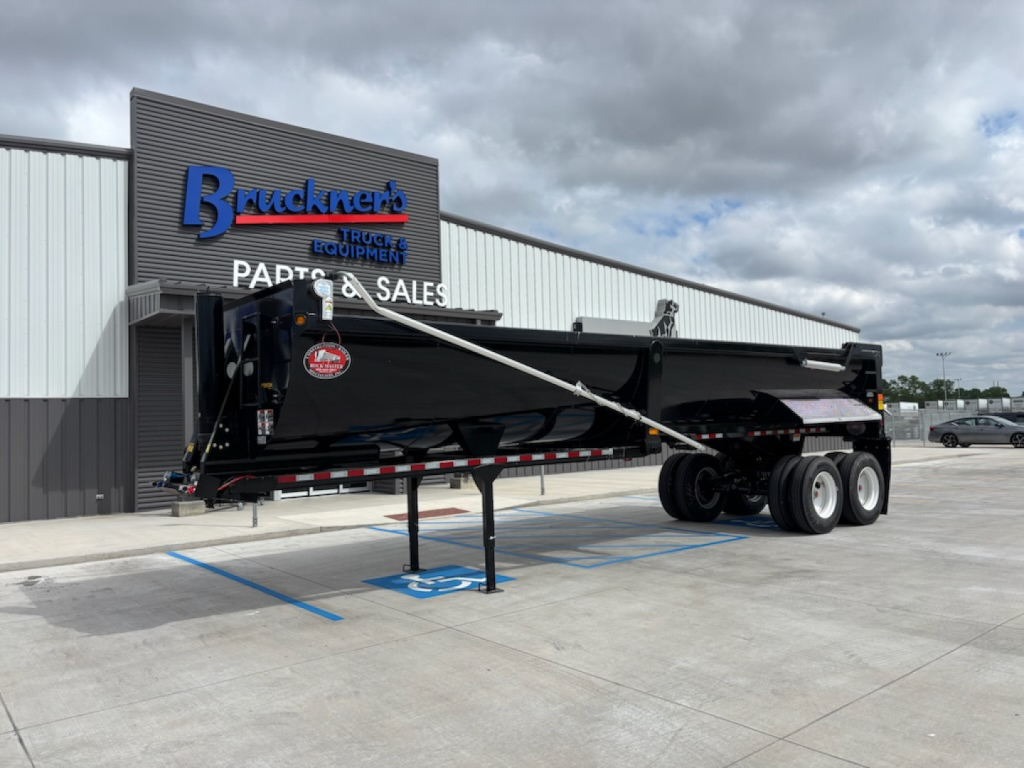
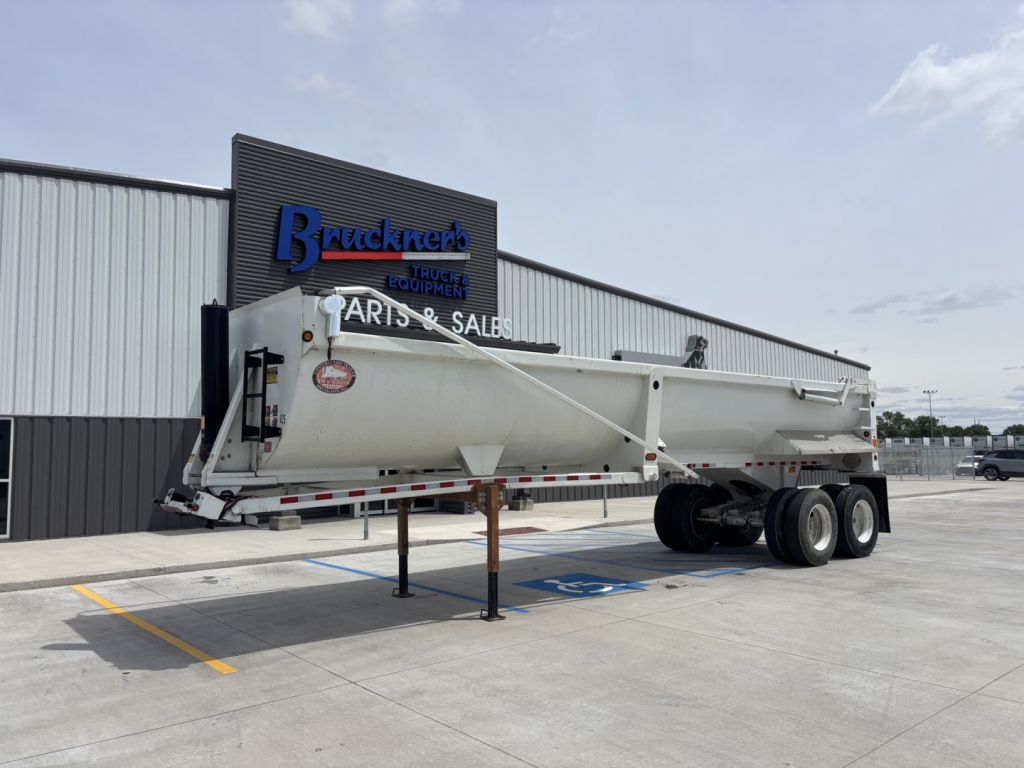
The first buying decision is usually body style and tub material. CTS half-round models commonly show up in the 32-foot range, often with 48-inch sides and 1/4-inch Hardox or similar abrasion-resistant steel in the tub. That matters if the trailer will see rock, riprap, or repeated loading from a high-production shovel or loader. Frameless construction reduces empty weight and can improve payload, but it also puts more emphasis on matching the trailer to the right application, road conditions, and loading practices. If your work is primarily asphalt, sand, or finished aggregate, a frameless half-round can be a very efficient spec. If the route includes rough entrances, uneven dumps, or heavier concentrated loads, buyers should pay close attention to frame design, suspension, hoist geometry, and body wear history.
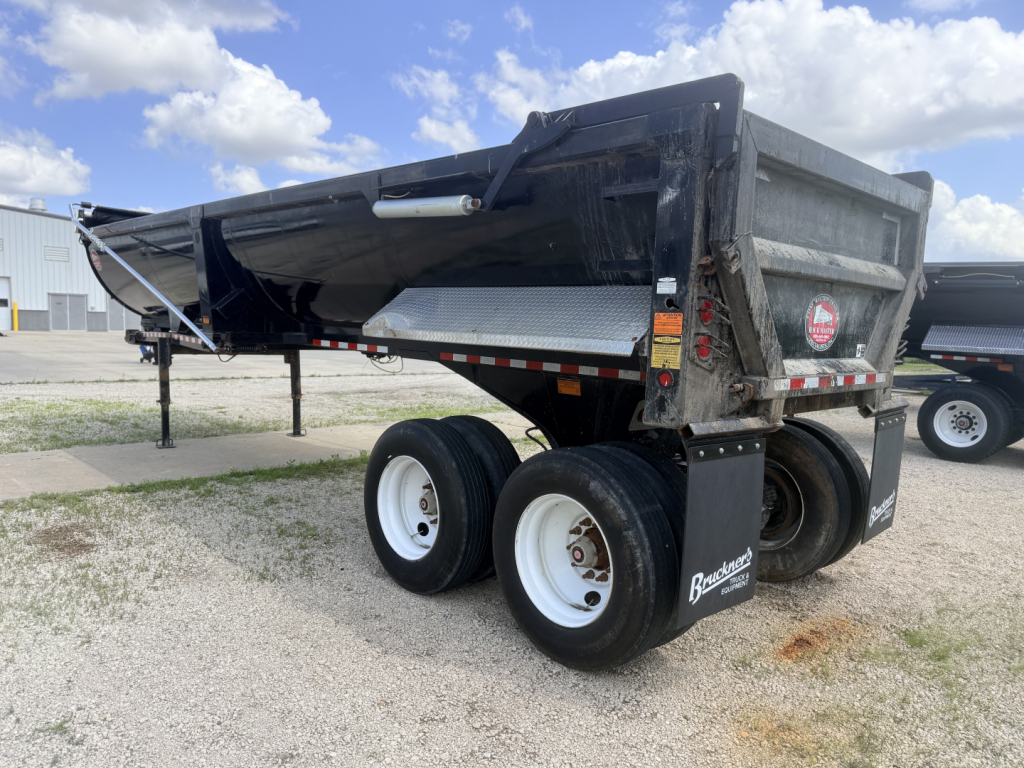
Kansas operators often need a trailer that can transition between highway miles, county roads, and jobsite surfaces without becoming overly specialized. Common specs in this category include 11R24.5 tires, steel wheels, spring ride suspension, electric flip tarps, high-lift rear gates, manual gate controls, front cab kits, and 6-way wiring for gate operation. Details like quick release valves, a larger air tank, aluminum rear fenders, windrow deflectors, ladders, and push blocks are not cosmetic. They affect cycle time, loading accuracy, tarp convenience, and day-to-day serviceability. Capacity is usually discussed in cubic yards for lighter materials, but serious buyers should always compare legal payload potential, body dimensions, and material density instead of shopping by yard rating alone.
Used CTS dump trailers deserve a close look at tub condition, rear hinge and gate wear, floor straightness, hoist performance, suspension condition, brake life, and evidence of prior hard use in rock or demolition service. A trailer described as having a clean tub and little or no dirt or rock service can be attractive, but it still needs inspection around stress points, welds, kingpin area, crossmember structure if equipped, and rear frame sections. For new buyers comparing listings, the real differences usually come down to gate style, side height, body length, tarp system, suspension, and the type of material the trailer was built to haul. A well-matched CTS dump trailer can be a productive regional spec for construction, paving, agricultural hauling, and aggregate work.
Frequently Asked Questions about CTS Dump Trailers in Kansas
What is the difference between a CTS half-round dump trailer and a cross gate dump trailer?
A CTS half-round dump trailer uses a curved tub that helps material slide out cleanly and reduces material hang-up, which is useful for sand, gravel, asphalt millings, and similar bulk products. A cross gate trailer typically has a more conventional body layout and gate arrangement that can suit agricultural commodities, lighter bulk materials, and operations where body width, side height, and controlled discharge are priorities. The better choice depends on material type, loading method, and how rough the dump environment is.
Is a frameless CTS dump trailer a good choice for heavy aggregate work?
A frameless CTS dump trailer can work very well in aggregate service when the body material, floor thickness, and overall spec match the job. Frameless designs usually help reduce tare weight and improve payload, but they are best used with disciplined loading practices and stable dumping conditions. Buyers hauling sharp rock or operating on uneven job sites should pay extra attention to tub thickness, hoist condition, rear structure, and signs of twisting or impact damage.
What specs matter most when comparing CTS dump trailer listings?
The most important specs are body style, length, side height, tub material, suspension type, axle configuration, tire size, gate design, and tarp system. Buyers should also look at practical operating details such as 6-way gate wiring, cab controls, quick release valves, air tank size, ladders, push block setup, and fender construction. Those features affect unloading speed, safety, maintenance access, and how well the trailer fits a specific hauling operation.
Are electric flip tarps and high-lift gates worth having on a dump trailer?
For many operators, yes. An electric flip tarp speeds up cover and uncover cycles, helps meet load securement requirements, and reduces the inconvenience of manual tarp handling in wind or bad weather. A high-lift gate is valuable when hauling material that does not always flow evenly or when extra rear clearance helps prevent spillage and bridging during discharge. These options improve day-to-day usability more than many buyers expect.
What should I inspect on a used CTS dump trailer before buying?
Inspect the tub for dents, floor waviness, cracks, patches, and thin spots from abrasion. Check the gate hinges, latch operation, hoist, suspension, brakes, tires, kingpin area, wiring, tarp motor, and rear frame structure. It is also smart to look for evidence of prior rock service, hard off-road use, or repeated overloading. A clean-looking body is a good sign, but the wear points around the hoist mounts, rear hinges, and structural connection areas tell the real story.