
Construction Trailer Specialist Dump Trailers For Sale
Shop Construction Trailer Specialist dump trailers for hauling aggregate, demolition, and bulk materials with durable steel bodies and work-ready specs.
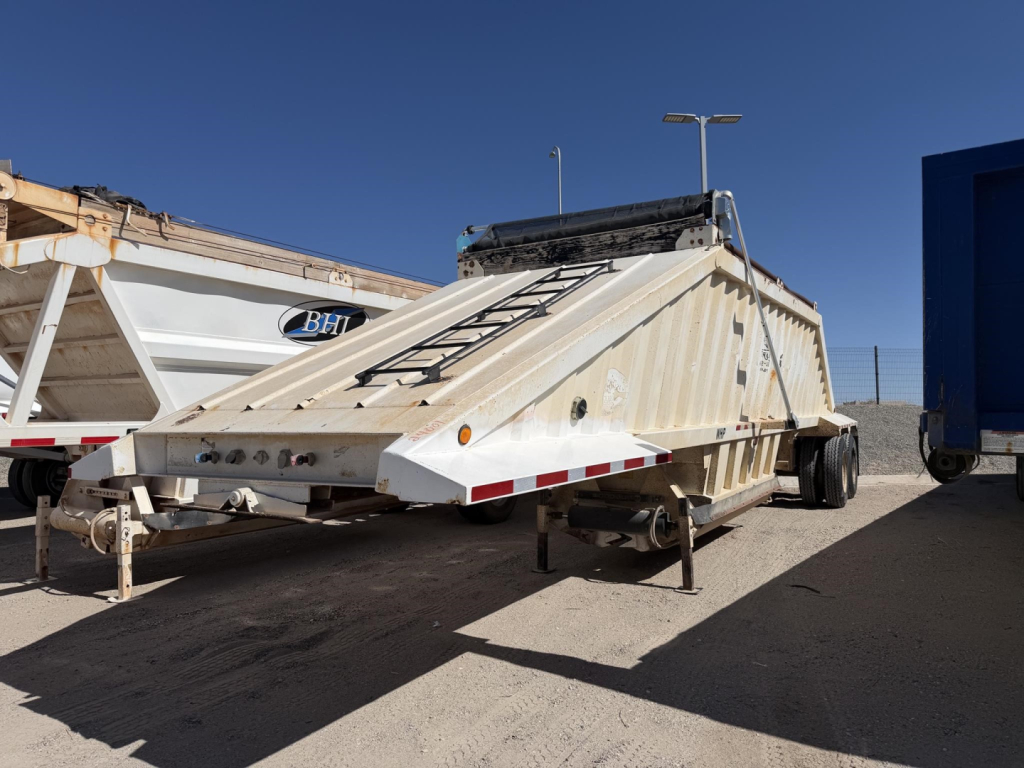
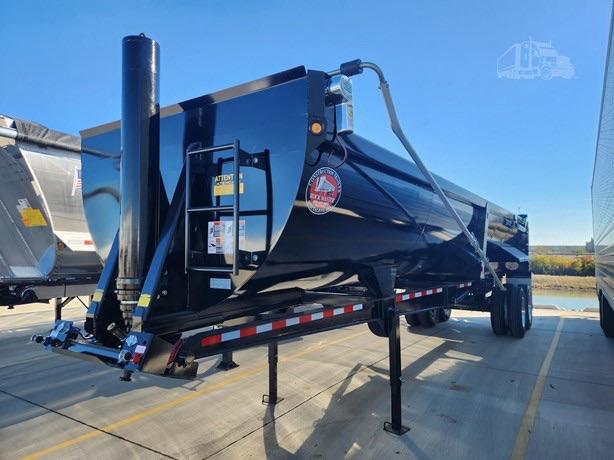
Selling a construction trailer specialist dump trailer? List your construction trailer specialist dump trailer for sale and reach thousands of commercial buyers.
Construction Trailer Specialist Dump Trailers
Body construction is the first decision point. Steel bodies generally bring better impact resistance for rock, riprap, broken concrete, and scrap-heavy debris, while buyers focused on payload sometimes compare wall thickness and floor thickness to balance durability against tare weight. Lengths in this class often land in the 34-foot range, a practical size for construction and paving fleets that need good cubic capacity without giving up too much maneuverability. Suspension also matters. Spring ride remains common on vocational dump trailers because it is simple, durable, and familiar to maintain, though ride quality and frame stress should be considered based on road conditions and haul distance.
Spec details affect daily productivity more than many first-time buyers expect. Electric tarp systems are popular because they speed up load securement and help with compliance when hauling asphalt millings, sand, gravel, and other loose material. Tire size, wheel type, and axle setup influence service cost, legal payload strategy, and how easily the trailer fits into the rest of a fleet. Many buyers also pay close attention to hoist design, gate style, liner condition, kingpin setting, brake specification, and overall body shape, since these directly affect clean dump-out, stability, and tractor compatibility. On used units, inspect the tub, crossmembers, hinge area, upper rail, and hoist mounts closely for cracks, patchwork, distortion, and corrosion.
A Construction Trailer Specialist dump trailer is best evaluated by matching the spec to the material and route. A trailer hauling shot rock or demolition debris needs a different floor and wall strategy than one pulling sand, topsoil, or hot mix on shorter cycles. The right trailer should dump cleanly, track straight under load, and stand up to repeated loading without excessive body flex. Buyers who compare body dimensions, empty weight, suspension, tarp system, tire package, and structural condition will make faster decisions and avoid paying for a spec that does not fit the job.
Frequently Asked Questions about Construction Trailer Specialist Dump Trailers
What is the main advantage of a steel Construction Trailer Specialist dump trailer?
A steel dump trailer is typically chosen for durability in severe service. Steel bodies handle abrasive loads, impact from larger material, and loader contact better than lighter-weight body designs. That makes them a common fit for aggregate, demolition debris, recycled concrete, and other punishing applications where body life and resistance to damage are more important than shaving every possible pound of tare weight.
What should I inspect first on a used end dump trailer?
Start with the structure that carries load and absorbs dumping stress. Check the body floor, sidewalls, crossmembers, upper rails, hinge points, hoist mounts, frame rails, and tailgate area for cracks, rewelds, distortion, or rust scale. Then inspect suspension components, axle alignment, brake condition, tarp operation, tire wear, and signs that the body is not dumping squarely. Uneven wear or patched steel in high-stress zones can signal a hard previous life.
Is a 34-foot end dump a good size for construction hauling?
A 34-foot end dump is a common vocational length because it offers useful cubic capacity while staying workable in tighter jobsite conditions than longer tubs. It can be a strong match for paving crews, aggregate work, site development, and regional bulk hauling. The best size still depends on material density, legal weight limits, haul distance, and how much room is available to maneuver and raise the body safely.
Why do buyers still choose spring ride on dump trailers?
Spring ride remains popular because it is durable, straightforward to service, and well suited to rough vocational environments. Many fleets value its simplicity and predictable maintenance profile, especially when trailers spend time on uneven surfaces, quarry roads, or construction entrances. The tradeoff is that it may not deliver the same ride characteristics as air ride, so the operating environment should drive the choice.