
Armor Lite Dump Trailers For Sale in Kansas
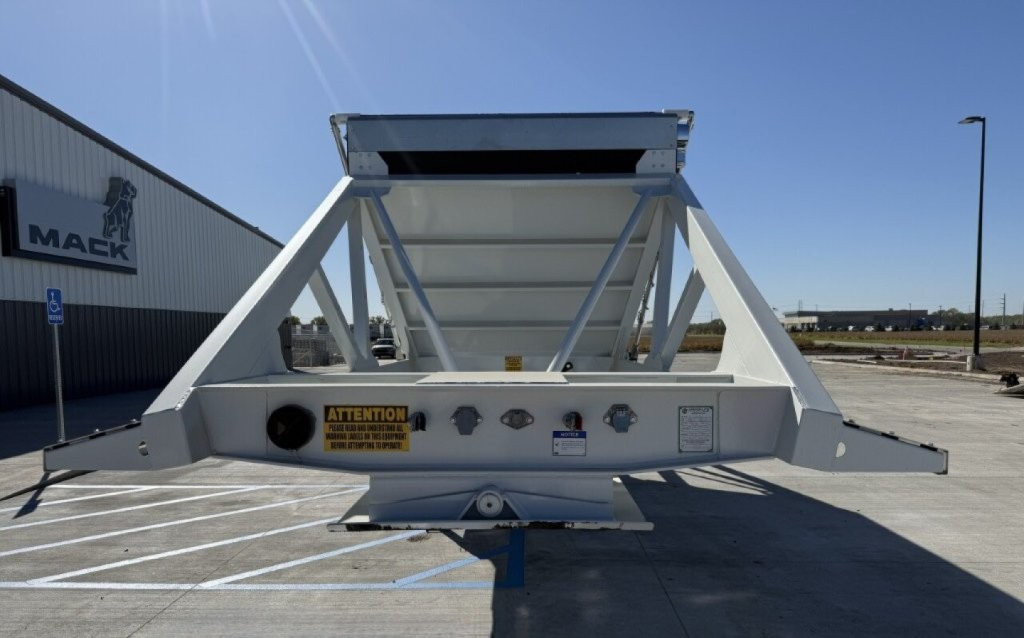
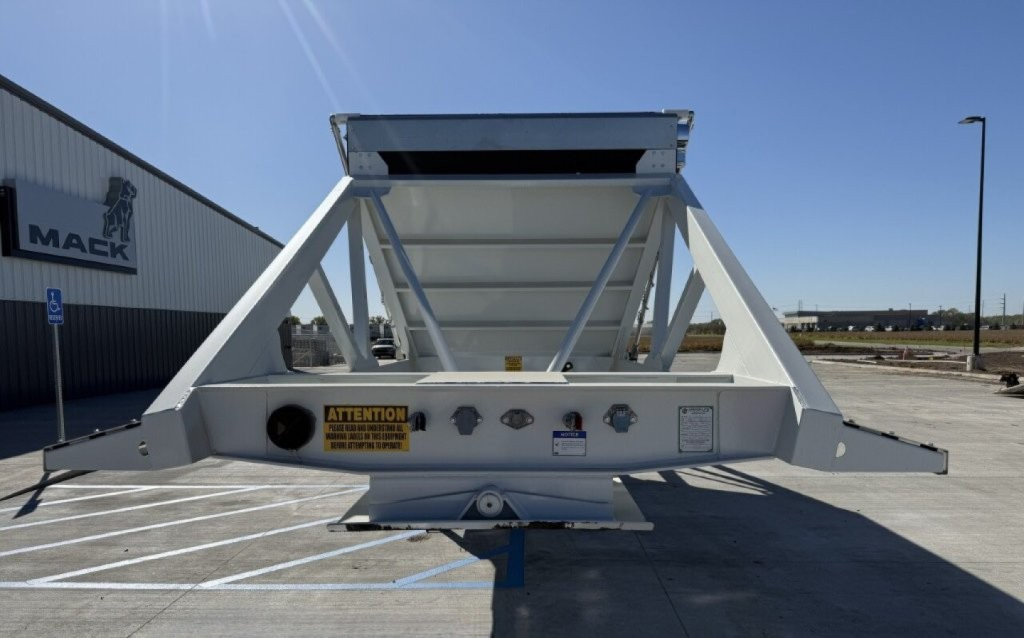
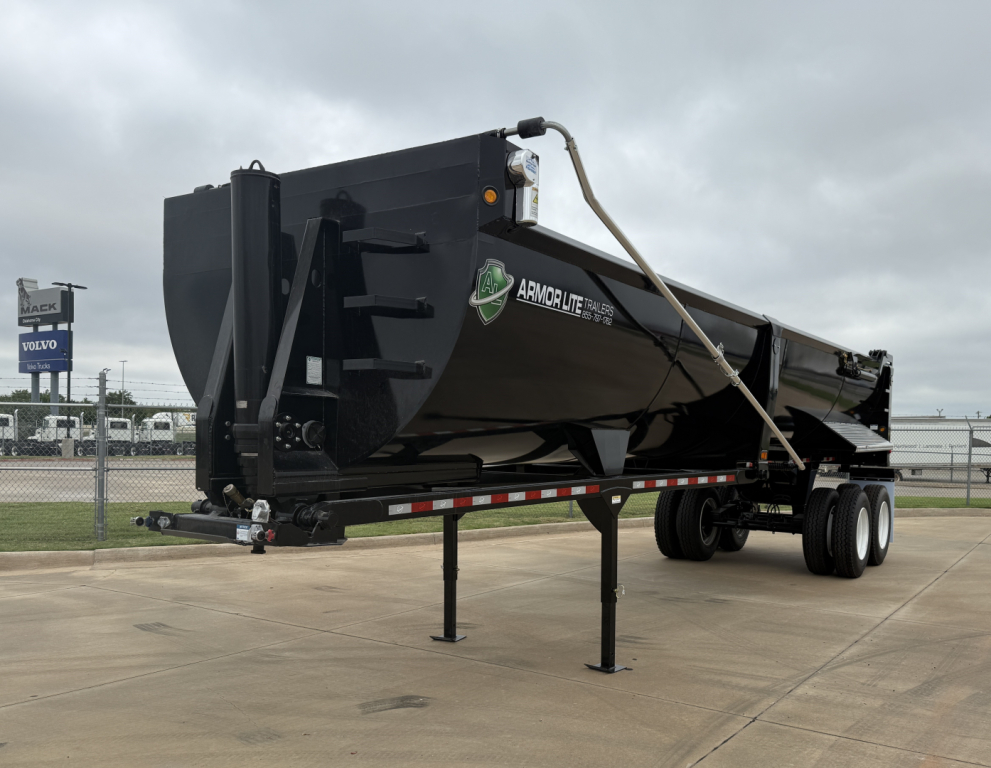
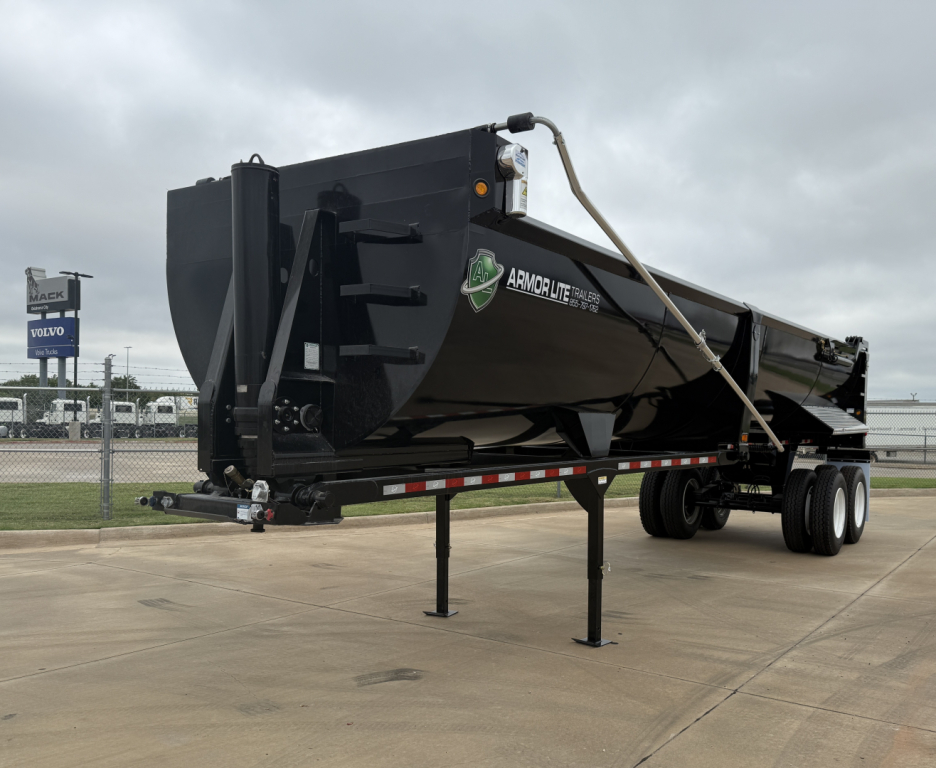
Armor Lite dump trailers are lightweight, durable end dumps built for aggregate, asphalt, and debris hauling with strong tubs and practical specs.
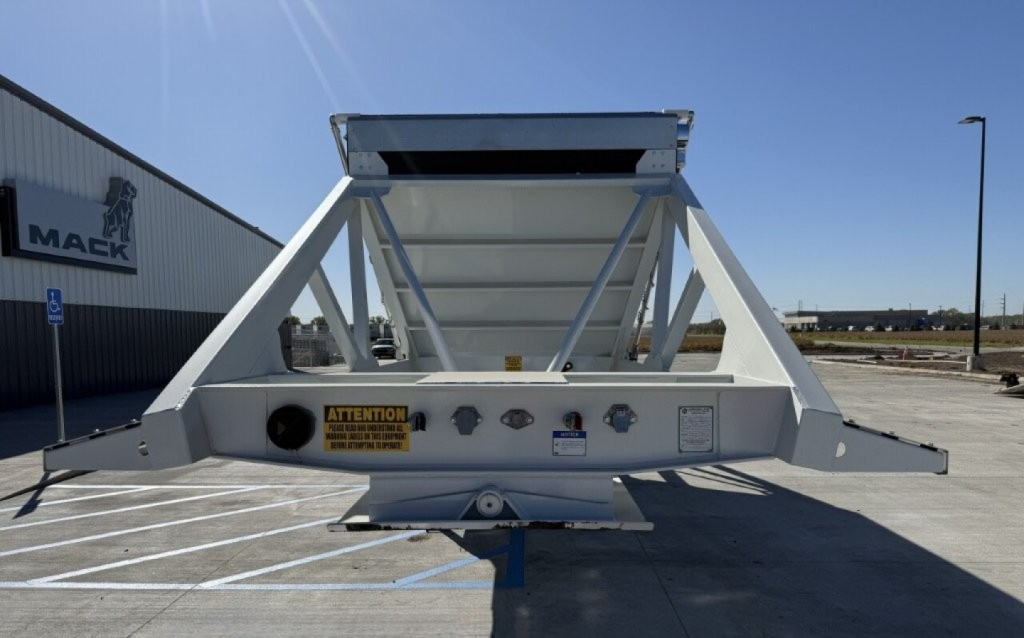
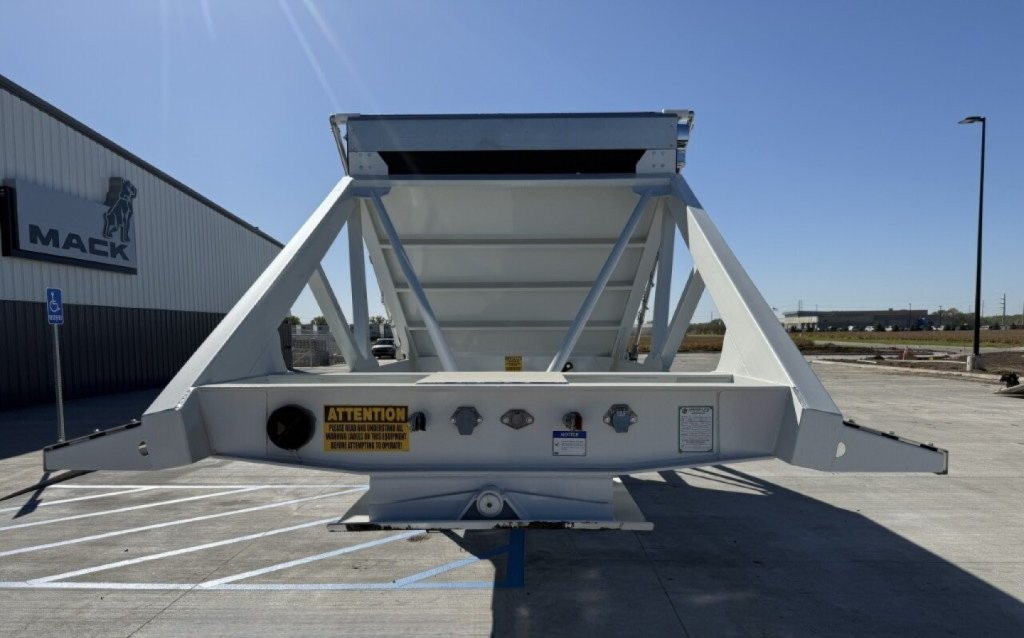
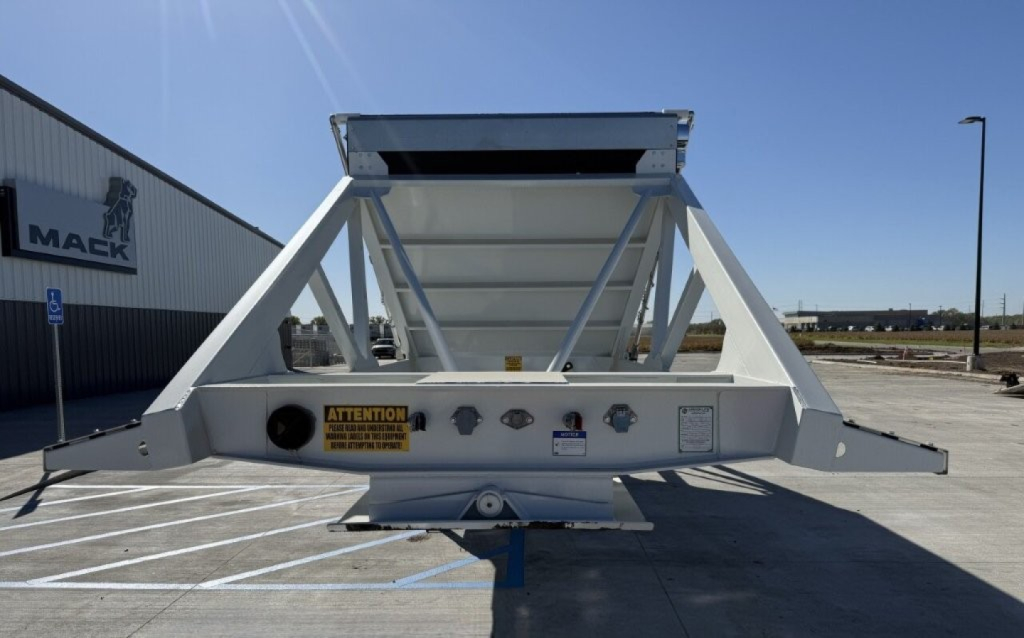
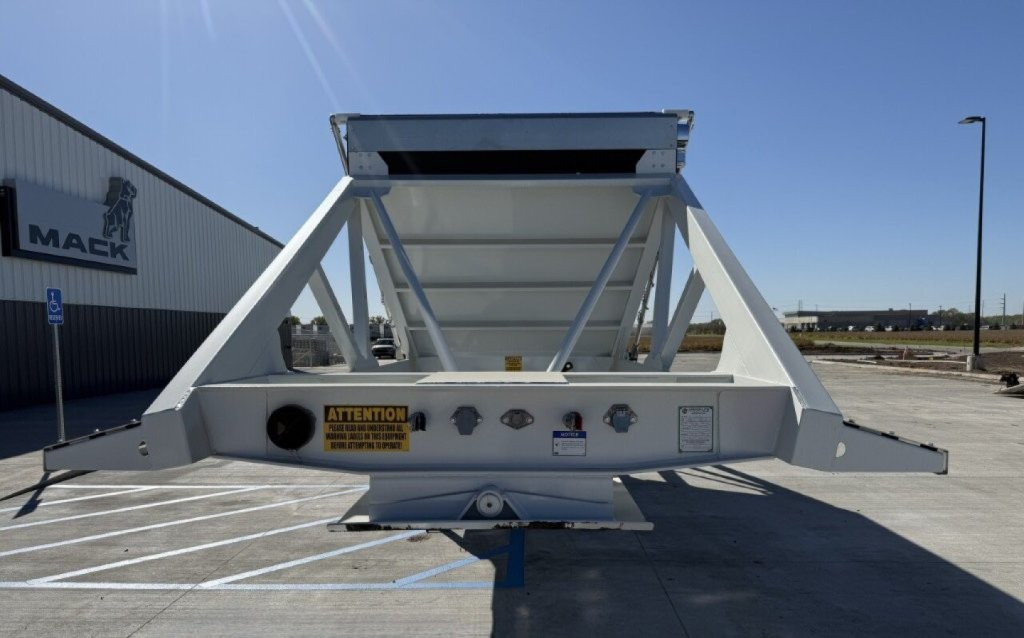
Selling a armor lite dump trailer? List your armor lite dump trailer for sale and reach thousands of commercial buyers.
Armor Lite Dump Trailers in Kansas
The biggest split in this category is usually between lightweight aggregate-style bodies and heavier-spec tubs for abrasive material. A 40-foot skeleton or lightweight body can make sense for maximizing payload on sand, gravel, and similar bulk commodities, while shorter heavy-duty tubs with 1/4-inch material are better suited for chunk rock, demolition debris, or harsher loading environments. Armor Lite end dump trailers often show up with 28-foot, 32-foot, and 40-foot configurations, with capacities around the low-20 cubic yard range on lighter setups and more robust construction on heavy-duty models. Features like self-shedding top rails help reduce material hang-up, and a high-lift gate adds flexibility when dumping larger rock or controlling discharge.
Suspension and tire spec matter more than many first-time buyers expect. Spring ride remains a straightforward choice for simplicity and serviceability, while single-point suspension is common on heavier end dumps that need stability and durability under repeated off-road loading cycles. Typical wheel and tire packages such as 11R24.5 rubber on steel wheels are widely supported and familiar to most fleets and tire vendors. Chip and chunk resistant tires are worth noting if the trailer will spend time in quarries, on torn-up haul roads, or under loaders dropping sharp aggregate. Electric flip tarps, front trailer control connections, and manual side controls for gate operation are also common practical features that improve turnaround time and help keep the trailer compliant and easier to run.
A smart buyer should match the trailer to the material, the loader, and the route, not just the sticker price. Check the tub design, frame spec, gate style, hoist arrangement, and overall trailer height with your tractor and normal jobsite conditions in mind. If most loads are asphalt, ag commodities, or screened aggregate, lower tare weight can pay back quickly. If the work is shot rock, rubble, or severe-duty hauling, heavier tub and frame construction usually wins over time. Armor Lite dump trailers sit in that decision point where every pound and every wear surface matters, so the best choice is the one that protects payload while standing up to the material you haul every week.
Frequently Asked Questions about Armor Lite Dump Trailers in Kansas
What are Armor Lite dump trailers commonly used for?
Armor Lite dump trailers are commonly used for hauling aggregate, sand, gravel, asphalt, dirt, demolition material, and other bulk loads that unload by gravity. Lighter configurations are often chosen for payload-sensitive work, while heavier tub and frame specs are better for abrasive or impact-heavy materials such as chunk rock and construction debris.
What should I look at first when comparing Armor Lite dump trailers?
Start with tub length, cubic yard capacity, empty weight, and tub material or thickness. Then look at suspension type, gate design, tire package, and tarp system. Those specs tell you how much the trailer can legally haul, how well it will hold up to your material, and how efficiently it will operate on your routes and jobsites.
Is a lightweight dump trailer always the best choice?
No. A lightweight dump trailer improves payload, but only if the trailer is matched to the material being hauled. For sand, gravel, and other less abusive products, lighter weight can be a major advantage. For demolition, shot rock, or severe off-road loading, a heavier-duty tub and frame can reduce damage, downtime, and long-term repair cost.
What is the benefit of a self-shedding top rail on a dump trailer?
A self-shedding top rail is designed to reduce material buildup along the top edge of the body. That helps the trailer clean out more completely, lowers the chance of carrying residual material between loads, and can reduce cleanup time. It is especially useful when hauling sticky or irregular material that tends to hang up in the body.
Why do suspension and tire choices matter on an end dump trailer?
Suspension and tire choices affect stability, maintenance, ride quality, and resistance to jobsite damage. Spring ride is simple and familiar, while single-point suspension is often selected for severe-duty applications. Tires such as 11R24.5 chip and chunk resistant rubber can better tolerate quarry roads, sharp rock, and repeated off-pavement use than a more general highway-focused tire.