
2027 Armor Lite Dump Trailers For Sale in Louisiana
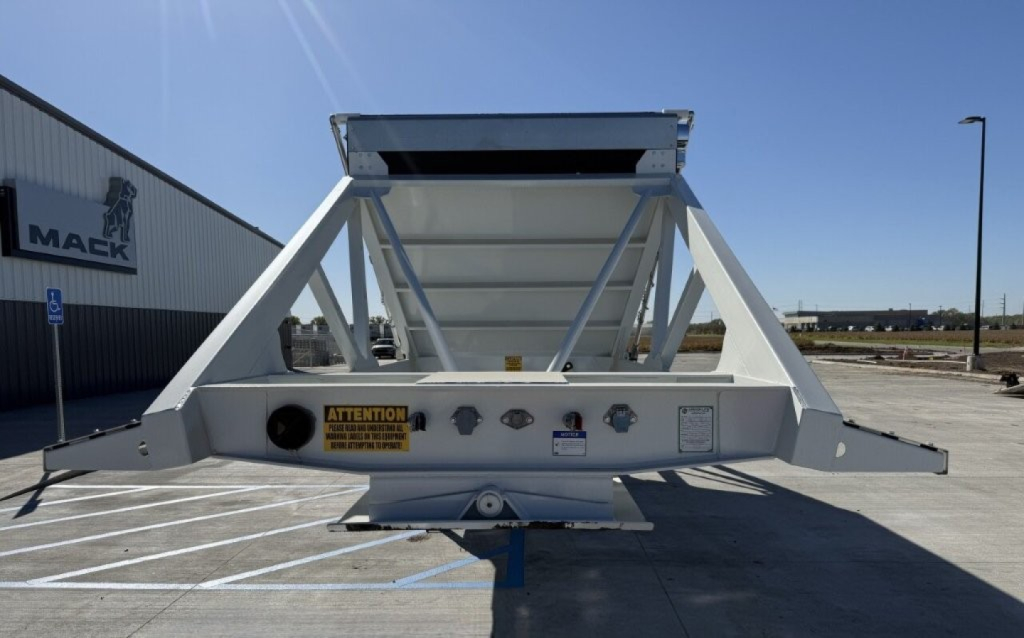
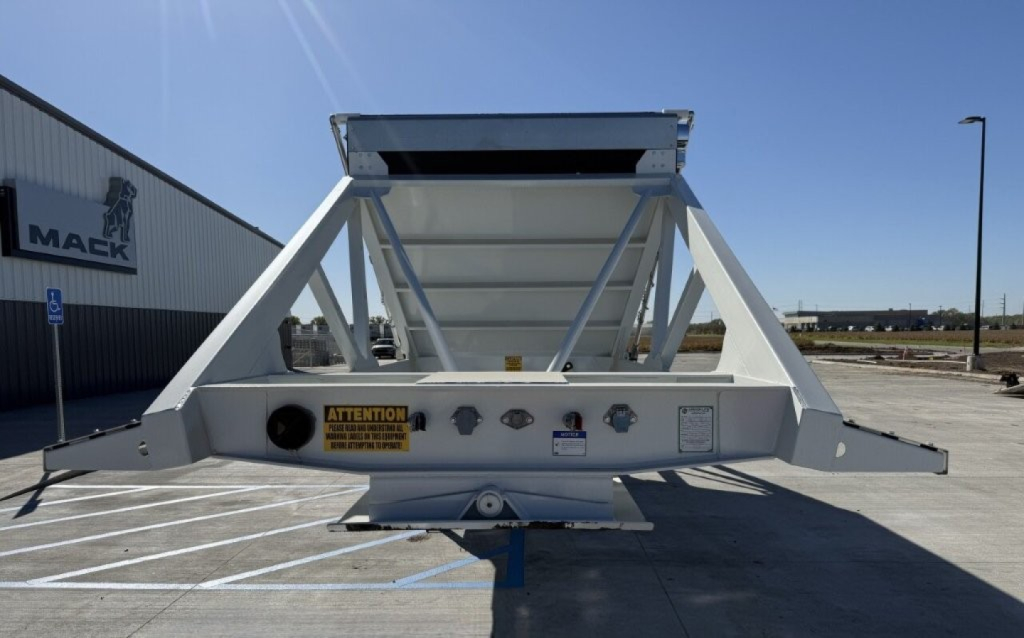
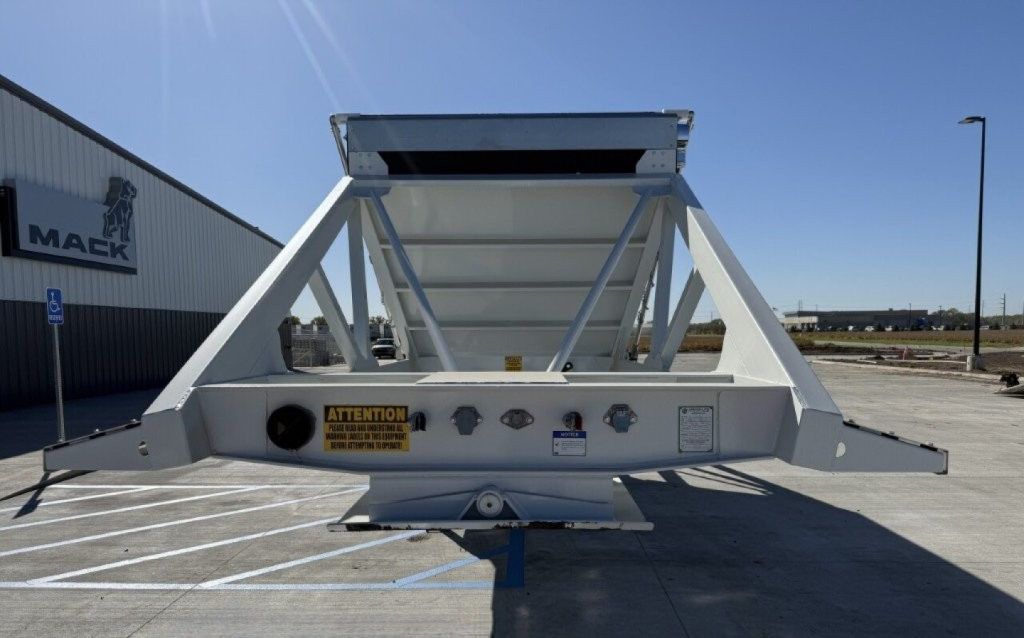
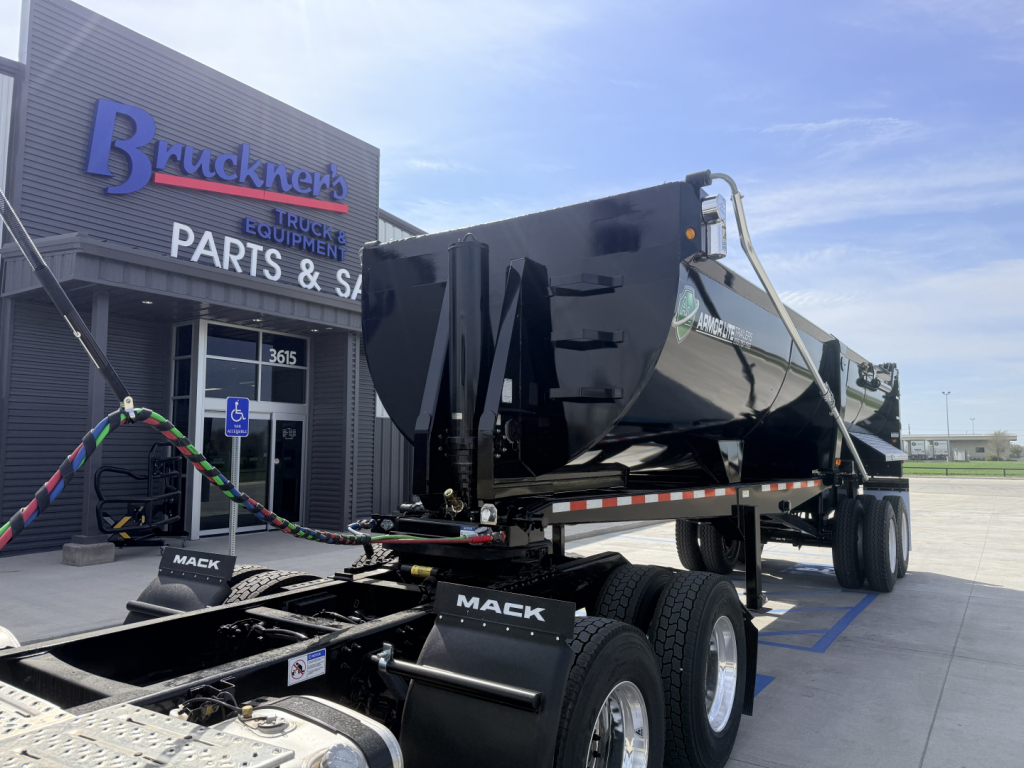
Have 2027 armor lite dump trailer to sell? List it here to reach thousands of buyers.
2027 Armor Lite Dump Trailers in Louisiana
The first decision is usually body style and tub construction. A lightweight skeleton-style dump trailer is geared toward payload efficiency and higher-volume material where every pound of trailer weight matters. A heavier hard-ox or quarter-frame tub is better suited for chunk material, demolition debris, shot rock, and repeated loading with aggressive equipment. Buyers should pay attention to side height, board configuration, top rail design, and gate style. Features such as a self-shedding top rail help reduce carryback, while a high-lift gate improves unloading control and clearance at the rear. Cubic yard capacity only tells part of the story, so material density and legal axle loading should be part of the buying decision.
Suspension and running gear also matter, especially in Louisiana conditions where jobsite access, pavement transitions, and daily haul cycles can be hard on trailers. Spring ride remains a common choice for straightforward serviceability and familiar maintenance, while single-point suspension systems can improve articulation and off-road performance on uneven surfaces. Many units in this class ride on 11R24.5 rubber with steel wheels, and buyers hauling sharp or abrasive material should look closely at chip and chunk resistant tire specs. Front and rear aluminum diamond plate fenders, 6-way gate wiring, and driver-side manual gate controls are practical features that affect uptime more than they affect appearance.
Tarp system choice is another important spec, not an afterthought. Electric flip tarps and Mountain-style Flip and Go systems are common on modern dump trailers because they speed up cycles and help with compliance on covered loads. For regional buyers, it is also smart to consider corrosion exposure, trailer weight laws, and the type of transfer point the trailer sees most often. A dump trailer that spends its life on paved aggregate runs may need a different frame and suspension setup than one backing into soft pits or demolition sites every day. The best 2027 Armor Lite dump trailer is the one matched to material type, loading method, road conditions, and payload goals, not just the highest listed capacity.
Frequently Asked Questions about 2027 Armor Lite Dump Trailers in Louisiana
What is the difference between a lightweight skeleton dump trailer and a quarter-frame hard-ox dump trailer?
A lightweight skeleton dump trailer is designed to reduce tare weight and maximize legal payload, which makes it a strong fit for sand, gravel, dirt, and other materials that do not require extreme abrasion protection. A quarter-frame hard-ox dump trailer adds structural reinforcement and a wear-resistant tub for harsher service, including chunk material, demolition debris, and repeated loading by heavy equipment. The tradeoff is usually higher empty weight in exchange for durability and longer life in severe applications.
What size and capacity should I expect in an Armor Lite dump trailer?
Common configurations in this category include 40-foot lightweight trailers around 23.5 cubic yards and shorter heavy-duty tubs in the 28-foot range. Capacity should be evaluated alongside material density, side height, and legal gross weight limits. A larger cubic yard rating does not always mean a better choice if the material is dense enough to axle out before the body is full. Buyers should match trailer volume to the specific product being hauled and the route they run.
Is spring ride or single-point suspension better on a dump trailer?
Spring ride is a proven option with broad parts availability and straightforward maintenance, which appeals to fleets that prioritize simplicity. Single-point suspension can provide better articulation and traction on uneven jobsites, making it attractive for off-road access and rough surfaces. The better choice depends on how much time the trailer spends on highway runs versus pits, plants, and construction sites. Suspension selection affects ride, tire wear, maintenance patterns, and jobsite performance.
Why do tarp systems and gate controls matter on a dump trailer?
Tarp systems and gate controls directly affect safety, compliance, and cycle time. An electric flip tarp or Flip and Go setup helps the driver cover loads quickly and consistently, which is important for road use and reducing spillage. Gate controls such as 6-way front wiring and manual roadside buttons improve unloading flexibility and let the operator manage different material flow conditions. These features may look secondary on paper, but they can make a meaningful difference in daily productivity.
What specs are most important for hauling abrasive or heavy material?
For abrasive or dense loads, buyers should focus on tub material, frame design, tire specification, suspension type, and gate setup. A hard-ox tub, reinforced frame structure, and chip or chunk resistant tires are all valuable in severe-duty service. It is also important to review top rail design, rear clearance, and how the trailer will be loaded, because loader impact and material hang-up can shorten trailer life. Matching the trailer to the exact material and loading environment usually matters more than choosing the lightest or largest trailer available.