
Used Drop Deck Trailers For Sale in Texas
Browse used drop deck trailers in Texas. Compare step deck specs, axle setups, deck lengths, GVWR, and heavy-haul features.
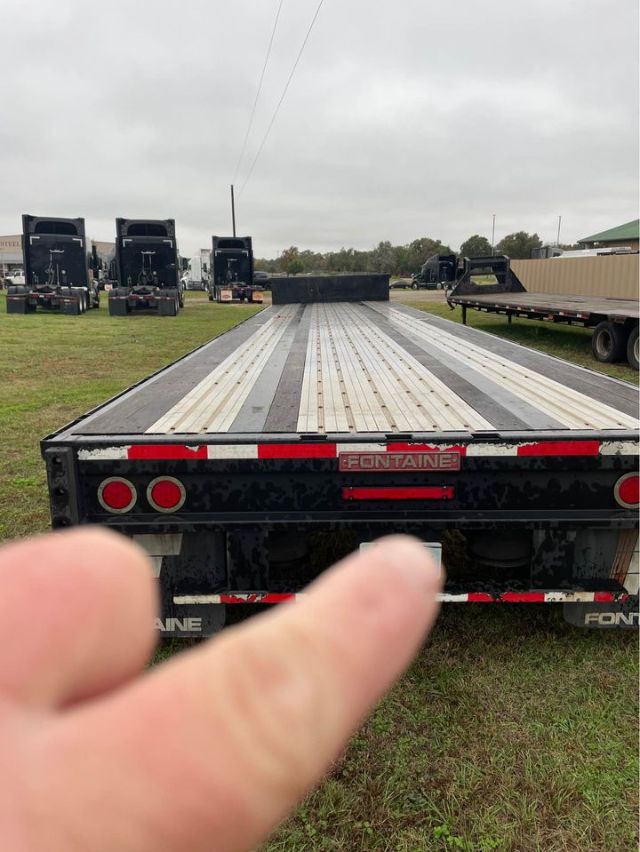
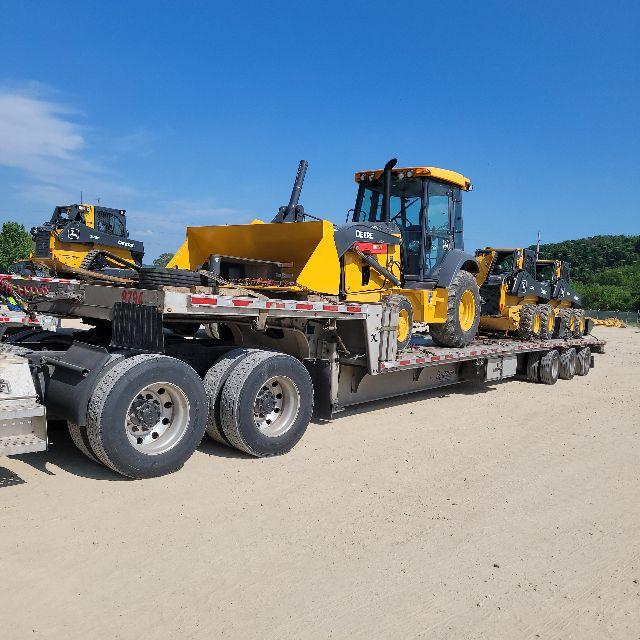
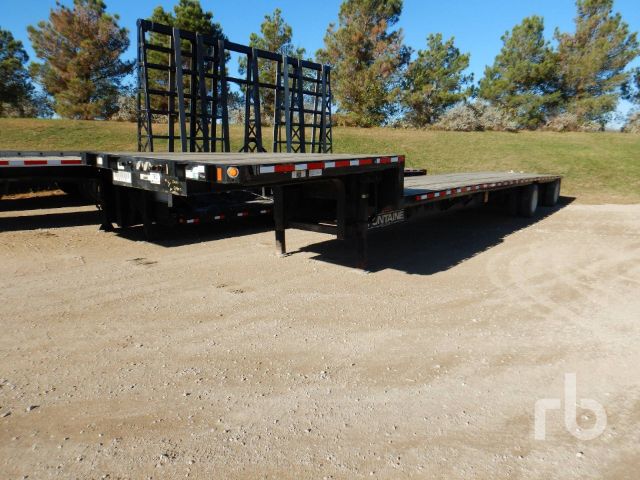
Selling a used drop deck trailer? List your used drop deck trailer for sale and reach thousands of commercial buyers.
Used Drop Deck Trailers in Texas
The first buying decision is usually deck configuration. A typical drop deck is 48 or 53 feet long and 102 inches wide, with an upper deck around 10 to 12 feet and a lower deck around 36 to 43 feet. Buyers should pay close attention to loaded deck height, kingpin setting, rated capacity, and axle spacing because those details affect bridge compliance, turning characteristics, and how easily the trailer matches your tractor and freight mix. Tandem axle units are common for general freight, while tri-axle and lift axle configurations are better suited for concentrated weight, higher GVWR needs, and specialized machinery work.
Spec details make a real difference on a used trailer. Air ride suspension is preferred for many machinery and higher-value loads, while tire inflation systems, axle control, and lift axles can reduce tire wear and improve maneuverability. Look closely at apitong or hardwood decking condition, floor sill construction, side rail strength, winch track layout, sliding winches, chain pulls, and ramp provisions if self-loading equipment is part of your operation. On heavier-spec drop decks, buyers often want to see 17.5 or 22.5 wheel and tire setups, heavy-duty crossmembers, rear ramp brackets, and signs that brakes, bushings, and suspension components have been maintained instead of deferred.
For Texas buyers, regional use often means balancing highway miles with rough jobsite access and frequent oversize or near-legal loads. A good used drop deck should be evaluated for frame straightness, deck wear, tire condition, brake life, air system leaks, and any stress around the neck, suspension hangers, and rear transition. If your freight includes forklifts, skid steers, pipe, bundled steel, or tall palletized freight, a step deck can cover a wide range of lanes without the operating cost and loading limitations of more specialized trailers. The best choice is the one that matches your cargo profile, weight distribution needs, securement style, and permitting expectations in the regions you run most.
Frequently Asked Questions about Used Drop Deck Trailers in Texas
What is the difference between a drop deck trailer and a flatbed trailer?
A drop deck trailer has two deck levels, a shorter upper deck and a lower main deck, which allows taller freight to ride lower than it would on a flatbed. That extra height clearance is the main advantage. A flatbed is simpler and often lighter, but a drop deck is usually the better fit for machinery, taller palletized loads, and equipment that would exceed legal height on a standard flatbed.
What length and axle setup is most common on a used drop deck trailer?
The most common used drop deck trailers are 48-foot or 53-foot models with a 102-inch width. Tandem axles are widely used for general freight and lighter equipment work, while tri-axle and lift axle configurations are common when higher gross weight capacity or concentrated load capability is needed. The right setup depends on your typical freight, state bridge laws, and whether you need added flexibility for heavier hauls.
What should I inspect first on a used step deck trailer?
Start with the frame, neck area, suspension mounts, brakes, tires, and deck condition. Check for cracks, weld repairs, corrosion, uneven tire wear, air leaks, and signs of overloading around the transition from upper deck to lower deck. Also inspect the flooring, winch track, tie-down points, lights, and any ramp hardware or axle lift components. Maintenance history and inspection records can tell you as much as the visual condition.
Is a tri-axle drop deck worth it for Texas hauling?
A tri-axle drop deck can be worth the added weight and complexity if your business handles concentrated heavy equipment, oilfield components, or other loads that push tandem axle capacity limits. It can improve legal payload options and load placement flexibility, especially on routes where bridge and axle weight compliance are critical. For lighter, more routine freight, a tandem axle trailer is often easier to maintain and more cost-effective.
What features matter most for machinery and self-loading equipment?
For machinery hauling, focus on lower deck height, strong flooring, ramp compatibility, suspension type, and securement options. Air ride can help protect sensitive equipment, while heavy-duty decking, chain slots, sliding winches, and robust side rails improve load security. If loading over the rear is common, rear ramp mounts, stable transition angles, and a deck built to handle concentrated wheel loads are especially important.