
Used Drop Deck Trailers For Sale in New York
Browse used drop deck trailers in New York. Compare deck height, axle setup, ramps, GVWR, and load concentration for equipment hauling.
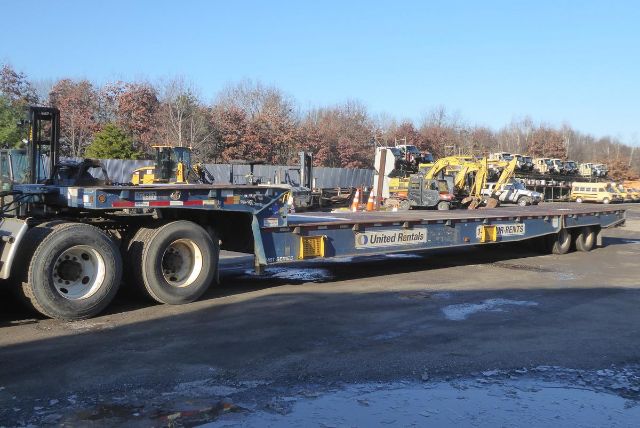
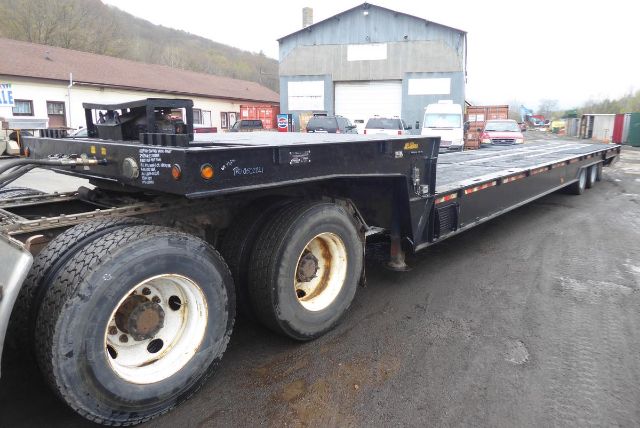
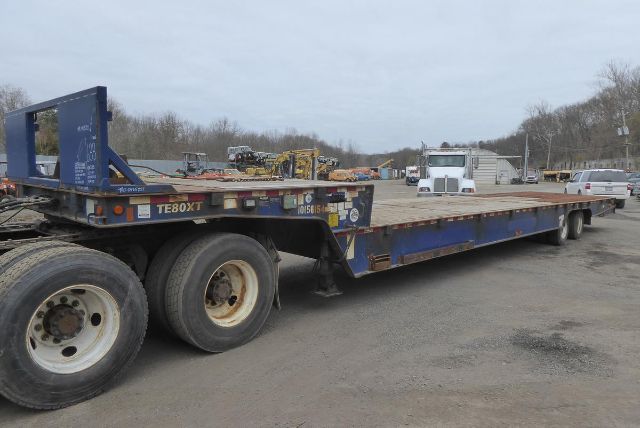
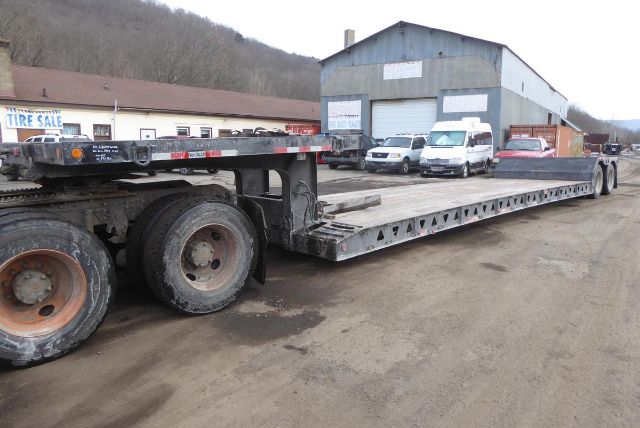
Selling a used drop deck trailer? List your used drop deck trailer for sale and reach thousands of commercial buyers.
Used Drop Deck Trailers in New York
The biggest buying decision is usually application. A standard freight-oriented drop deck for palletized machinery, steel, or general over-dimensional loads is different from a heavy-duty hydraulic ramp trailer set up for moving construction equipment. Some used units have fixed or sliding tandems, air ride suspension, wood-and-steel floors, and concentrated load ratings that matter far more than the headline GVWR. If you are hauling skid steers, lifts, compact excavators, or tractors, pay close attention to hydraulic ramps, fold-under tails, rear deck design, winches, D-rings, and load concentration ratings such as 50,000 pounds in 10 feet. Buyers moving heavier iron should also look at tri-axle layouts, flip axle capability, and frame condition around the neck, suspension mounts, and ramp hinge points.
On a used drop deck trailer, condition matters as much as spec. Floor wear, cracked crossmembers, rust through the frame, hydraulic cylinder seepage, suspension bushing wear, air system leaks, and tire size compatibility all affect cost after purchase. In the Northeast, corrosion is a serious factor, so inspect the main beams, outriggers, landing gear structure, and rear impact area carefully. Tire and wheel package matters too. Many equipment-style drop decks run 17.5-inch rubber to keep deck height down, while others use 22.5-inch tires that can affect loaded height and replacement cost. Sliding tandem models can help with bridge law compliance and axle weight distribution, while fixed tandem trailers are simpler and often lighter.
A good used drop deck trailer should match the freight first, then the route, then the truck. Confirm kingpin setting, loaded bridge dimensions, deck length by section, and how much usable deck remains once ramps or beavertail sections are accounted for. If the trailer will spend time in tighter New York delivery zones, maneuverability and axle placement can matter as much as capacity. Buyers comparing listings should focus on real working dimensions, deck construction, tie-down layout, and any hydraulic features that save loading time. The right drop deck will give you legal height flexibility, better loading angles than many flatbeds, and more practical versatility for mixed freight or equipment hauling.
Frequently Asked Questions about Used Drop Deck Trailers in New York
What is the difference between a drop deck trailer and a flatbed trailer?
A drop deck trailer has two deck levels, a higher front deck and a lower main deck, which allows taller freight to move legally than it could on a standard flatbed. That lower deck is the main advantage. It gives more loaded height clearance without moving into a lowboy configuration. For machinery, crated equipment, and taller construction materials, a drop deck is often the better fit when a flatbed would put the load over height.
What should I check first on a used drop deck trailer?
Start with frame condition, deck height, usable deck length, axle configuration, and ramp condition if the trailer is set up for equipment hauling. On used units, inspect for rust through, cracked welds, bent crossmembers, floor damage, hydraulic leaks, suspension wear, and tire mismatch. Also confirm load concentration ratings and tie-down equipment. A trailer can look serviceable but still be the wrong fit if the usable main deck, ramp angle, or tandem setup does not match the freight.
Are sliding tandems important on a used drop deck trailer?
Sliding tandems can be very important if you need flexibility for axle weight distribution, bridge law compliance, or varying load positions. They help when hauling different machines or freight with changing center-of-gravity locations. Fixed tandems are simpler and can reduce maintenance points, but they give up some versatility. In states and metro areas where axle placement and bridge spacing matter, a sliding tandem drop deck can be easier to keep legal.
What deck height is typical for a used drop deck trailer?
Many used drop deck trailers have a main deck height roughly in the 34-inch to 40-inch range, with top deck height commonly in the mid-50-inch range. Exact height depends on tire size, suspension, frame design, and whether the trailer is built more for general freight or equipment transport. Lower deck height is usually better for legal loaded height, but it should be balanced against ground clearance, loading angle, and the type of cargo being hauled.
Can a used drop deck trailer handle construction equipment?
Many can, but not every drop deck is built for that job. Equipment hauling usually calls for stronger load concentration ratings, hydraulic ramps or fold-under tails, reinforced deck sections, and adequate tie-down points. A general-purpose step deck may carry lighter equipment, but repeated loading of heavier machines can stress a trailer that was not designed for concentrated axle loads. Check the manufacturer rating, ramp structure, deck layout, and frame reinforcement before using a used drop deck for regular equipment moves.