
Trail-Eze Drop Deck Trailers For Sale
Shop Trail-Eze drop deck trailers built for heavy equipment, taller freight, and stable loading with lower deck height and ramp options.
Selling a trail-eze drop deck trailer? List your trail-eze drop deck trailer for sale and reach thousands of commercial buyers.
Trail-Eze Drop Deck Trailers
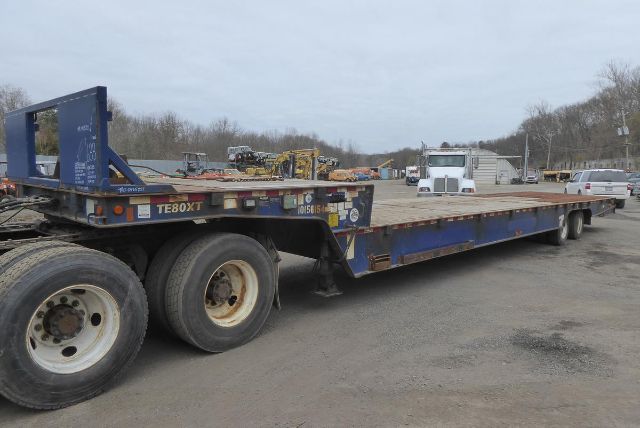
A buyer comparing Trail-Eze drop deck trailers should pay close attention to deck length, loaded deck height, rear frame design, and axle configuration. Common decision points include fixed versus detachable ramp setups, air ride versus spring ride, and whether the trailer is spec'd more for equipment loading or mixed freight use. Apitong wood flooring, traction aids, D-rings, chain slots, stake pockets, and rub rails all matter if the trailer will regularly handle tracked or wheeled machines. Tire size, suspension type, brake package, and kingpin setting also affect maneuverability, ride quality, and how well the trailer matches a particular tractor and route profile.
Trail-Eze is well known in the equipment-hauling segment, so many buyers focus on structural condition and past application as much as basic capacity. Look closely at the neck area, main beam condition, ramp pivots, crossmember integrity, and signs of concentrated loading from steel-tracked machines. A lower deck is useful, but it also means ramp angle, rear approach, and deck transition matter when loading low-clearance equipment. If the trailer will see frequent jobsite use, features such as heavy-duty landing gear, toolbox space, winch track, and reinforced securement points can make a real difference in day-to-day productivity.
For many operations, the value of a Trail-Eze drop deck trailer is its balance between legal-height flexibility and equipment-ready construction. It can serve as a dedicated machinery trailer or a versatile platform for regional freight that needs more clearance than a flatbed can offer. Buyers should match gross vehicle weight rating, concentrated load capability, and deck layout to the cargo they actually move most often, because the right spec will improve loading speed, securement options, and long-term durability.
Frequently Asked Questions about Trail-Eze Drop Deck Trailers
What is a Trail-Eze drop deck trailer best used for?
A Trail-Eze drop deck trailer is best suited for hauling equipment and taller freight that needs a lower deck height than a standard flatbed provides. Common applications include skid steers, mini excavators, telehandlers, small dozers, attachments, crated machinery, and palletized loads that would be too tall on a conventional flatbed. The lower deck helps keep freight under legal height while improving stability during transport.
What should I inspect first on a used Trail-Eze drop deck trailer?
Start with the main frame, neck structure, crossmembers, deck condition, and suspension. On equipment-hauling trailers, pay close attention to ramp assemblies, hinge points, rear frame wear, and any stress around D-rings or chain tie-down areas. Uneven tire wear, brake condition, air system leaks, and signs of repeated overloading can tell you a lot about how the trailer was used and maintained.
How is a drop deck trailer different from a flatbed trailer?
A drop deck trailer has two deck levels, an upper deck over the tractor clearance area and a lower main deck behind it. That lower deck position allows taller cargo to ride lower than it would on a flatbed, which helps with legal height compliance and load stability. A flatbed has a single deck height, so it is often simpler for general freight but less flexible for taller equipment or machinery.
What specs matter most when choosing a Trail-Eze drop deck trailer?
The most important specs are overall length, lower deck length, loaded deck height, axle rating, gross vehicle weight rating, suspension type, and ramp configuration. Buyers should also look at flooring material, tie-down layout, rear loading angle, and the trailer’s concentrated load capability. These details determine how well the trailer handles specific machine weights, wheelbases, ground clearance, and securement needs.
Can a Trail-Eze drop deck trailer handle both equipment and general freight?
Many can, but the best fit depends on how the trailer is spec'd. A trailer built with ramps, heavy-duty tie-down points, and reinforced flooring is ideal for equipment, while units with cleaner deck layouts and freight-friendly securement options can serve mixed-use operations well. Buyers moving both machinery and palletized freight should look for a balanced setup that supports safe loading, legal height, and efficient securement across different load types.