
New Drop Deck Trailers For Sale
Shop new drop deck trailers built for taller freight, with lower deck height, air ride, spread or tandem axles, and heavy-duty tie-down options.
Learn moreBrowse Drop Deck Trailers by Make
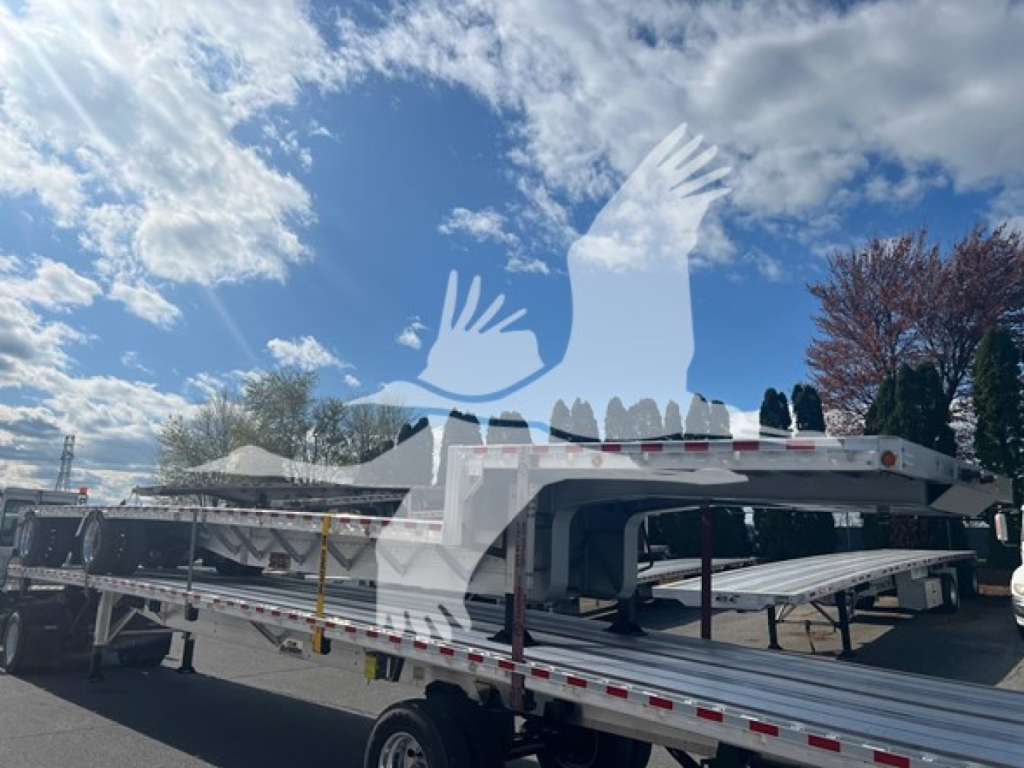
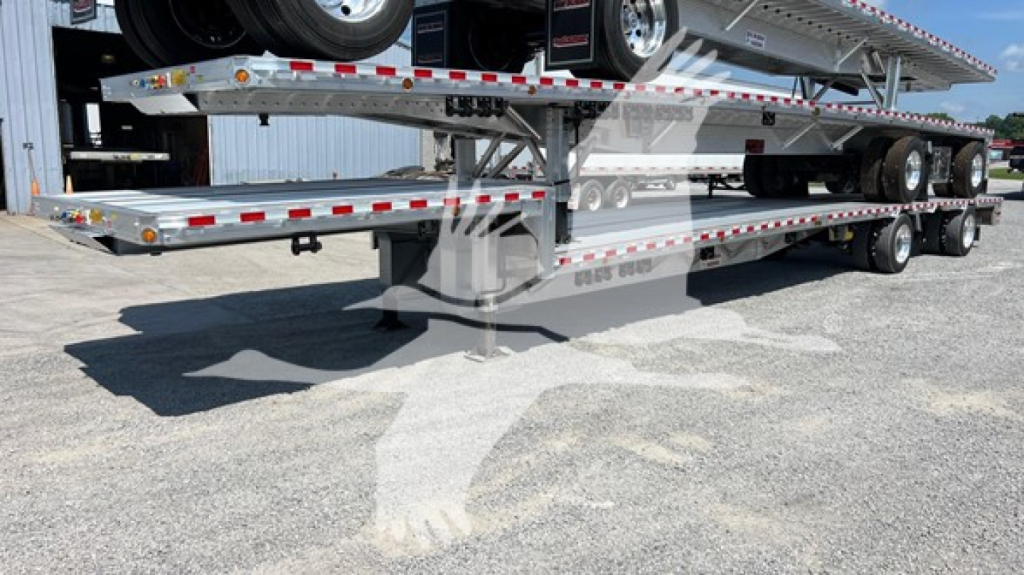
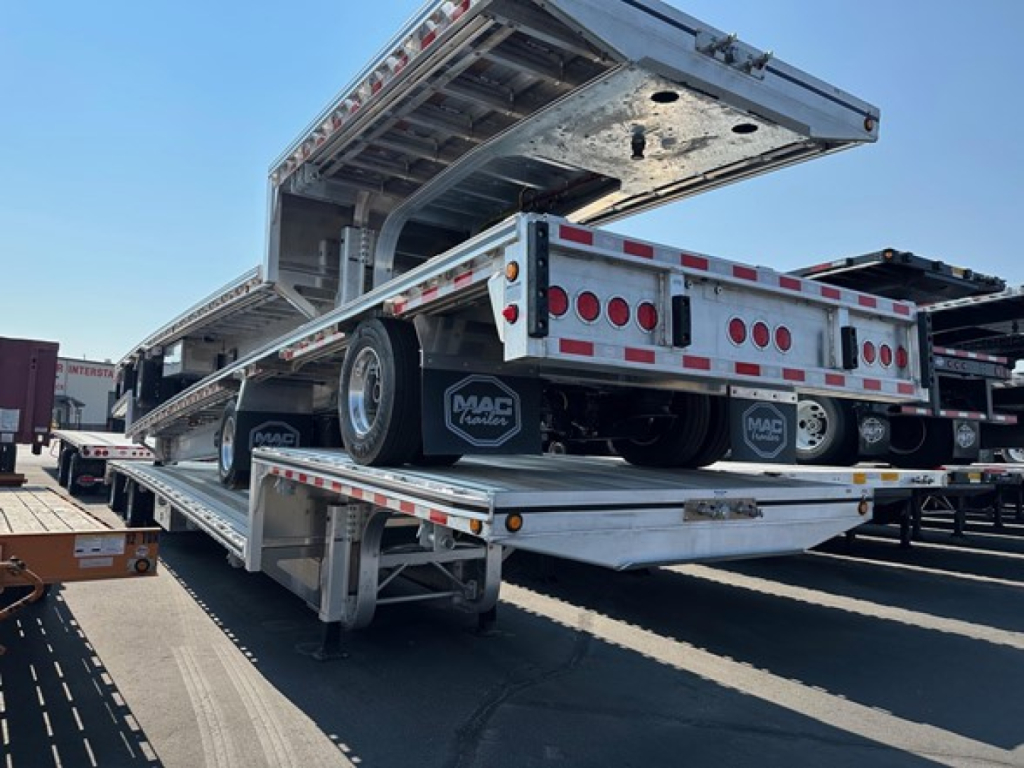
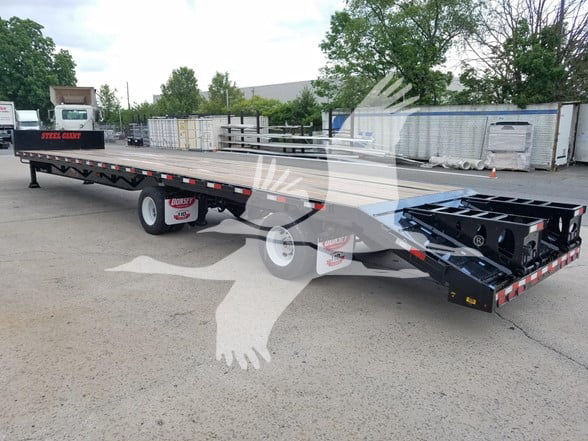
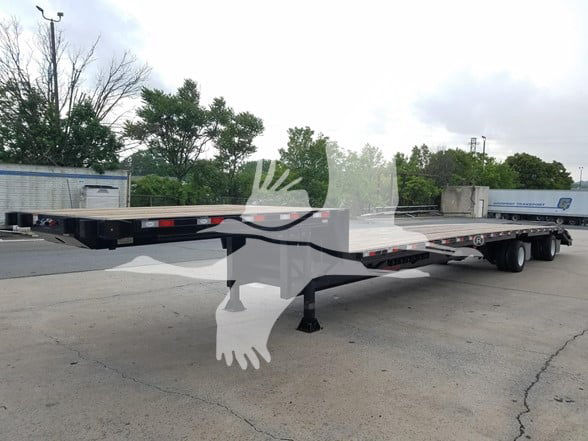
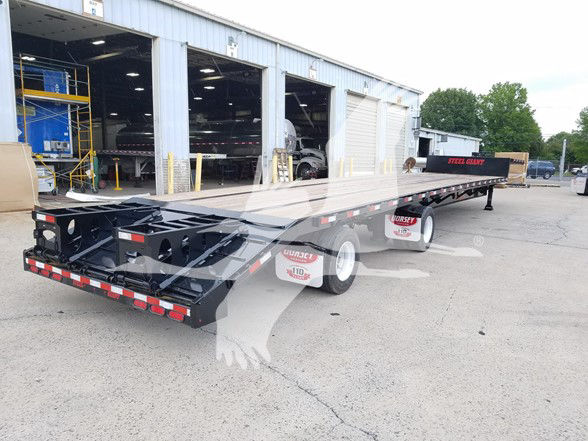
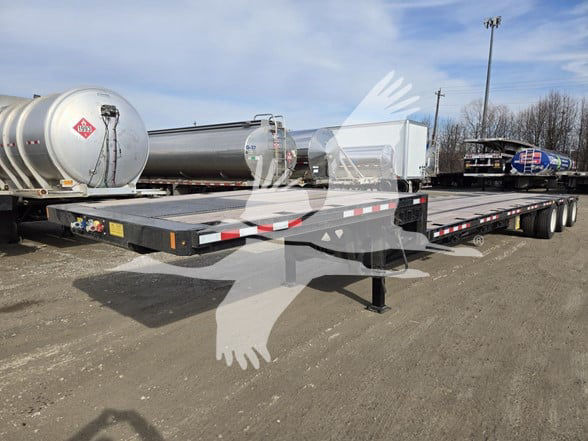
Showing 49 to 60 of 75 results
Have new drop deck trailer to sell? List it here to reach thousands of buyers.
About New Drop Deck Trailers
Frequently Asked Questions
What is the main advantage of a drop deck trailer compared to a flatbed?
A drop deck trailer gives you more legal loading height because the main deck sits lower than a standard flatbed deck. That extra vertical clearance is the reason many carriers choose a drop deck for taller freight such as forklifts, construction equipment, machinery, and stacked materials. You keep the open-deck loading flexibility of a flatbed while gaining room that can help avoid overheight permits on common loads.
What specs matter most when buying a new drop deck trailer?
The most important specs are lower deck length, loaded deck height, axle configuration, frame material, and tie-down setup. Buyers should also compare kingpin setting, crossmember spacing, floor type, suspension brand, and whether the trailer has a spread axle or closed tandem. Features like sliding winches, winch track, chain tie-downs, pipe spools, coil package reinforcements, dump valves, and landing gear brand all affect how well the trailer fits your freight mix and maintenance preferences.
Should I choose an aluminum or steel drop deck trailer?
Aluminum drop deck trailers generally weigh less, which can improve payload and fuel efficiency, while steel drop deck trailers are often chosen for durability, lower acquisition cost, and demanding service environments. The right choice depends on your lanes and commodity mix. If payload is a constant priority, aluminum can make sense. If the trailer will see harsh jobsite use, concentrated loads, or frequent contact with chains and equipment, many fleets still prefer steel or a hybrid design.
Is a spread axle or closed tandem better on a drop deck trailer?
A spread axle drop deck can help with bridge law distribution and can improve load placement flexibility, especially on longer trailers carrying mixed freight. A closed tandem is often simpler to maneuver in tight yards and can be easier in certain regional operations. The better setup depends on your state routes, axle weight strategy, tire wear expectations, and loading patterns. Buyers running dense freight across multiple states often compare both carefully before standardizing a spec.
What tie-down and deck features are common on new drop deck trailers?
Most new drop deck trailers are equipped with stake pockets, sliding winches, winch track, and wood or aluminum flooring. Apitong decking remains common because it handles repeated securement well and stands up to deck use from machinery and pallet freight. Many trailers also include chain tie-downs, double pipe spools, nailing strips, and coil package reinforcement. These details matter because they directly affect how quickly the trailer can be loaded, secured, and turned for different commodities.