
New Utility Drop Deck Trailers For Sale
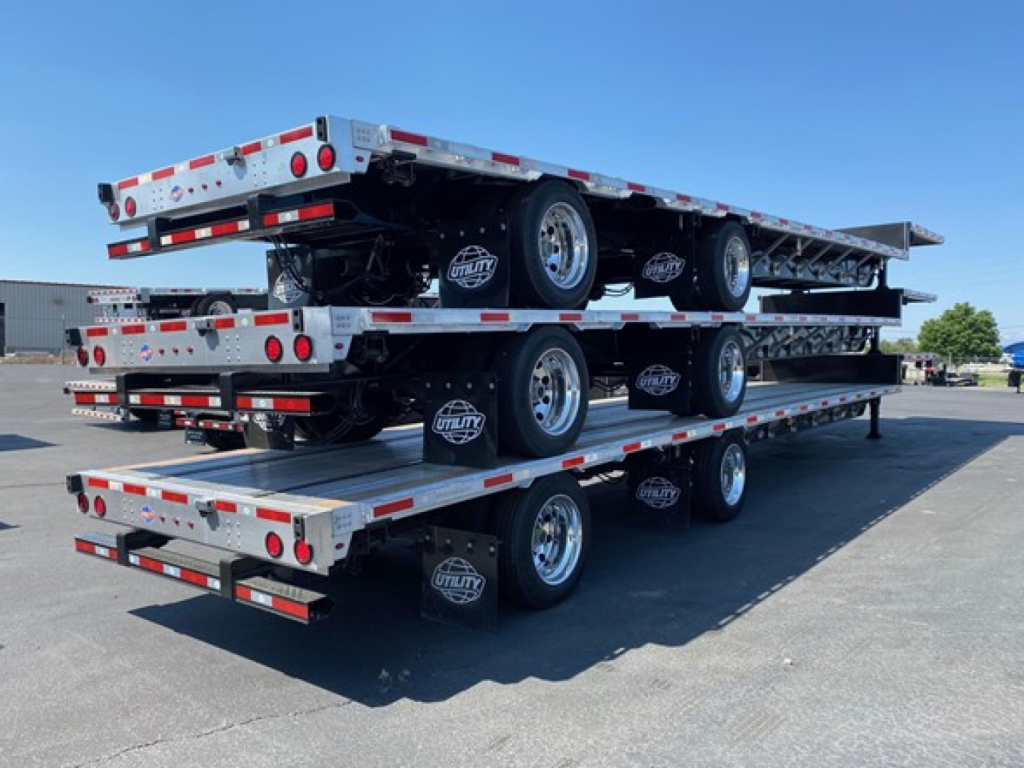
Shop new Utility drop deck trailers, including California-legal combo models built for versatile freight, lower deck height, and payload efficiency.
Learn more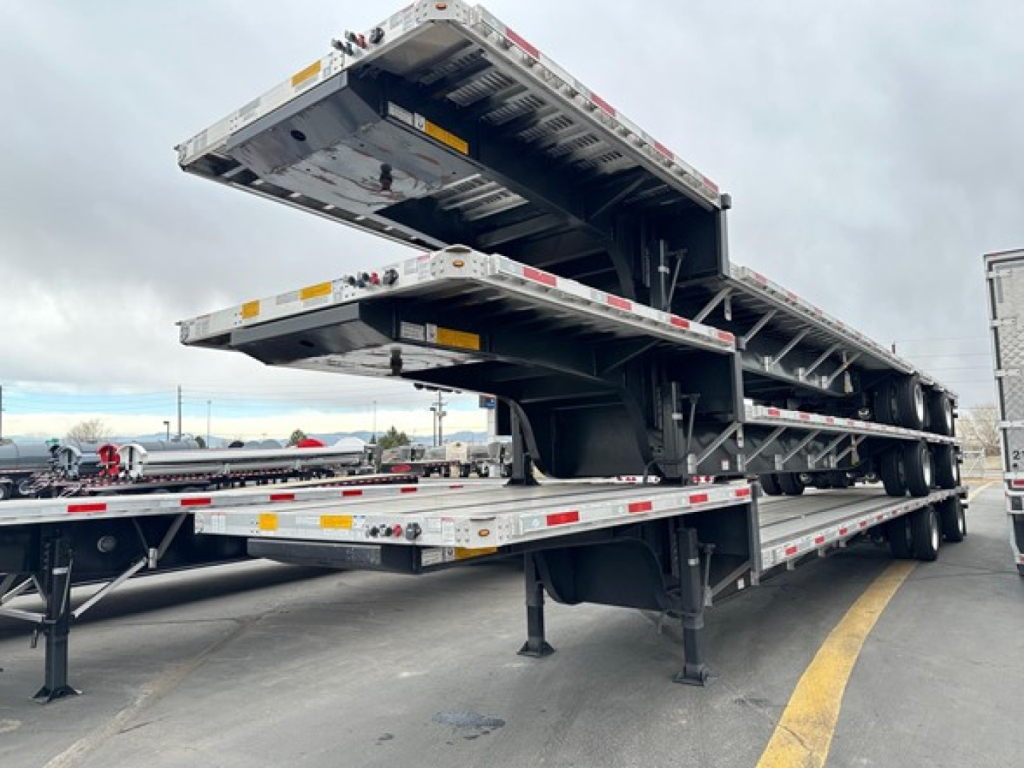
Have new utility drop deck trailer to sell? List it here to reach thousands of buyers.
About New Utility Drop Deck Trailers
One of the first decisions buyers focus on is trailer construction. Utility combo drop deck trailers commonly pair steel main beams with aluminum crossmembers and side rails, a configuration that balances durability with tare weight control. That matters if you are trying to maximize legal payload while still handling concentrated loads, forklifts, and daily securement wear. Common specs in this category include 53-foot overall length, 102-inch width, tandem axles, air ride suspension, and rear slider axle configurations. California-legal setups are especially important for operations running the West Coast, where bridge law compliance and axle spacing can affect what freight you can legally scale.
Deck equipment and securement layout have a direct impact on day-to-day usability. Many Utility drop decks are ordered with stake pockets, sliding winches, pipe spools, nail strips, and coil packages so they can handle a wider range of freight without modification. Buyers moving steel, palletized materials, fabricated components, or mixed industrial freight should pay close attention to main deck and lower deck dimensions, loaded deck height, crossmember spacing, and the availability of securement points across both deck sections. Tire size, wheel spec, and slider design also matter because they affect maintenance costs, ride quality, and how easily the trailer can be adapted to changing load distributions.
For buyers comparing new Utility drop deck trailers, the real question is how the trailer fits the freight mix and operating region. A lighter combo trailer can improve revenue on payload-sensitive lanes, while a more heavily spec'd unit may be the better choice for dense commodities and rougher loading conditions. Utility has a strong reputation in general freight applications, and their drop deck designs are typically aimed at fleets and owner-operators who want a practical, durable step deck with broad resale appeal. If the work involves legal-height challenges, multi-stop flatbed freight, or customers that expect versatile securement options, a new Utility drop deck trailer is a proven category to evaluate closely.
Frequently Asked Questions
What is the advantage of a Utility drop deck trailer compared with a standard flatbed?
A Utility drop deck trailer provides a lower rear deck height, which allows taller freight to move while staying within legal overall height limits. That makes it a strong choice for equipment, building products, and industrial freight that may be too tall for a standard flatbed. It still keeps much of the loading flexibility that flatbed operators want, including open sides, forklift access, and multiple securement options.
What does a California-legal Utility combo drop deck mean?
A California-legal Utility combo drop deck is spec'd to meet California length and axle-spacing requirements, which are stricter than in many other states. This usually involves a 53-foot configuration with a slider arrangement and axle placement designed to satisfy bridge law and state compliance rules. For carriers running California regularly, that spec can make the difference between legal flexibility and constant load restrictions.
Why do buyers choose a combo construction on a drop deck trailer?
Combo construction typically uses steel main beams with aluminum components such as crossmembers and side rails. The goal is to keep the trailer strong in the high-stress structural areas while reducing tare weight where possible. That balance can improve payload capacity, fuel economy, and resale value without giving up the durability needed for daily flatbed and step deck work.
What securement features should I look for on a new Utility drop deck trailer?
The best securement package depends on the freight, but common high-value features include stake pockets, sliding winches, nail strips, pipe spools, and a coil package. These features make the trailer more adaptable across different load types and reduce the need for workarounds in the field. Buyers should also look at securement point spacing and deck layout to make sure straps, chains, and edge protection can be used efficiently on both deck sections.
What freight is a new Utility drop deck trailer best suited for?
This category is commonly used for machinery, steel products, palletized building materials, pipe, crated freight, and other loads that benefit from a lower deck height. It is a practical fit for carriers handling general open-deck freight where load height changes from trip to trip. A Utility drop deck is especially useful when the freight mix includes taller commodities but does not require the specialized ground clearance and loading angle of a lowboy.