
Utility Drop Deck Trailers For Sale
Shop Utility drop deck trailers built for legal deck height, versatile securement, and lightweight payload performance on 53-foot freight.
Learn more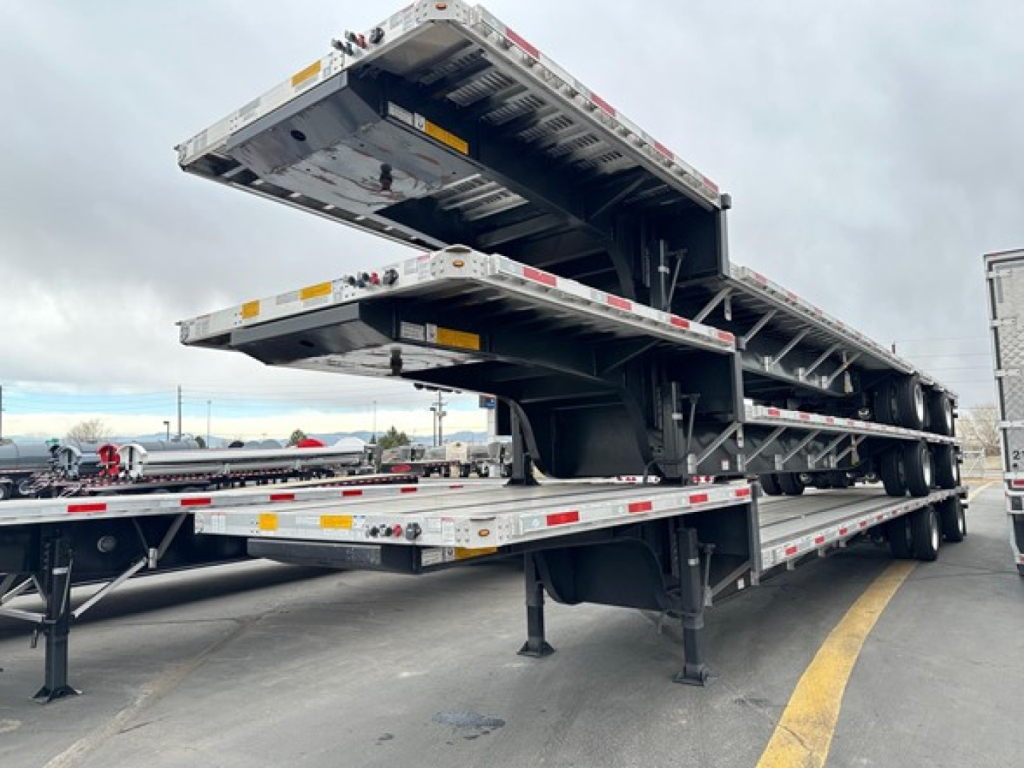

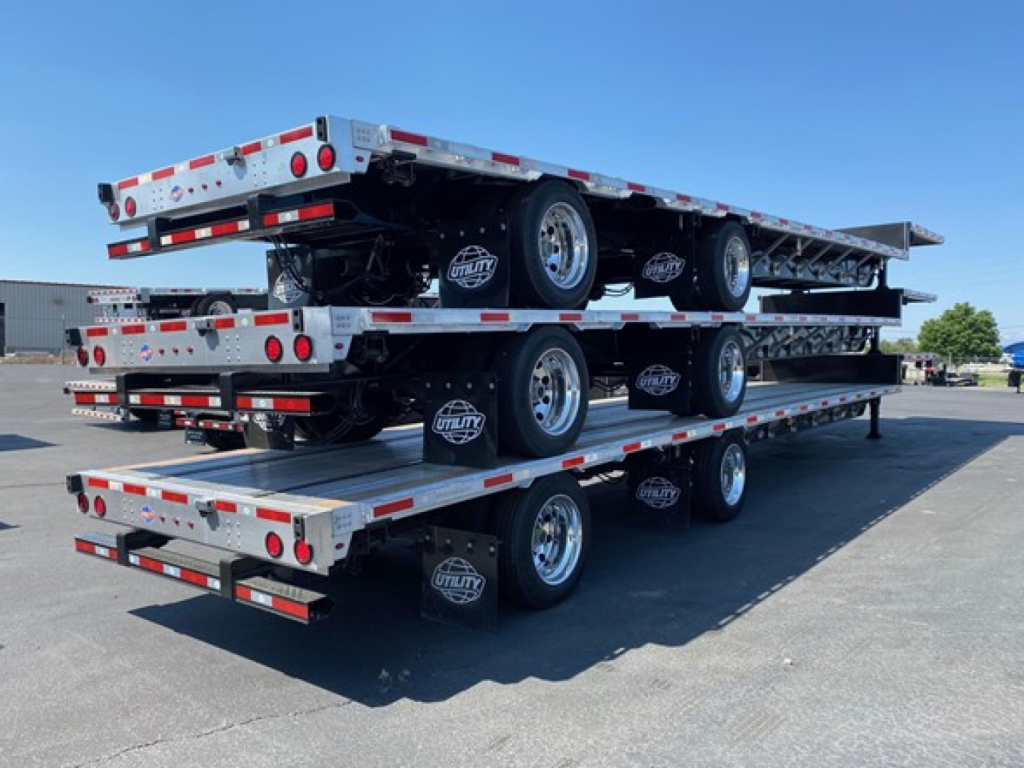
Have utility drop deck trailer to sell? List it here to reach thousands of buyers.
About Utility Drop Deck Trailers
A buyer comparing Utility drop deck trailers should look closely at axle layout and bridge compliance first. Many 53-foot Utility drop decks are spec'd with tandem air ride and either a rear slide axle or a spread configuration. A California legal setup matters if the trailer will run western lanes with strict kingpin-to-rear-axle requirements. Sliding suspension and air pin sliders give more flexibility for bridge law, dock positioning, and load balance. Tire size, commonly 255/70R22.5 low-pro rubber, also affects loaded deck height and overall stance.
Securement package is where one Utility drop deck can differ sharply from another. Common specs include sliding winches, stake pockets, pipe spools, side rails, and nail strips in the aluminum floor. A coil package is especially important for steel haulers because it adds the securement provisions needed for concentrated coil loads. On general freight, buyers should pay attention to deck condition, crossmember spacing, floor wear, and how the securement points line up with the freight they haul most often. Outside aluminum wheels with inside steel wheels are a frequent compromise between appearance, corrosion resistance, and replacement cost.
Utility step deck trailers are best evaluated by the kind of freight they will carry every week, not just by model year. Deck length, loaded deck height, suspension type, axle spread, and frame composition all affect payload flexibility and lane legality. For fleets that need a lightweight 53-foot open-deck trailer with familiar parts support and broad freight compatibility, Utility drop decks remain a practical spec for regional and over-the-road work.
Frequently Asked Questions
What is the main advantage of a Utility drop deck trailer compared with a flatbed?
A Utility drop deck trailer gives you lower deck height than a standard flatbed, which allows taller freight to stay legal without permits in many situations. That makes it useful for equipment, crated machinery, and building materials that would exceed legal height on a flatbed. You still keep the versatility of an open-deck trailer with accessible securement points and full-length freight capability.
What does California legal mean on a Utility drop deck trailer?
California legal usually refers to a trailer specification that meets strict axle spacing and kingpin setting requirements used in California and some western operations. On a 53-foot drop deck, this often includes a sliding rear axle arrangement designed to keep the trailer bridge-compliant while still offering full trailer length. If your freight regularly moves into California, this spec can prevent routing and loading limitations that affect standard 53-foot trailers.
Why is combo construction popular on Utility step deck trailers?
Combo construction uses steel where strength matters most and aluminum where weight savings matter most. On many Utility drop deck trailers, that means steel main beams combined with aluminum crossmembers, side rails, and flooring. The result is a trailer that balances durability with lower tare weight, which can improve legal payload and fuel efficiency while still standing up to demanding open-deck work.
What features should I look for on a Utility drop deck used for steel or machinery hauling?
For steel hauling, a coil package, sliding winches, stake pockets, pipe spools, and solid floor condition are high-priority items. For machinery or mixed freight, you should also look at deck height, axle configuration, air ride suspension, and the condition of the lower deck and transition area. Buyers should match the securement package to the freight mix because the right winch track, pockets, and floor layout can make loading faster and safer.
Is a sliding axle or fixed spread axle better on a Utility drop deck trailer?
It depends on where and how the trailer runs. A sliding axle setup gives more flexibility for bridge law compliance, kingpin adjustment, and weight distribution across different loads. A fixed spread axle can offer stable load support and may be preferred in applications where the freight profile is consistent. The best choice comes down to your operating states, load weights, and how often you need to reposition the suspension for legal scaling.