
New Wabash Drop Deck Trailers For Sale
Shop new Wabash drop deck trailers built for versatile freight, strong payloads, secure tie-downs, and efficient loading of taller cargo.
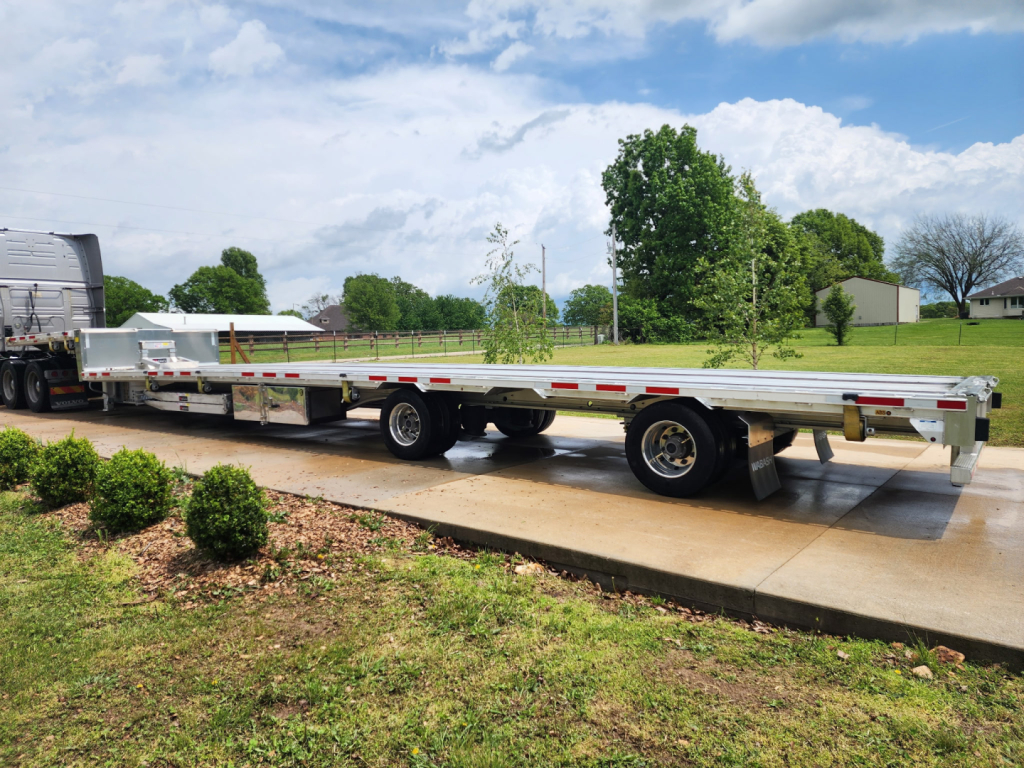
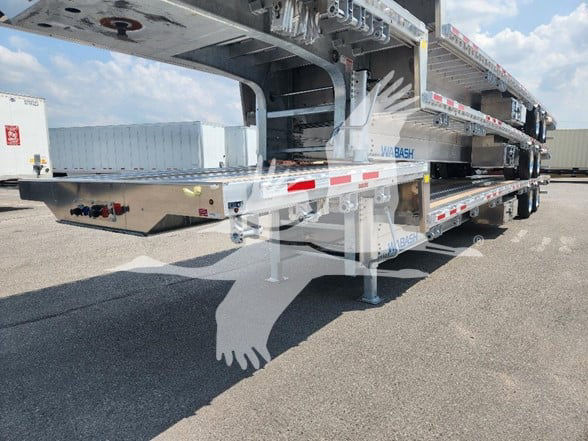
Selling a new wabash drop deck trailer? List your new wabash drop deck trailer for sale and reach thousands of commercial buyers.
New Wabash Drop Deck Trailers
A buyer comparing Wabash drop decks should pay close attention to deck dimensions, axle configuration, suspension, and floor construction. In this category, 53-foot trailers are common, often with an upper deck around 10 to 11 feet and a lower deck around 42 to 43 feet. Spread axle setups are popular because they help distribute weight and support stronger bridge compliance, while air ride suspension is preferred for freight that benefits from a smoother ride. Features like rear axle slides, axle dump systems, and California-legal spread configurations can matter a lot depending on your lanes and state weight rules. Tire size, wheel material, and GVWR should also be reviewed closely if the trailer will spend time in heavy regional or specialized service.
Wabash is well known for lightweight trailer construction, and that matters in a drop deck because every pound saved in tare weight can improve payload capacity. Aluminum frames, aluminum floors, and corrosion-resistant packages such as galvanized steel components are common spec decisions for fleets trying to balance durability with weight savings. Securement equipment is another major buying point. Sliding winches, multi-position tie-downs, toolboxes, and scuff-resistant flooring all affect day-to-day usability. Buyers hauling equipment or mixed freight may also want ramp packages, load levelers, and ramp stands so the trailer can transition from open deck freight to self-loading machinery work.
The right new Wabash drop deck trailer depends on the freight profile more than the brand badge alone. If the trailer will handle dense building products, deck rating and floor design deserve extra scrutiny. If it will haul equipment, ramp angle, lower deck height, and tie-down placement are more important. If it will run longer interstate lanes, tire inflation systems, aluminum wheels, lighting package, and corrosion protection can reduce downtime and operating cost over time. A well-spec'd step deck should match the freight, the route, and the legal environment just as much as it matches the tractor pulling it.
Frequently Asked Questions about New Wabash Drop Deck Trailers
What is the difference between a drop deck trailer and a flatbed trailer?
A drop deck trailer, also called a step deck trailer, has two deck heights instead of one continuous flat deck. The upper deck sits over the tractor drives, and the lower deck drops down behind it to provide more vertical clearance for taller freight. That lower deck is the main advantage because it allows many loads to move legally without permits that might be required on a standard flatbed.
What freight is a Wabash drop deck trailer commonly used for?
Wabash drop deck trailers are commonly used for machinery, construction materials, crated industrial equipment, forklifts, palletized freight, and other loads that benefit from lower deck height. They are especially useful when a shipper needs open-deck flexibility but the cargo is too tall for a flatbed under normal legal height limits. With the right ramps and securement package, they can also serve equipment haulers handling self-loading machines.
Why do many buyers prefer a spread axle drop deck?
A spread axle drop deck can improve weight distribution and help with bridge law compliance on many loads. It can also provide better stability for certain freight profiles compared with a closed tandem setup. The tradeoff is that spread axle trailers can be less maneuverable in tight yards and may face specific state regulations, so buyers should match the axle configuration to their lanes and operating conditions.
What options matter most on a new drop deck trailer?
The most important options depend on the intended freight, but buyers usually focus first on deck length, lower deck height, GVWR, suspension type, and axle setup. After that, securement and loading features become critical, including sliding winches, chain tie-downs, multi-position tie-downs, ramp kits, toolboxes, tire inflation systems, and flooring designed for traction and wear resistance. Corrosion protection and lighting spec also matter for fleets planning to keep the trailer for years.
Are aluminum drop deck trailers a good choice for payload?
Yes. Aluminum drop deck trailers are often chosen because they reduce tare weight and help maximize legal payload. That can make a meaningful difference for fleets hauling freight where every extra pound of capacity matters. Buyers should still compare frame design, floor rating, and intended duty cycle, because the lightest trailer is not always the best fit for severe-service applications.