
Drop Deck Trailers For Sale in Illinois
Compare drop deck trailers for sale in Illinois, including 48 ft and 53 ft step deck specs, axle setups, deck materials, and hauling uses.
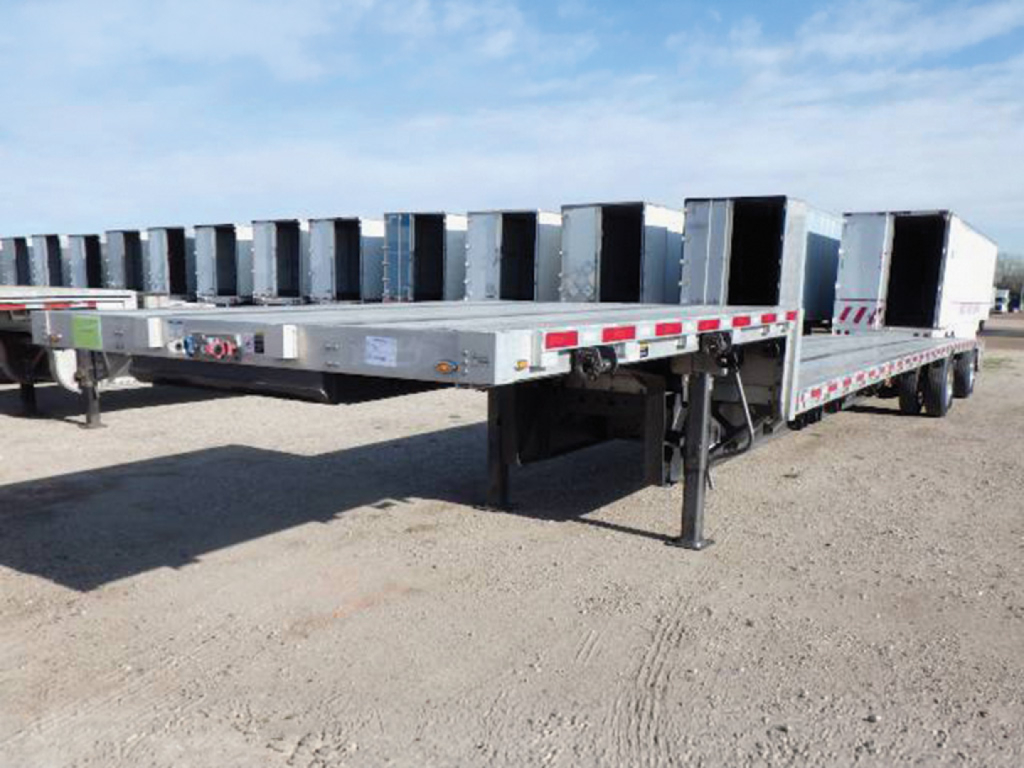
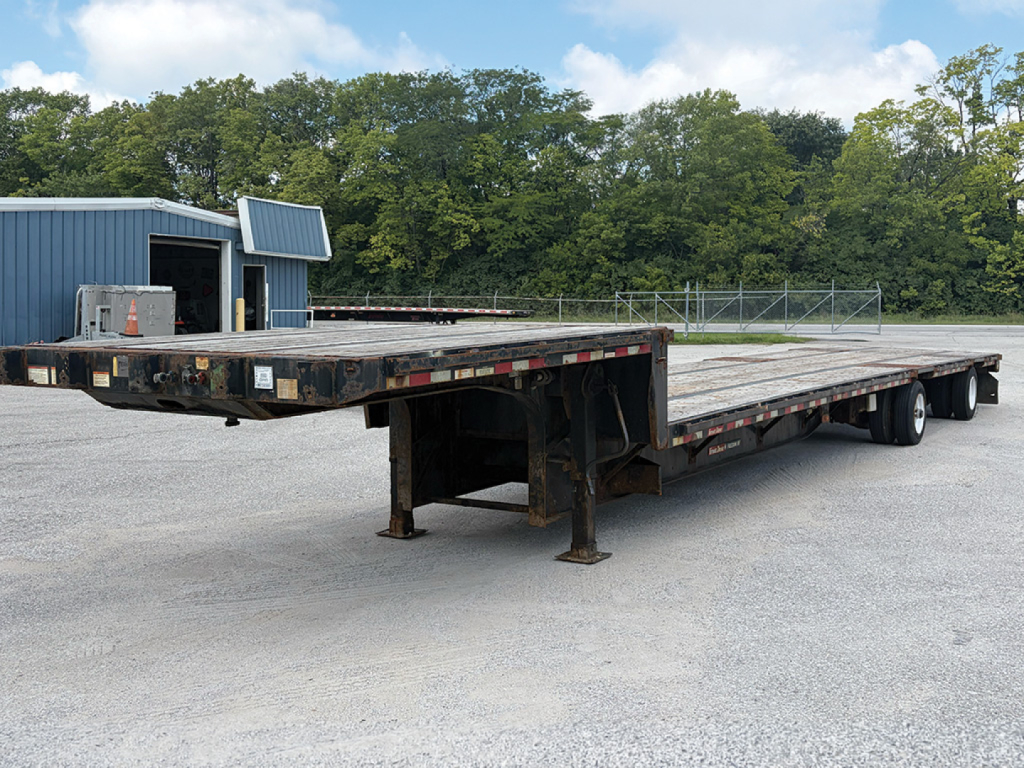
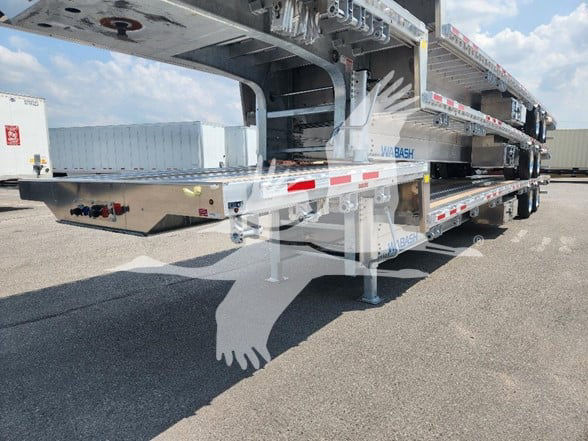
Have drop deck trailer to sell? List it here to reach thousands of buyers.
Drop Deck Trailers in Illinois
The first buying decision is usually deck length and axle configuration. Common sizes are 48-foot and 53-foot, typically in 102-inch width, with tandem, spread axle, or sliding spread setups. A 48-foot step deck can be easier to place on mixed freight and jobsite-related work, while a 53-foot drop deck adds capacity for longer machinery, bundled materials, and higher-volume partials. Spread and sliding spread axles can help with bridge law compliance and weight distribution, while air ride suspension is often preferred for machinery, delicate fabricated loads, and shippers that want better ride quality. Buyers should also pay close attention to loaded deck height, upper deck length, rear frame design, and kingpin setting if the trailer will be matched to specific tractors or run in states with stricter axle and overall length considerations.
Construction and securement features matter as much as dimensions. Steel step decks are typically chosen for durability and hard-use fleets, while aluminum and combination aluminum-steel trailers are favored when payload is the priority. Common spec points include aluminum floors or hardwood floors, galvanized components, winch tracks, sliding winches, chain spools, J-hooks, multiple tie-down positions, toolboxes, and tire inflation systems such as PSI or TireMaax. Some drop decks are equipped with beavertails and ramps for self-loading equipment, while others are configured as combo units with twist-locks for container work. If the freight mix includes forklifts, scissor lifts, compact loaders, or other wheeled equipment, rear approach angle, ramp style, and concentrated load rating deserve a close look before purchase.
A good drop deck trailer should match the freight first, then the lanes, then the maintenance plan. For Illinois operations, corrosion resistance, suspension condition, brake spec, tire size, and axle slide functionality can be especially important because these trailers often see year-round exposure and frequent dock-to-jobsite transitions. On used units, check the lower deck floor, crossmembers, neck area, suspension hangers, and rear impact structure for fatigue, repairs, and rust. On newer units, focus on how the trailer is equipped for the work you actually book, because features like retractable container locks, beavertails, extra lighting, scuff protection, and multi-position securement can make a major difference in resale value and daily usability.
Frequently Asked Questions about Drop Deck Trailers in Illinois
What is the difference between a drop deck trailer and a flatbed trailer?
A drop deck trailer has two deck levels, an upper deck over the tractor frame and a lower main deck behind it. That lower deck gives more legal cargo height than a standard flatbed, which is the main reason buyers choose a step deck. If your freight is too tall for a flatbed but does not justify a lowboy, a drop deck is often the most efficient option.
What lengths and axle setups are most common on drop deck trailers?
The most common drop deck lengths are 48 feet and 53 feet, usually at 102 inches wide. Tandem axles are common, but spread axle and sliding spread configurations are also widely used for bridge compliance, weight distribution, and state-by-state operational flexibility. Buyers should choose axle layout based on typical payload, permit needs, and the states where the trailer will run.
Is steel or aluminum better for a step deck trailer?
Steel step deck trailers usually offer strong long-term durability and can be a solid choice for rough service, concentrated equipment loads, and demanding jobsite work. Aluminum trailers generally reduce tare weight and improve payload capacity, which matters for operations hauling heavier legal freight. Combination trailers use steel in high-stress areas and aluminum where weight savings matter, making them a common middle-ground spec.
What features should I look for on a drop deck trailer for equipment hauling?
For equipment hauling, buyers commonly look for a beavertail, ramp package, strong concentrated load capacity, secure tie-down points, and suspension that protects the cargo. Air ride is popular for sensitive machinery, while spread axles can help with weight distribution. The rear approach angle, lower deck height, deck flooring, and availability of chain tie-downs or winch systems should all be reviewed against the equipment you plan to load most often.
What should I inspect on a used drop deck trailer?
On a used drop deck, inspect the lower deck floor, crossmembers, neck transition, main beams, suspension, sliding axle hardware if equipped, brake components, tires, and rear frame. Look closely for rust, cracked welds, bent structure, patched flooring, and signs of overloading around the ramp area or concentrated load zones. A careful inspection is especially important on older trailers that have seen rental, construction, or heavy machinery service.