
Doonan Drop Deck Trailers For Sale
Shop Doonan drop deck trailers. Compare 48-53 ft step deck specs, aluminum-combo construction, axle setups, deck height, and securement options.
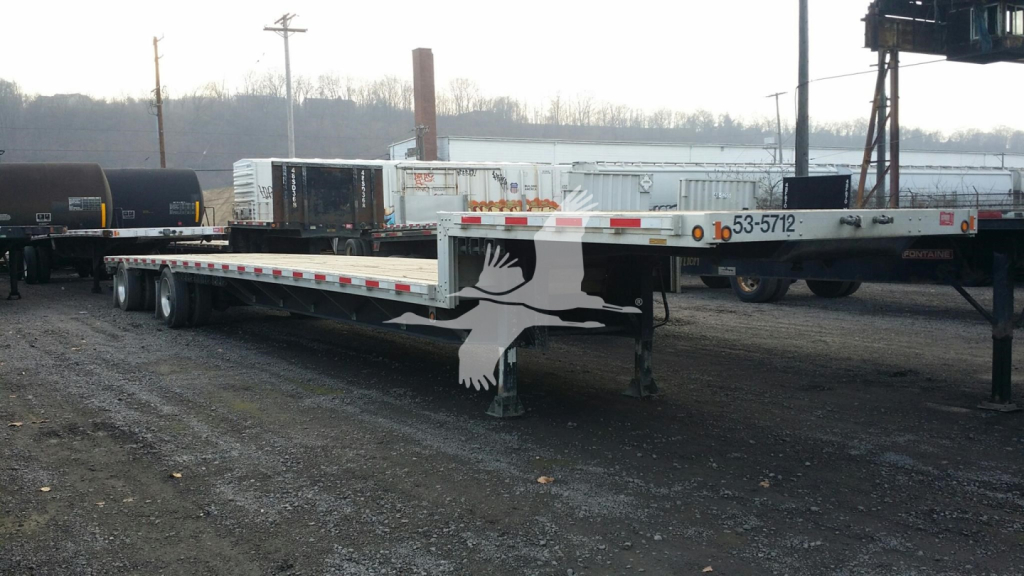

Selling a doonan drop deck trailer? List your doonan drop deck trailer for sale and reach thousands of commercial buyers.
Doonan Drop Deck Trailers
Doonan has long been associated with lightweight aluminum and aluminum-combo trailer construction, which matters when payload is a priority. A combo drop deck typically balances lower tare weight with the durability needed for mixed freight service. Common buyer checkpoints include 48-foot and 53-foot overall lengths, 102-inch width, tandem or spread axle layouts, and air-ride suspension for load protection and ride quality. Features like aluminum flooring, sliding winches, side rails, chain ties, rub rail design, and landing gear condition are worth close attention because they affect securement flexibility and day-to-day usability. If the trailer will handle forklifts regularly, floor condition, crossmember spacing, and the integrity of the transition area between upper and lower deck deserve a careful look.
Axle configuration changes how a Doonan drop deck fits the job. A tandem axle trailer is often simpler to maneuver and common in general freight service, while a spread axle setup can improve weight distribution and help on certain loads, though it may add tire scrub in tight turns. Suspension choice also matters. Air-ride is popular on step decks used for machinery, steel, and freight that benefits from a smoother ride. Buyers should also compare deck height, neck design, rear frame condition, tire and wheel spec, and any signs of stress around the suspension hangers, kingpin area, and concentrated load zones. On used units, trailer age matters less than maintenance history, prior load type, and structural condition.
A Doonan step deck is usually a practical choice for carriers that need one trailer to cover multiple freight categories. It can bridge the gap between a flatbed and more specialized heavy haul equipment, especially for loads that are oversized in height but still manageable with standard step deck securement methods. The right trailer depends on the freight mix. Lighter construction can maximize revenue on legal loads, while heavier-spec configurations may make more sense for dense machinery and demanding regional work. Buyers comparing listings should pay close attention to construction material, suspension, axle spread, deck dimensions, and securement package because those are the specs that most directly affect payload, compliance, and long-term operating cost.
Frequently Asked Questions about Doonan Drop Deck Trailers
What is the main advantage of a Doonan drop deck trailer compared with a standard flatbed?
The main advantage is lower deck height. A Doonan drop deck trailer lets you haul taller freight than a standard flatbed while staying within legal height more often. That makes it useful for machinery, construction materials, and palletized freight that would sit too high on a straight deck. It also gives operators more flexibility across mixed freight applications without stepping up to a lowboy.
What specs matter most when comparing Doonan step deck trailers?
The most important specs are overall length, lower deck length, deck height, width, axle configuration, suspension type, and trailer construction. Buyers should also look closely at tare weight, flooring material, crossmember condition, securement equipment such as sliding winches and tie-down points, and the structural condition of the neck, transition, and rear frame. These specs determine legal loading options, payload potential, and how well the trailer fits the freight you move most often.
Are Doonan combo drop deck trailers a good choice for maximizing payload?
Yes, many Doonan combo drop deck trailers are chosen specifically for lower tare weight. Aluminum-combo construction can help preserve payload capacity while still providing durability for general freight use. That said, the best choice depends on your lanes and freight mix. A lighter trailer can improve revenue on legal loads, but buyers hauling dense equipment repeatedly may prefer a heavier-spec trailer if it offers better long-term durability in concentrated load areas.
Should I choose a tandem axle or spread axle Doonan drop deck?
A tandem axle setup is common for general freight and can be easier to maneuver in tighter areas. A spread axle trailer may offer better weight distribution and can help with certain load configurations, but it often creates more tire scrub during tight turns. The right choice depends on your operating region, customer docks, load profile, and how often you need to balance axle weights across the trailer.
What should I inspect first on a used Doonan drop deck trailer?
Start with the frame, neck, kingpin area, suspension mounting points, and the transition between the upper and lower deck. Then inspect floor condition, crossmembers, axle alignment, tire wear, brakes, airbags or suspension components, and the condition of the rub rail, winches, and tie-down equipment. Uneven wear patterns, cracked welds, and repairs around high-stress areas can tell you more about a trailer's real service history than model year alone.