
Used 2025 Curtainside Trailers For Sale
Have used 2025 curtainside trailer to sell? List it here to reach thousands of buyers.
Used 2025 Curtainside Trailers
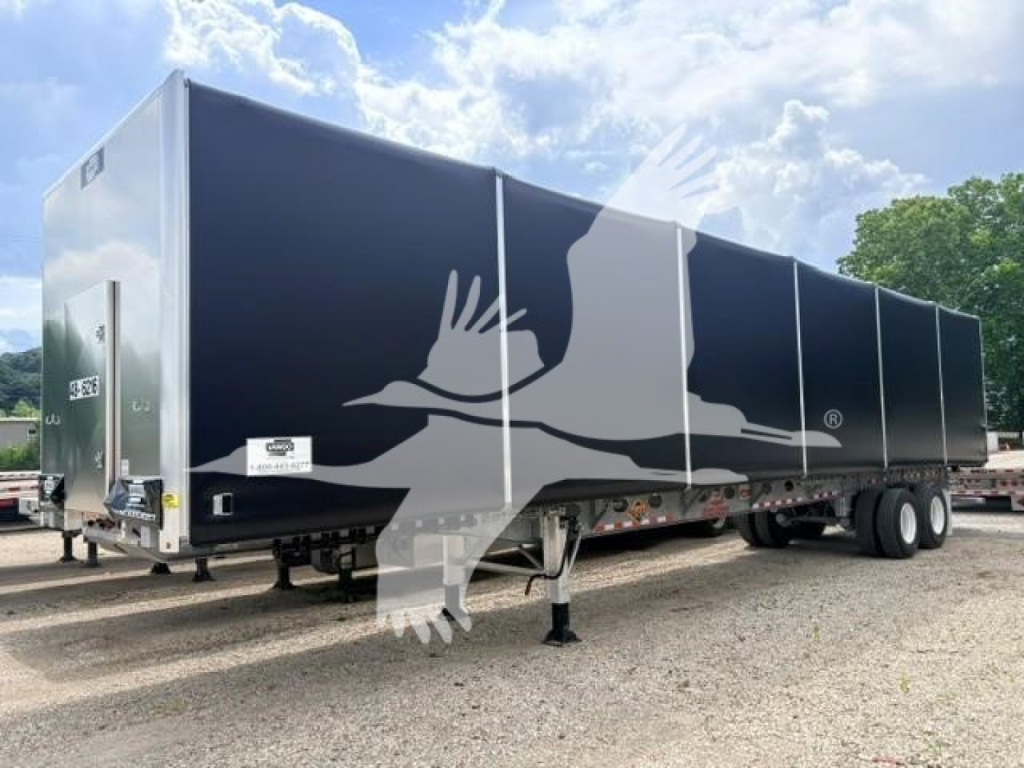
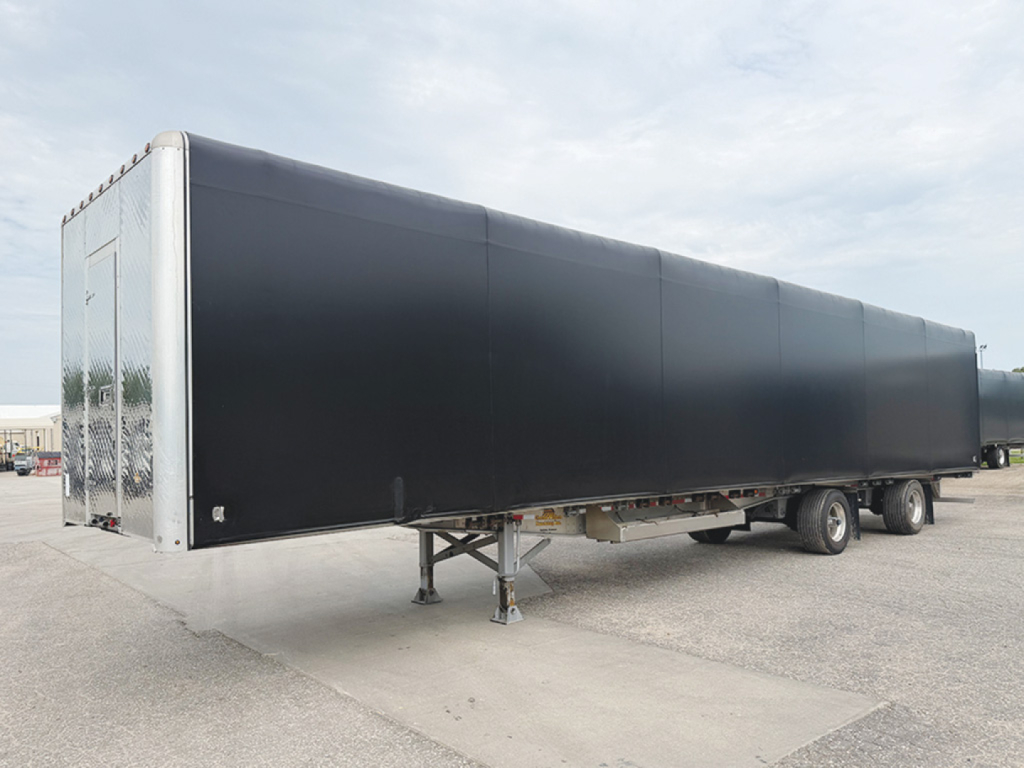
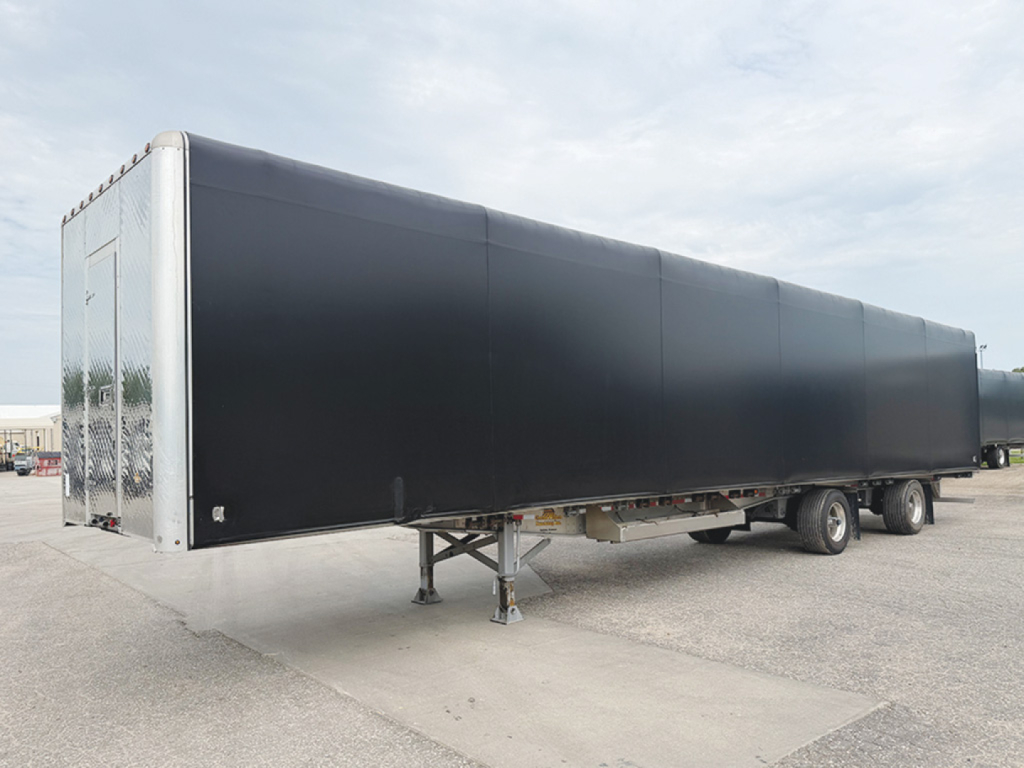
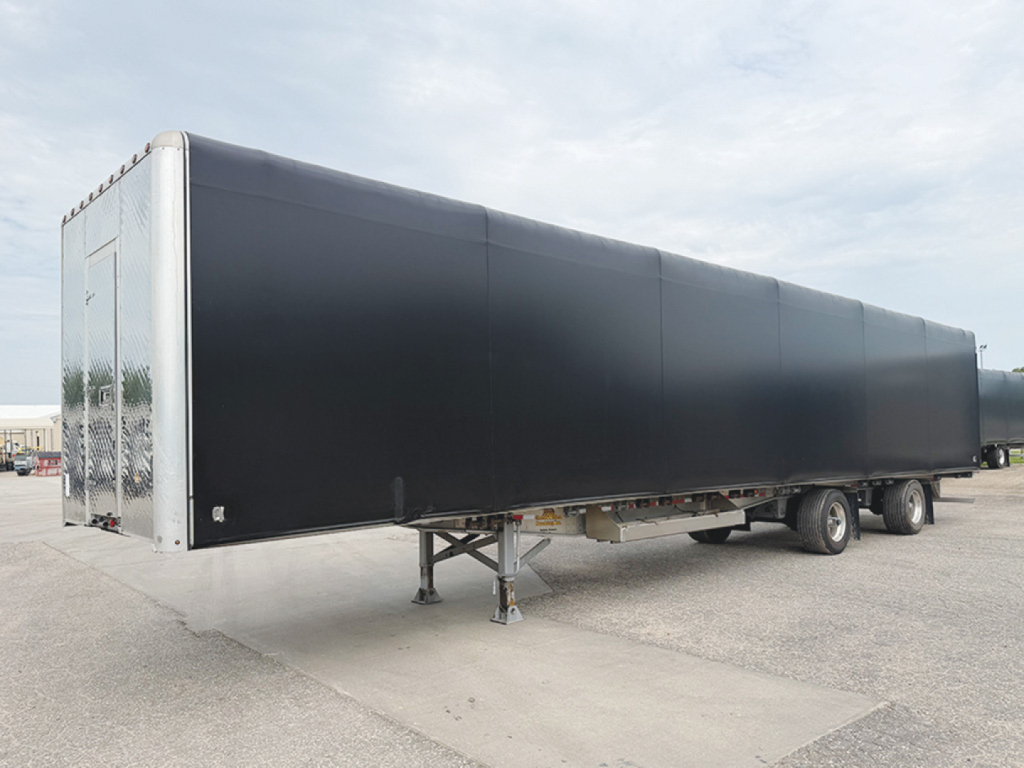
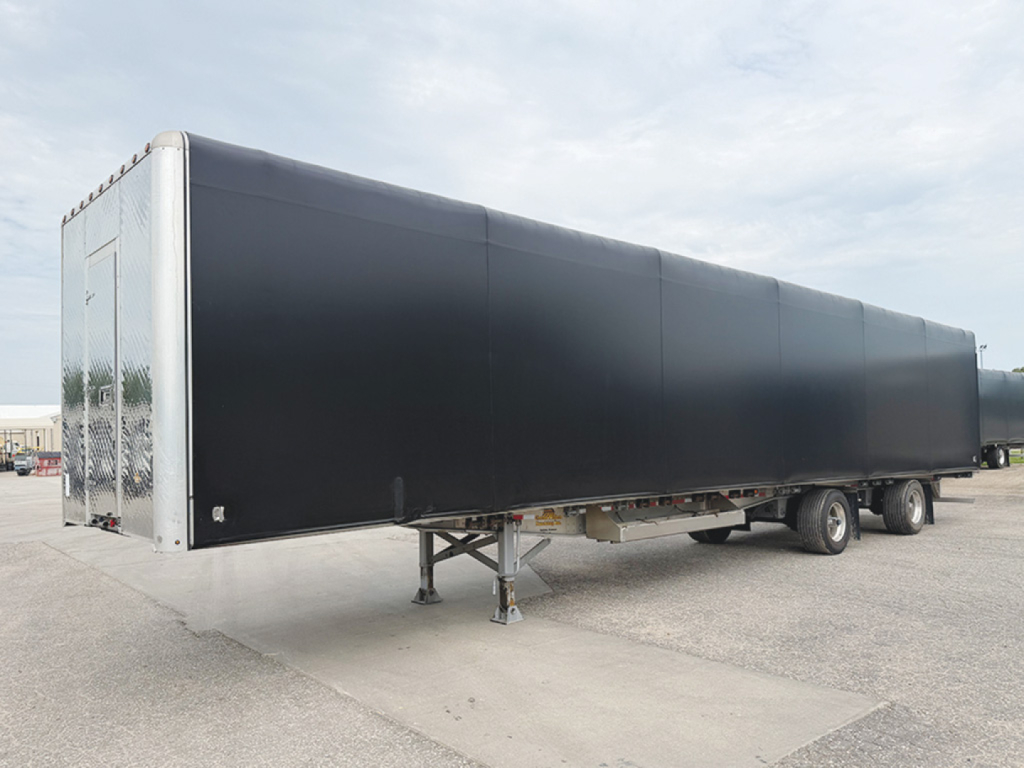
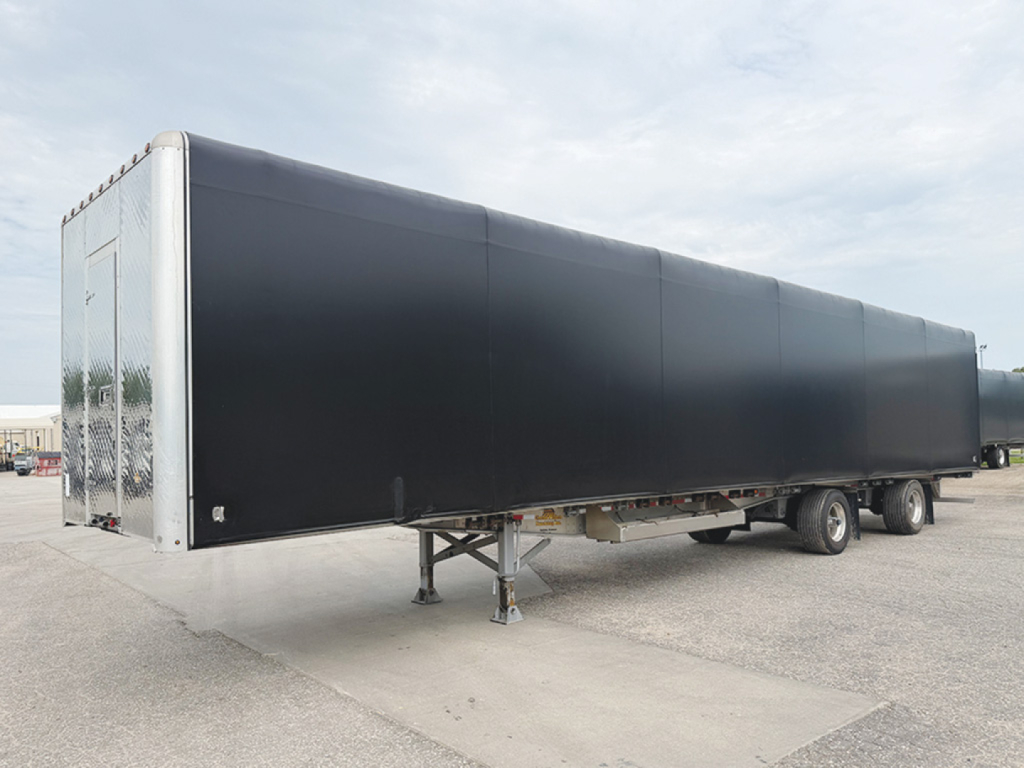
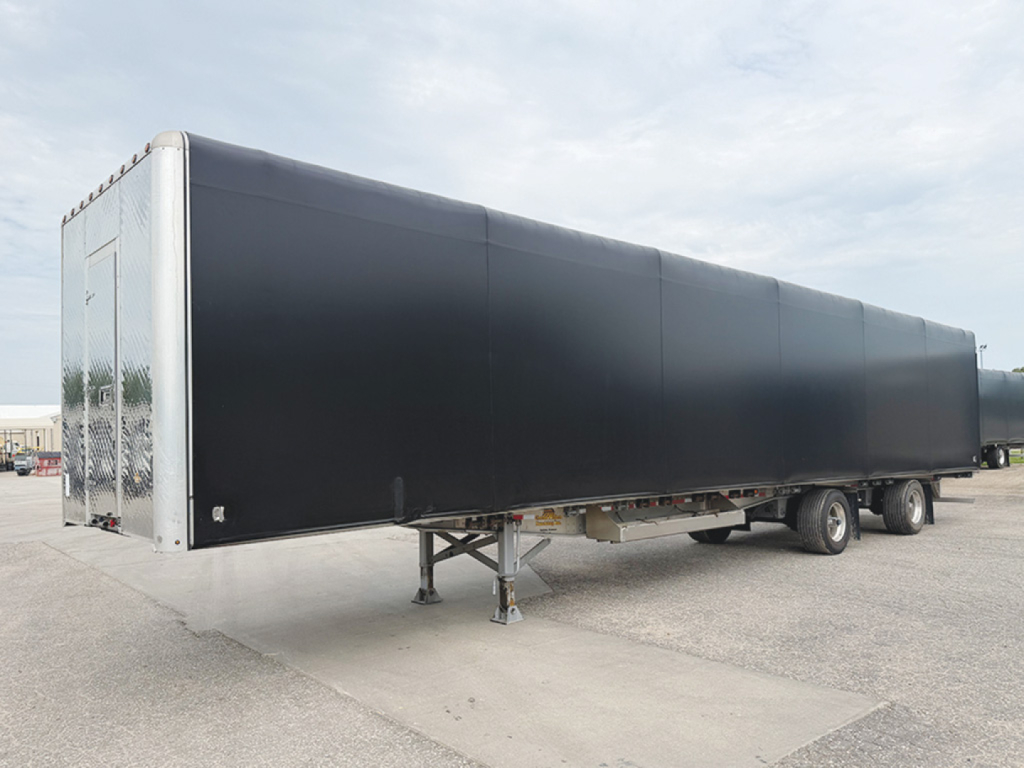
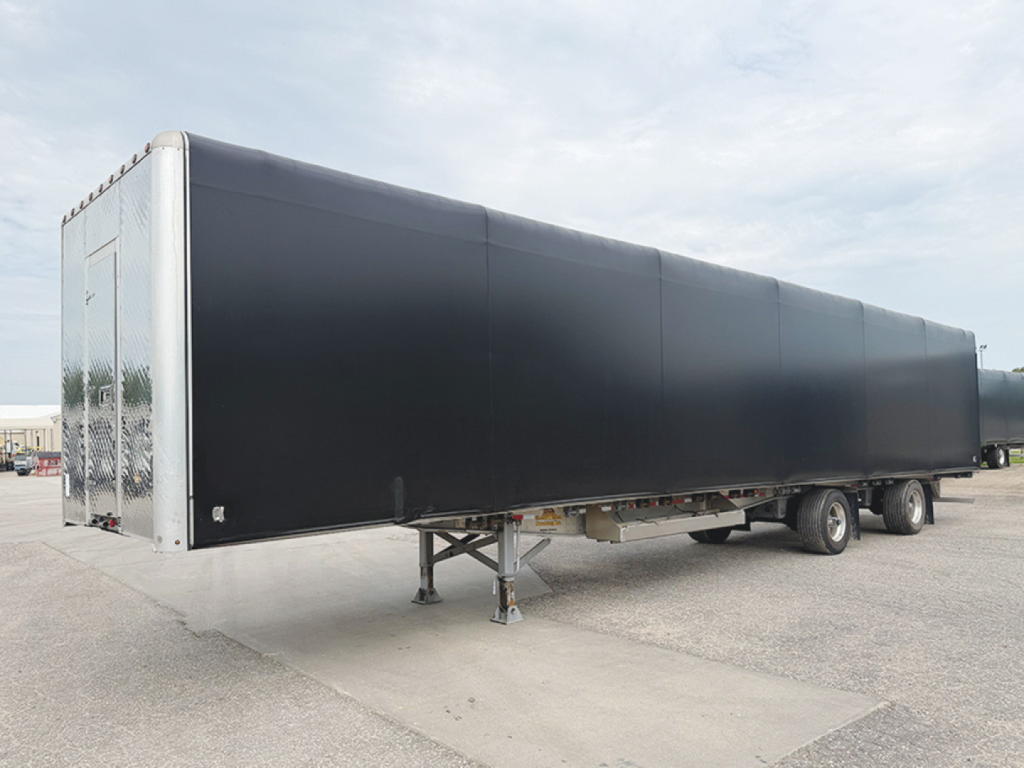
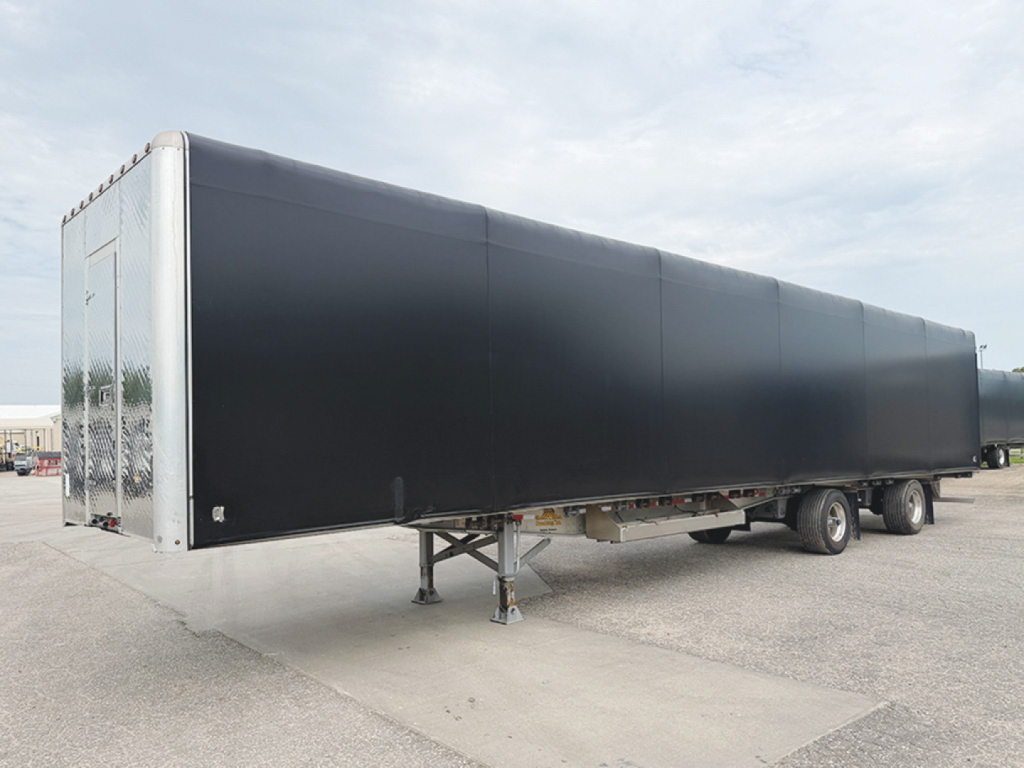
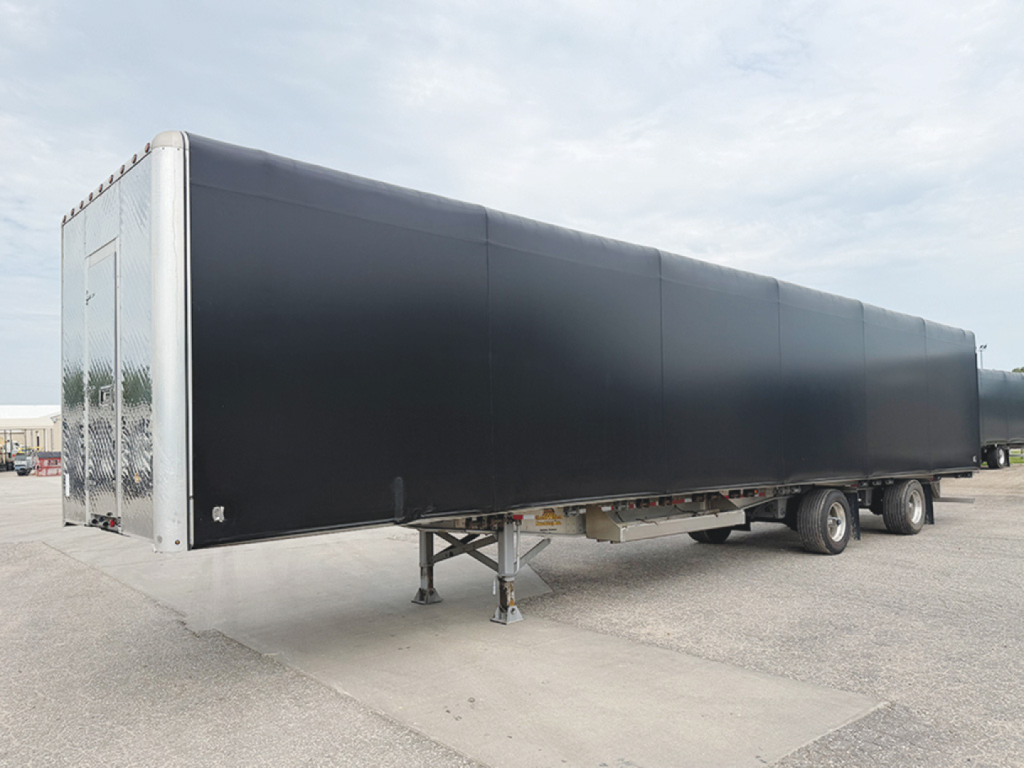
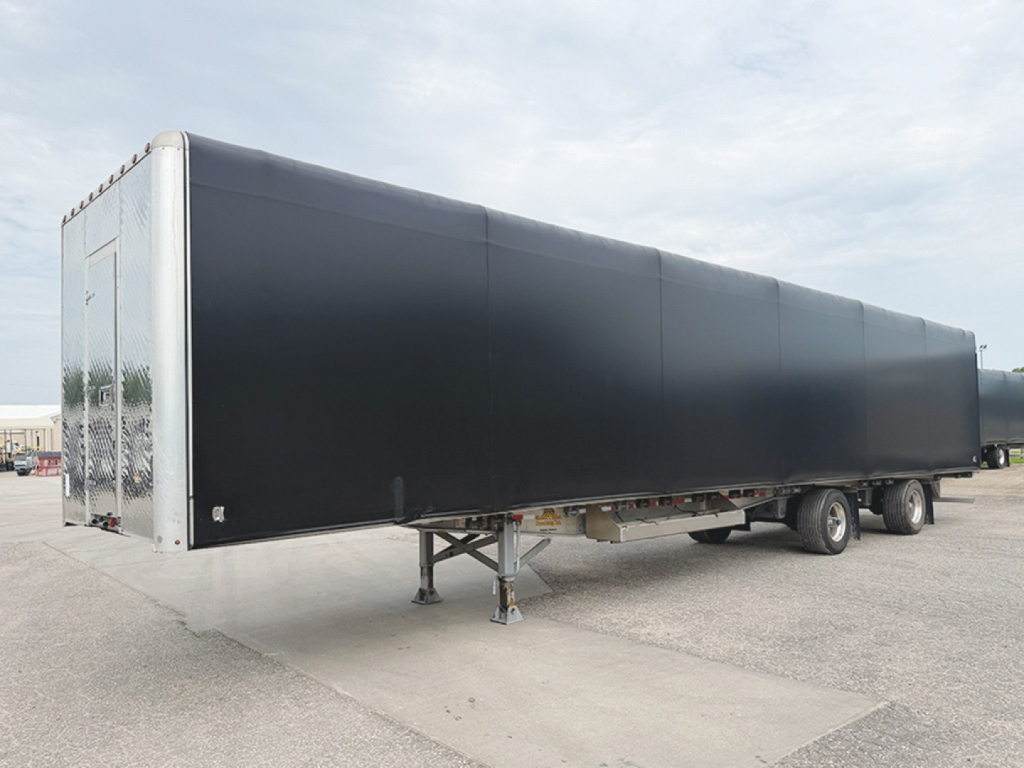
The first buying decision is usually trailer layout. Many curtainside trailers in this class are 48-foot or 53-foot units at 102 inches wide, with tandem, spread axle, or sliding rear axle configurations. Aluminum construction is common when payload matters, while steel components may still appear in bulkheads, subframes, or wear areas. Common spec points include air ride suspension, kingpin setting, crossmember spacing, deck rating, floor type, and whether the trailer includes a bulkhead door, coil package, sliding winch track, pipe spools, and integrated tie-down equipment. If the trailer is built on a flatbed-style platform, look closely at winch placement, nail strips, and side rail condition because these features directly affect securement flexibility.
The curtain system deserves as much attention as the running gear. Check curtain fabric condition, buckle and strap wear, roller operation, front and rear closure alignment, and how well the roof bows or support structure have held up. A clean-opening curtain saves labor at every stop, while torn fabric, bent tracks, or misaligned hardware can create downtime and water intrusion. On used 2025 models, buyers should also verify whether the trailer has a transparent or translucent roof, forklift kit, scuff protection, toolbox mounting, tire inflation system, and disc or drum brake setup. Super singles versus duals can also matter depending on lane miles, maintenance preference, and regional tire support.
For fleet buyers and owner-operators alike, the right curtainside trailer comes down to matching cargo profile to deck strength, loading method, and securement package. Higher-spec units may include full-length winch tracks, multiple sliding winches, coil packages, aluminum floors with nail strips, stainless bulkheads, and air ride spread axles for specialized freight. If your freight is loaded by crane, side forklift, or dock from multiple angles, a curtainside can improve handling speed without giving up cargo protection. The best used 2025 curtainside trailers are the ones with a straight frame, smooth curtain operation, documented maintenance, and a spec package that fits your freight mix instead of forcing workarounds on every load.
Frequently Asked Questions about Used 2025 Curtainside Trailers
What is a curtainside trailer used for?
A curtainside trailer is used for freight that benefits from side access but still needs protection from weather and road spray. Common loads include palletized building materials, packaged lumber, bagged products, steel, machinery, and other freight that can be loaded by forklift from the side or by crane from above depending on the trailer design. It combines some of the accessibility of a flatbed with more cargo protection than an open deck trailer.
What should I inspect first on a used 2025 curtainside trailer?
Start with the curtain system, frame straightness, suspension, brakes, tires, and floor. Curtain condition matters because tears, worn straps, damaged rollers, and bent tracks can turn a modern trailer into a maintenance problem quickly. After that, inspect the deck, crossmembers, side rails, winch track, bulkhead, rear frame, and roof support structure. On a used unit, securement hardware and curtain operation often tell you as much about real-world use as the odometer equivalent on other equipment.
Are curtainside trailers the same as Conestoga trailers?
They are related but not always identical. A standard curtainside trailer usually has fixed roof structure and sliding side curtains for fast side access. A Conestoga-style trailer typically uses a rolling tarp framework that retracts to expose the deck more completely, often on a flatbed platform. Buyers use the terms interchangeably in some markets, so it is important to confirm the exact curtain or tarp system, roof structure, and loading access before making a decision.
What specs matter most when comparing used curtainside trailers?
The most important specs are trailer length, axle configuration, suspension type, trailer weight, floor construction, bulkhead design, tie-down package, and curtain hardware. A 48-foot or 53-foot trailer with air ride suspension, aluminum construction, full-length winch track, and a coil package will fit a different freight profile than a heavier steel-based unit with basic side curtains. Brake type, tire setup, kingpin setting, and spread axle dimensions also matter because they affect payload, bridge compliance, maneuverability, and maintenance cost.
Is an aluminum curtainside trailer better than a steel one?
Aluminum curtainside trailers usually offer better payload potential because they weigh less, and they are common in fleets that want to maximize legal cargo weight. Steel can offer durability in high-wear areas, but it typically adds tare weight. The better choice depends on your commodity mix, loading environment, and maintenance approach. Buyers hauling dense freight often focus on lightweight aluminum designs, while buyers in rougher service may prioritize structural durability and repair familiarity.