
Transcraft Curtainside Trailers For Sale
Browse Transcraft curtainside trailers with common specs, cargo applications, curtain systems, axle setups, and flatbed-style loading features.
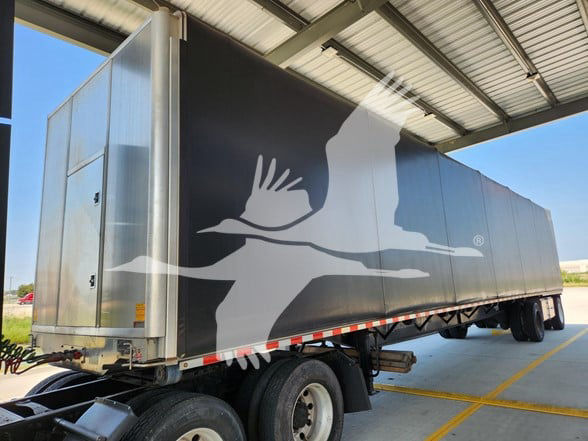
Selling a transcraft curtainside trailer? List your transcraft curtainside trailer for sale and reach thousands of commercial buyers.
Transcraft Curtainside Trailers
The key buying decision is how the trailer will be loaded and secured day to day. A true curtainside setup allows quick side loading without the dock limitations of a dry van, while a Conestoga-style sliding tarp system offers overhead protection with open-deck flexibility. On Transcraft trailers, common spec points include front door access, air ride suspension, tandem or spread axle layouts, sliding tandem arrangements, and 22.5-inch wheel and tire packages. Buyers moving mixed freight should pay close attention to floor construction, crossmember spacing, curtain condition, post design, and how the curtain hardware tracks and rollers have held up over time.
Payload and operational efficiency matter just as much as access. Transcraft is well known in open-deck applications, so its curtainside models often appeal to fleets that want flatbed-style strength with faster loading and less tarping labor. A combination aluminum and steel frame can keep empty weight reasonable while still standing up to repeated forklift use. Features like tool boxes, winches, straps, disc or steel wheels, and air ride can make a measurable difference in route flexibility, cargo protection, and maintenance cost. If the trailer will run regional multi-stop freight, inspect the curtain tensioning system, door seals, suspension wear points, and tire condition closely.
For many buyers, the advantage of a Transcraft curtainside trailer is versatility. It can serve carriers that need side access for pallet freight, manufacturers shipping crated or banded products, and building supply operations that want weather coverage without giving up flatbed-style loading. The right trailer in this class should match your cargo height, forklift access needs, securement method, and axle preference. Kingpin setting, sliding tandem travel, floor type, and the condition of the curtain system are usually the details that separate a trailer that simply fits the lane from one that performs well every day.
Frequently Asked Questions about Transcraft Curtainside Trailers
What is a Transcraft curtainside trailer used for?
A Transcraft curtainside trailer is used for freight that benefits from both side loading access and protection from weather. Common applications include palletized goods, packaged building products, crated machinery, metal products that do not require a fully sealed van, and multi-stop freight that needs faster loading and unloading than traditional tarped flatbed service.
What specs are most common on Transcraft curtainside trailers?
Many Transcraft curtainside trailers in the market are 48 feet long and 102 inches wide, with aluminum and steel composite construction. Common configurations include air ride suspension, tandem or spread axle setups, sliding tandems, wood or aluminum floors, front access doors, sliding winch tracks, D-rings, and standard 22.5-inch wheel packages. Exact specs vary by model year and original application.
How is a curtainside trailer different from a Conestoga trailer?
A curtainside trailer has side curtains that open to provide broad side access while maintaining a more enclosed cargo area during transit. A Conestoga trailer uses a rolling tarp frame that retracts to expose the deck from above and the sides, functioning more like a covered flatbed. The best choice depends on whether your operation prioritizes side forklift access, overhead loading, or open-deck style cargo securement.
What should I inspect on a used Transcraft curtainside trailer?
Focus on curtain fabric condition, track and roller wear, latch and tensioning hardware, front and rear door seals, floor damage from forklift traffic, crossmember condition, suspension components, and axle alignment. Also inspect winch tracks, straps, D-rings, and the kingpin area for wear or damage. On combination trailers, look closely at corrosion points where steel and aluminum components meet.
Are Transcraft curtainside trailers good for flatbed freight operations?
Yes, they can be a strong option for flatbed-oriented operations that want to reduce tarping time and improve cargo protection. Because many Transcraft curtainside trailers are built with open-deck style securement features such as winches, tracks, and floor systems suited for varied freight, they fit operations hauling freight that still needs side access but cannot be exposed to rain or road spray.