
NuVan Curtainside Trailers For Sale
Browse NuVan curtainside trailers with side-loading access, tandem axles, air ride options, and enclosed freight protection.
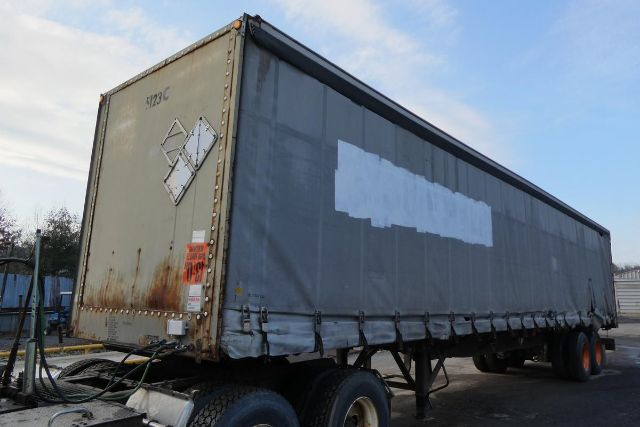
Looking for the easiest place to sell your nuvan curtainside trailer? List it here to reach thousands of buyers.
NuVan Curtainside Trailers
For buyers comparing used NuVan curtainsides, the core decisions usually come down to length, axle setup, suspension, frame condition, and curtain condition. Common specs in this category include 45-foot lengths, tandem axles, sliding axle configurations, air ride suspension, wood-over-steel floors, and swing rear doors. On older units, inspect the curtain track, buckles, straps, ratchets, rear frame, floor crossmembers, and roof structure closely. If the trailer is set up for a piggyback or truck-mounted forklift, confirm the mounting arrangement, rear reinforcement, and remaining payload after the added hardware. Curtain wear matters because tears, failed tensioning components, and damaged rollers can turn into regular downtime.
A NuVan curtainside is often chosen by fleets that need quicker loading than a dry van but more cargo security than a standard flatbed. The side opening helps reduce freight handling time and gives better access for multi-stop deliveries or irregular pallet patterns. Buyers should also verify inside clearance, overall trailer height, door opening dimensions, and legal axle weights for the lanes they run. Tire size, hub-piloted wheels, brake condition, and suspension type all affect maintenance cost and parts availability, especially on older trailers still working regional routes.
Structural condition is more important than cosmetics on this trailer class. Look at the steel frame for corrosion, measure floor wear in forklift traffic zones, and check that the side posts, front wall, and rear door frame stay square under load. A transparent or translucent roof can improve daylight loading, but it should be checked for leaks, cracks, and panel securement. If your operation handles weather-sensitive freight but needs open-side access at customer locations without docks, a NuVan curtainside trailer can fill that gap efficiently when the curtain system, floor, and running gear are still in sound working order.
Frequently Asked Questions about NuVan Curtainside Trailers
What is a NuVan curtainside trailer used for?
A NuVan curtainside trailer is used for freight that needs enclosed protection but also benefits from side access. Common applications include palletized construction materials, paper products, packaged metals, beverages, bagged goods, and other freight loaded by forklift from the side. It works well where dock access is limited or where fast loading and unloading from multiple positions is important.
What should I inspect first on a used curtainside trailer?
Start with the curtain system, frame, floor, and running gear. Check for curtain tears, broken buckles, worn straps, bent tracks, and seized rollers. Then inspect the steel frame, crossmembers, rear frame, and side structure for rust, cracks, or prior repairs. Floor condition is critical because many curtainsides see repeated forklift traffic, and weak spots can become a safety issue quickly.
Are NuVan curtainside trailers better than dry vans for side loading?
Yes, for freight that must be loaded or unloaded from the side, a curtainside trailer is far more efficient than a dry van. The side curtain opens most of the trailer length, giving forklifts broad access without forcing loading through the rear doors only. A dry van offers stronger hard-side security, but it does not match a curtainside for dock-free side access and faster loading of awkward pallet patterns.
Do older curtainside trailers need special attention for maintenance?
Yes. Older curtainside trailers often need closer inspection of the curtain hardware, roof components, rear door frame, air suspension parts, brake system, and sliding tandem assembly if equipped. Corrosion around the lower side structure and floor edges is common on aging units. Parts availability for standard running gear is usually manageable, but curtain-specific hardware and frame repairs can add cost if deferred.
Can a curtainside trailer carry a forklift on the rear?
Some curtainside trailers are equipped or reinforced to carry a truck-mounted forklift on the rear. If that setup is present, verify the mounting system, rear structure reinforcement, lighting and clearance compliance, and the effect on payload capacity. Added rear weight changes axle loading, so it is important to confirm the trailer still fits your freight mix and legal weight distribution requirements.