
Curtainside Trailers For Sale in New York
Browse curtainside trailers for sale in New York. Compare lengths, axle setups, curtain systems, floors, doors, and load securement features.
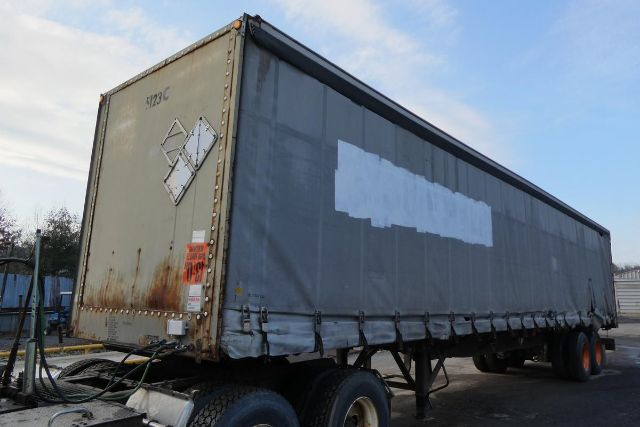
Have curtainside trailer to sell? List it here to reach thousands of buyers.
Curtainside Trailers in New York
For most buyers, the key decisions start with trailer length, axle configuration, and curtain system condition. Common lengths include 45-foot, 48-foot, and 53-foot models, with tandem or spread axle setups depending on payload needs and bridge-law considerations. Sliding tandems add flexibility for weight distribution and state compliance. Suspension type matters too. Air ride is common on curtainside trailers because it helps protect palletized and damage-sensitive freight. Buyers should also look closely at overall trailer composition, floor construction, rear door style, and whether the unit has a forklift kit, lift points, or other delivery-focused features.
Curtain condition is a major inspection item on this trailer class. Tears, patched sections, worn buckles, damaged rollers, and loose tensioning hardware can all affect weather resistance, cargo security, and ease of operation. It is also worth checking the roof bows, side posts, curtain tracks, and front bulkhead for signs of impact or corrosion. Inside the trailer, the floor needs to match the intended freight. Wood-over-steel floors are common and can handle repeated forklift traffic, but floor wear, crossmember condition, and threshold damage should be evaluated carefully. Load securement hardware such as internal straps, ratchets, winches, and scuff liners should be matched to the type of freight you plan to haul.
A good curtainside trailer is built around uptime and loading efficiency. Buyers comparing listings should pay attention to tare weight versus payload, interior clearance, rear opening dimensions, tire and brake condition, and how quickly the curtains can be opened and secured at a stop. For fleets running building supply, dedicated pallet freight, or multi-stop regional routes, those details matter as much as the headline price. The best fit is usually the trailer that balances side-access convenience, structural condition, and securement equipment with the freight profile it will handle every day.
Frequently Asked Questions about Curtainside Trailers in New York
What is a curtainside trailer used for?
A curtainside trailer is used for freight that benefits from side loading but still needs protection from weather and road exposure. Common applications include palletized consumer goods, beverages, paper products, building materials, and dedicated route freight. It gives forklift operators access from both sides of the trailer, which can speed up loading and unloading compared with a standard dry van.
What should I inspect first on a used curtainside trailer?
Start with the curtain system, because it is one of the most expensive and operationally important parts of the trailer. Check for tears, failed buckles, damaged rollers, bent tracks, poor curtain tension, and signs that the curtain does not seal correctly when closed. After that, inspect the floor, rear frame, roof structure, suspension, brakes, and any securement equipment such as straps, ratchets, or scuff protection.
Are curtainside trailers better than flatbeds for some freight?
Yes. Curtainside trailers are often a better choice when freight needs side access but cannot be left exposed to rain, snow, road spray, or theft risk. They can also reduce tarping labor and improve loading speed for palletized or packaged freight. Flatbeds still make more sense for tall, oversized, or irregular loads that need unrestricted crane access from above.
Do curtainside trailers usually have air ride suspension?
Many curtainside trailers are equipped with air ride suspension because it helps protect freight and improves ride quality for palletized loads. Air ride can be especially valuable for damage-sensitive cargo and for operators running regional delivery routes with frequent stops. Suspension type should still be evaluated with axle configuration, bridge compliance, and maintenance history in mind.