
New Curtainside Trailers For Sale
No exact matches found for your search
Showing Curtainside Trailers instead.
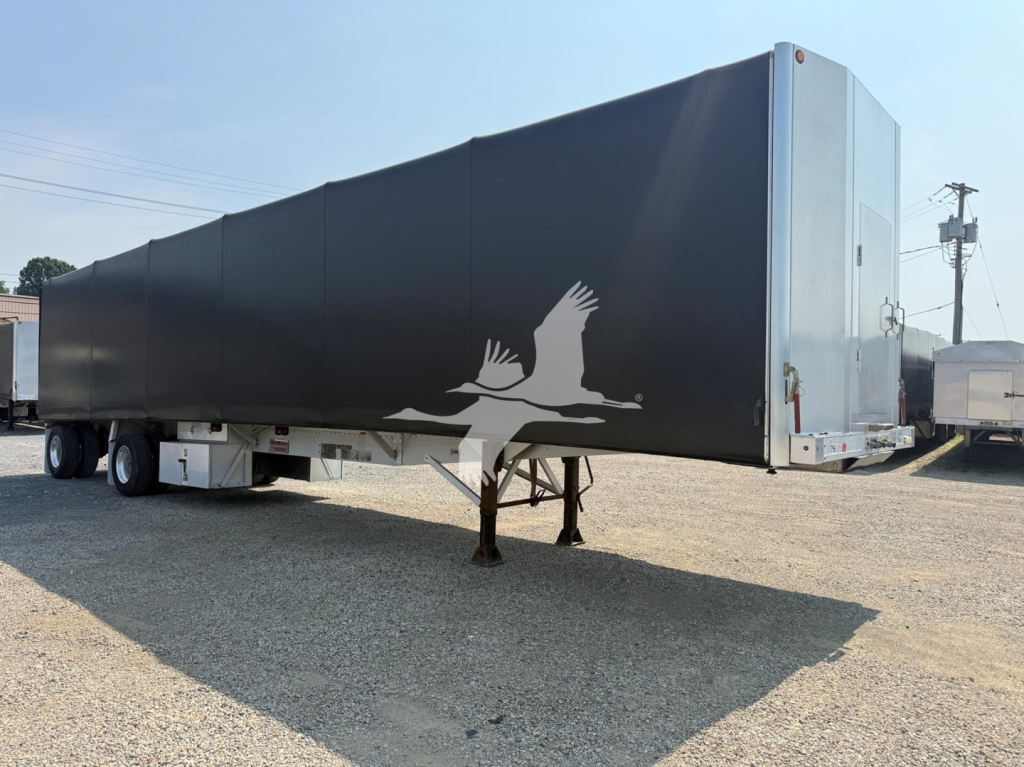
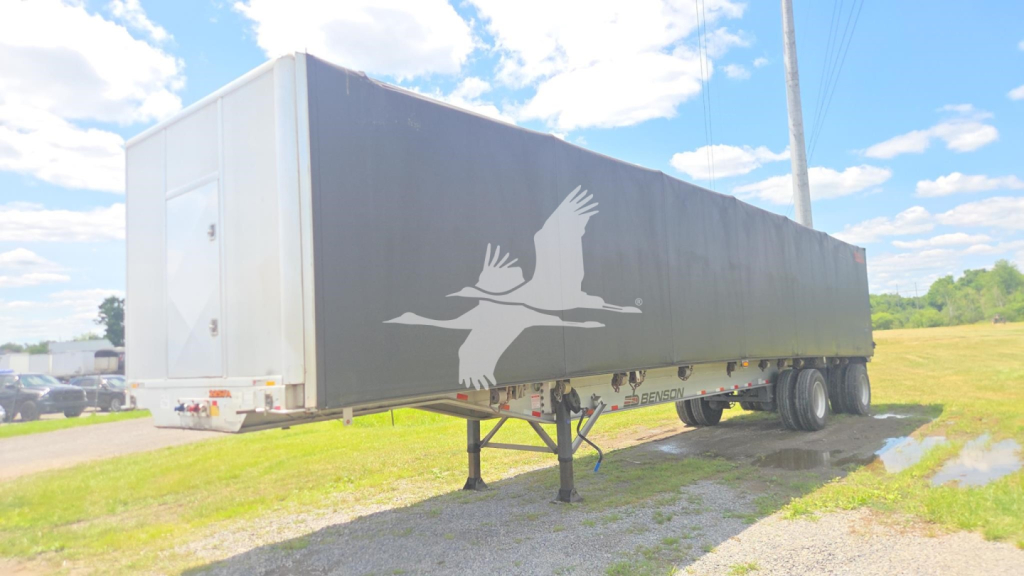
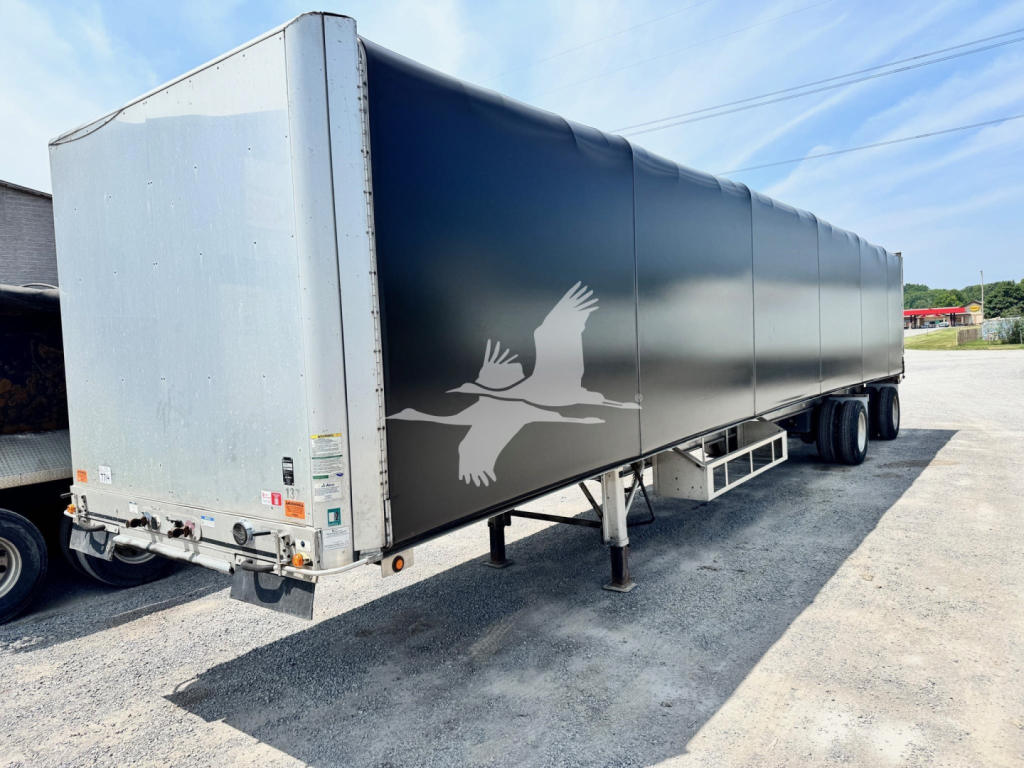
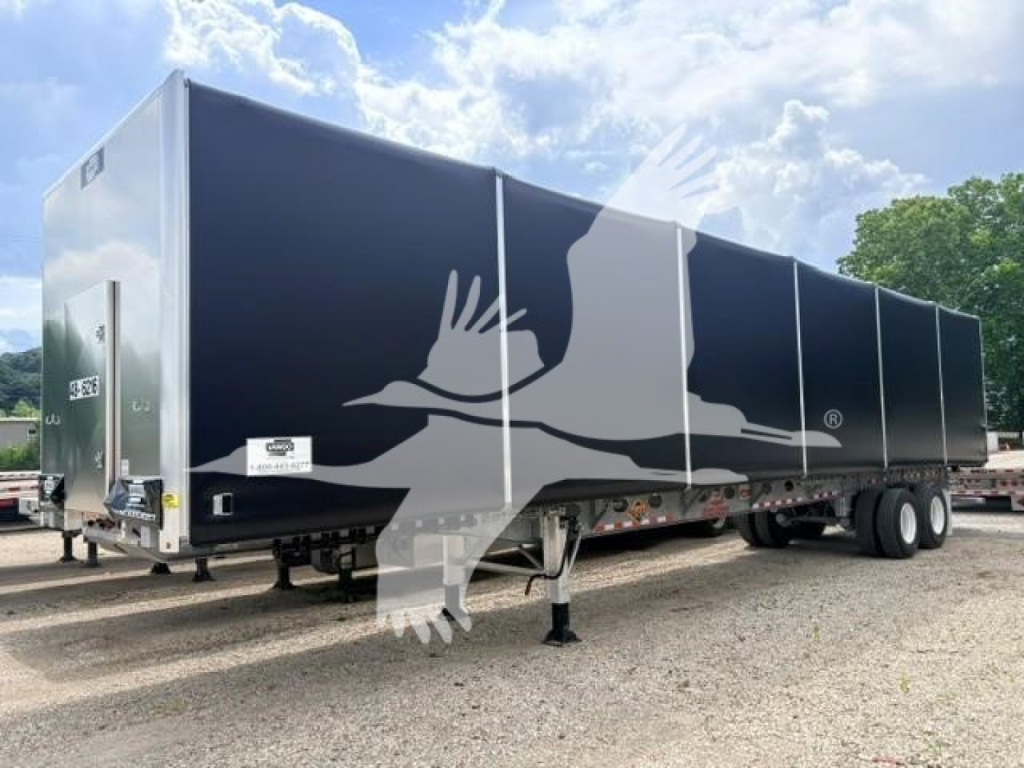
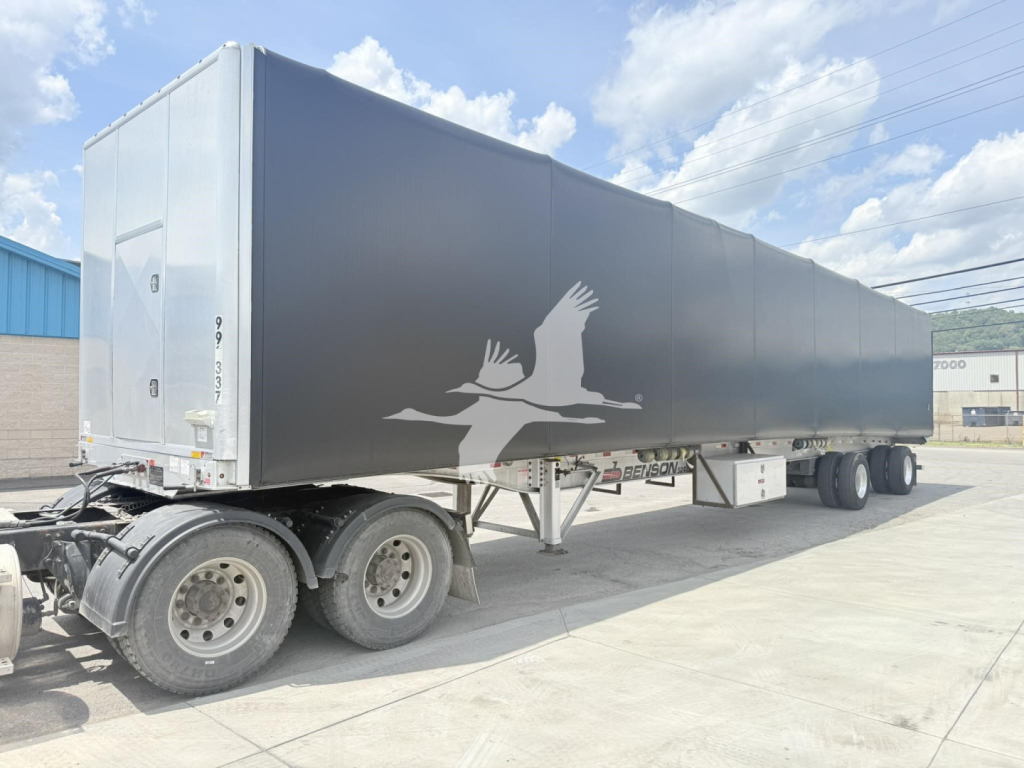
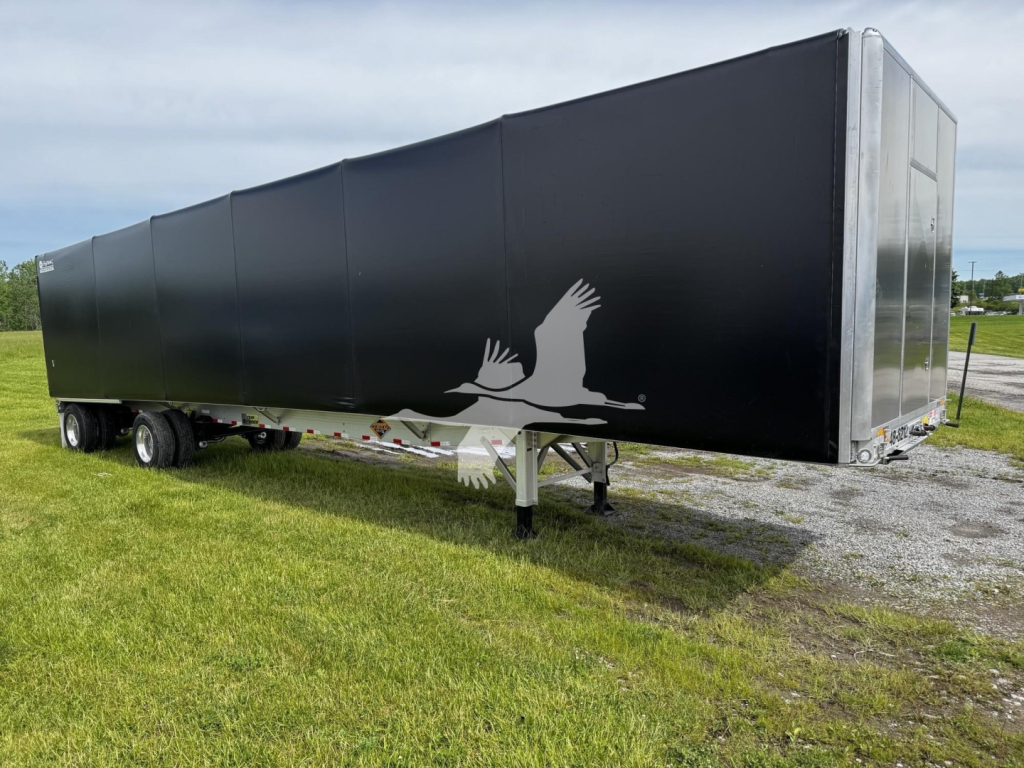
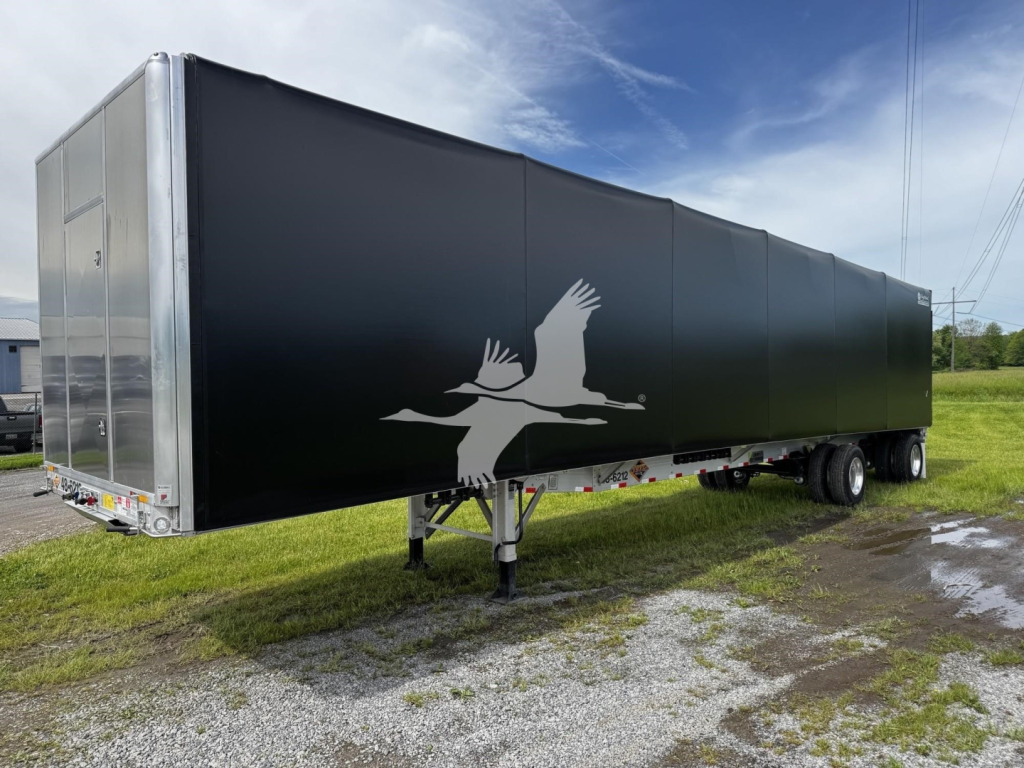
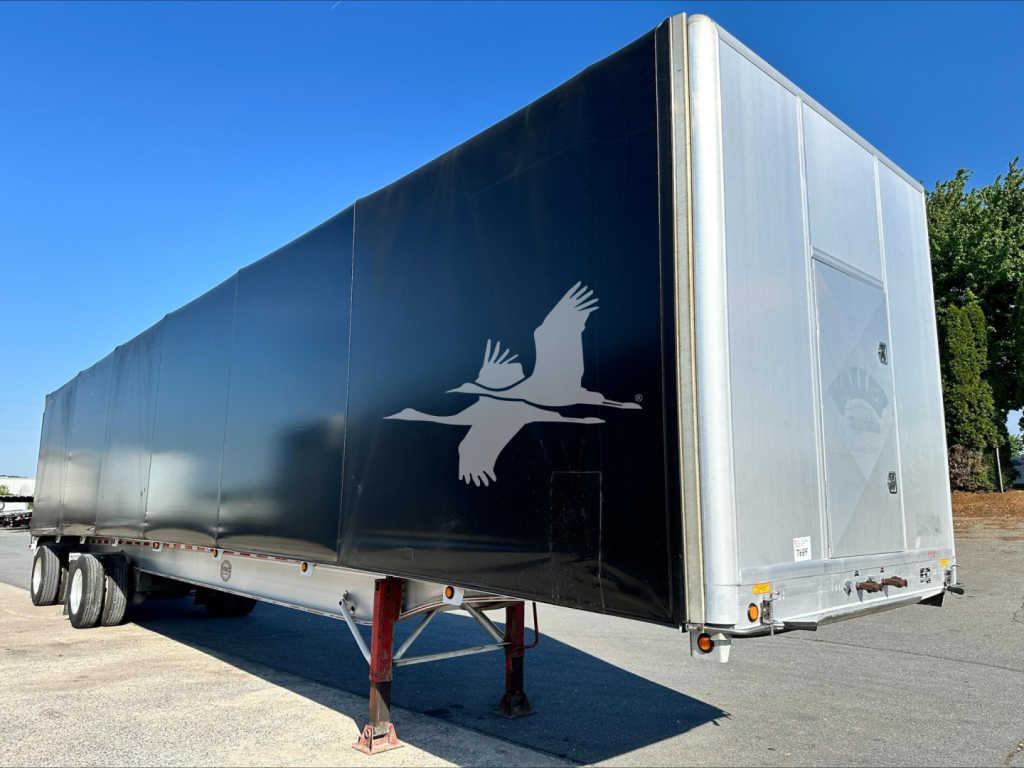
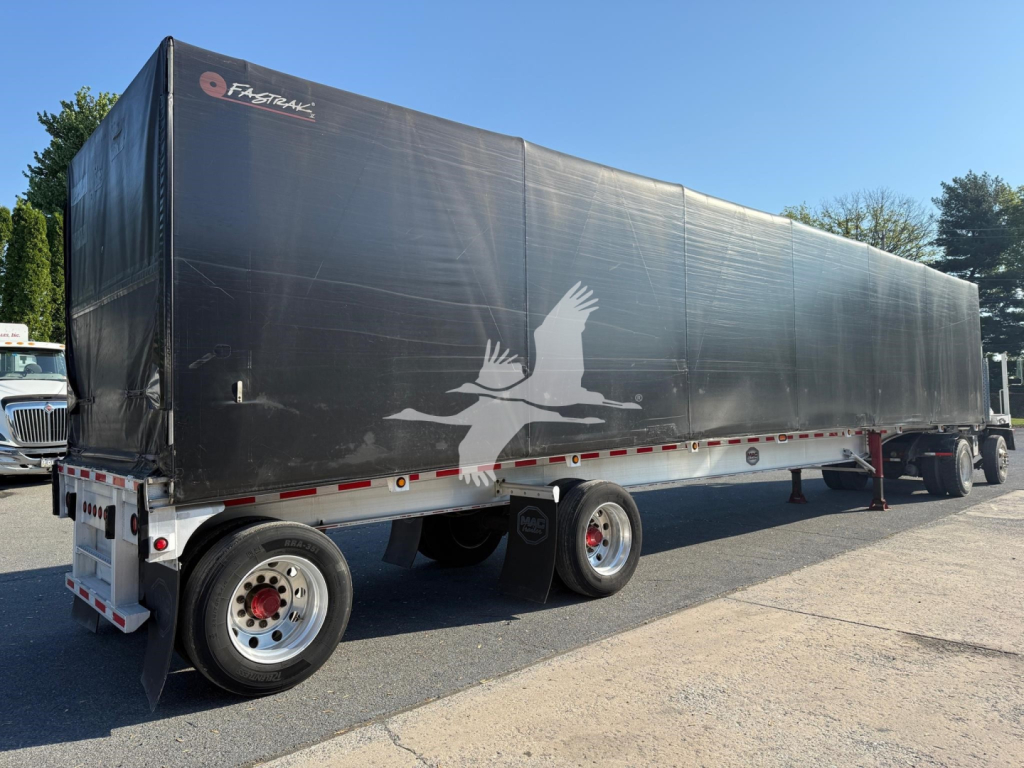
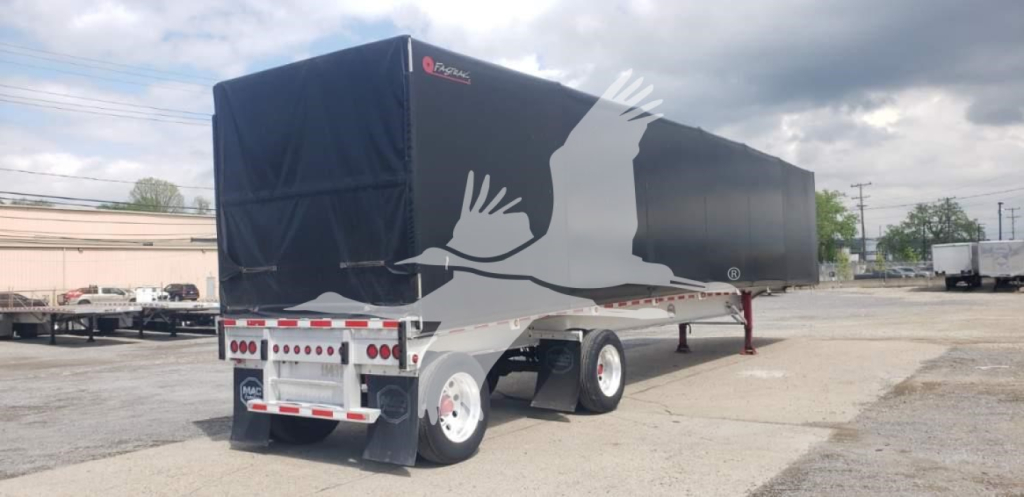
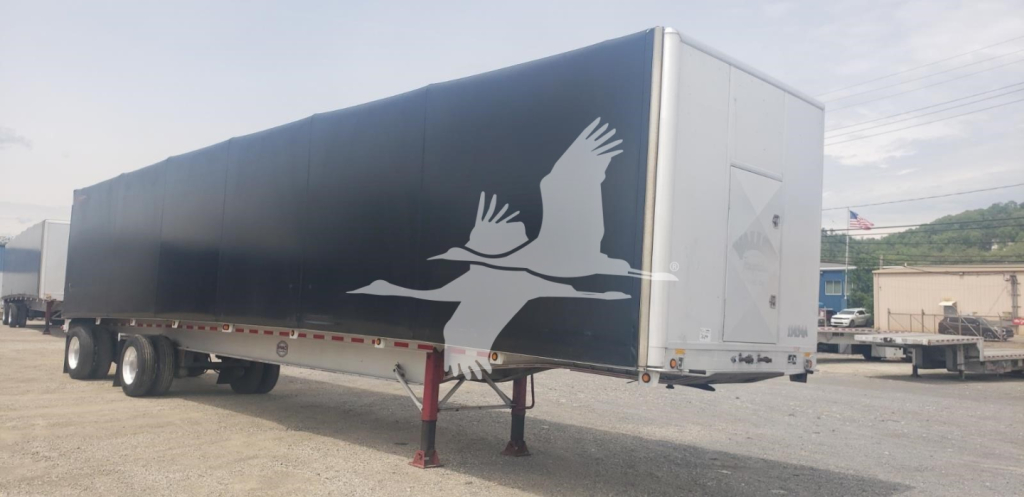
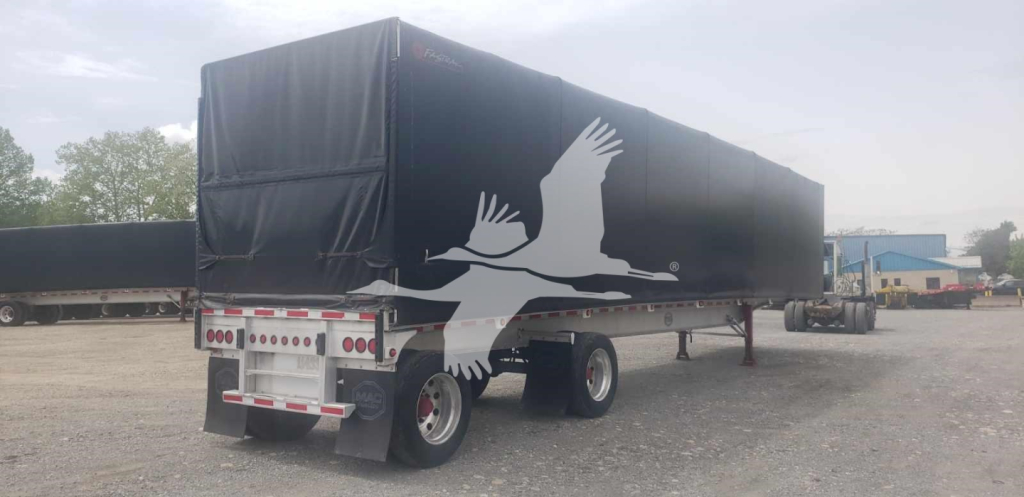
Showing 1 to 12 of 24 results
Have new curtainside trailer to sell? List it here to reach thousands of buyers.
New Curtainside Trailers
A buyer should first sort out the basic platform. Many new curtainside trailers are built on aluminum flatbed foundations in common 48-foot lengths and 102-inch widths, often with tandem or spread axle setups and air ride suspension. Floor construction, overall tare weight, side post design, curtain material, and the track or rolling frame system all affect payload, durability, and loading speed. If the trailer will handle dense freight, look closely at frame ratings, concentrated load capacity, and how the curtain or rolling cover system clears the deck during loading. If the operation is more route-based with frequent stops, ease of opening, closing, and securing the side system matters just as much as raw weight.
The biggest difference between curtainside designs is how much side access they really provide and how well they stand up to daily use. Some systems function more like a true curtainsider with sliding curtains and vertical retention hardware, while others are closer to a retractable tarp system on a flatbed, using an aluminum frame that rolls forward or backward to uncover the deck. That distinction affects loading dock compatibility, strap and chain access, weather sealing, and maintenance. Buyers moving lumber, packaged steel, brick, or crated equipment should pay attention to curtain tensioning, buckles, rear portal strength, and how the system performs in wind, snow, and dirty yard conditions.
For a new unit, long-term serviceability is just as important as purchase price. Check parts support for bows, rollers, tracks, curtain fabric, buckles, and tensioners, and confirm how repairs are handled after side impacts or forklift contact. Air ride suspension, spread axle configurations, and aluminum construction are common because they balance cargo protection, ride quality, and legal payload. The best curtainside trailer setup is the one matched to your freight profile, loading method, and securement routine, not just the lightest or cheapest version on paper.
Frequently Asked Questions about New Curtainside Trailers
What is the difference between a curtainside trailer and a Conestoga-style trailer?
A curtainside trailer usually uses sliding side curtains on a semi-enclosed trailer body or side-access platform, while a Conestoga-style trailer uses a rolling tarp frame that retracts over a flatbed. Both provide weather protection and side loading access, but they behave differently during loading and securement. A true curtainside is often better for frequent palletized freight and route work, while a rolling tarp system is common for open deck freight that still needs top and side access.
What freight is best suited for a new curtainside trailer?
Curtainside trailers are commonly used for palletized building products, bagged materials, crated machinery, packaged steel, paper products, and other freight that benefits from side loading but still needs protection from weather and road spray. They are especially useful when forklifts need access from multiple points along the trailer instead of just the rear. They are less ideal for freight that requires a fully rigid wall structure or highly specialized interior load containment.
What specs matter most when buying a new curtainside trailer?
The most important specs are trailer length and width, axle configuration, suspension type, frame material, tare weight, floor rating, and the design of the curtain or rolling cover system. Buyers should also review curtain material durability, side opening clearance, rear door configuration, load securement access, and the availability of replacement parts. If the trailer will see heavy forklift traffic or dense freight, structural ratings and deck capacity should be confirmed before purchase.
Are curtainside trailers good for forklift loading?
Yes, that is one of their main advantages. A curtainside or retractable side-cover trailer allows forklifts to load from the side along much of the deck, which can reduce loading time and make odd-shaped or multi-stop freight easier to handle. The exact level of access depends on whether the trailer uses sliding curtains, removable posts, or a rolling frame system, so buyers should compare how much of the side opening is actually unobstructed during loading.