
Curtainside Trailers For Sale in Illinois
Shop curtainside trailers for sale in Illinois. Compare Conestoga and rolling tarp systems, lengths, axle setups, payload capacity, and specs.
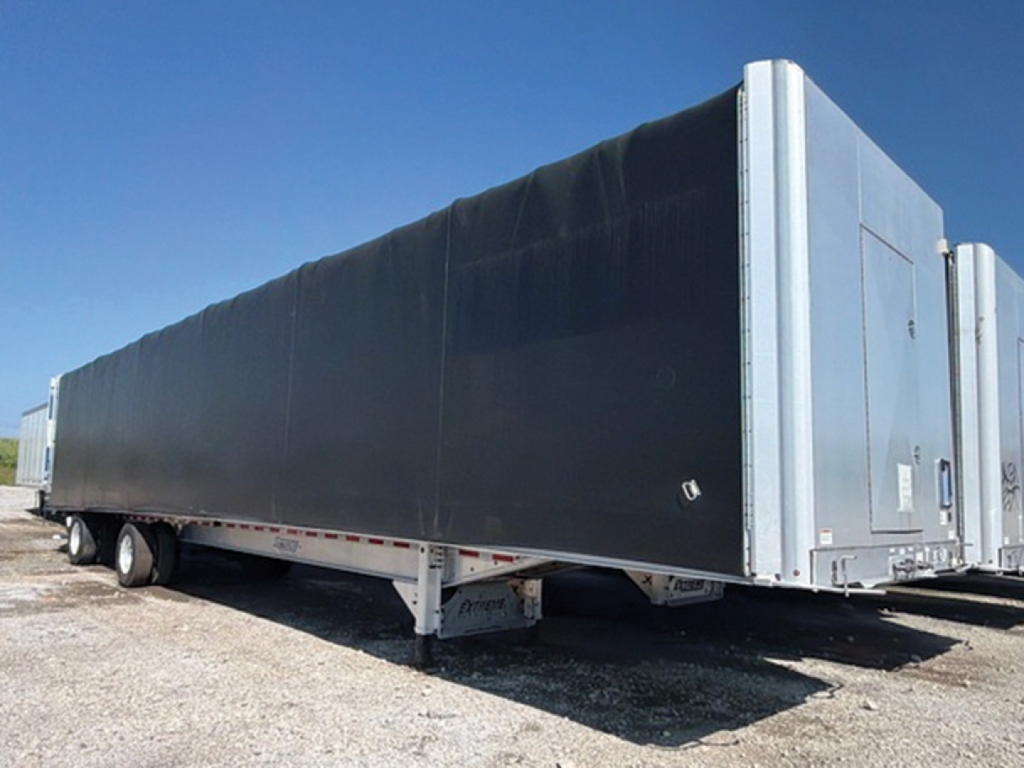
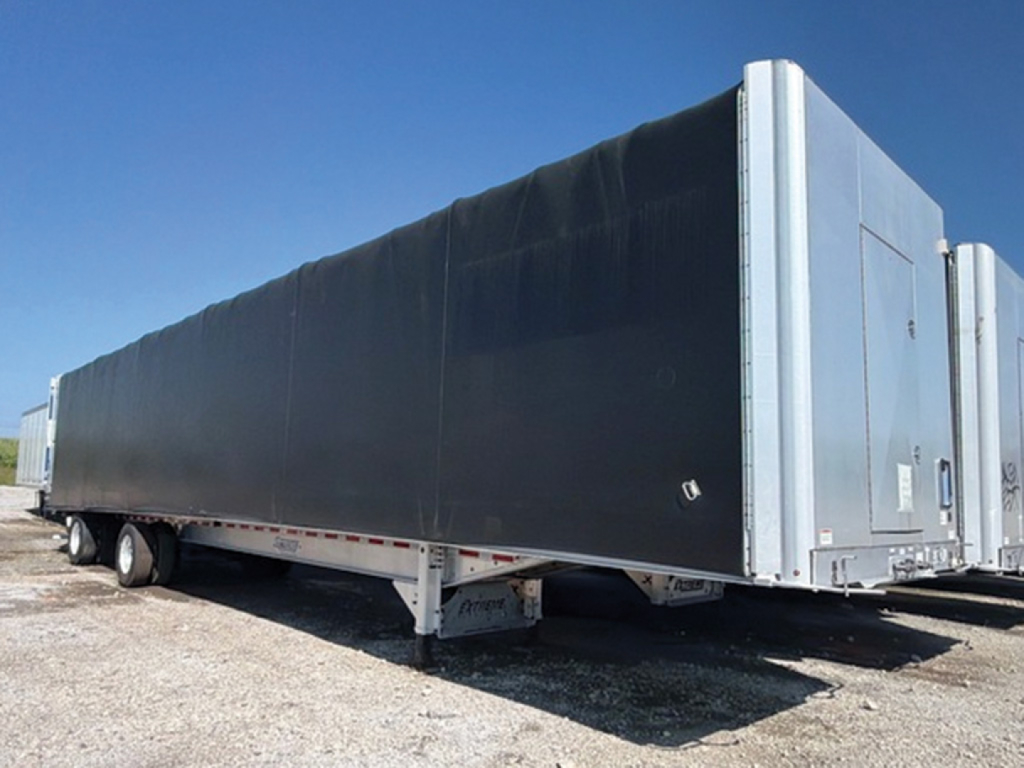
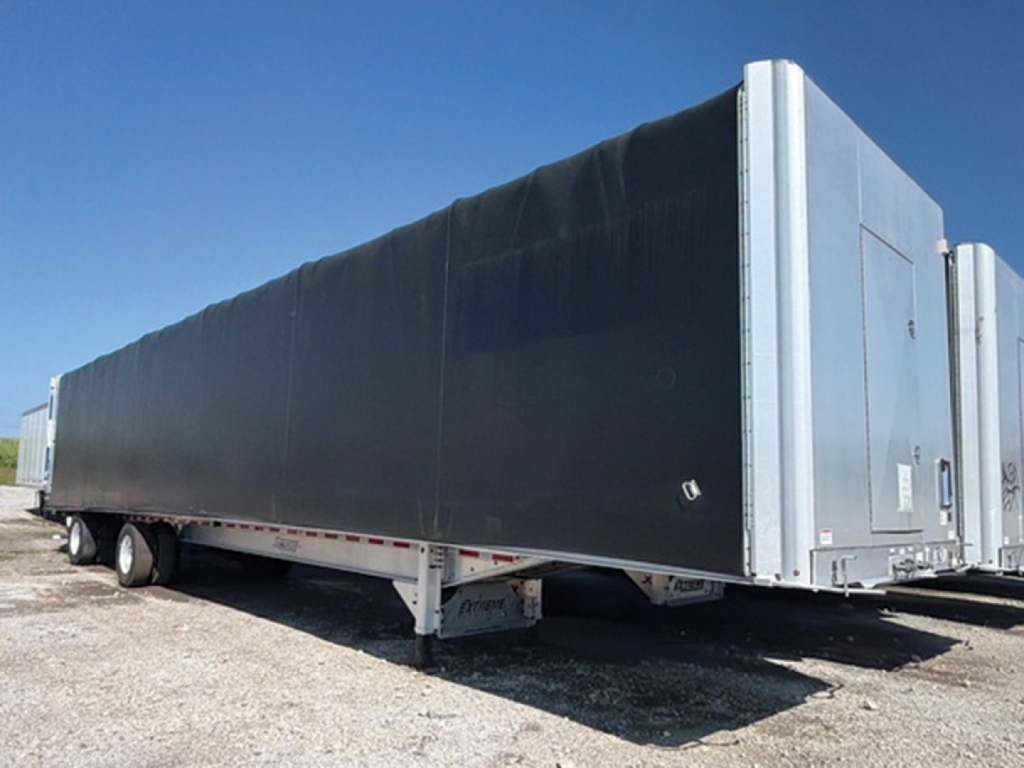
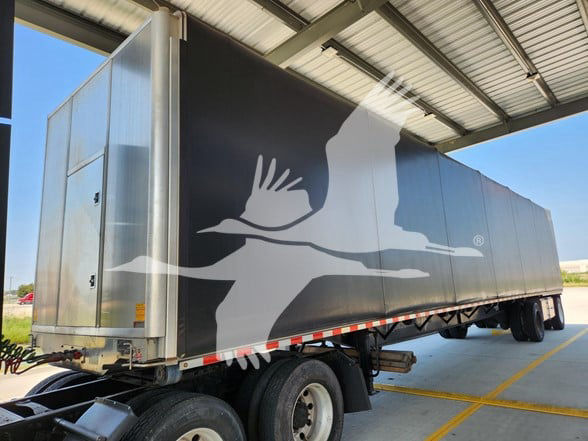

Looking for the easiest place to sell your curtainside trailer? List it here to reach thousands of buyers.
Curtainside Trailers in Illinois
A buyer should first separate true curtainside trailers from flatbeds equipped with a rolling tarp system, because they serve similar jobs but are not identical. Many listings in this category are Conestoga-style systems mounted on 48-foot or 53-foot flatbeds, often 102 inches wide, with aluminum or combo construction. These units keep the deck open for forklift loading from the side or overhead loading from above once the cover is retracted. Common configurations include air ride suspension, tandem or spread axle layouts, aluminum floors, and sliding suspension setups depending on bridge law needs and weight distribution. Interior clearance matters if the freight is tall, and buyers should confirm inside height under the bows, rear opening dimensions, kingpin setting, and how much usable deck remains around the nose and tail structure.
Construction and tare weight deserve close attention. All-aluminum trailers generally help maximize payload and resist corrosion, while combo trailers balance strength and cost in tougher service. On used curtainside and Conestoga trailers, inspect the tarp fabric, rollers, bows, tracks, rear header, and latch points for wear or misalignment. Check for tears, daylight at seams, bent framework, and any signs the rolling system binds under load. Brake spec is another key point, with drum brakes still common and disc brakes appearing on higher-spec trailers. Tire condition, wheel type, floor condition, winch track layout, and the presence of toolboxes or load securement gear all affect real operating value.
Illinois operators often prioritize versatility, quick turnaround, and durability in all-season service. A 48-foot spread axle trailer may suit regional steel or building products work, while a 53-foot sliding tandem can offer better flexibility across shipper docks and varying freight lengths. Curtainside equipment is attractive when customers want cleaner freight presentation, less weather exposure, and fewer tarping claims, but buyers still need to match the trailer to their freight profile. Pay attention to cargo width, loading method, securement requirements, suspension travel, and serviceability of the tarp system, because the right curtainside trailer is really a productivity decision as much as a trailer spec decision.
Frequently Asked Questions about Curtainside Trailers in Illinois
What is the difference between a curtainside trailer and a Conestoga trailer?
A true curtainside trailer has a curtain body integrated into the trailer structure, typically with a more van-like frame and curtain sides that slide open for loading. A Conestoga trailer is usually a flatbed with a rolling tarp system that retracts over the deck on tracks. Both protect freight from weather and allow side access, but a Conestoga keeps the utility of an open deck flatbed, which is important for taller or irregular freight and overhead crane loading.
What freight is best suited for curtainside trailers?
Curtainside trailers are commonly used for palletized freight, bundled building products, bagged material, machinery, steel products, and other cargo that benefits from weather protection without giving up side loading. They are especially useful when shippers load by forklift from either side or need multiple stop efficiency. Freight that is highly susceptible to water damage but does not require a sealed dry van environment is often a strong fit.
Should I choose a 48-foot or 53-foot curtainside trailer?
A 48-foot trailer is often favored in regional and specialized flatbed work because it can be easier to maneuver and may align better with certain dense freight applications. A 53-foot trailer provides more deck length and cube for longer freight and broader contract flexibility. The right choice depends on the freight mix, route profile, axle laws, customer dock access, and whether the trailer uses a fixed spread, sliding spread, or sliding tandem suspension.
What should I inspect on a used curtainside or rolling tarp trailer?
Focus on the tarp system first. Check the curtain or cover fabric for tears, patching, UV damage, and seam separation. Inspect tracks, rollers, bows, tensioning components, latch hardware, and the rear framework for bending or binding. Then review the trailer itself for floor wear, crossmember condition, suspension bushings, brake life, tire wear pattern, wheel condition, and signs of frame damage or corrosion. On a rolling tarp trailer, smooth operation is just as important as the base trailer spec.
Are aluminum curtainside trailers better than combo trailers?
Aluminum trailers usually offer lower tare weight and strong corrosion resistance, which helps payload-sensitive operations and fleets running year-round in Midwest conditions. Combo trailers, built with a mix of steel and aluminum, can provide a lower acquisition cost and added durability in concentrated high-stress areas. The better choice depends on payload goals, expected duty cycle, maintenance practices, and how long the trailer will stay in service.