
2021 Container Trailers For Sale
Shop 2021 container trailers and shipping containers, including 20', 40', high cube, and domestic specs for storage, drayage, and freight use.
Selling a 2021 container trailer? List your 2021 container trailer for sale and reach thousands of commercial buyers.
2021 Container Trailers
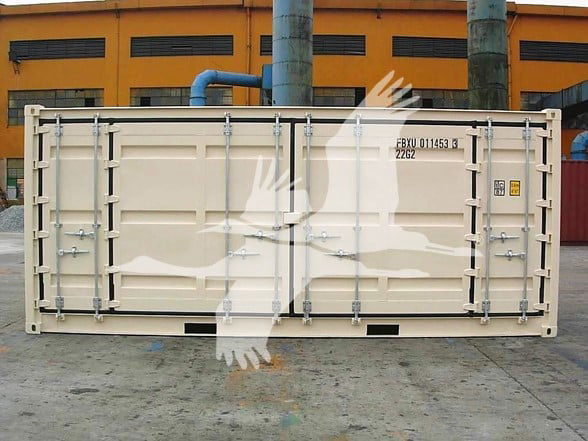
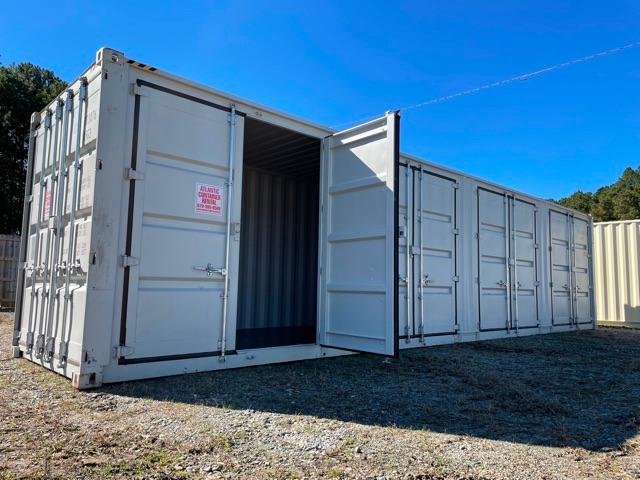
The most important spec decisions usually come down to length, height, and intended handling method. Standard-height 40-foot containers remain common for general freight and export moves, while 40-foot high cubes offer extra internal volume for lighter, bulkier cargo. Domestic 53-foot containers typically provide much more usable cube and are often built with steel crossmembers, laminated hardwood floors, and reinforced gooseneck tunnel areas for chassis mounting. If the unit will be lifted by spreader, stacked in a yard, or transferred regularly between rail and highway service, pay attention to corner fitting condition, floor rating, side rail integrity, and any visible distortion around the top rails or end frames. On open-side or specialty containers, door hardware and side opening alignment deserve close inspection because those features add convenience but also create more points of wear.
Condition on 2021 container equipment can vary widely even within the same model year. Single-use containers are often preferred by buyers who want a cleaner box with less corrosion, fewer repairs, and straighter doors, but they still need inspection for transit damage, floor moisture intrusion, and bent corner posts. Used units may be a better value for static storage, jobsite use, or modification projects, especially if cosmetic wear is acceptable. Common buyer checkpoints include CSC plate status if international service is planned, inside cubic capacity, floor thickness, crossmember spacing, roof panel condition, and signs of previous patchwork. For domestic operation, confirm compatibility with the chassis, securement points, and any local or regional requirements tied to intermodal handling.
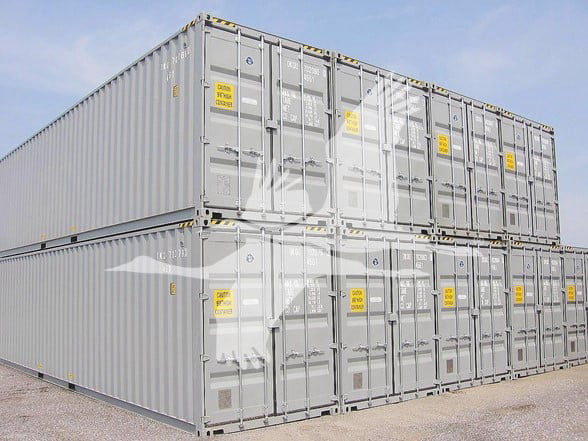
A 2021 container can serve as a storage asset, an intermodal freight box, or a platform for custom conversion, but the right choice depends on how it will be loaded, moved, and secured over time. Dry freight containers dominate this segment, yet details like high cube height, open-side access, and floor rating can change day-to-day usefulness more than age alone. Buyers comparing listings should focus on structural condition, dimensional fit, cargo volume, and handling requirements before price. A well-matched container saves time at the dock, reduces loading issues, and holds value better when resale or redeployment becomes part of the plan.
Frequently Asked Questions about 2021 Container Trailers
What is the difference between a 40-foot shipping container and a 53-foot domestic container?
A 40-foot shipping container is typically built to ISO standards for international transport and marine handling, while a 53-foot domestic container is designed for North American intermodal and over-the-road freight. The 53-foot unit offers more cubic capacity and is common in domestic distribution networks, but it is not the same as an ocean container in structure, handling standards, or chassis fit. Buyers should match the container to the freight lane and handling environment rather than assuming all container lengths are interchangeable.
Is a high cube container better than a standard-height container?
A high cube container is better when cargo is light, bulky, palletized high, or when every extra inch of interior height matters. The added height increases cubic capacity, which can improve efficiency on volume-limited loads. A standard-height container may still be the better fit where route restrictions, stacking consistency, or equipment standardization matter more than cube. The right choice depends on freight profile and handling requirements.
What should I inspect on a 2021 used or single-use container?
Start with the corner castings, corner posts, roof panels, crossmembers, floor, and door frame alignment. Check that the doors open and close correctly, the seals are intact, and there is no evidence of major racking, patchwork, or water intrusion. On domestic containers, review the gooseneck tunnel area, floor rating, and understructure condition. Model year alone does not guarantee condition, so a physical inspection remains important even on newer equipment.
Can a container be used for both storage and freight service?
Many containers can do both, but the required standard is different. For static storage, buyers usually focus on weather tightness, floor condition, security, and overall structural soundness. For freight service, the container also needs to meet handling, lifting, and transport demands, which puts more emphasis on frame integrity, corner fitting condition, and certification status if applicable. A storage-ready container is not automatically ready for intermodal freight use.
Why does floor rating matter on a container?
Floor rating determines how much concentrated cargo weight the container floor can support without damage. This matters when loading heavy pallets, machinery, paper rolls, or forklifts during loading and unloading. A stronger floor and understructure reduce the risk of sagging, broken boards, or long-term structural fatigue. Buyers moving dense freight should verify floor construction and rating before committing to a unit.