
Trailers For Sale Near Cheyenne, Wyoming
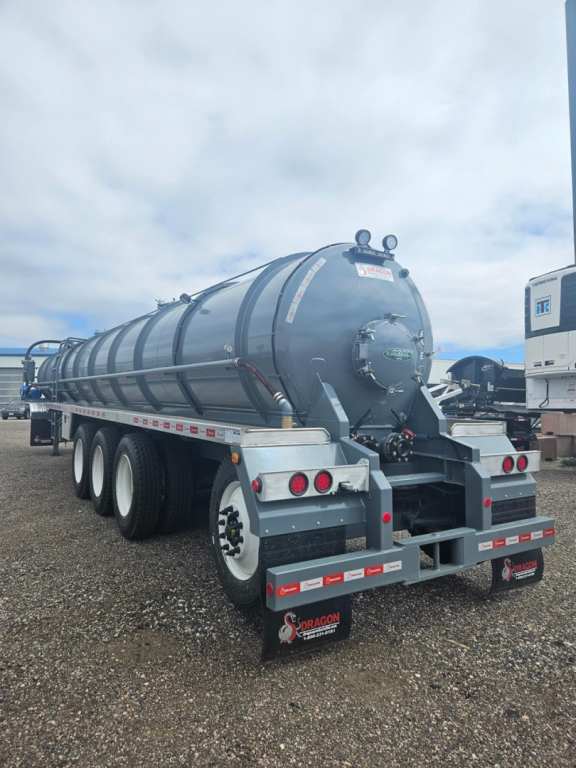
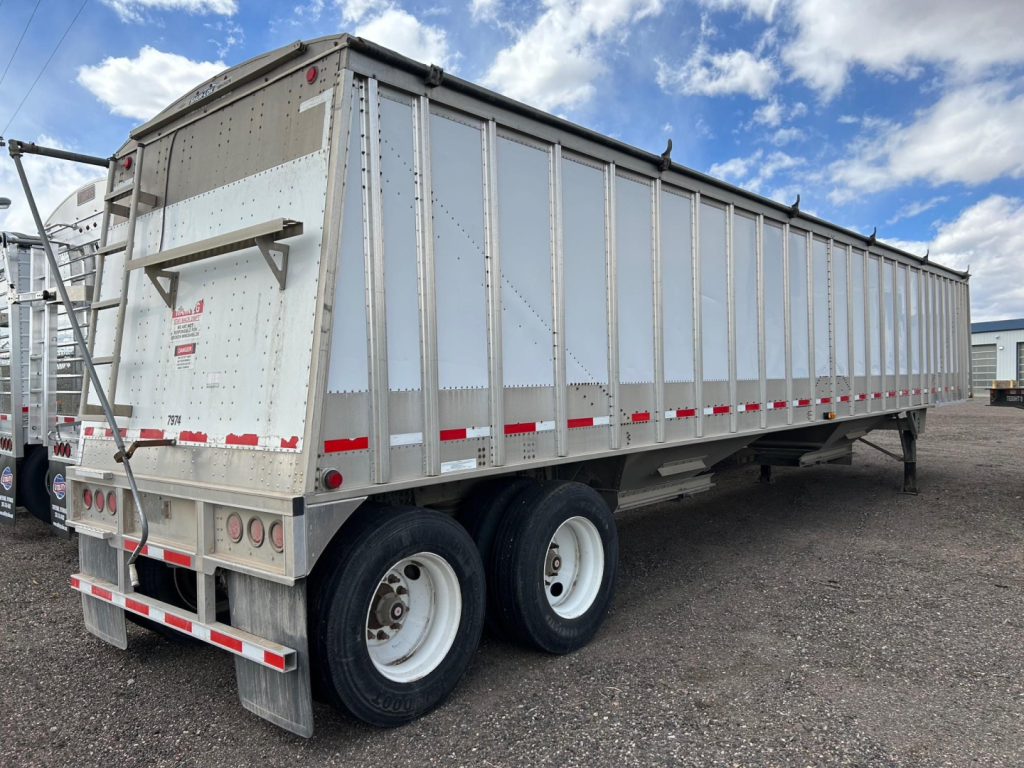
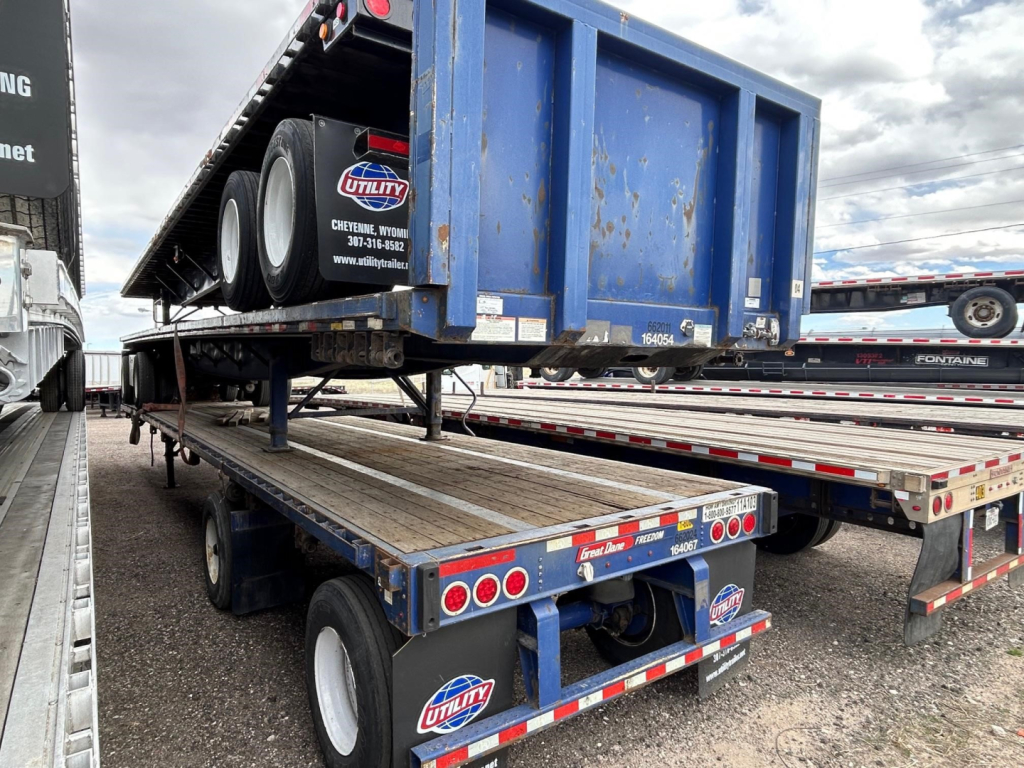
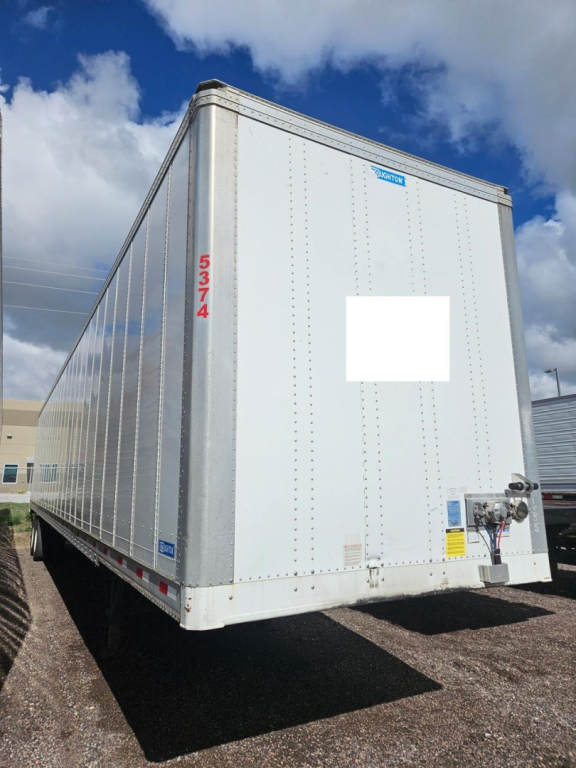
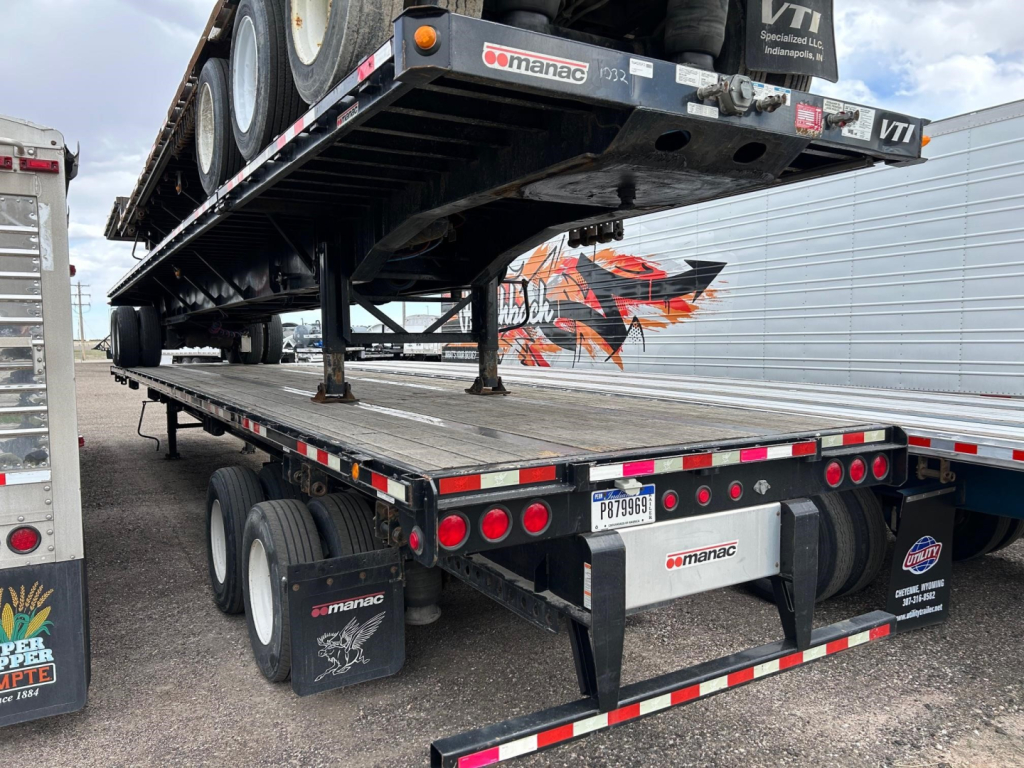
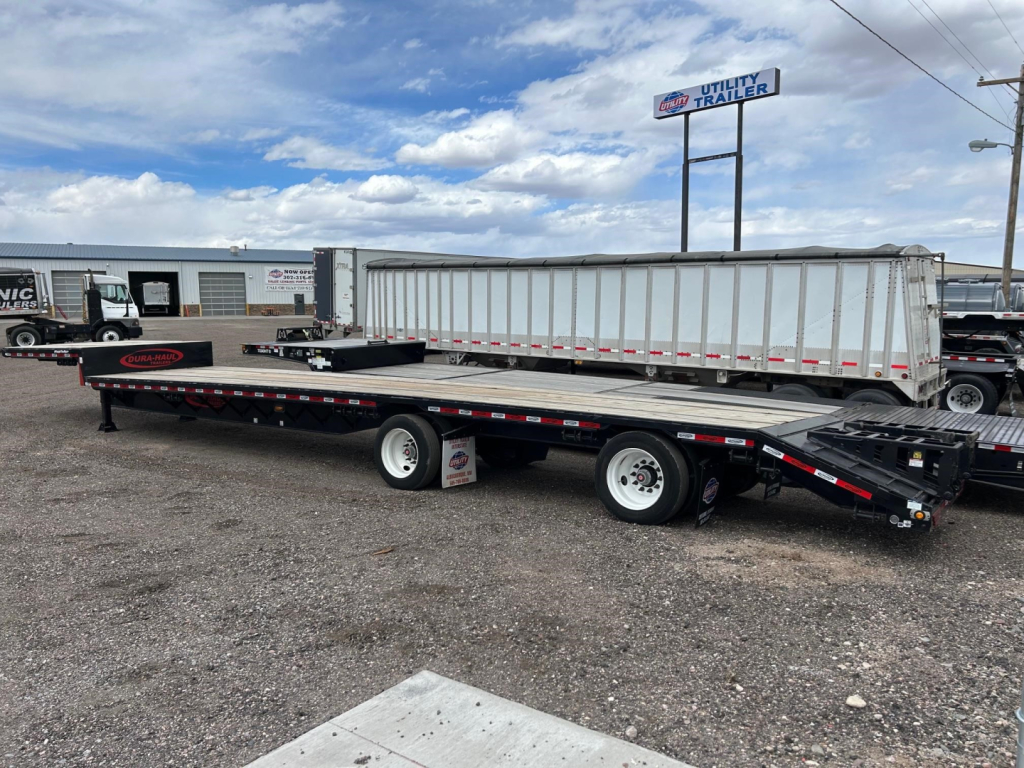
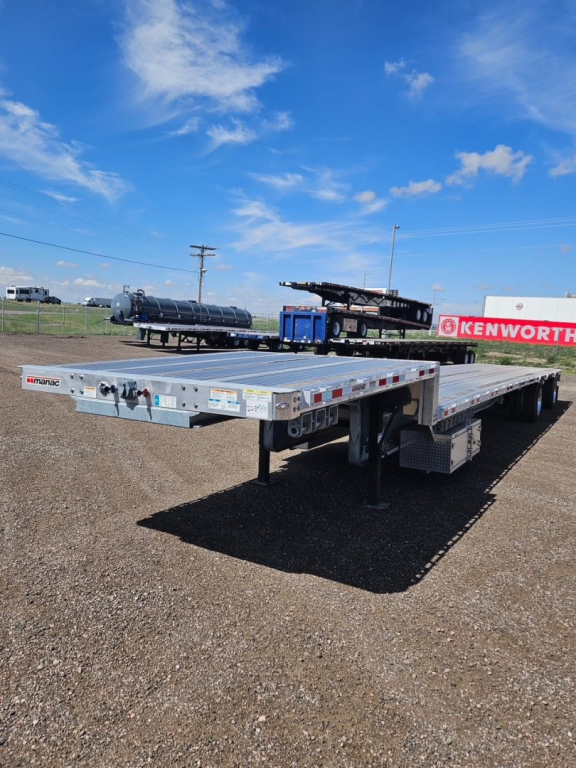
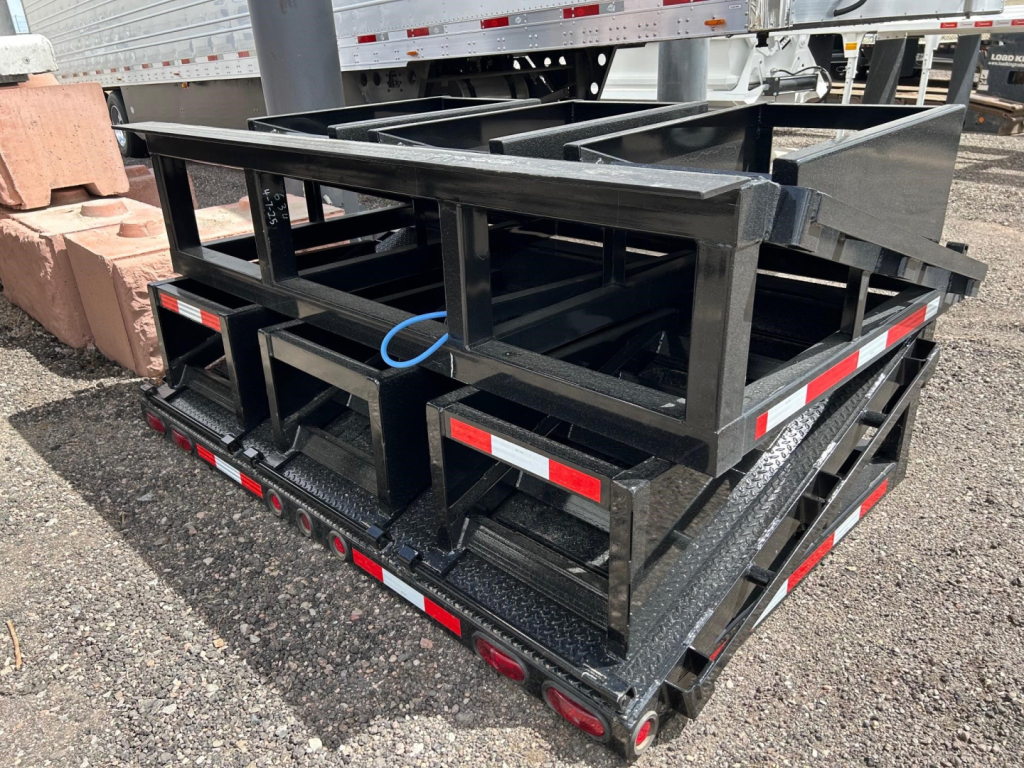
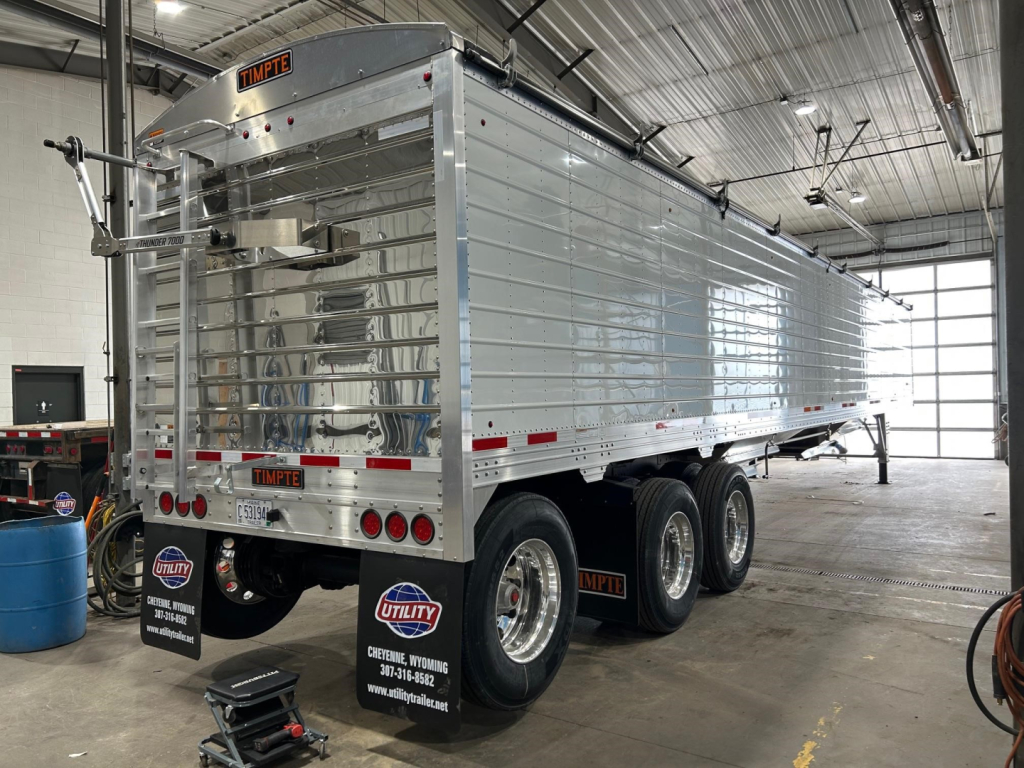
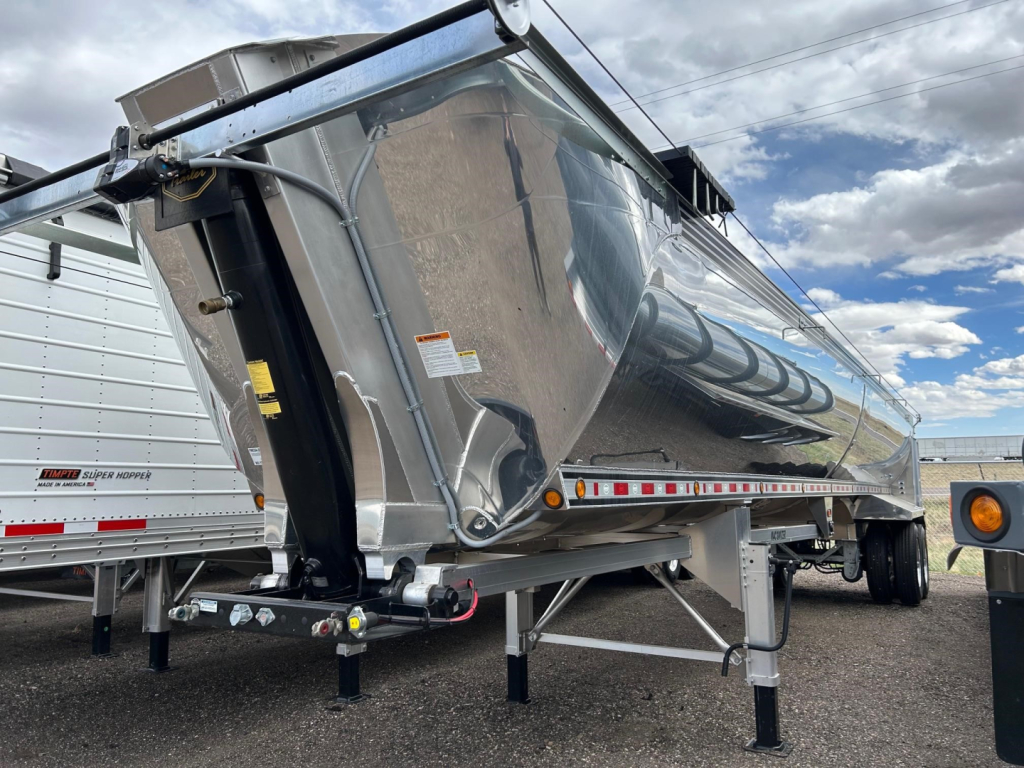
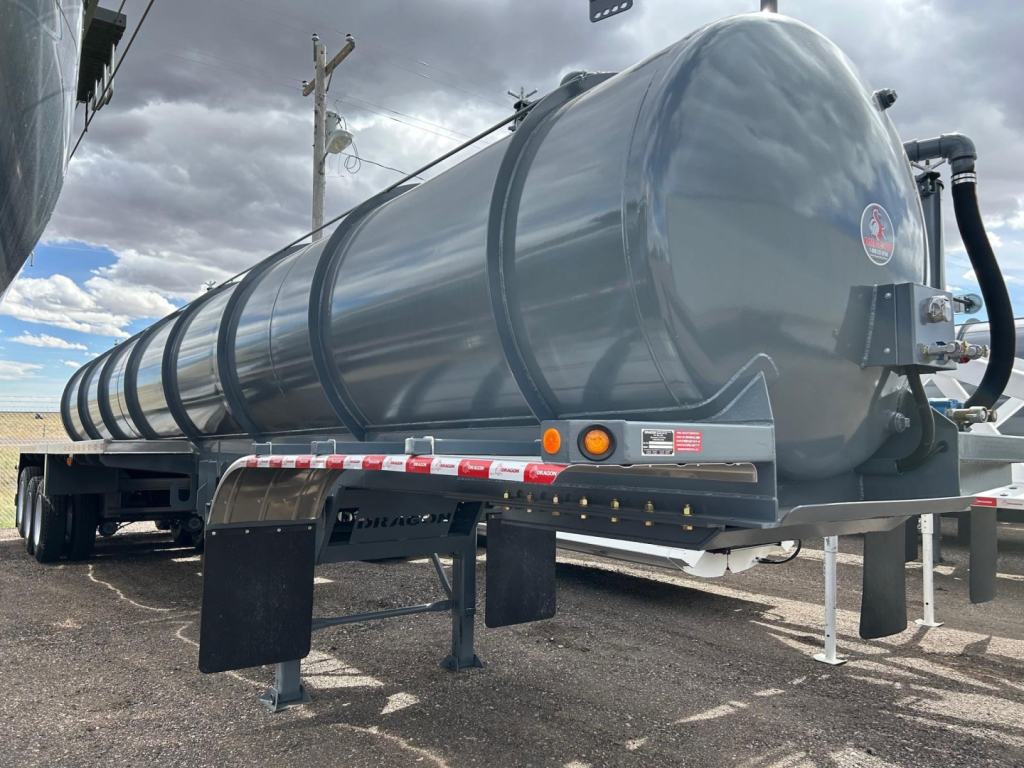
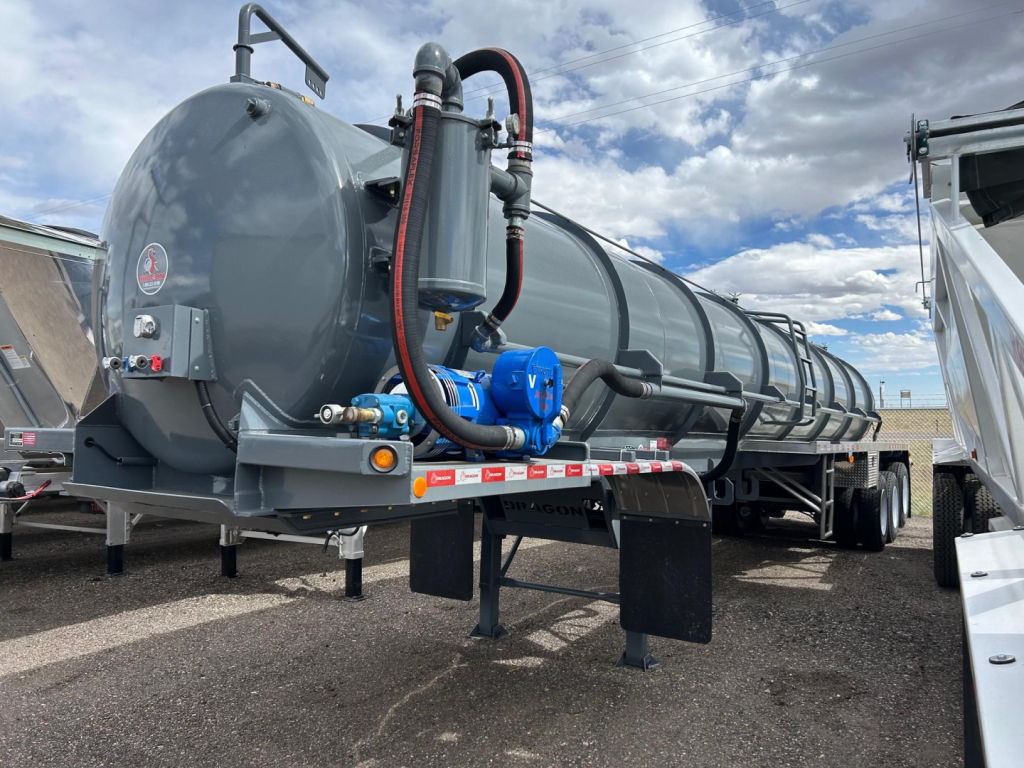
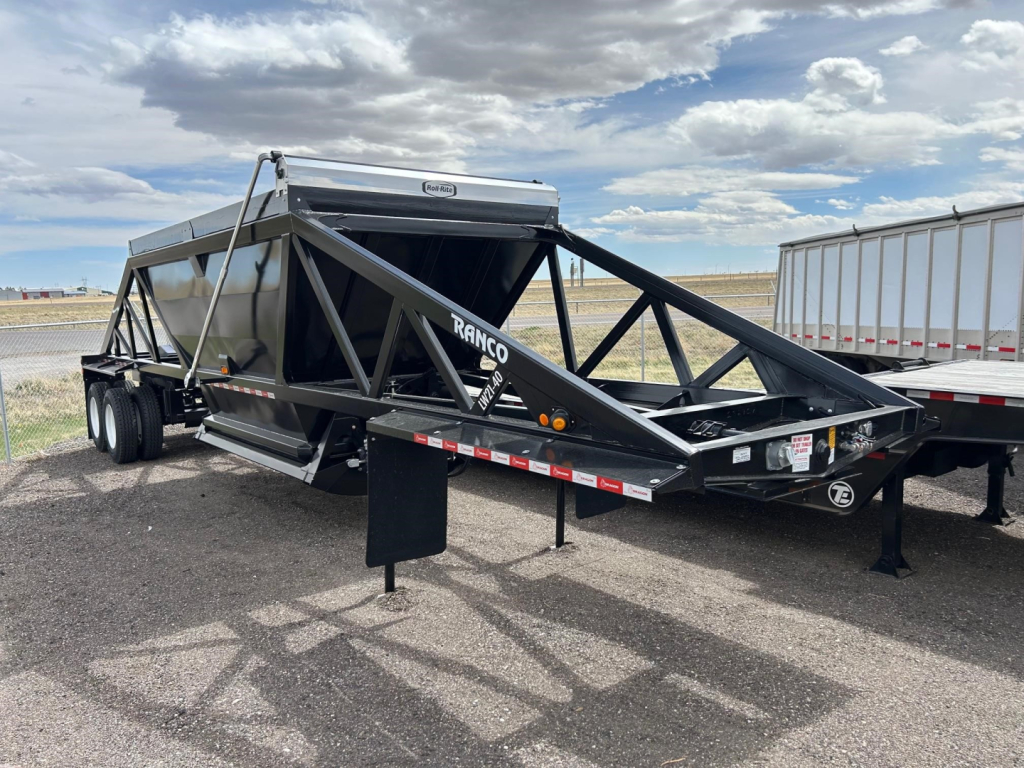
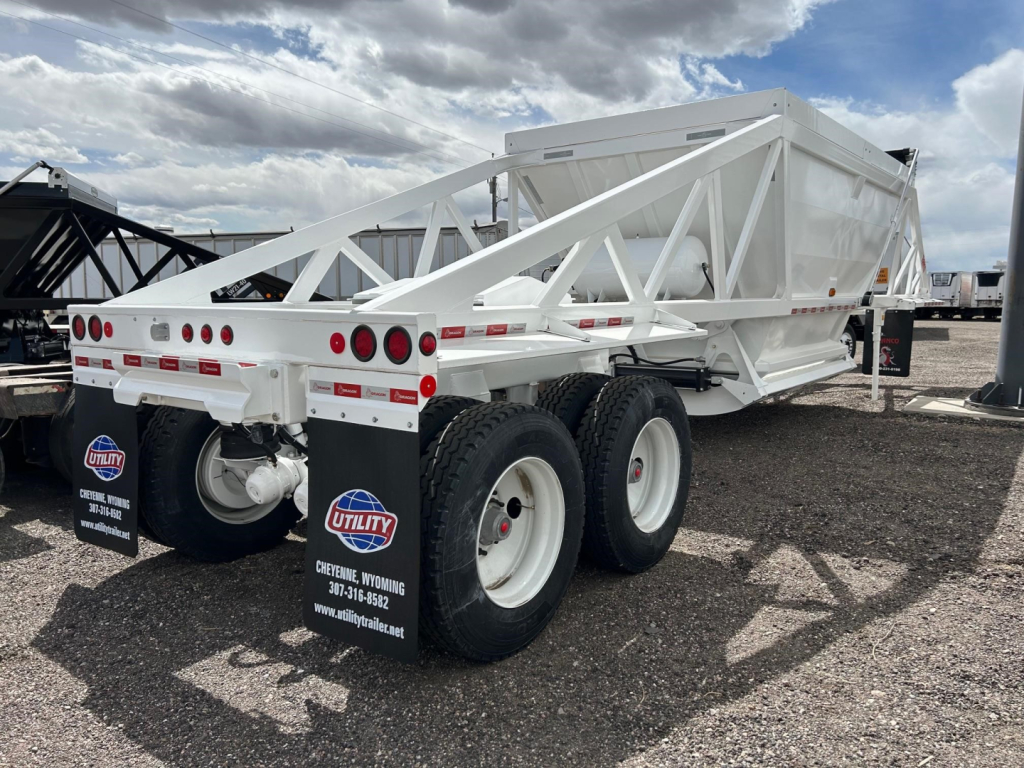
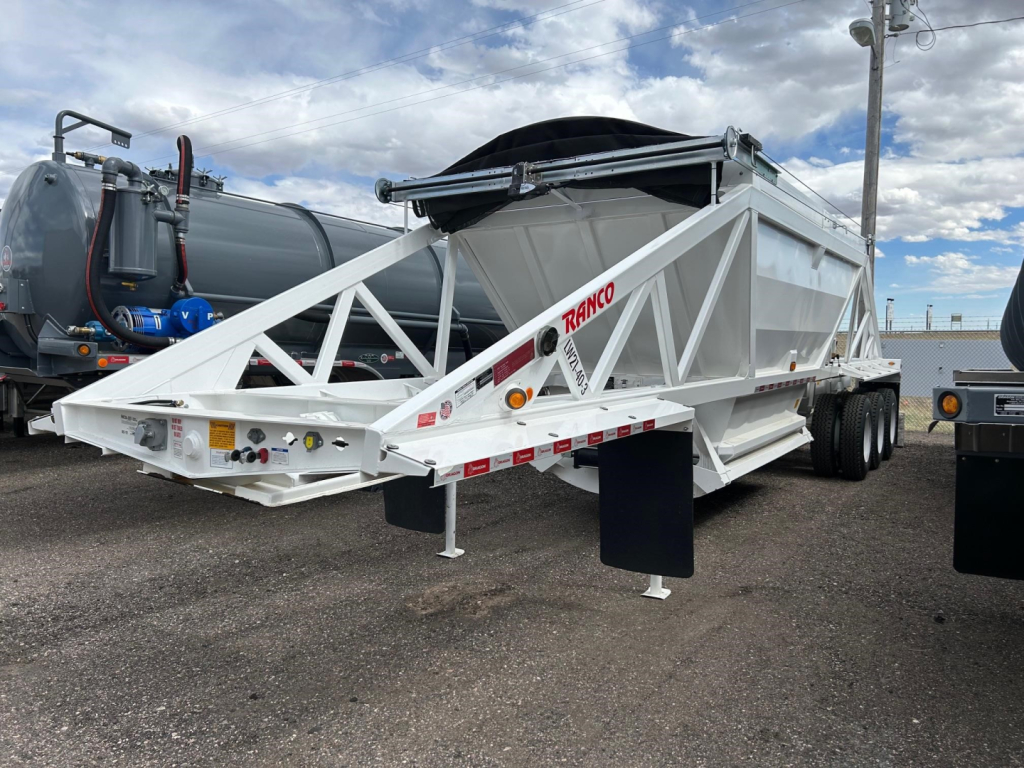
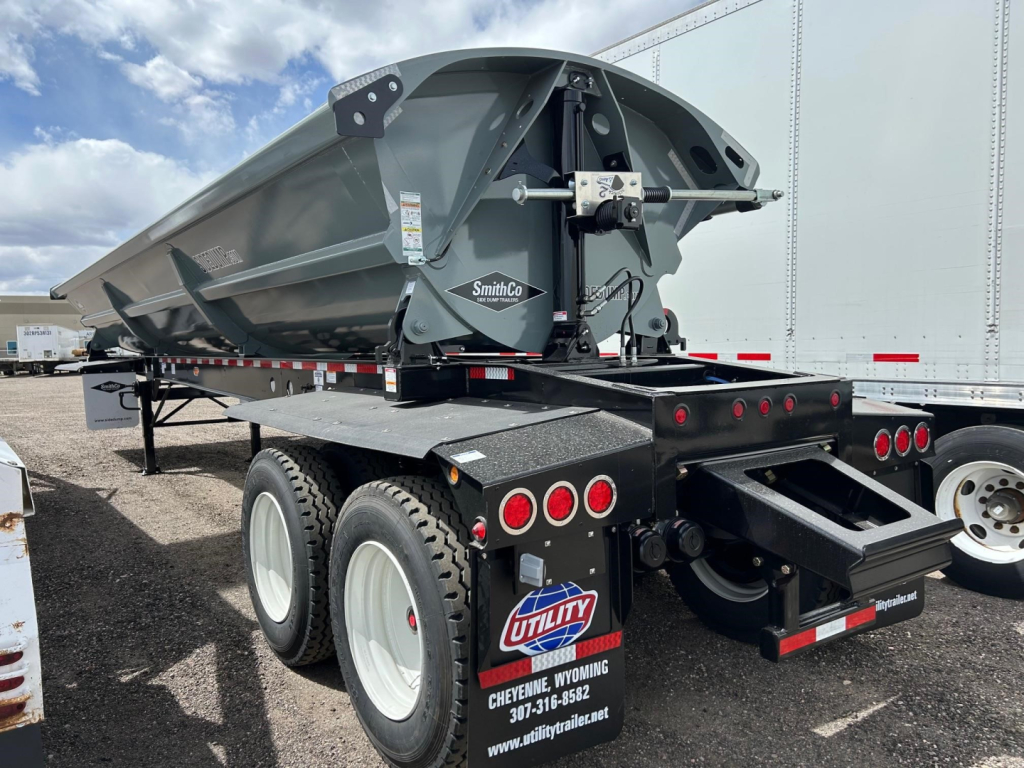
Showing 1 to 24 of 25 results
Have trailer to sell? List it here to reach thousands of buyers.
Trailers Near Cheyenne, Wyoming
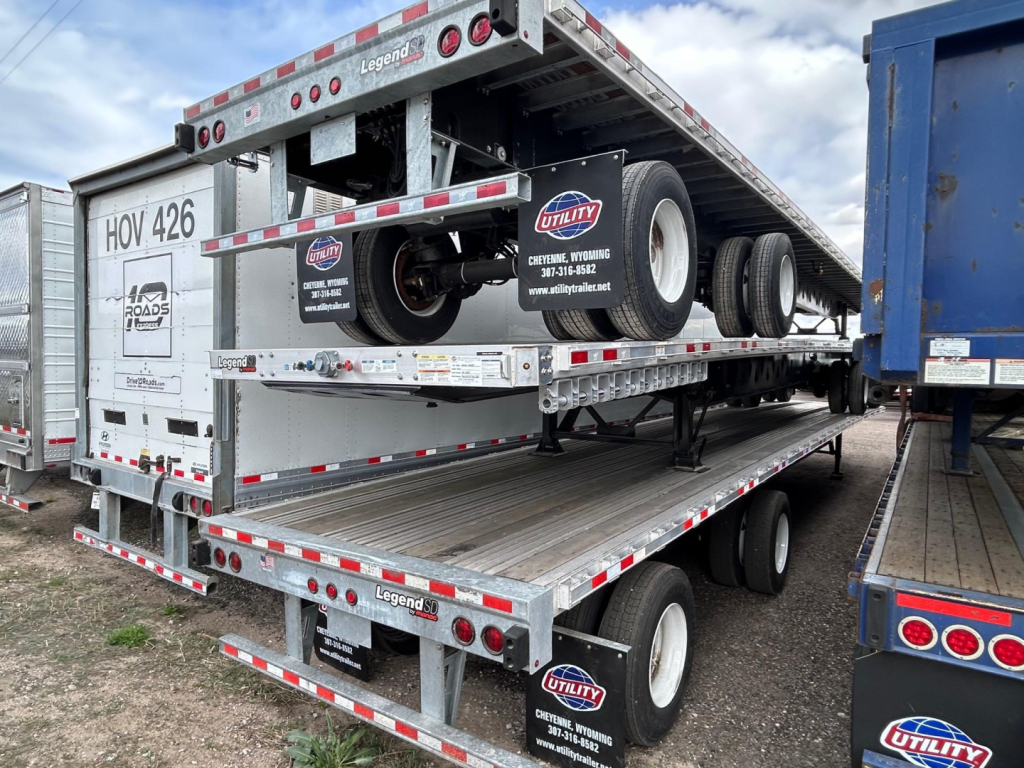
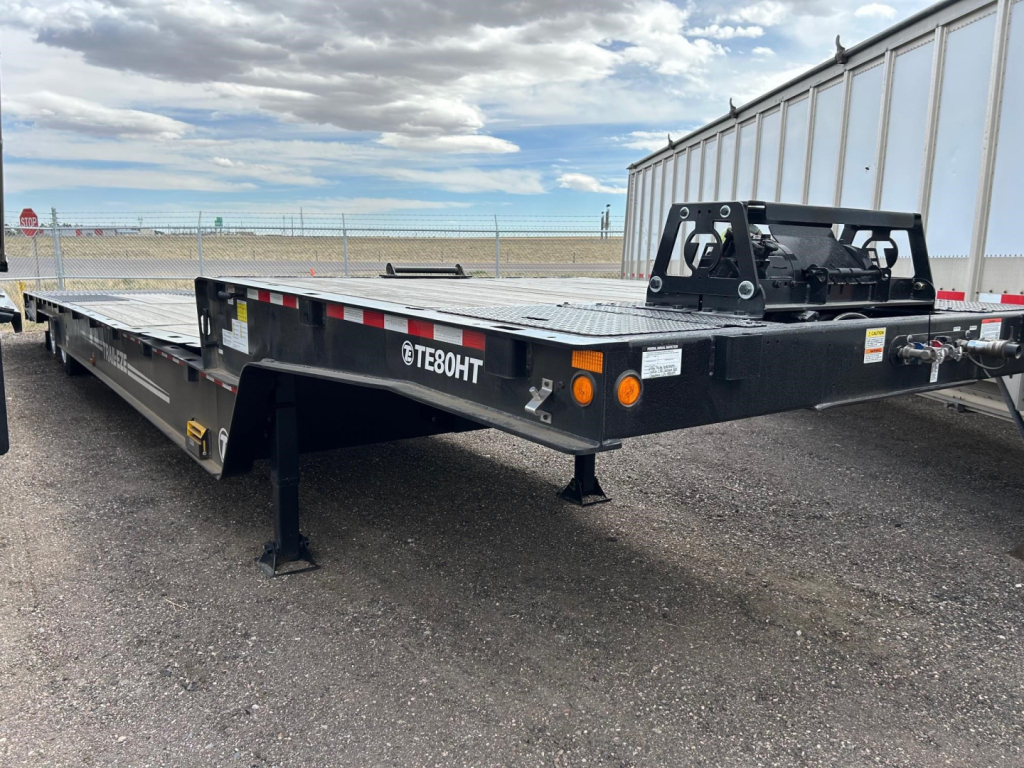
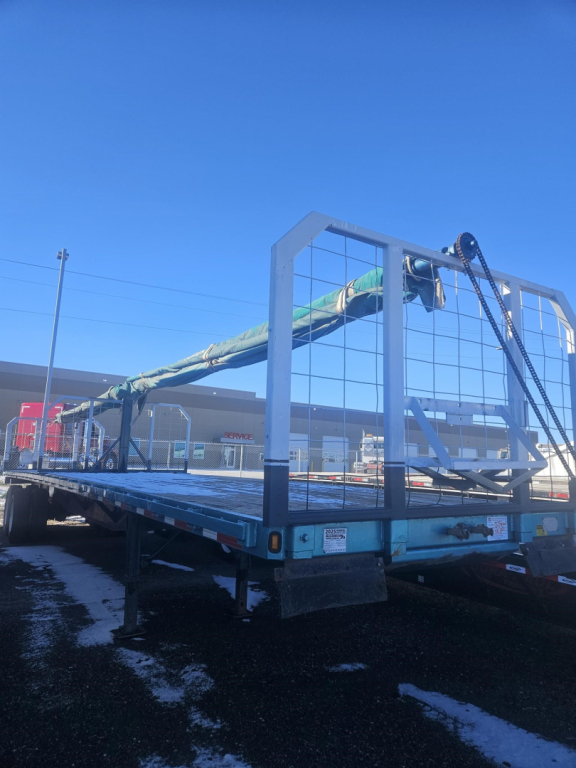
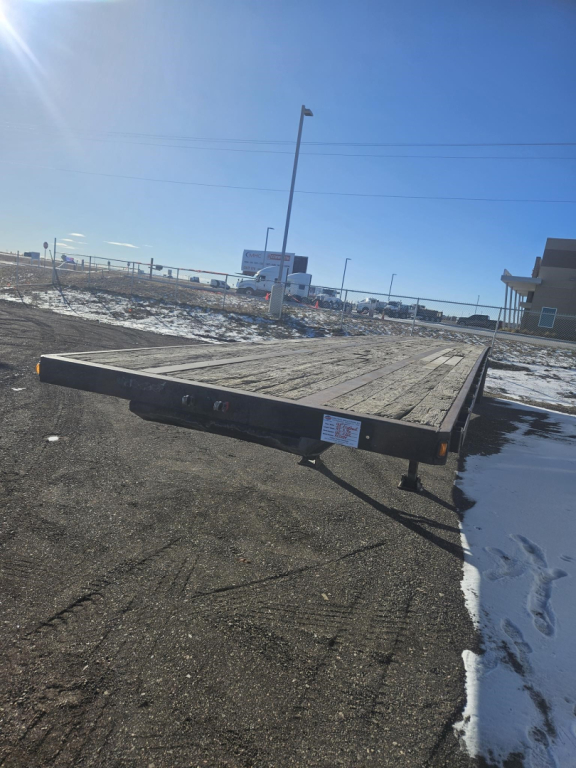
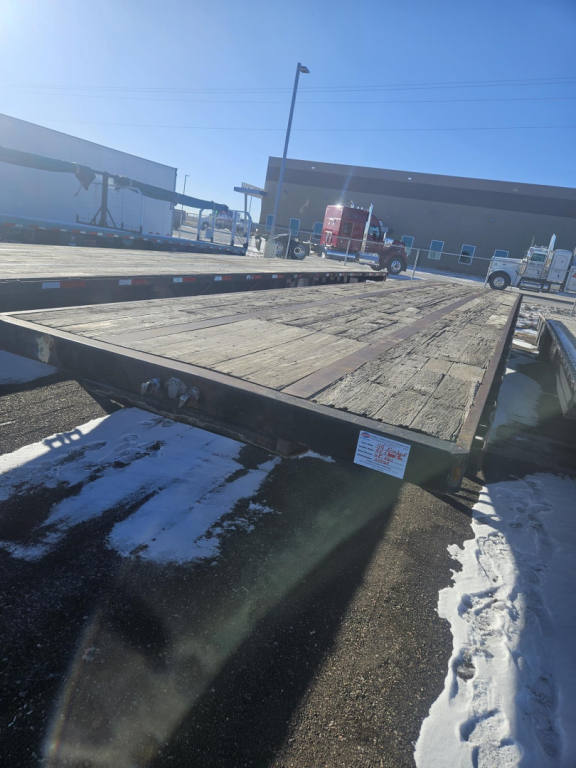
Material construction is one of the biggest decision points. All-steel trailers generally cost less up front and hold up well in severe service, but they carry more tare weight. Combination trailers with steel main beams and aluminum decking or side rails help recover payload while still keeping structural strength in the high-stress areas. Deck type matters too. Wood floors are common on older flatbeds and are practical for mixed freight because they are repairable and provide grip. Aluminum floors reduce weight and can be attractive for payload-sensitive operations, but buyers should inspect for damage, corrosion, and prior deck repairs. On open-deck trailers, features like stake pockets, pipe spools, sliding winches, nail strips, and rub rails are not minor details. They determine how efficiently the trailer can be secured for steel, lumber, pipe, palletized freight, machinery, and other irregular loads.
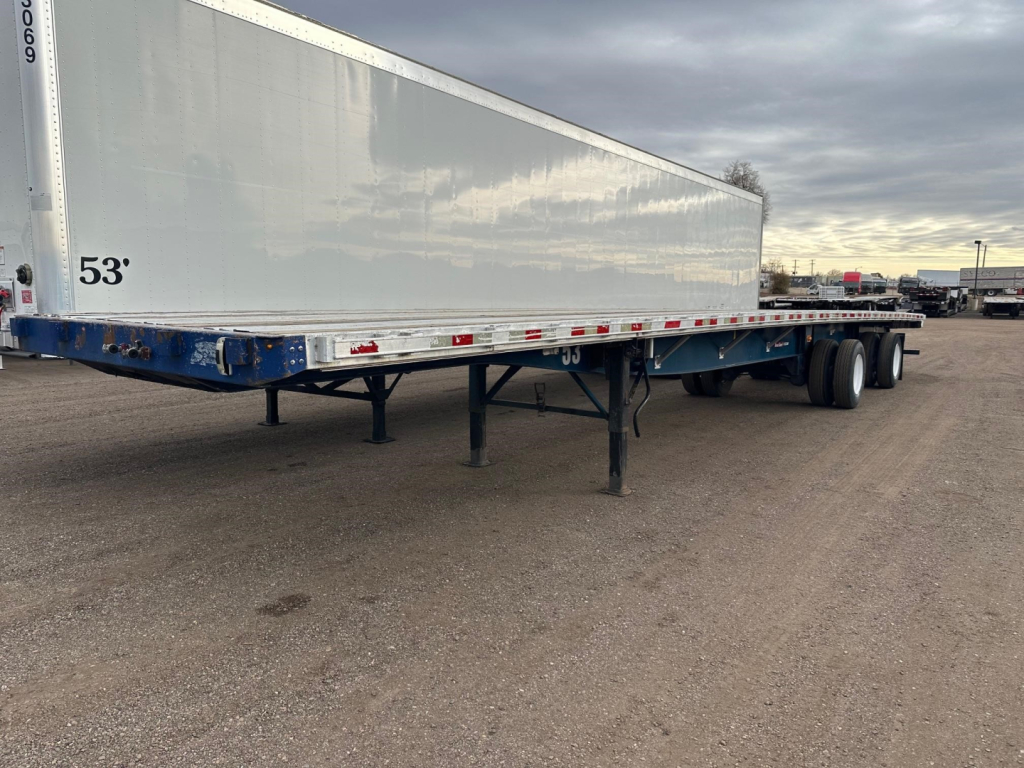
Suspension and axle configuration also deserve close attention. Spring ride trailers remain common because they are simple and durable, especially in vocational or shorter-haul use. Air ride is often preferred for better load protection and ride quality, particularly on longer runs or higher-value freight. A sliding tandem offers flexibility for weight distribution and dock positioning, while a fixed spread axle can improve stability and legal load placement in some applications, though it may be less forgiving in tight urban turns. Tire size, wheel material, landing gear condition, brake components, and tire inflation systems should all be evaluated as part of operating cost, not just purchase price. In Wyoming and across the Mountain West, wind exposure, road conditions, and long loaded miles make running gear condition especially important.
Used trailers should always be judged on structural condition before appearance. Check the main beams, crossmembers, suspension hangers, kingpin area, axle alignment, and rear frame for cracks, repairs, or signs of overloading. On flatbeds, also inspect the deck, winch track, rub rail integrity, and stake pocket wear because those points see constant abuse in daily loading and securement. If the trailer is described as California legal or built around a specific axle spread, confirm that the dimensions and kingpin setting match the lanes and customers you plan to serve. The right trailer is not simply the lowest-cost unit. It is the one with the right deck length, tare weight, securement package, and axle layout for the freight profile that earns its keep.
Frequently Asked Questions about Trailers Near Cheyenne, Wyoming
What is the most common flatbed trailer size on the used market?
The most common flatbed size is 53 feet long by 102 inches wide, although 45-foot by 96-inch trailers are still seen in older fleets and specialized applications. A 53-foot trailer offers better load flexibility for building materials, machinery, and general open-deck freight, while a shorter 45-foot trailer may appeal to buyers focused on lower acquisition cost or regional hauling needs.
Should I choose a steel flatbed or a combination flatbed trailer?
A steel flatbed usually has a lower initial cost and is well suited for hard-use applications where durability matters more than tare weight. A combination flatbed uses steel in the main structural areas and aluminum in the deck or rails to reduce weight and improve payload capacity. The better choice depends on how often payload is the limiting factor and how demanding the freight and loading environment will be.
What is the difference between a sliding tandem and a fixed-spread axle trailer?
A sliding tandem trailer allows the axle group to move forward or backward to help with bridge law compliance, weight distribution, and loading dock access. A fixed-spread axle trailer has the axles set apart permanently, which can improve stability and legal axle spacing for some loads, but it typically reduces maneuverability in tight spaces. Buyers should match the axle layout to their routes, freight, and operating states.
Which flatbed trailer features matter most for load securement?
Stake pockets, pipe spools, rub rails, sliding winches, and nail strips are some of the most important flatbed features because they affect how easily and safely freight can be tied down. A trailer with a strong securement package can handle a wider range of cargo and reduce loading time. Buyers hauling steel, lumber, pipe, or machinery should inspect these components carefully for wear, damage, and evidence of repeated heavy use.
What should I inspect first on a used trailer before buying?
Start with the structural components: main beams, crossmembers, kingpin plate, suspension mounts, axle alignment, and rear impact area. After that, inspect the deck condition, brakes, tires, wheels, lighting, air system, and landing gear. Cosmetic appearance matters far less than frame integrity and running gear condition because those are the items that drive repair cost, downtime, and long-term value.