
Chaparral Trailers For Sale
Browse Chaparral trailers for sale, including aluminum flatbeds known for light weight, payload efficiency, air ride suspension, and road-ready specs.
No exact matches found for your search
Showing Trailers instead.
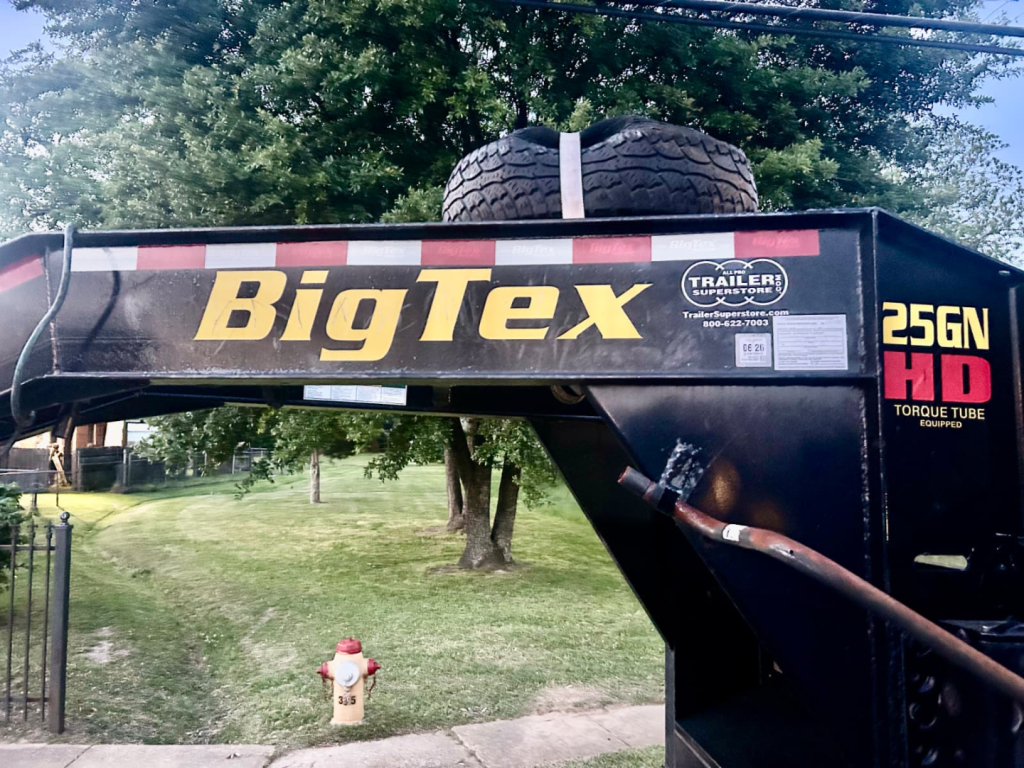
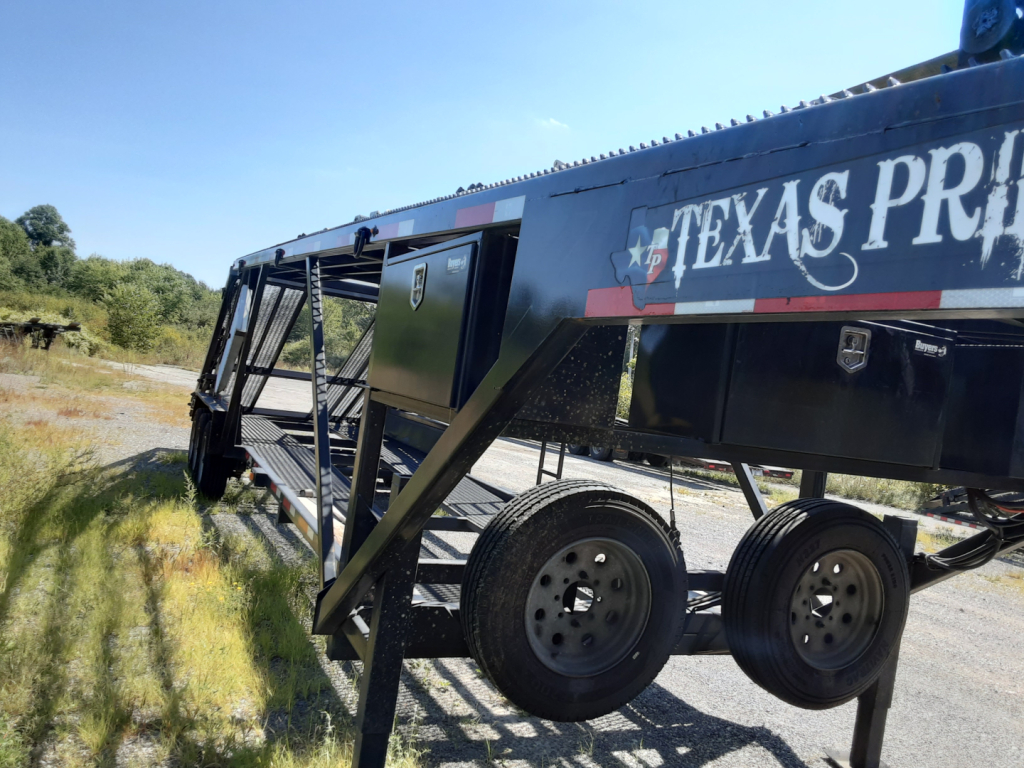

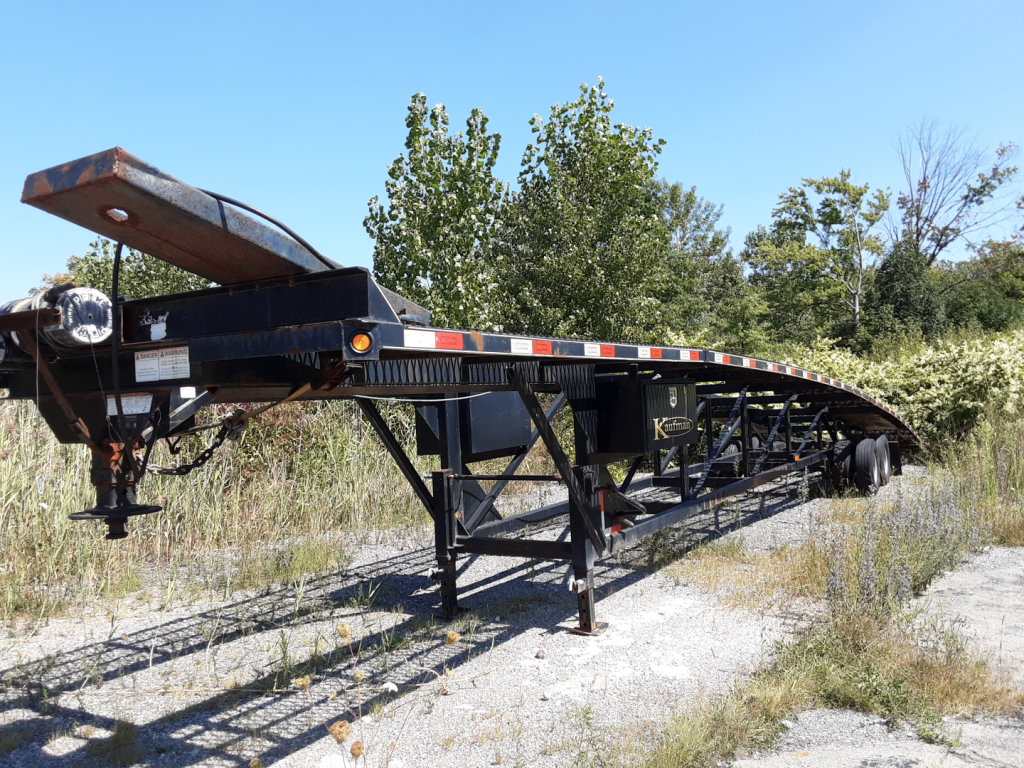
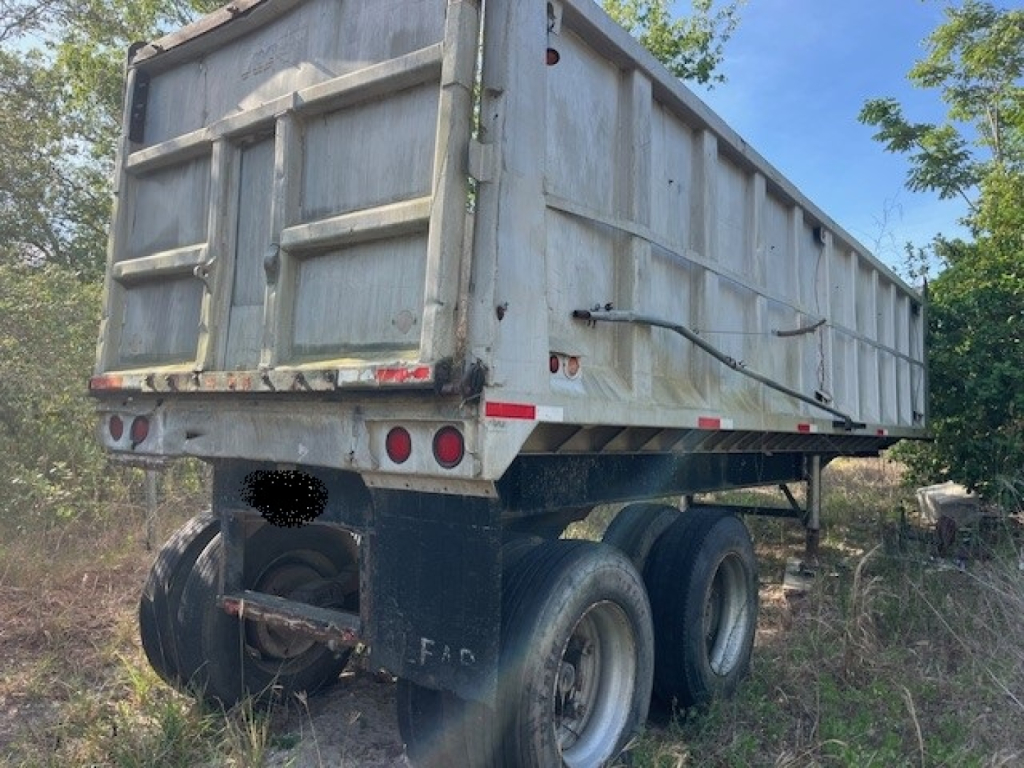
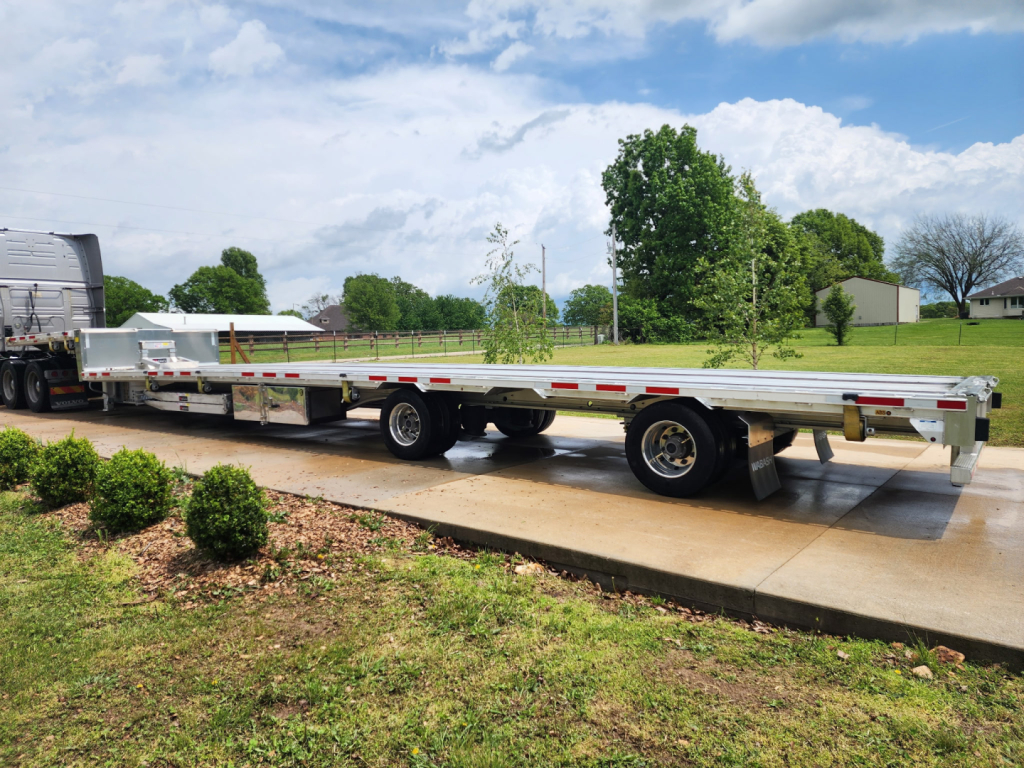
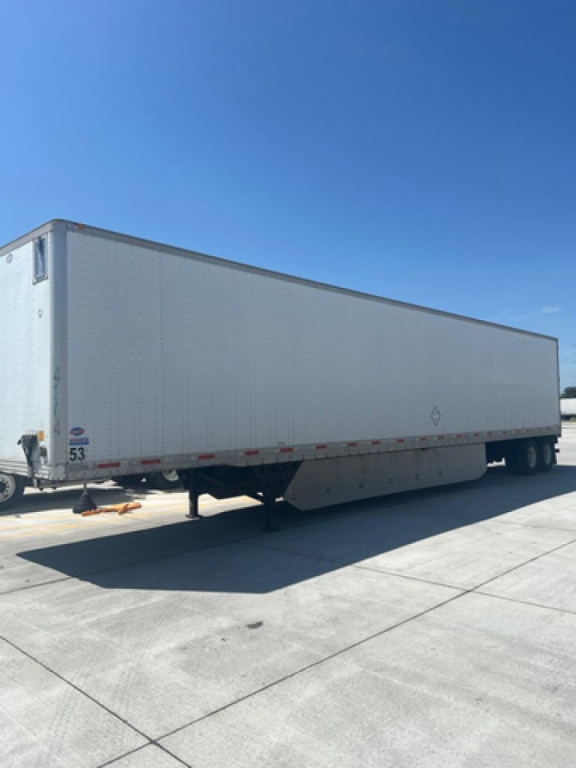
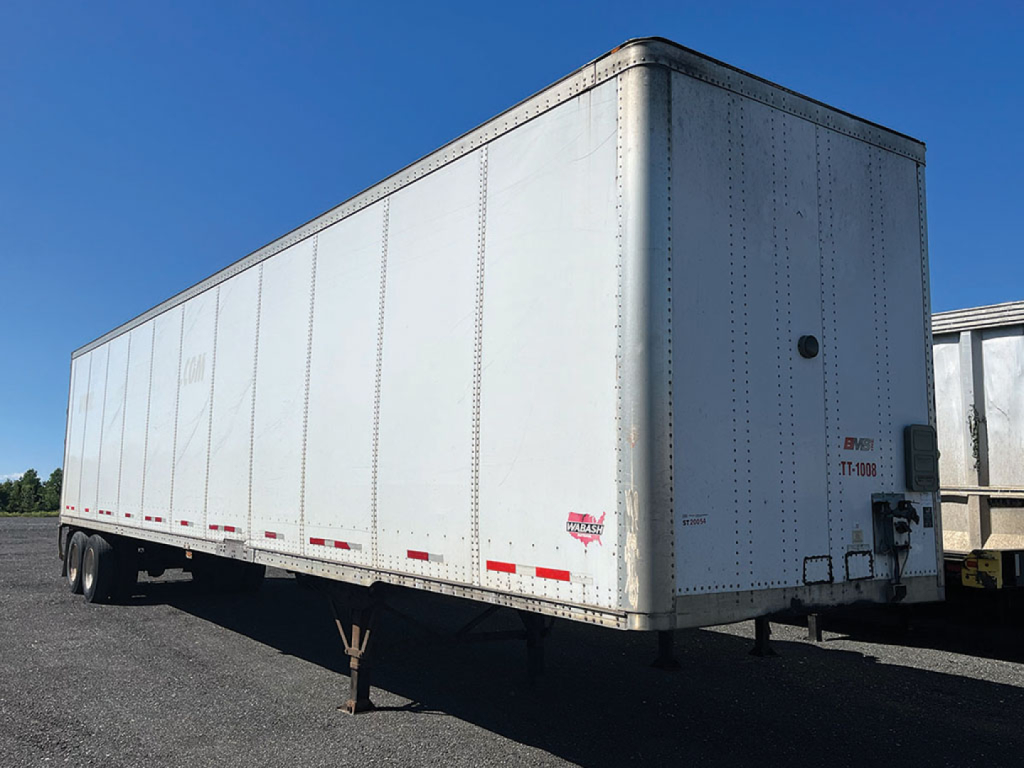
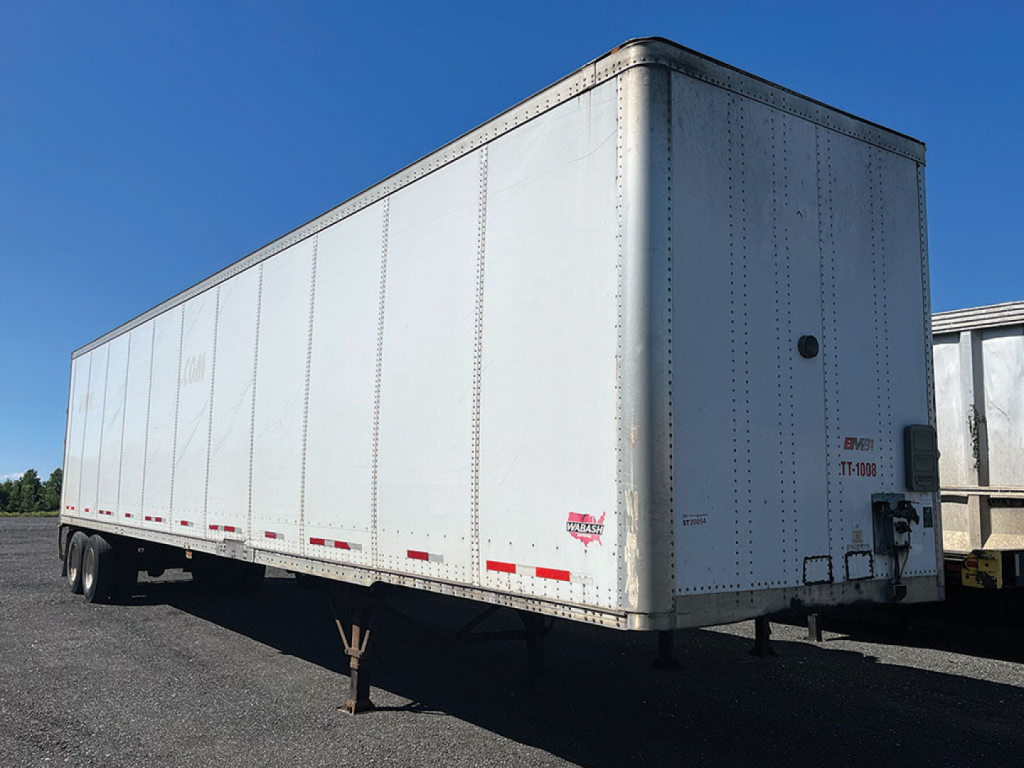
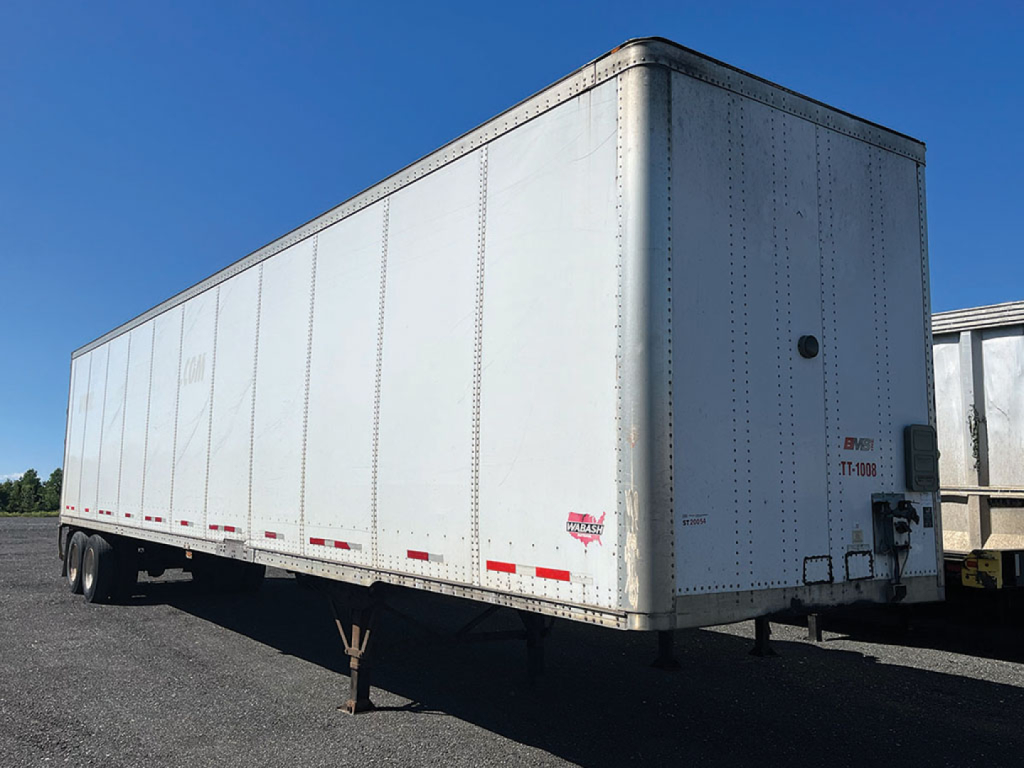
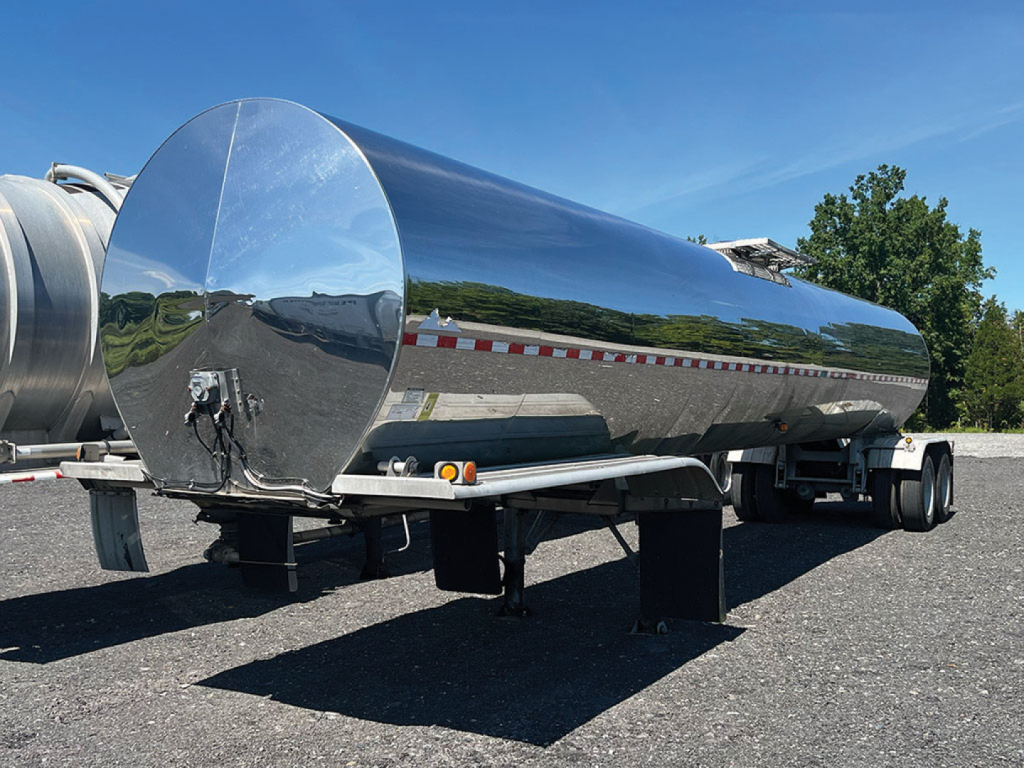
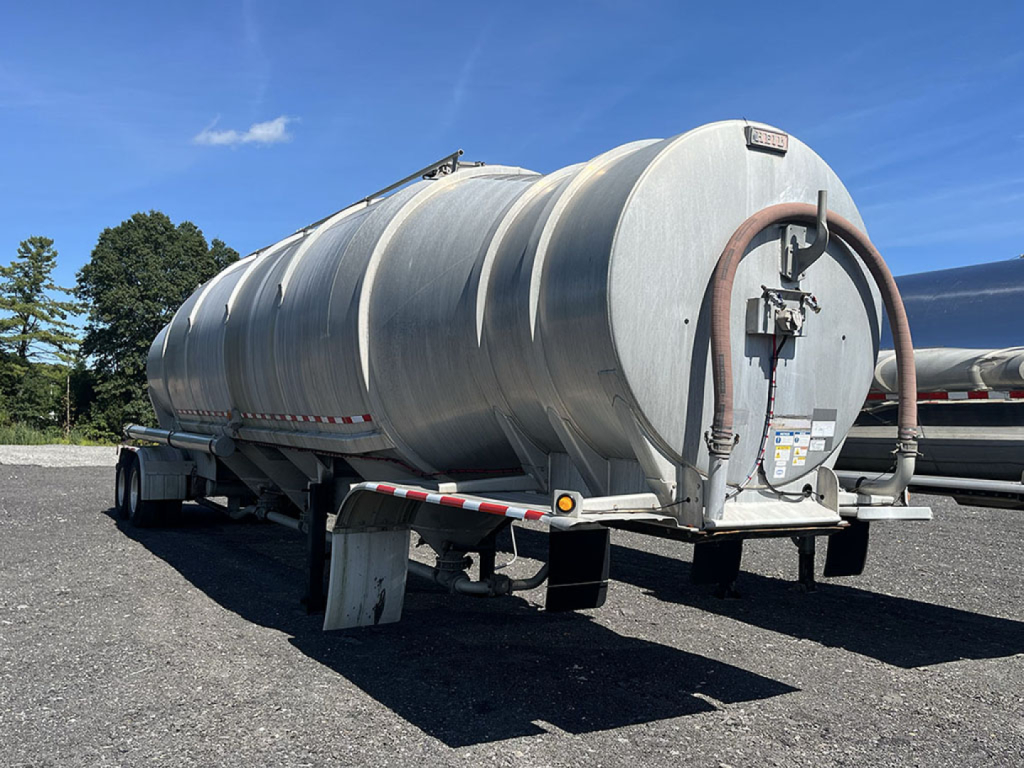
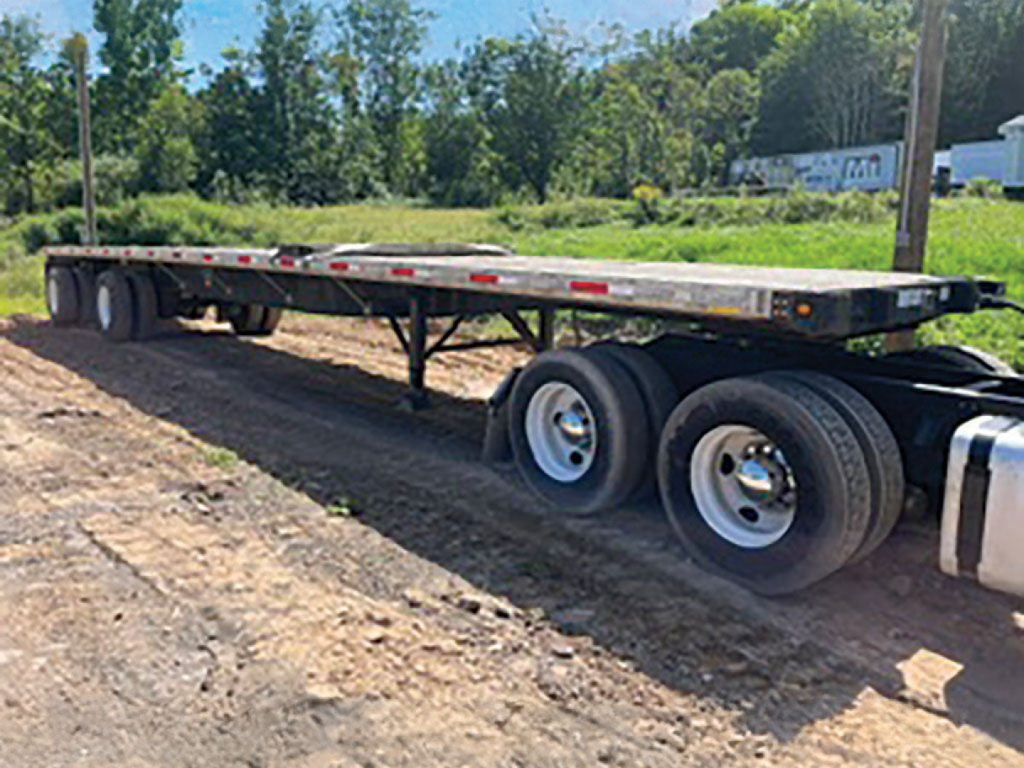
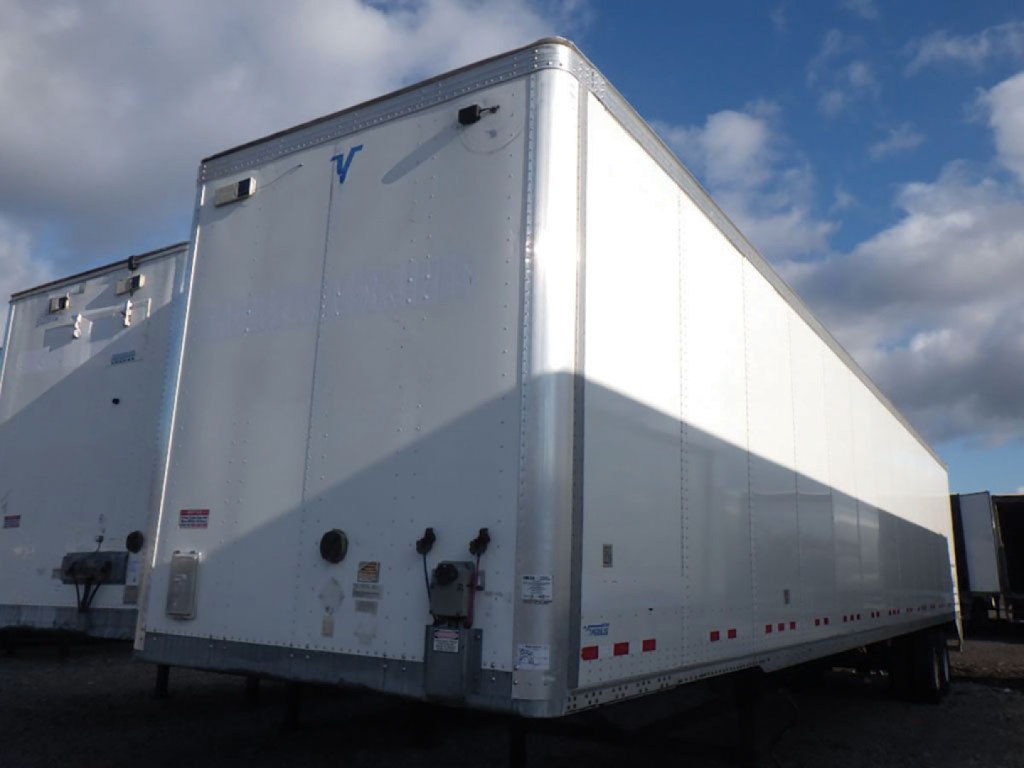
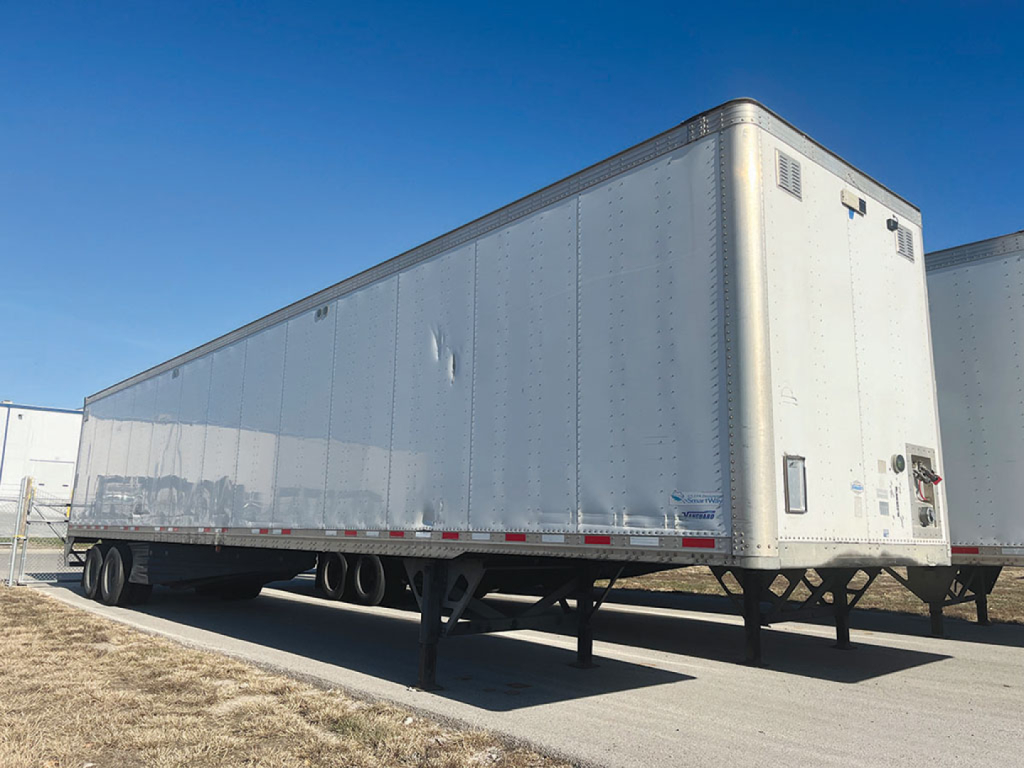
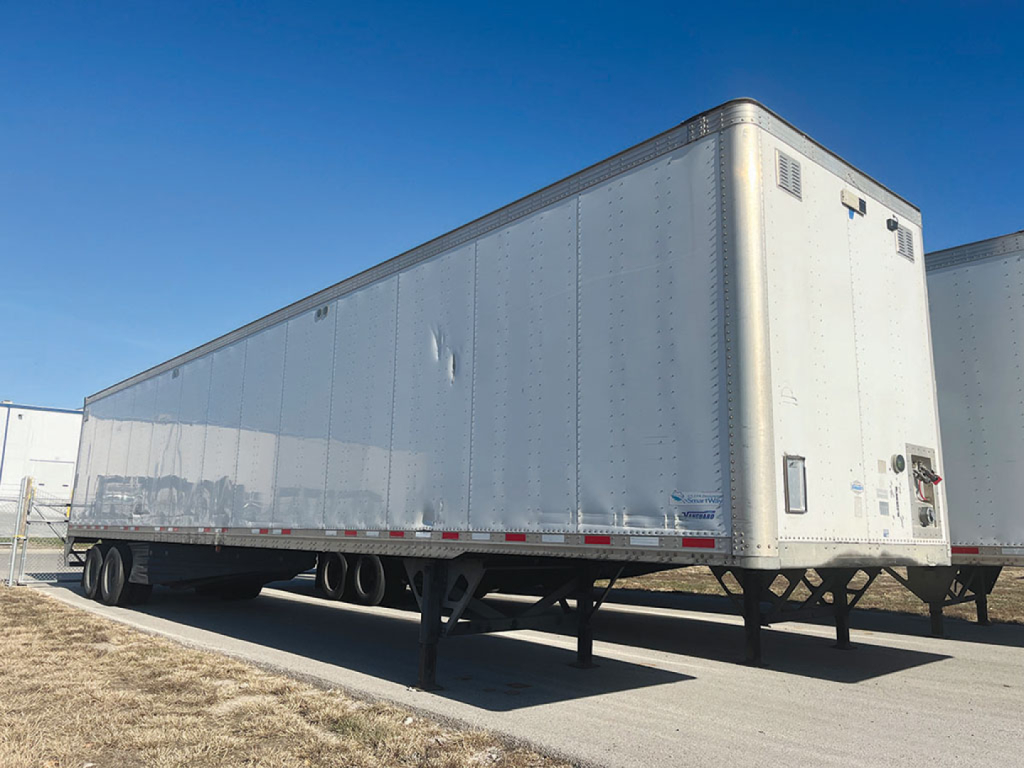
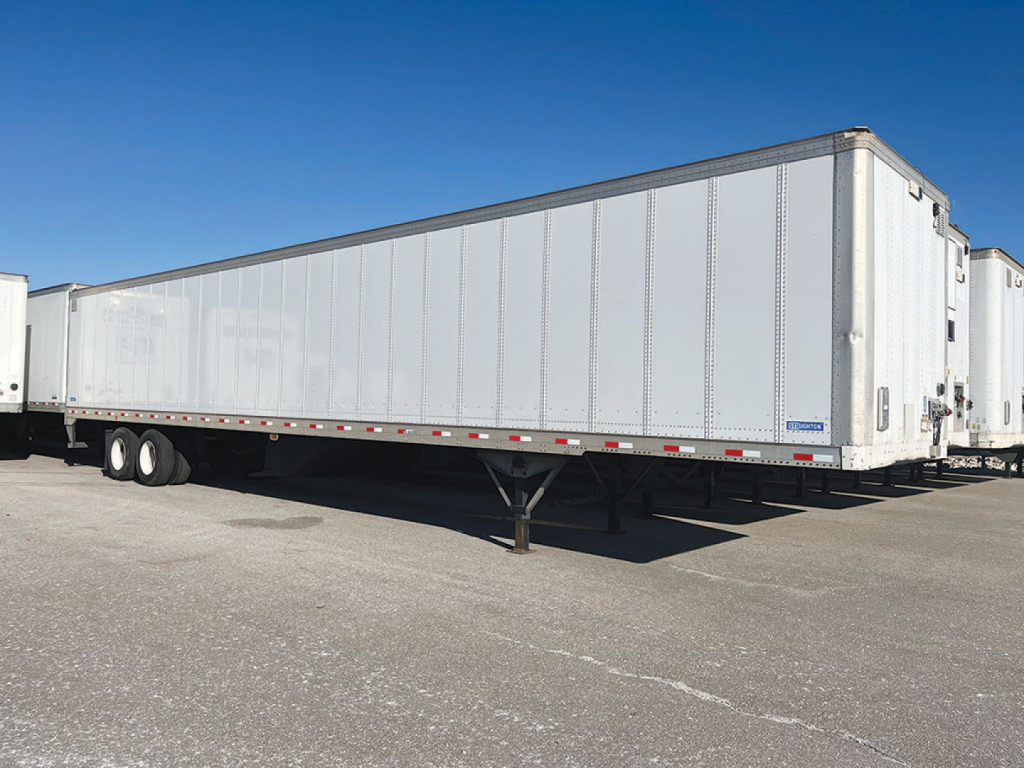
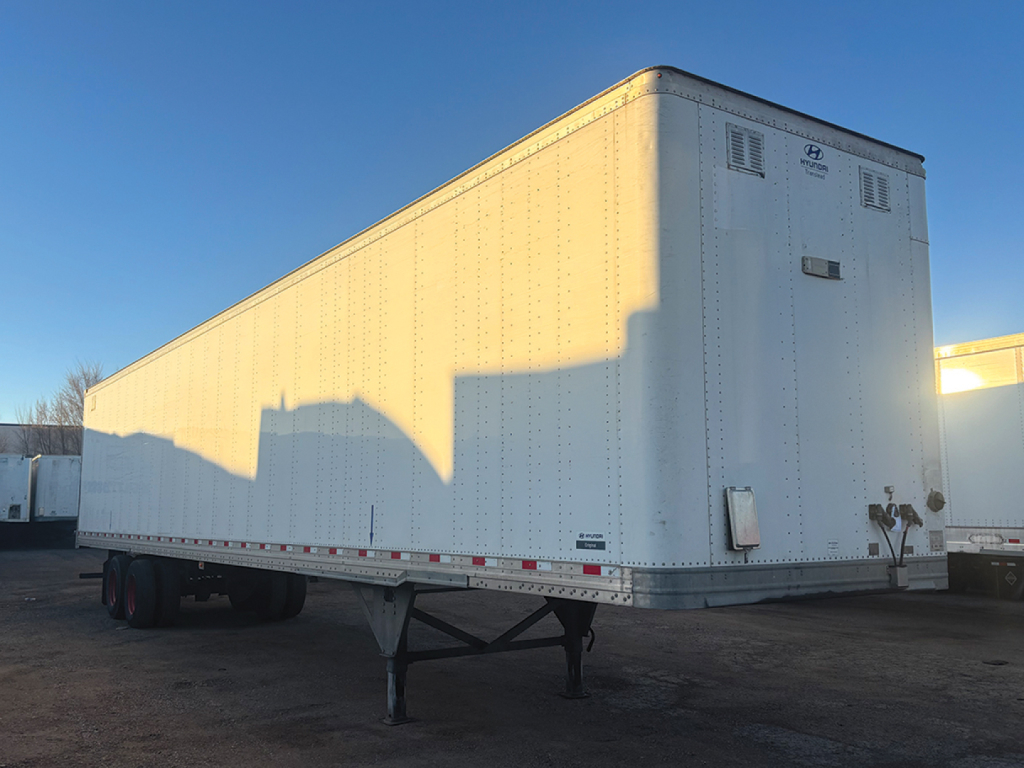
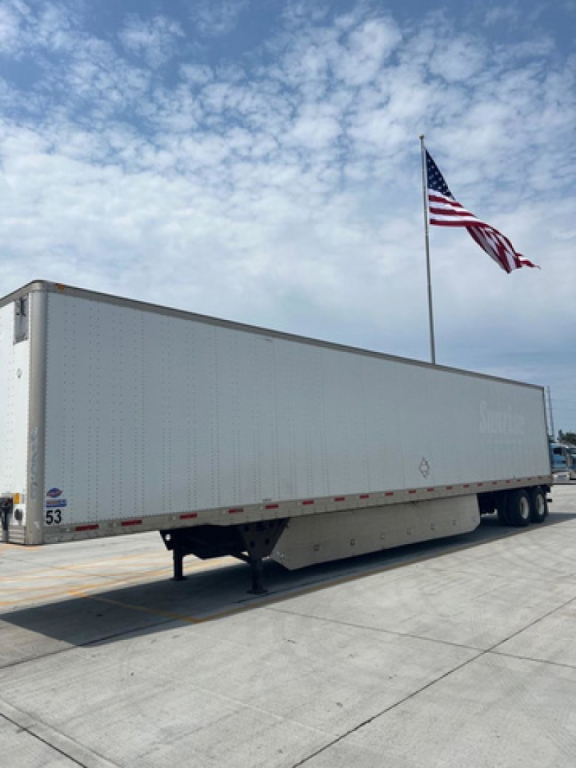
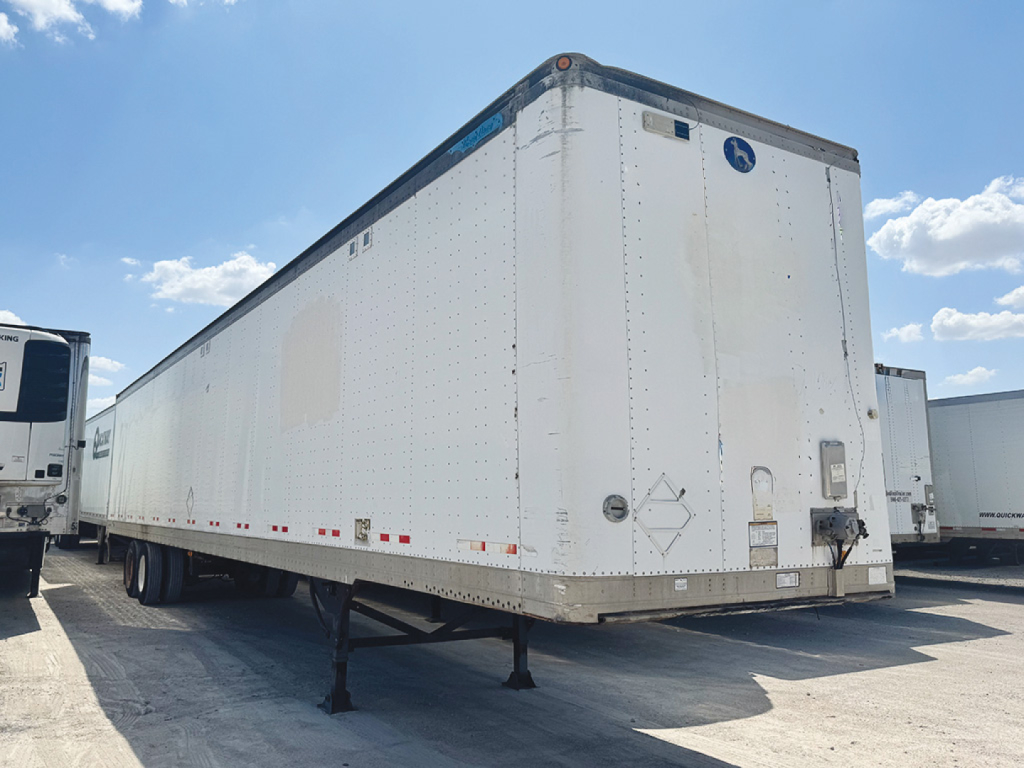
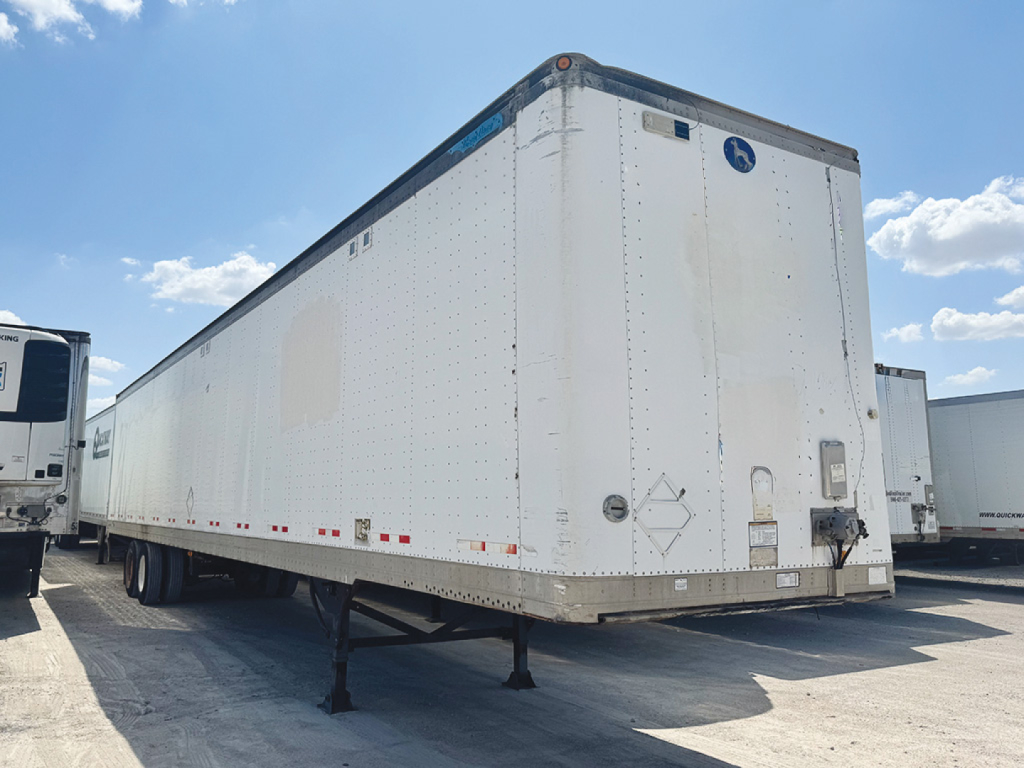
Showing 1 to 28 of 2,412 results
Have chaparral trailer to sell? List it here to reach thousands of buyers.
Chaparral Trailers
When comparing Chaparral trailers for sale, deck layout and securement features matter as much as the base construction. Common specs include aluminum floors, nail strips, sliding winch tracks with movable winches, and spread axle setups. Crossmember spacing is worth checking closely because it affects deck strength, forklift loading tolerance, and long-term durability. Buyers should also look at suspension type, with air ride being a common preference for ride quality and cargo protection, especially on fragile or mixed loads. Wheel and tire setup, including 22.5 low-profile tires and aluminum disc wheels on some units, can also influence maintenance costs, loaded deck height, and replacement parts planning.
A used Chaparral trailer should be evaluated the same way any aluminum flatbed trailer is evaluated, with extra attention to frame condition, floor wear, repairs around crossmembers, and signs of concentrated loading damage. Inspect the winch track, rub rail, stake pockets, landing gear, brake components, and axle alignment. On spread axle trailers, tire scrub and uneven wear can reveal alignment or suspension issues. If the trailer will run in heavy steel, pipe, or machinery service, check for prior deck patching, cracked weld areas, and any distortion near the rear frame or suspension mounts. Buyers hauling in regions with strict bridge formulas or specialized route demands should also confirm axle spacing, kingpin setting, and overall trailer weight before committing.
For fleets and owner-operators that need a straightforward aluminum flatbed trailer, Chaparral units typically fit general over-the-road service where payload efficiency and simple securement are priorities. The category appeals to buyers looking for a conventional flatbed trailer rather than a step deck, drop deck, or enclosed trailer. The right choice depends on freight profile, loading method, and maintenance history more than model year alone. A clean Chaparral flatbed with sound structure, working securement hardware, and a suspension spec matched to the lane can still be a productive trailer for regional or long-haul work.
Frequently Asked Questions about Chaparral Trailers
What type of trailers is Chaparral most commonly known for?
Chaparral is commonly seen on the used market in aluminum flatbed trailer configurations. These trailers are built for open-deck freight and are often selected for their lighter empty weight, which can improve legal payload compared with heavier steel platform trailers. Typical applications include lumber, machinery, palletized freight, building materials, and other cargo that can be tarped and secured on an open deck.
What should I inspect first on a used Chaparral aluminum flatbed trailer?
Start with the structural areas that affect safety, service life, and repair cost. Check the main frame, crossmembers, aluminum floor, rub rail, stake pockets, winch track, landing gear, suspension mounts, and brake system. On aluminum trailers, look closely for repaired cracks, corrosion around dissimilar metals, floor wear from forklift traffic, and evidence of overstress around concentrated load points. Tire wear patterns and axle alignment should also be reviewed before purchase.
Are spread axle Chaparral flatbeds a good choice?
A spread axle Chaparral flatbed can be a strong choice for operators who want stable load carrying and favorable weight distribution for many common flatbed applications. Spread axles are widely used in open-deck freight, but they can add tire scrub in tight turns and may affect maneuverability in crowded yards or urban delivery points. The value depends on your lanes, commodity mix, and whether axle spacing works with your operating requirements and bridge law considerations.
Why do buyers look for aluminum flatbed trailers like Chaparral?
The main reason is payload efficiency. An aluminum flatbed trailer generally weighs less than a comparable steel trailer, which can leave more legal capacity for freight. That matters for higher-density commodities where gross vehicle weight is the limiting factor. Aluminum construction can also resist certain forms of corrosion well, but condition still depends heavily on maintenance, loading practices, and the quality of any prior repairs.
Which specs matter most when comparing Chaparral trailers for sale?
The most important specs usually include trailer length, deck width, floor type, crossmember spacing, axle configuration, suspension, tire size, wheel type, and securement hardware such as sliding winch tracks or nail strips. Buyers should also verify kingpin setting, overall tare weight, brake type, and any signs of frame or deck repair. Matching these specs to the freight you actually haul is more important than focusing on model year by itself.