
Trailers For Sale Near Castaic, California

Have trailer to sell? List it here to reach thousands of buyers.
Trailers Near Castaic, California
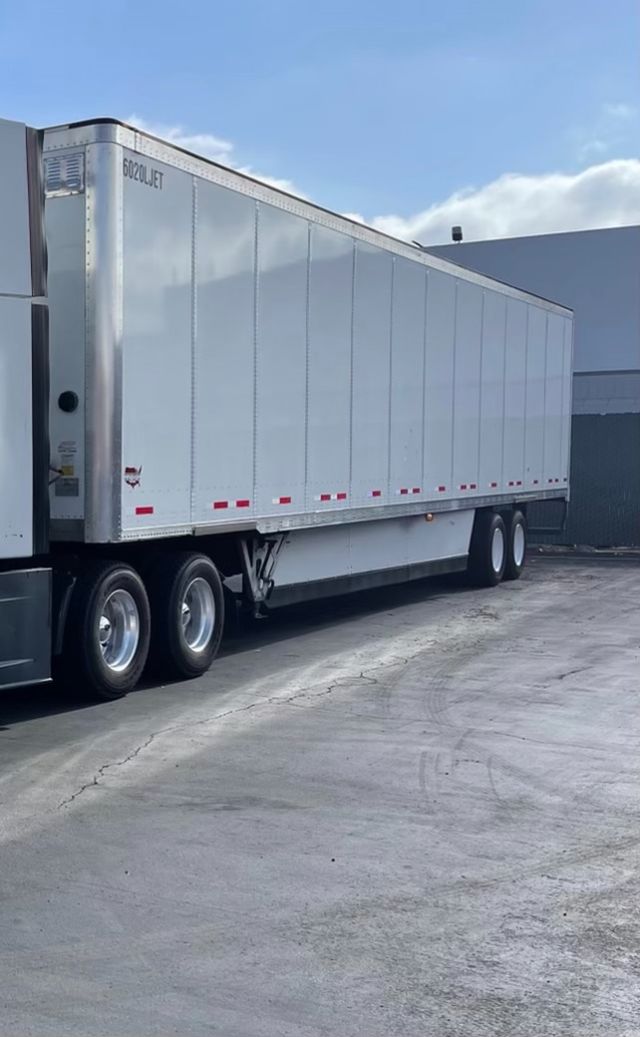
Dry van trailers are commonly found in 48-foot and 53-foot lengths, with 102-inch width, air ride suspension, and tandem slider setups to help with bridge laws and axle weight distribution. Interior details matter more than many buyers expect. Wood floors, logistics posts, E-track, scuff liners, roll-up doors, and swing doors all affect loading efficiency and damage control. If the trailer will see liftgate deliveries, urban routes, or dedicated stop-and-drop work, rear door configuration, floor condition, and crossmember integrity deserve close attention. Buyers should also check roof condition, sidewall repairs, brake wear, tire age, ABS status, and signs of prior forklift impact.
Tank trailers are a different buying process altogether. Capacity, number of compartments, material construction, baffling, bottom or rear discharge setup, and prior product history all matter. A 9,500-gallon tanker with multiple compartments may suit petroleum or multi-product delivery work, but compatibility depends on local regulations, loading rack setup, and the exact commodity being hauled. Manholes, internal valves, vapor recovery equipment, and hose storage can all affect day-to-day usability. In California, emissions compliance applies to the tractor, but trailer buyers still need to think carefully about brake systems, lights, reflective treatment, and overall DOT readiness.
Castaic is a practical market for trailer buyers serving Southern California freight lanes, regional distribution, and port-related traffic moving through the greater Los Angeles area. That makes durability, turnaround speed, and legal payload especially important. A good trailer choice comes down to matching the body style and running gear to the freight, route density, dock conditions, and service schedule. Buyers comparing listings should focus less on age alone and more on spec fit, structural condition, maintenance history, and whether the trailer is already configured for the work it needs to do.
Frequently Asked Questions about Trailers Near Castaic, California
What should I look for first when buying a used trailer?
Start with the trailer type and intended application, then inspect the structure and running gear. On a dry van, pay close attention to the floor, roof, sidewalls, rear frame, crossmembers, suspension, brakes, and tire condition. On a tank trailer, inspect the shell, compartments, valves, discharge system, manholes, and any signs of corrosion or previous repairs. Matching the trailer to the freight is more important than simply choosing the newest unit.
What is the difference between a 48-foot and 53-foot dry van trailer?
A 53-foot dry van offers more cubic capacity and is the standard for many long-haul and distribution operations, while a 48-foot van can be useful in tighter loading areas, certain dedicated routes, and operations where maneuverability matters. The right choice depends on freight volume, customer dock space, axle weight distribution, and route restrictions. Many buyers also compare tandem slider position and kingpin settings when evaluating how a van will work in their lanes.
How do I evaluate a used tank trailer?
Tank trailer evaluation should include capacity, compartment layout, commodity compatibility, discharge configuration, and inspection of the shell and fittings. Buyers should verify what products the trailer previously hauled and whether that aligns with future use. Check valves, piping, seals, ladder and catwalk condition, and any available test or maintenance records. Regulatory and product-specific requirements can make one tanker suitable for a job and another unusable for the same route.
Are air ride suspension and sliding tandems important on a van trailer?
Yes. Air ride suspension can help protect sensitive freight and reduce vibration compared with harsher suspension setups. Sliding tandems are important for managing axle weights, meeting bridge law requirements, and adapting the trailer to different loading patterns or state regulations. These features are especially valuable in regional and interstate freight where loading consistency and legal weight distribution directly affect productivity.