
Used Utility Cargo Van Trailers For Sale
Shop used Utility cargo van trailers, including 53-foot dry vans with swing doors, logistics options, air ride, and durable freight-ready specs.
Learn more
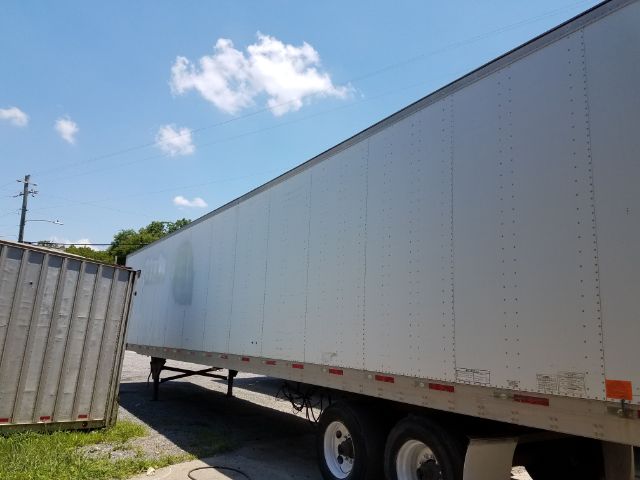
Have used utility cargo van trailer to sell? List it here to reach thousands of buyers.
About Used Utility Cargo Van Trailers
A used Utility van can vary a lot by interior build. Paper spec trailers commonly use closer post spacing such as 10-inch centers for added wall strength, while carpet or heavier concentrated freight may call for 16-inch post layouts and reinforced floors. Buyers should also pay attention to plywood-lined versus composite wall construction, scuff liners, logistics posts, E-track, and whether the trailer has a sheet-and-post or plate trailer design. For loading dock work, swing doors remain the most common setup, but some fleets prefer roll-up doors for frequent stop-and-drop applications. Roof type, floor wear around the rear threshold, and signs of forklift damage near the first several feet inside the trailer tell you a lot about remaining service life.
Running gear matters just as much as the box. Utility cargo van trailers are commonly found with tandem axles, spring ride or air ride suspension, and standard slider setups to help with bridge law compliance and kingpin settings. On a used unit, check tire date codes, brake lining percentage, wheel-end service history, and signs of uneven wear that may point to alignment or suspension issues. Look closely at crossmembers, landing gear, rear impact guard, door seals, and the upper coupler area for cracks, corrosion, or hard use. In northern climates, road salt exposure can show up around the rear frame, bogie, fasteners, and lower side rail long before it is obvious elsewhere.
For many buyers, a Utility dry van stands out because it can fit into mixed-fleet use without creating maintenance headaches. These trailers are widely accepted in brokerage freight, drop trailer programs, warehouse distribution, and regional or over-the-road lanes. A well-kept used Utility cargo van with a solid floor, clean interior, and the right logistics package can go straight to work in high-cycle freight service. The best choice is the trailer whose spec matches the commodity, loading method, and route demands you run every week.
Frequently Asked Questions
What should I inspect first on a used Utility cargo van trailer?
Start with the floor, roof, rear frame, and doors because those areas usually reveal how hard the trailer was worked. Check for soft spots, gouging, forklift damage, roof leaks, cracked rear corner posts, damaged thresholds, and worn seals. Then move to the suspension, brakes, tires, slider, and wheel ends to confirm the running gear is road-ready and not hiding deferred maintenance.
What is the difference between paper spec, carpet spec, and general dry freight Utility trailers?
Paper spec trailers typically have tighter post spacing and stronger wall support for dense, shifting loads like paper rolls or pallets. Carpet spec trailers are often built to handle concentrated weight and can include different floor and wall reinforcements. General dry freight vans may be lighter and better suited for mixed consumer goods, palletized freight, and standard dock loading where extreme wall strength is not the main priority.
Are Utility 53-foot dry vans a good fit for food-grade freight?
They can be, but food-grade suitability depends more on the trailer's interior condition and previous use than the brand alone. Buyers should look for clean sheet-and-post interiors, minimal wall damage, no contamination history, intact seals, and a floor that has not absorbed odors or residue. A clean, well-maintained used Utility van can be a practical option for food-related loads if it meets shipper standards.
Should I choose air ride or spring ride on a used Utility cargo van?
Air ride is usually preferred for more sensitive freight because it helps reduce shock and can improve ride quality over rough roads. Spring ride is simpler and can be less expensive to maintain, which appeals to some buyers running basic dry freight. The right choice depends on commodity type, customer requirements, maintenance budget, and how much dock-to-dock protection your freight needs.
What trailer specs affect resale value the most on a used Utility van?
Resale value is typically strongest on clean 53-foot units with swing doors, good floors, sound roofs, solid maintenance history, and versatile freight specs such as logistics posts or E-track. Air ride, clean wall liners, food-grade history, and low corrosion exposure also help. Buyers usually discount trailers with heavy forklift damage, patched roofs, poor rear frame condition, or interiors that are too specialized for limited freight types.