
Utility Cargo Van Trailers For Sale
Shop Utility cargo van trailers with 53-foot dry van specs, composite or sheet-and-post construction, air ride options, and proven freight versatility.
Learn more
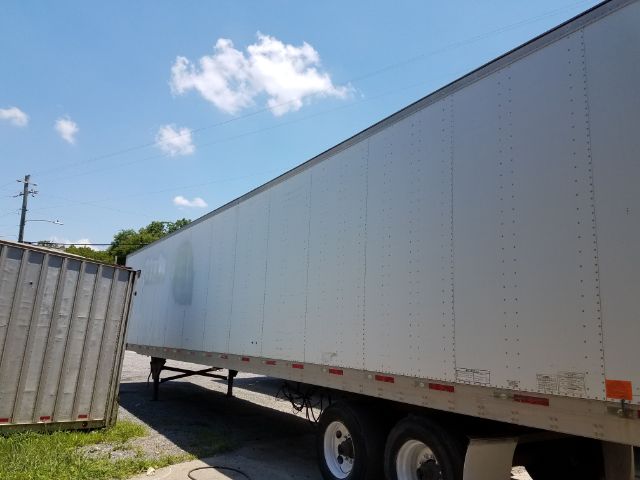
Have utility cargo van trailer to sell? List it here to reach thousands of buyers.
About Utility Cargo Van Trailers
A buyer should pay close attention to body construction and interior spec because those details determine what freight the trailer can handle day to day. Utility cargo vans are commonly found in composite plate, plywood-lined, or sheet-and-post configurations. Composite sidewalls can help reduce weight and support high-cube dry freight, while sheet-and-post builds are often preferred in tougher dock environments and certain food-grade or paper applications. Post spacing, scuff liner design, floor rating, and crossmember spacing all affect durability under forklift traffic. Hardwood floors remain common, and tighter post centers are often chosen for heavier concentrated loads like paper rolls or dense palletized freight.
Suspension, rear door style, and cargo control layout also have a direct impact on operating cost and lane fit. Air ride is popular for protecting sensitive freight and reducing cargo shift, though spring ride still appears in some regional and budget-focused fleets. Most Utility dry vans use swing doors, but roll-up doors may make sense for multi-stop delivery work where dock conditions or route frequency favor quicker access. Many buyers also look for E-track, logistics posts, translucent roofs, LED lighting, auto slack adjusters, and tire inflation or monitoring systems depending on fleet standards. Tires, brakes, drums, roof condition, and signs of prior sidewall or rear frame repair deserve close inspection on any used dry van.
The best Utility cargo van trailer for a fleet usually comes down to freight profile and maintenance priorities rather than model year alone. A clean late-model composite van may suit high-volume retail and drop-and-hook operations, while an older sheet-and-post trailer with the right floor, post spacing, and cargo securement can still be a strong value for paper, carpet, or warehouse transfer work. Buyers should verify kingpin setting, landing gear condition, rear frame integrity, door hardware, floor wear, and DOT-ready running gear before putting a trailer into service. Utility has long held a strong reputation in the dry van market, which is why these trailers remain a common choice for carriers looking for practical, resale-friendly van equipment.
Frequently Asked Questions
What are the most common specs on a Utility cargo van trailer?
The most common Utility cargo van trailer setup is a 53-foot dry van with 102-inch overall width, tandem axles, and a sliding tandem suspension. Many units are equipped with swing doors, aluminum roofs, hardwood floors, 11R22.5 tires, and either air ride or spring ride suspension. Interior construction may be composite, plywood-lined, or sheet-and-post depending on the freight application and original fleet spec.
What is the difference between composite and sheet-and-post Utility dry vans?
Composite trailers are typically lighter and popular for general dry freight where payload and cubic capacity matter. Sheet-and-post trailers use an external skin supported by vertical posts and are often favored for demanding freight like paper or food-related applications because the structure can hold up well in repeated loading environments. The better choice depends on freight density, forklift traffic, and how rough the trailer’s daily dock use will be.
What should I inspect first on a used Utility cargo van trailer?
Start with the floor, roof, rear frame, door seals, and sidewalls because these areas reveal how the trailer was loaded and maintained. Then inspect brakes, drums, tire condition, suspension components, wheel ends, lights, and sliding tandem operation. Also confirm the kingpin area, landing gear, crossmembers, and any interior cargo control equipment such as E-track or logistics posts are in sound working order.
Are Utility cargo van trailers good for paper, retail, and general freight?
Yes. Utility dry vans are widely used across retail, palletized dry goods, paper products, carpet, warehouse transfer, and dedicated route work. The key is matching the trailer’s interior spec to the freight. Dense or concentrated loads may require tighter post spacing and stronger floor support, while lighter high-cube freight may benefit more from a lighter composite configuration.
Is air ride worth it on a Utility cargo van trailer?
Air ride is often worth the added cost when hauling freight that is sensitive to vibration, load shift, or damage claims. It is common in dedicated freight, retail distribution, and shipper-sensitive lanes. Spring ride can still be a practical option for tougher freight or buyers focused on lower acquisition cost, but air ride is generally preferred when ride quality and cargo protection are priorities.