
Trailers For Sale Near Byron Center, Michigan
Have trailer to sell? List it here to reach thousands of buyers.
Trailers Near Byron Center, Michigan
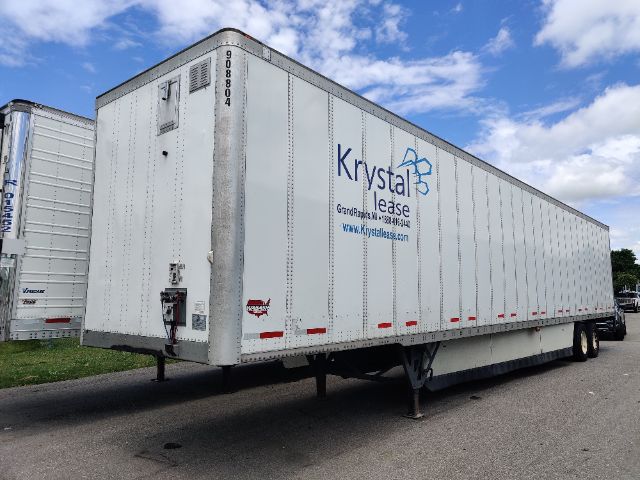
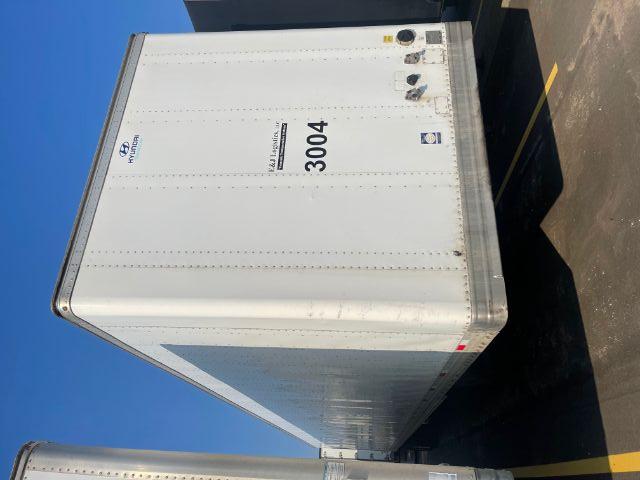
Dry van trailers, also called van trailers or enclosed freight trailers, are built for palletized freight, retail goods, dry products, and general commodity hauling that needs weather protection and cargo security. Buyers typically compare sheet-and-post versus plate construction, roof material, floor condition, rear door style, and interior lining. Swing doors remain common for full dock access, while hardwood or wood floors are still preferred for forklift traffic and repairability. Air ride suspension, aluminum roofs, smooth side panels, and 22.5 or 295/75R22.5 tire packages are all familiar specs in late-model fleet vans. Sliding tandems matter if the trailer will run multiple states or frequent tight docks where axle placement affects both legality and maneuverability.
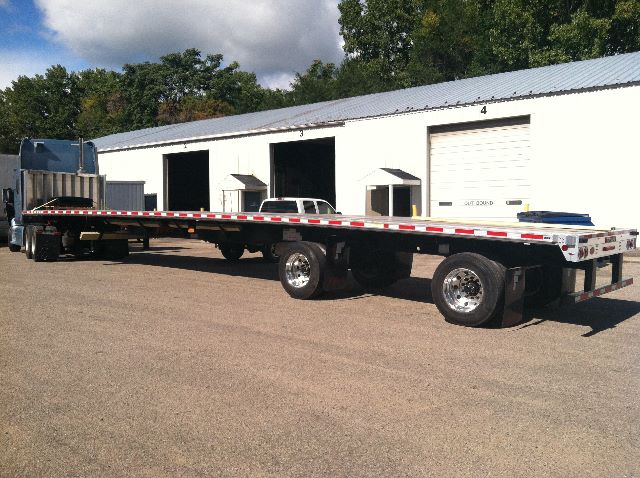
Flatbed trailers are the better fit for steel, machinery, lumber, building products, and other freight that loads from the side, top, or rear. On a used flatbed, the practical details matter more than the paint. Buyers should look closely at deck material, crossmember condition, chain tie layout, side rail wear, bulkhead condition, landing gear, and suspension performance. Combination flatbeds with aluminum components can help reduce tare weight, while steel sections add durability in high-contact areas. Features such as chain ties, side kits, side boxes, aluminum bulkheads, and sliding rear axles are valuable when the trailer needs to handle mixed freight and changing securement requirements.
The best trailer choice comes down to freight profile, route density, and maintenance tolerance. In Michigan, corrosion exposure, floor wear, brake life, and tire condition deserve extra attention because seasonal weather and regional haul cycles can accelerate wear. Check brake percentage, drum condition, tire mix, wheel type, and signs of frame or substructure repairs before comparing price alone. A well-matched trailer will haul the right freight legally, load efficiently, and stay productive without driving up repair costs.
Frequently Asked Questions about Trailers Near Byron Center, Michigan
What is the most common trailer size for general freight hauling?
The most common size is 53 feet long by 102 inches wide. That configuration is standard for many dry van and flatbed operations because it maximizes legal cargo space, works with most docks and shippers, and fits typical over-the-road freight requirements. Tandem axles and a sliding axle setup are also common because they give operators more flexibility with weight distribution and bridge compliance.
What should I inspect first on a used dry van trailer?
Start with the floor, roof, rear frame, doors, and tandem slide area. Floor condition matters because repeated forklift traffic can hide weak spots, repairs, or rot in wood and hardwood systems. The roof and upper rails should be checked for leaks, patching, or bow damage. Rear door operation, galvanized rear framing, and the condition of the lining also affect long-term usability. Tire condition, brakes, suspension, and wheel-end maintenance should be reviewed before making a final comparison.
What features matter most on a used flatbed trailer?
The key items are deck condition, securement options, axle configuration, and structural integrity. A flatbed needs usable tie-down points, sound crossmembers, a straight frame, and a deck that matches the freight being hauled. Chain ties, side kits, bulkheads, and side boxes can add real value if the trailer will handle steel, building products, or mixed commodity freight. Sliding axles are important for operators who need to balance legal weight placement across different load lengths and state regulations.
Is air ride suspension worth it on a trailer?
Air ride suspension is a strong choice for many fleets because it helps protect freight, reduces shock transfer, and generally provides a smoother ride than mechanical spring setups. It is especially useful for palletized freight, higher-value cargo, and routes where ride quality affects claims or trailer wear. Buyers should still inspect the suspension manufacturer, air bags, shocks, bushings, and alignment-related tire wear because condition matters as much as suspension type.
How important is a sliding tandem on a 53-foot trailer?
A sliding tandem is important because it gives the operator flexibility to meet state bridge laws, improve weight distribution, and adjust trailer position at different docks or yards. On a 53-foot trailer, axle placement can determine whether a load is legal and practical to move. A tandem slide that operates smoothly and locks properly is a major advantage for carriers handling varied freight and multi-state routes.