
Trailers For Sale Near Brooksville, Florida
Have trailer to sell? List it here to reach thousands of buyers.
Trailers Near Brooksville, Florida
Condition matters more on a used trailer than the nameplate alone. Buyers should look closely at crossmembers, main rails, suspension hangers, landing gear mounts, floor condition, and any signs of prior weld repair around stress points. On dump trailers, check the tub or body for thin spots, cracked seams, gate wear, hoist condition, and hydraulic cylinder history. On lowboys, inspect the neck, deck transitions, outriggers, apitong or wood deck condition, and the operation of any hydraulic detach system or wet line setup. Brake components, tire age, wheel seals, lights, and air system leaks can quickly change the true cost of ownership after purchase.
Specs that usually drive value include overall length, deck height, axle count, axle rating, suspension type, brake configuration, tire size, and frame material. A lower tare weight can improve legal payload on aggregate, scrap, and bulk material routes, but heavy-duty applications may justify a heavier frame and additional reinforcement. For equipment hauling, pay attention to loaded deck angle, beavertail design, ramp style, ground clearance, and kingpin placement if the trailer is tractor-pulled. Spread axle versus closed tandem layout, air ride versus spring ride, and the presence of features like scuff protection, toolboxes, winches, chain ties, or pony motors all affect how well a trailer fits a specific operation.
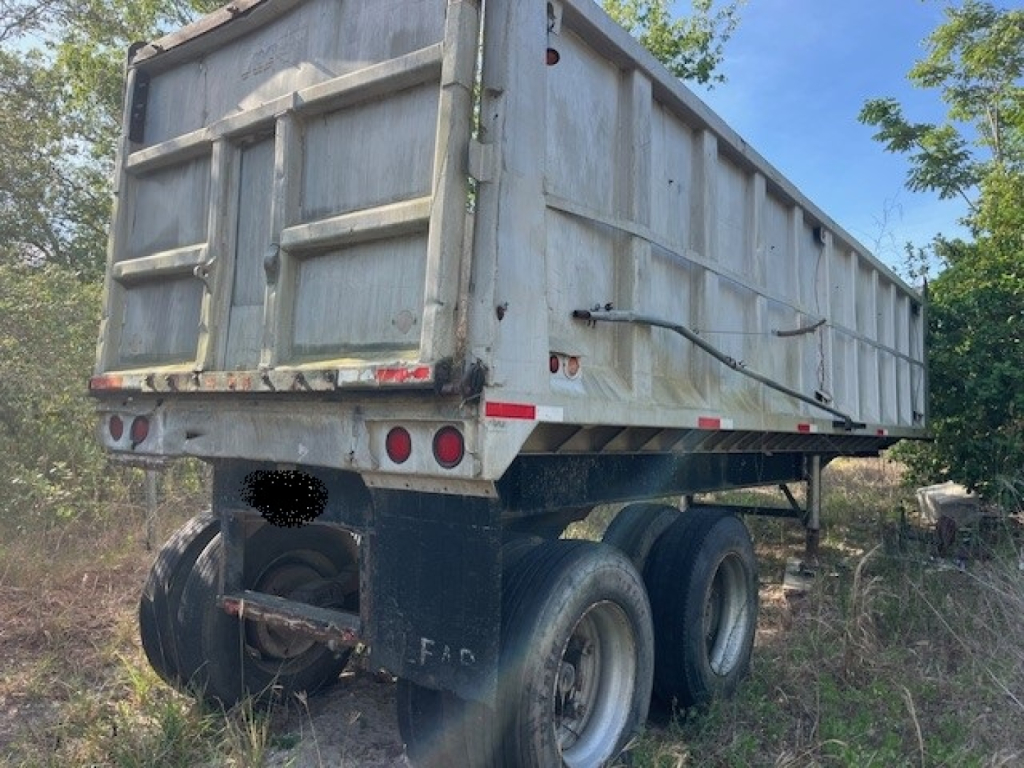
Florida buyers should also think about rust from humidity, electrical issues from sitting, and registration status on older units. A trailer that has been parked for long periods may need lights, hoses, seals, tires, and brake work even if the basic structure is still sound. The right trailer is the one that matches the load, the route, and the tractor or truck already in service. A careful review of structural integrity, legal capacity, and repair needs will usually tell you more than age alone.
Frequently Asked Questions about Trailers Near Brooksville, Florida
What should I inspect first on a used trailer?
Start with the structure. Check the main frame, crossmembers, suspension mounts, neck area, floor or deck, and any visible weld repairs. After that, inspect brakes, tires, hubs, lights, air lines, hydraulic components, and landing gear. Cosmetic wear is common on older trailers, but structural cracks, thin floors, bent rails, and neglected running gear usually have the biggest effect on safety and total ownership cost.
Is an aluminum trailer better than a steel trailer?
It depends on the job. Aluminum trailers usually weigh less, which can increase payload and help with corrosion resistance in humid environments like Florida. Steel trailers are often less expensive to buy and can be simpler to repair in heavy-duty service. If the operation is focused on bulk payload and corrosion exposure, aluminum has a clear advantage. If abuse tolerance and lower upfront cost matter more, steel may be the better fit.
What makes a lowboy trailer the right choice for equipment hauling?
A lowboy, also called a low-bed trailer, is designed to carry taller and heavier equipment by lowering deck height compared with a standard flatbed. That lower profile helps keep machines within legal height limits and improves loading for crawlers, rollers, and paving equipment. Key buying points are deck height, detachable neck function, axle capacity, loaded deck angle, and the condition of the hydraulic system if the trailer uses a hydraulic detach.
How do I know if a dump trailer is still worth buying when it needs work?
A dump trailer can still be a solid buy if the frame, body structure, hoist mounting points, and suspension are fundamentally sound. Repairs like lights, brakes, tires, wiring, and some hydraulic service are common and relatively straightforward. The bigger concerns are a weak or rusted floor, cracked body seams, twisted frame sections, or damage around the cylinder mount and hinge area. Those issues can turn a low purchase price into a costly rebuild.
Which trailer specs matter most for matching it to my truck or tractor?
Focus on GVWR or axle ratings, overall trailer weight, kingpin or hitch setup, axle spread, brake system type, suspension, deck height, and overall length. Those specs determine legal payload, turning clearance, compatibility with your existing truck, and how the trailer performs on your routes. Buyers hauling equipment should also confirm loading angle and tie-down points, while material haulers should pay close attention to body capacity, gate design, and hoist condition.