
Used Brazos Trailers For Sale
Browse used Brazos trailers for sale, including flatbeds with combo construction, air ride, sliding axles, and California-legal specs.
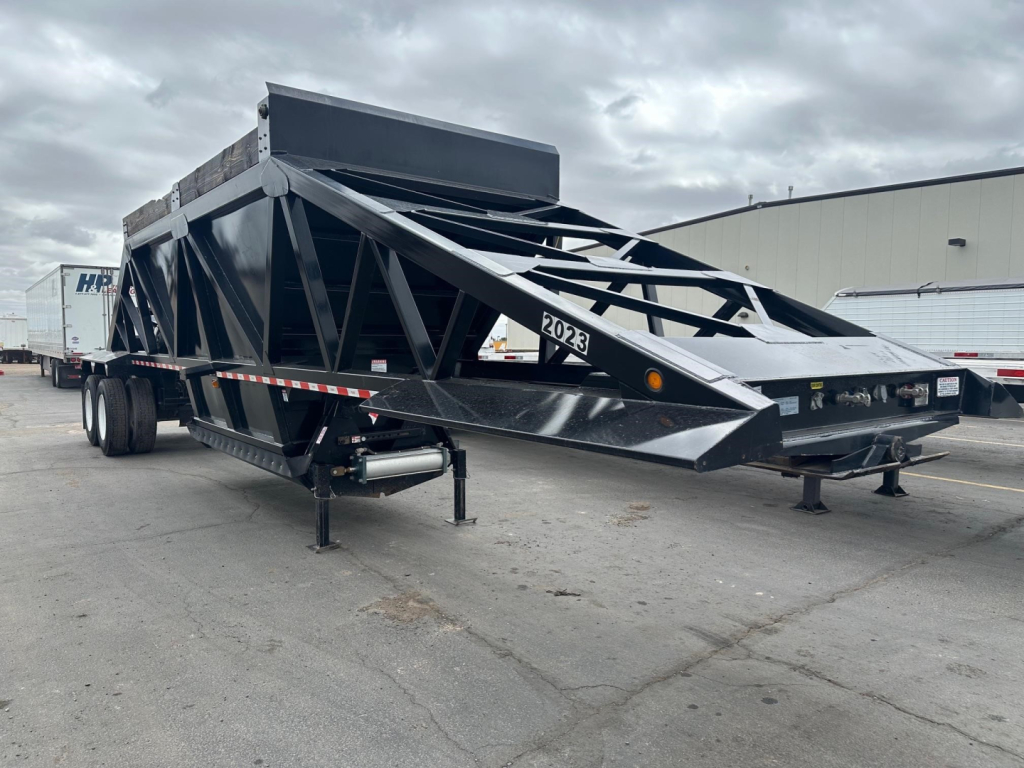
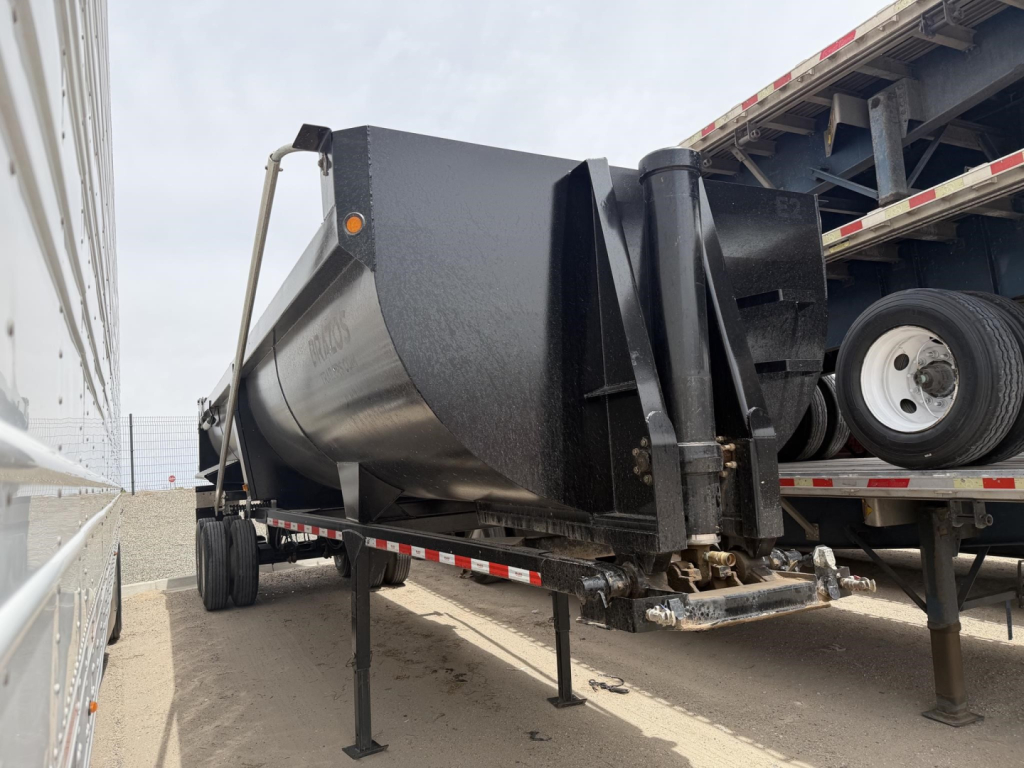
Have used brazos trailer to sell? List it here to reach thousands of buyers.
Used Brazos Trailers
A common Brazos trailer spec is combo construction, which typically pairs steel main beams with aluminum floor components, side rails, or crossmember-related weight-saving features. That combination matters because it balances tare weight, repairability, and long-term durability. For buyers hauling dense freight, the empty weight of the trailer can be just as important as deck condition or tire life. Features often found on used Brazos flatbeds include aluminum decking, nail strips, stake pockets, sliding winches, pipe spools, tool boxes, and ICC bumpers. Those are not just convenience items. They determine how quickly a driver can secure mixed loads and how adaptable the trailer is across different shippers.
Suspension and axle configuration deserve a close look on any used Brazos trailer. Tandem axle layouts with air ride suspension are common and generally preferred for ride quality, cargo protection, and broad freight compatibility. A sliding rear axle can be especially valuable for operations crossing multiple states with different bridge laws or for buyers who need more room to manage kingpin-to-rear axle measurements. Tire size, wheel type, brake condition, and landing gear wear should all be inspected with the same care as the frame and deck. On a flatbed, scuffing around the rub rail, bent stake pockets, cracked welds, and deck fastener wear can tell you a lot about how the trailer was loaded and maintained.
Brazos trailers appeal to buyers who want a straightforward work trailer without unnecessary complexity. The used market can include units set up for legal highway freight, regional building supply work, and heavier open-deck applications where securement options matter every day. A good buyer will compare deck length, overall width, suspension type, axle spread, floor material, and securement hardware before focusing on cosmetics. On a used Brazos flatbed, the best value usually comes from a trailer with a sound frame, clean axle alignment, healthy air system, and enough securement equipment to reduce retrofit costs after purchase.
Frequently Asked Questions about Used Brazos Trailers
What are used Brazos trailers most commonly used for?
Used Brazos trailers are commonly used for open-deck freight such as lumber, steel, machinery, pipe, construction materials, and palletized loads that can be loaded from the side or overhead. Many buyers look at Brazos flatbeds for general freight service because they are often equipped with the securement hardware needed for varied cargo, including stake pockets, sliding winches, nail strips, and pipe spools.
What does combo construction mean on a Brazos flatbed trailer?
Combo construction usually means the trailer combines steel and aluminum components to balance strength with lower tare weight. A common setup is steel main beams paired with an aluminum floor and other aluminum structural or outer components. For a buyer, that typically means better payload potential than an all-steel trailer while still retaining the durability and repair familiarity many fleets want in high-stress areas.
Why is a sliding rear axle important on some used Brazos trailers?
A sliding rear axle helps adjust axle position to meet bridge-law and weight-distribution requirements in different states. It can be especially important on California-legal flatbeds, where axle placement and kingpin settings affect compliance and usable payload. Buyers running multi-state lanes should verify the slide range, locking mechanism condition, and how the trailer’s axle settings match their tractors and freight profile.
What should I inspect first on a used Brazos flatbed trailer?
Start with the frame, main beams, crossmembers, suspension, brakes, and axle alignment because those are the expensive items that determine structural value. After that, inspect deck wear, rub rails, winch tracks, stake pockets, landing gear, air system leaks, tires, and wheel condition. Evidence of hard side-loading, concentrated forklift traffic, or repeated overloading often shows up in bent rails, cracked welds, loose decking, or uneven tire wear.
Are Brazos trailers a good choice for California-legal operations?
Many Brazos trailers are well suited for California-legal work when they are built with the correct overall length, axle spacing, and sliding axle configuration. Buyers should confirm that the trailer’s dimensions and axle settings match California bridge and kingpin rules, not just the seller’s description. A properly spec'd California-legal Brazos flatbed can give a carrier more flexibility in weight-sensitive freight without moving to a more specialized trailer type.