
Trailers For Sale Near Bakersfield, California
Have trailer to sell? List it here to reach thousands of buyers.
Trailers Near Bakersfield, California
California operation adds another layer to trailer selection. Buyers should pay close attention to brake compliance, tire condition, axle spacing, suspension wear, and overall empty weight, especially if the trailer will run heavily loaded or in regional stop-and-go service. In agricultural and energy corridors around Bakersfield, it is common to see demand for commodity trailers, liquid tankers, end dumps, and equipment trailers that can handle rougher yard conditions and frequent loading cycles. For highway freight, details like swing doors versus roll doors, aluminum versus steel construction, logistics posts, scuff liners, tire inflation systems, and air ride suspension can make a real difference in uptime and resale.
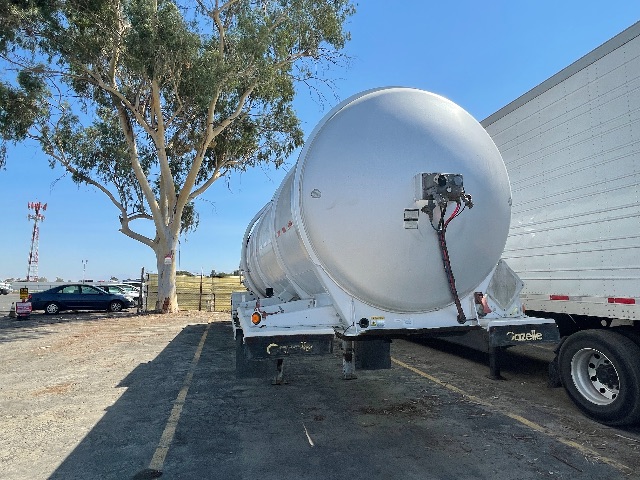
Tank trailers deserve extra scrutiny because specification and certification drive value. Buyers should verify compartment layout, barrel capacity, shell material, suspension type, pump or unloading equipment, and current inspection status. Depending on the product hauled, you may also need to review DOT markings, test records, internal coating condition, vapor recovery setup, and the service history of valves and hoses. A crude oil trailer, for example, is built for a narrow application and should be evaluated carefully for compatibility with your intended product, route, and loading infrastructure.
A good trailer purchase comes down to matching the trailer to the freight, the tractor, and the operating region. GVWR, kingpin setting, deck height, fifth wheel compatibility, door configuration, and maintenance history all affect how the trailer performs in the real world. Buyers comparing used trailers should look closely at frame condition, floor integrity, landing gear, wiring, ABS function, wheel-end service, and signs of prior structural repair. The best value is usually the trailer that fits the work without adding unnecessary tare weight, maintenance complexity, or compliance risk.
Frequently Asked Questions about Trailers Near Bakersfield, California
What types of trailers are most common in Bakersfield, California?
Bakersfield is a strong market for agricultural, energy, construction, and regional freight equipment, so common trailer types include flatbeds, dry vans, reefers, dump trailers, hopper trailers, equipment trailers, and tank trailers. Tank units are especially relevant in petroleum and liquid commodity service. The right choice depends on the commodity, loading method, route length, and how much payload capacity matters in your operation.
What should I check first when buying a used trailer?
Start with the structure and running gear. Inspect the frame, crossmembers, suspension, axle alignment, brakes, tires, wheel ends, wiring, lights, landing gear, and ABS system. Then review application-specific items such as floor condition in a van, deck straightness on a flatbed, liner and gate condition on a dump, or valves and test records on a tank trailer. A clean title and documented maintenance history also matter because repair costs can quickly erase any purchase savings.
Why does trailer tare weight matter so much?
Tare weight directly affects payload. A lighter trailer lets you haul more legal weight, which is especially important in bulk commodity, liquid, and agricultural applications where loads can max out quickly. At the same time, lighter construction is not always the best fit for severe service, so buyers need to balance payload advantage against durability, repairability, and expected road conditions.
What is important when evaluating a used tank trailer?
Tank trailers require more technical review than many other trailer types. Buyers should confirm the intended product class, compartment configuration, capacity, shell material, suspension, unloading equipment, and the status of required inspections and tests. It is also smart to inspect manways, valves, plumbing, hoses, and any signs of internal corrosion or contamination. A tank trailer that is correct for the commodity and current on testing is usually far more valuable than a similar unit that needs recertification or rework.