
Trailers For Sale Near Augusta, Georgia
Have trailer to sell? List it here to reach thousands of buyers.
Trailers Near Augusta, Georgia
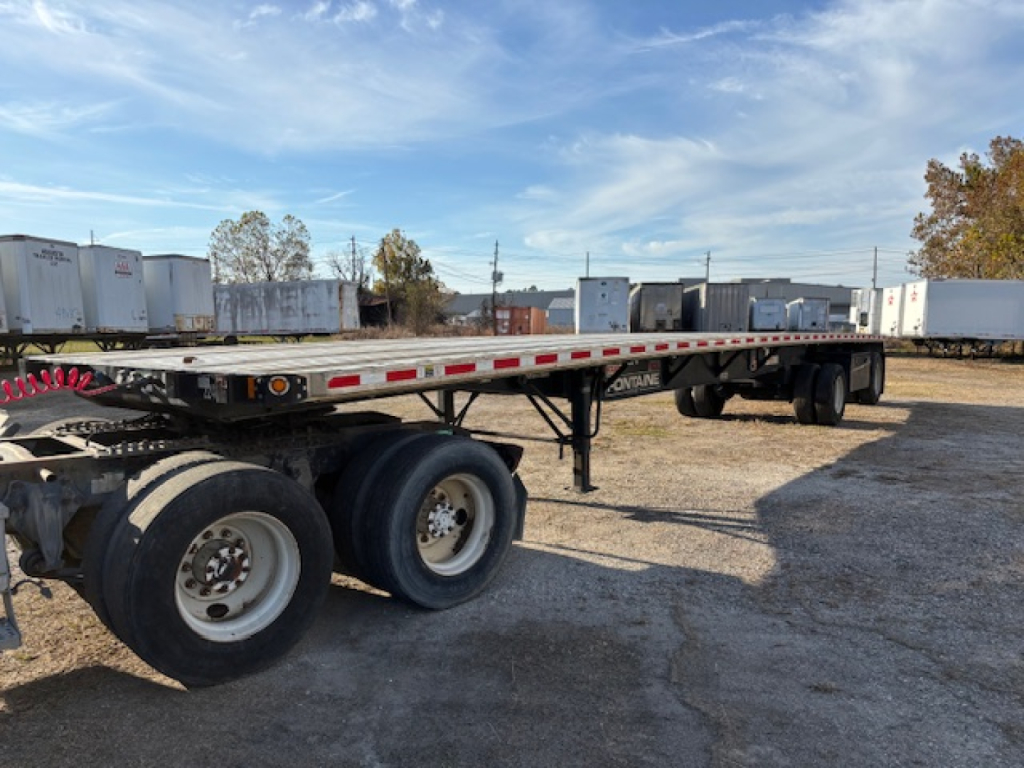
Flatbeds and expandable flatbeds serve a very different role, especially for shippers moving steel, building products, machinery, and oversized freight. Key points here include deck length, frame rating, floor type, winch track setup, number and placement of winches, toolbox space, and whether the trailer is aluminum, steel, or a combination design. An aluminum flatbed usually helps maximize payload, while steel can be attractive for certain severe-duty applications. If the trailer is equipped with sliding winches, nailer strips, and air ride suspension, that can be a strong fit for carriers handling mixed commodity freight that needs securement flexibility.
In the Augusta market, trailer selection often comes down to route profile and customer base. Regional haulers running Southeast lanes may prioritize lightweight specs, tire condition, and suspension simplicity for lower operating cost. Buyers handling heavier or more specialized cargo may focus more on GAWR, frame capacity, crossmember condition, and overall structural soundness. Clear title status, axle and suspension brand, and tire type also matter because they affect resale, parts support, and total cost of ownership after purchase.
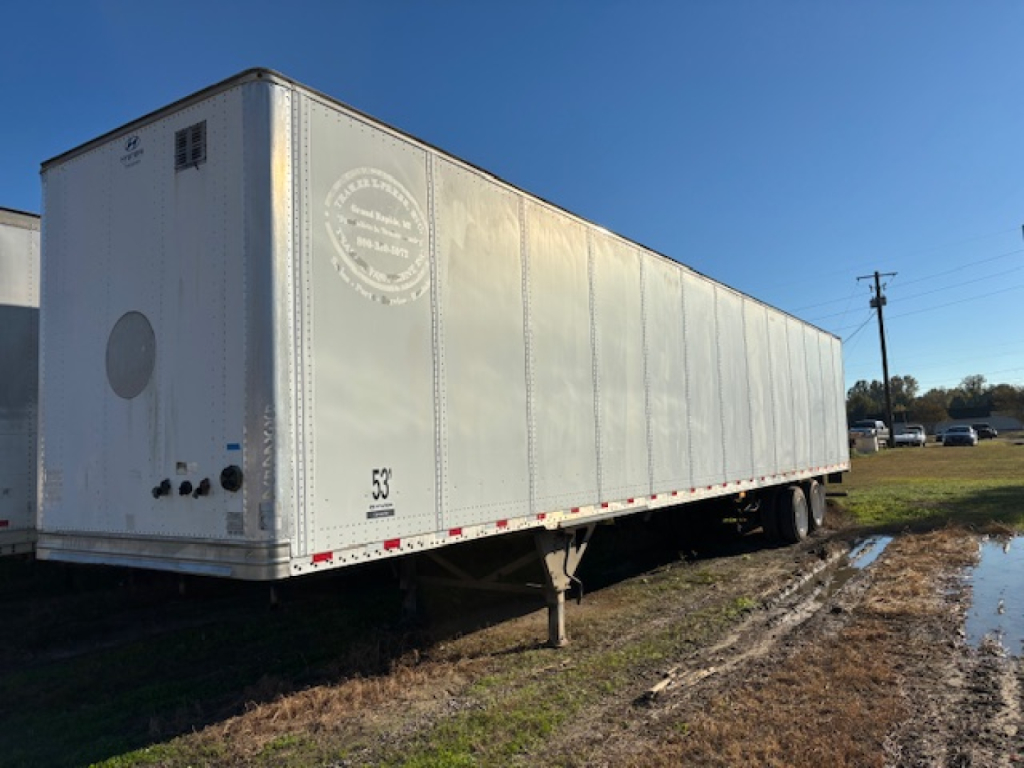
A good trailer purchase is less about model year alone and more about how the trailer was spec'd and maintained. For vans, look at door seals, floor wear, moisture intrusion, and sidewall repairs. For flatbeds, inspect the deck, outriggers, rub rail, stake pockets, landing gear, and any signs of concentrated load damage. The right trailer should match your freight, loading method, and maintenance budget, not just the purchase price.
Frequently Asked Questions about Trailers Near Augusta, Georgia
What should I check first when buying a used trailer?
Start with the structure and running gear. On a dry van, inspect the floor, roof, sidewalls, rear frame, doors, and signs of water intrusion or patchwork repairs. On a flatbed, inspect the main beams, crossmembers, deck condition, rub rail, stake pockets, landing gear, and any twist or crack indications. Then verify brake condition, tire remaining, suspension type, axle alignment, and title status because those items directly affect safety, repair cost, and time to service.
Is air ride suspension worth it on a trailer?
Air ride suspension is a strong choice for many operations because it helps protect freight, improves ride quality, and is common across van and flatbed applications. It is especially useful for higher-value cargo, palletized goods, and loads sensitive to shock and vibration. Buyers should still inspect the suspension brand, air bags, bushings, shocks, and alignment-related tire wear, since air ride performance depends on overall condition as much as the original spec.
How do I choose between a dry van and a flatbed trailer?
Choose a dry van if your freight needs weather protection, dock loading, cargo security, and a fully enclosed trailer. Choose a flatbed if your freight is loaded from the side or top, is oversized, or needs flexible securement with straps, chains, and winches. The decision usually comes down to commodity type, customer requirements, loading equipment, and how often you need open-deck access.
What specs matter most on a flatbed trailer?
The most important flatbed specs are overall length, deck construction, material composition, frame rating, suspension type, winch setup, and legal weight capability. Buyers should also look at the number of winches, presence of sliding winches, toolbox capacity, and whether the floor uses aluminum with nailers or another deck design. These details affect payload, securement flexibility, and the trailer’s ability to handle your regular freight mix.
Do trailer tires and brakes make a big difference in used trailer value?
Yes. Tire condition and brake remaining are two of the quickest indicators of near-term operating cost. A trailer with strong rubber, even wear, matched tire sizes, and solid brake life is often more valuable because it can go to work with less immediate shop expense. Buyers should also confirm wheel-end condition and look for signs of neglect such as irregular tread wear, heat damage, or uneven brake service across axles.