
Trailers For Sale Near Auburn, New York
Have trailer to sell? List it here to reach thousands of buyers.
Trailers Near Auburn, New York
In Central New York, trailer condition matters as much as specification. Auburn-area buyers should pay close attention to corrosion on crossmembers, landing gear mounts, slider assemblies, hinges, and wiring connections due to road salt and winter exposure. On enclosed trailers, inspect the roof skin, side panels, floor wear, rear frame, and door seals. On open-deck trailers, look at deck condition, rub rails, winch tracks, tie-down points, ramps, and any cracked welds around suspension hangers or concentrated load areas. Tire date codes, brake lining life, wheel-end condition, and ABS function are also worth checking closely, especially on trailers that have seen regional stop-and-go service.
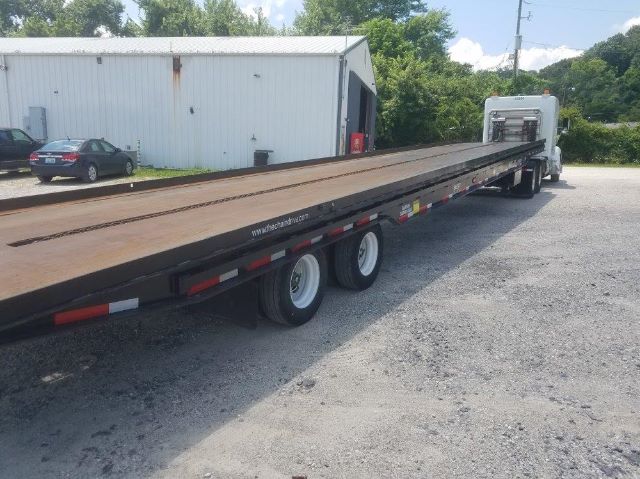
Spec choices depend on the work. A tandem-axle flatbed or utility trailer may suit general freight, palletized material, or equipment moves, while a tri-axle, tag, or lowboy setup is better matched to heavier machinery and higher point loads. Dump trailers are often selected by body material, hoist design, gate style, and liner condition. Enclosed cargo and van-style trailers are commonly judged by interior height, floor rating, logistics posts, scuff liners, and rear access. Buyers running mixed routes through upstate New York often favor durable suspensions, readily available tire sizes, and standard brake and hub components that simplify roadside service and parts sourcing.
A good trailer purchase comes down to matching the trailer to freight profile, terrain, loading method, and maintenance capacity. Length and axle spread affect bridge compliance and maneuverability. Suspension choice affects ride quality and cargo protection. Trailer tare weight affects revenue payload. For many operations, the best value is not the cheapest trailer, but the one with a solid frame, straight tracking, legal lighting and brake systems, and specs that fit the lanes it will actually run. Comparing trailers this way helps narrow the field quickly and avoids buying capacity, features, or complexity that the job does not require.
Frequently Asked Questions about Trailers Near Auburn, New York
What should I look for first when comparing trailers for sale?
Start with trailer type, GVWR, length, axle count, and the kind of cargo or equipment the trailer is meant to carry. After that, inspect structural condition closely, including the frame, crossmembers, suspension mounts, brakes, tires, lights, and floor or deck surface. A trailer can look serviceable from a distance but still have expensive issues in the running gear, wiring, or corrosion-prone areas that affect safety and operating cost.
Which trailer type is best for general freight versus equipment hauling?
Dry vans and enclosed cargo trailers are better suited for general freight that needs weather protection, security, and dock-height loading. Flatbeds, step decks, goosenecks, lowboys, and RGNs are better choices for equipment hauling because they allow top, side, or ramp loading and can handle oversized or irregular loads more effectively. The right choice depends on freight dimensions, loading equipment, legal weight, and how often the cargo exceeds standard deck height or width limits.
How important is corrosion when buying a trailer in New York?
Corrosion is a major consideration in New York because winter road treatment can accelerate rust on frames, brake components, wiring, and moving assemblies. Surface rust is common, but deeper corrosion around crossmembers, spring hangers, slider rails, landing gear mounts, and rear impact structures can lead to costly repairs and downtime. Buyers should inspect the underside carefully and look for scaling, weak spots, repairs, and seized components that suggest prolonged salt exposure.
Does axle configuration really affect trailer performance and legal use?
Yes. Axle count and spacing influence payload capacity, bridge law compliance, tire wear, turning radius, and ride quality. A tandem-axle trailer may be easier to maneuver and lighter in tare weight, while tri-axle and spread-axle setups can improve weight distribution and support heavier loads. The best configuration depends on the routes being run, the weight of the cargo, and whether the trailer needs to balance highway stability with access to tighter job sites or delivery points.
What features add value on a used trailer?
Useful value-added features depend on the trailer category, but common examples include air-ride suspension, aluminum wheels, sliding tandems, tire inflation systems, lift axles, logistics posts, scuff liners, winch tracks, toolboxes, ramps, and upgraded flooring. These features can improve cargo securement, reduce maintenance, or make loading more efficient. They add the most value when they support the trailer’s intended application rather than simply increasing complexity.