
Trailers For Sale Near Auburn, Kansas
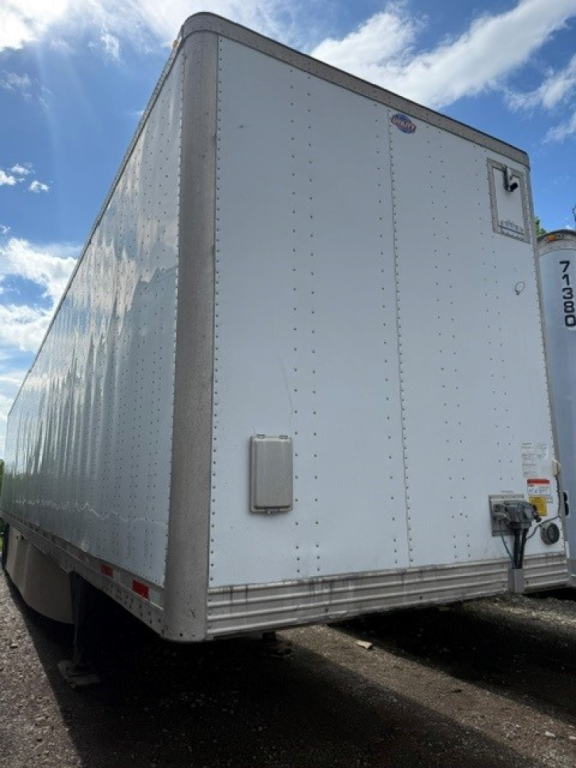
Have trailer to sell? List it here to reach thousands of buyers.
Trailers Near Auburn, Kansas
Dry vans remain one of the most common trailer types because they handle general freight, packaged goods, and palletized shipments with strong cargo protection and broad load compatibility. Common specs include 53-foot overall length, air ride suspension, swing or roll-up doors, logistics posts, scuff liners, aluminum roofs, and tire inflation systems. Flatbeds and step decks are chosen when loading flexibility matters more than weather protection, while refrigerated trailers add insulated walls, a reefer unit, and tighter temperature control for food and perishables. Buyers looking at agricultural or bulk hauling often focus on hopper trailers, end dumps, or belt trailers where gate design, liner condition, tarp systems, and frame construction matter as much as capacity.
Condition matters differently by trailer type. On a van trailer, check roof bows, floor wear, sidewall damage, crossmembers, rear frame, and signs of leaks. On flatbeds, pay attention to deck condition, cracked welds, rub rails, winches, sliding winches, and the overall straightness of the frame. For refrigerated trailers, operating hours on the unit, insulation integrity, door seals, and air chute condition can be just as important as the trailer chassis itself. Across nearly every category, brake components, tire age, wheel-end condition, lighting, ABS function, suspension bushings, and kingpin wear deserve close inspection because these are the items that quickly turn a good buy into shop time.
A buyer comparing trailers for sale should also look at compliance and operating efficiency. Axle spread, trailer weight, tare weight, lift axles, side skirts, and aerodynamic packages all influence how the trailer performs in real service. If your operation runs mixed freight, versatility may outweigh specialized capacity. If the trailer is dedicated to one commodity or route, it usually makes sense to prioritize cubic capacity, unload speed, cleanout, or dock compatibility. The right trailer is not simply the lowest-priced unit. It is the one that matches the freight, holds up under your lane conditions, and stays productive with predictable maintenance.
Frequently Asked Questions about Trailers Near Auburn, Kansas
What is the most important factor when choosing a trailer type?
The most important factor is the freight itself. Dry vans are built for protected general freight, flatbeds and step decks handle oversized or side-loaded cargo, refrigerated trailers move temperature-sensitive products, and hopper, dump, or belt trailers are better for bulk materials. Once the freight type is clear, buyers should match the trailer to payload needs, loading method, route length, dock requirements, and tractor specifications.
What should I inspect first on a used trailer?
Start with the structural and running gear items that affect safety and repair cost. That includes the frame, crossmembers, suspension, axles, brakes, tires, wheels, kingpin area, lighting, and ABS system. After that, inspect category-specific items such as the floor and roof on a van, the deck and winch track on a flatbed, or the reefer unit and door seals on a refrigerated trailer. Signs of water intrusion, poor weld repairs, uneven tire wear, and deferred brake work usually tell you a lot about how the trailer was maintained.
Are aerodynamic features on trailers worth it?
Aerodynamic equipment can be worth it when the trailer spends most of its time at highway speed. Side skirts, rear fairings, and low-drag configurations can improve fuel economy on long-haul lanes, especially with a consistent tractor-trailer pairing. The value is lower in stop-and-go local service or on operations where trailers see frequent curb contact, rough yard conditions, or heavy off-pavement use. Buyers should weigh fuel savings against repair exposure and the type of routes the trailer will run.
How do I know if a trailer has the right axle setup for my operation?
Axle setup should match both payload and legal requirements. Tandem axles are standard for many van and flatbed applications, while spread axles, tridem setups, or lift axles may be preferred for heavier or specialized loads. The right configuration depends on bridge laws, state weight rules, turning radius needs, and how often the trailer must scale close to maximum legal weight. Buyers should also consider suspension type, axle ratings, and whether the trailer will operate primarily in regional service, long-haul lanes, or off-road conditions.
Why does tare weight matter when buying a trailer?
Tare weight directly affects payload capacity. A lighter trailer can allow more legal cargo on every load, which matters in high-volume freight and weight-sensitive applications. At the same time, buyers should not chase low empty weight at the expense of durability. Frame design, floor construction, suspension components, and body materials all influence the balance between strength and weight. The best choice is the trailer that carries the intended freight efficiently without sacrificing service life.