
Trailers For Sale Near Atoka, Oklahoma
Have trailer to sell? List it here to reach thousands of buyers.
Trailers Near Atoka, Oklahoma
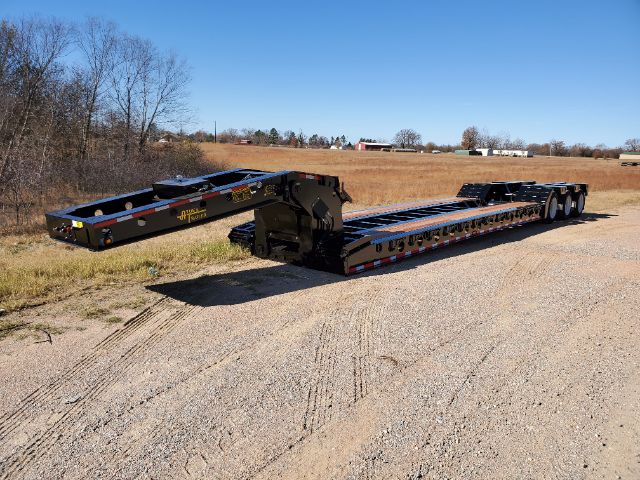
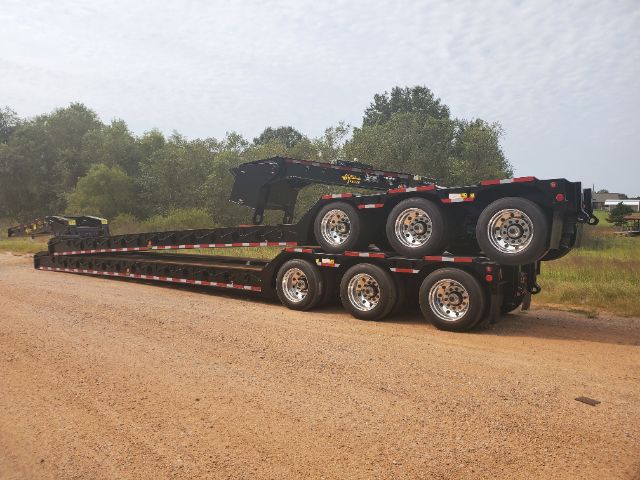
For heavy haul work, lowboy and RGN trailers are typically spec'd in steel construction with 102-inch width, air ride suspension, and tandem or tri-axle setups, with fourth axle provisions on some models. A 26-foot well is a common choice because it fits a wide range of equipment, including excavators, dozers, and larger construction machines, without overcomplicating load placement. Main deck height and rear deck height matter more than many first-time buyers expect, because they directly affect loaded height, loading angle, and machine clearance. Features like outriggers, D-rings, Apitong flooring, dump valves, auto slack adjusters, LED lighting, and 22.5 low-profile tires are all worth attention when comparing trailers that appear similar on paper.
The gooseneck setup is another key decision point. Hydraulic detachable necks can be run from truck wetline systems or from a self-contained pony motor, and that choice affects fleet flexibility, maintenance approach, and tractor compatibility. Buyers moving equipment between job sites often prefer a removable gooseneck trailer because it improves loading efficiency for tracked machines and reduces the need for ramps. Suspension brand, axle spacing, brake condition, and wheel configuration also deserve a close look, especially on trailers expected to run hard on mixed pavement and jobsite surfaces. In Oklahoma, durability against rough roads, weather swings, and repetitive loading cycles is a practical concern, not a minor detail.
A good trailer purchase comes down to matching capacity, deck layout, and operating requirements to the freight you actually haul. A shorter, lighter spec can be the right fit for regional equipment moves, while a heavier tri-axle RGN with a low deck and stronger frame is better suited for demanding heavy haul service. Buyers should also consider tie-down access, neck style, loaded ride quality, and serviceability of suspension and brake components over the long term. The best trailer is not the one with the most features. It is the one built around the dimensions, weight, loading method, and permit realities of your day-to-day work.
Frequently Asked Questions about Trailers Near Atoka, Oklahoma
What is the difference between a lowboy trailer and an RGN trailer?
A lowboy is a low-deck trailer designed to haul tall and heavy equipment while keeping overall loaded height down. An RGN, or removable gooseneck trailer, is a type of lowboy with a detachable front gooseneck that allows equipment to be driven on from the front. Many buyers use the terms interchangeably, but the removable neck is the main feature that separates an RGN from a fixed-neck lowboy.
How do I choose the right well length on a trailer?
Well length should match the wheelbase, track length, and balance point of the equipment you haul most often. A 26-foot well is a common heavy equipment spec because it handles a broad mix of machines without forcing awkward load placement. If the well is too short, axle weights can become difficult to balance. If it is too long, you may carry unnecessary trailer weight and reduce maneuverability for no real gain.
Why does deck height matter so much on heavy haul trailers?
Deck height directly affects loaded height, loading angle, and legal route flexibility. A lower main deck helps keep taller machines under bridge limits and can reduce permitting issues. It also improves stability by lowering the center of gravity. Buyers hauling excavators, dozers, pavers, and other tall equipment should treat deck height as a primary spec, not a secondary detail.
Is air ride suspension a good choice on a trailer?
Air ride suspension is a popular choice because it helps protect both trailer structure and cargo from road shock, especially on mixed highway and jobsite routes. It can also improve ride quality and load stability compared with more basic suspension setups. For buyers hauling expensive or heavy equipment, air ride is often worth the added complexity because it supports better control and reduced wear over time.
What trailer features are most important for equipment hauling?
For equipment hauling, the most important features usually include the correct axle count, a low deck, adequate well length, strong tie-down points, durable flooring such as Apitong, reliable brakes, and the right gooseneck configuration. Outriggers, dump valves, LED lighting, auto slack adjusters, and low-profile tires can also add real value depending on how the trailer is used. The right feature set depends less on brand name and more on how closely the trailer matches your equipment, routes, and loading method.