
Trailers For Sale Near Athens, Texas
Have trailer to sell? List it here to reach thousands of buyers.
Trailers Near Athens, Texas
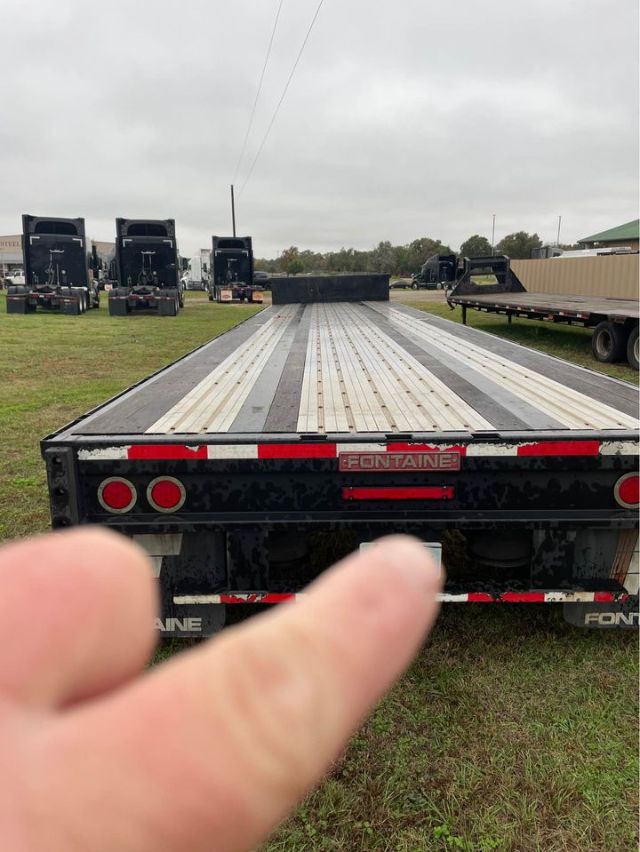
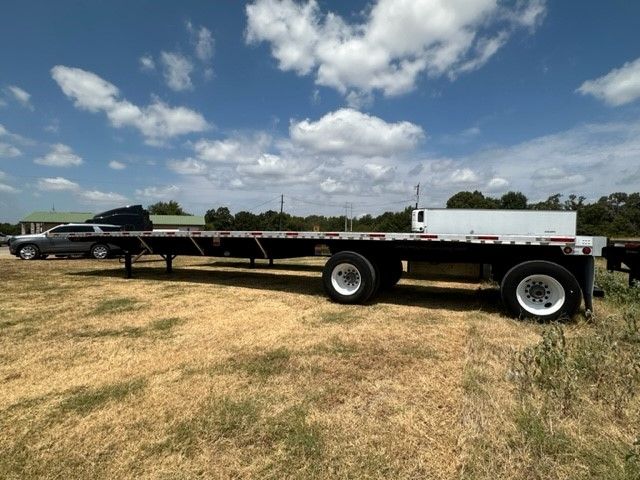
Material construction matters as much as trailer type. Buyers will usually compare steel, aluminum, and combo trailers based on payload, corrosion resistance, and repair cost. Aluminum and combo designs reduce tare weight and can improve legal payload, while steel trailers are often chosen for durability in tougher jobsite or concentrated-load applications. On many used trailers, key details include axle configuration, suspension type, floor material, and tie-down setup. Spread axle layouts are common on flatbeds and step decks because they help with weight distribution, while air ride suspension is favored for ride quality and cargo protection. Aluminum floors, sliding winches, toolboxes, and updated lighting are all worth noting because they affect day-to-day usability.
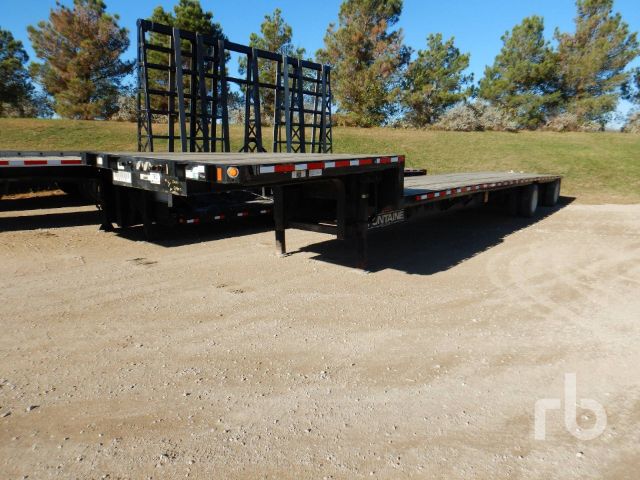
A buyer should also look closely at spec compatibility with the freight lane. Tire size, brake condition, drum condition, wheel type, and GVWR all influence operating cost and downtime risk. For open-deck work, deck condition, crossmembers, main frame integrity, and signs of prior structural repair are more important than cosmetics. If the trailer will haul machinery, steel coils, pipe, lumber, or ag products, pay attention to deck rating, tie-down points, and how the trailer is set up for tarping and securement. On a step deck, top deck length can also matter if you regularly carry freight that needs precise placement around axle weights or kingpin loading.
Regional buyers in East Texas often need versatile trailers that can handle mixed freight, short-haul construction moves, and longer over-the-road runs. A clean title, current inspections, healthy tires and brakes, and a straight frame usually tell you more than appearance alone. The best trailer for the job is the one whose dimensions, axle spread, suspension, and deck construction match the freight you move most often. If your loads change week to week, a 48x102 open-deck trailer with practical securement options tends to stay flexible and easy to dispatch.
Frequently Asked Questions about Trailers Near Athens, Texas
What is the difference between a flatbed trailer and a step deck trailer?
A flatbed trailer has a full-height deck from front to rear, which makes it simple to load from any side and works well for general open-deck freight. A step deck trailer, also called a drop deck, has an upper deck and a lower main deck, allowing taller cargo to ride lower and stay within legal height limits. Buyers usually choose a flatbed for simplicity and broad freight compatibility, while a step deck is preferred when taller machinery, crated equipment, or irregular freight needs extra vertical clearance.
What trailer length and width are most common for open-deck trailers?
A very common configuration in the used trailer market is 48 feet long by 102 inches wide. That size works for a large share of construction materials, machinery, palletized freight, and industrial loads while remaining practical for route planning and loading dock access where applicable. Buyers should still confirm deck length, top deck length on step decks, and overall dimensions against the freight they haul most often, especially if axle placement and load distribution are critical.
Why do spread axles matter on flatbed and step deck trailers?
Spread axle configurations can improve weight distribution and may help with certain load placements, which is why they are popular on open-deck trailers. They can also affect bridge law compliance and how easily a trailer tracks in tight areas. The tradeoff is that spread axles may increase tire scrub during sharp turns and can be less maneuverable in confined yards. Buyers should match axle layout to their typical routes, freight weights, and operating environment.
Is aluminum or steel construction better on a trailer?
Neither is automatically better because each has a different advantage. Aluminum trailers and combo trailers generally reduce tare weight, which can increase payload and offer good corrosion resistance. Steel trailers are often selected for heavy-duty service, concentrated loads, and repair familiarity in many shops. The right choice depends on cargo type, expected abuse, climate, and whether lower empty weight or maximum ruggedness matters more in your operation.
What should I inspect first on a used trailer?
Start with the frame, crossmembers, suspension, axles, brakes, tires, and deck condition because those items directly affect safety, uptime, and repair cost. On open-deck trailers, look for cracks, bent members, poor prior weld repairs, floor damage, and uneven tire wear that could point to alignment or suspension issues. Also verify title status, inspection history, lighting function, and securement equipment such as winches or tie-down points. A trailer can look clean and still need significant understructure or running gear work, so condition under the deck matters more than paint.