
New Armor Lite Trailers For Sale in Colorado
Shop new Armor Lite trailers for sale in Colorado, including lightweight dump and skeleton configurations with air ride, spring ride, and tarp options.
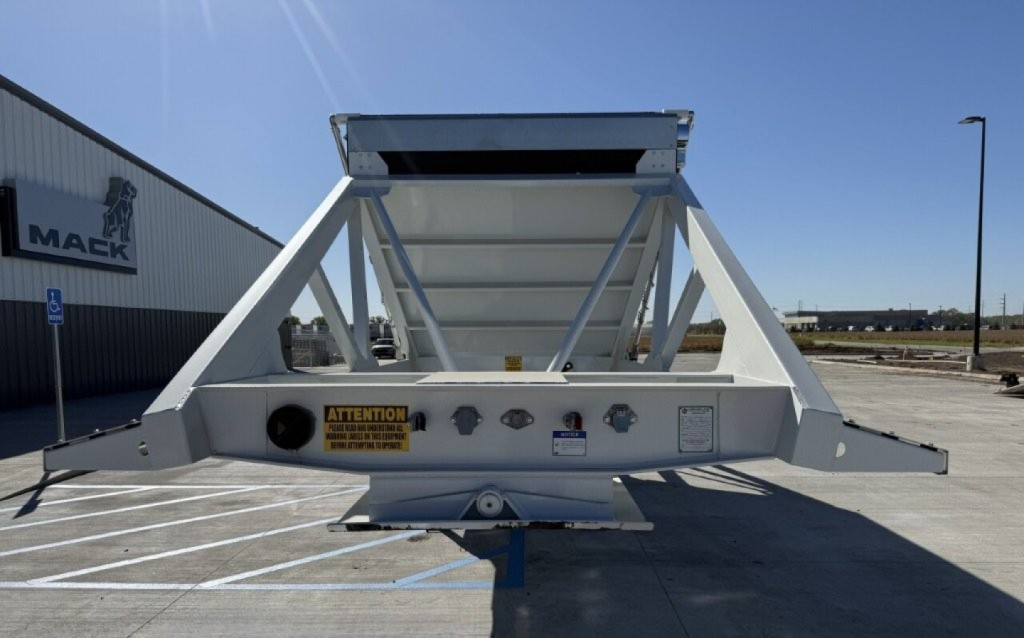
Selling a new armor lite trailer? List your new armor lite trailer for sale and reach thousands of commercial buyers.
New Armor Lite Trailers in Colorado
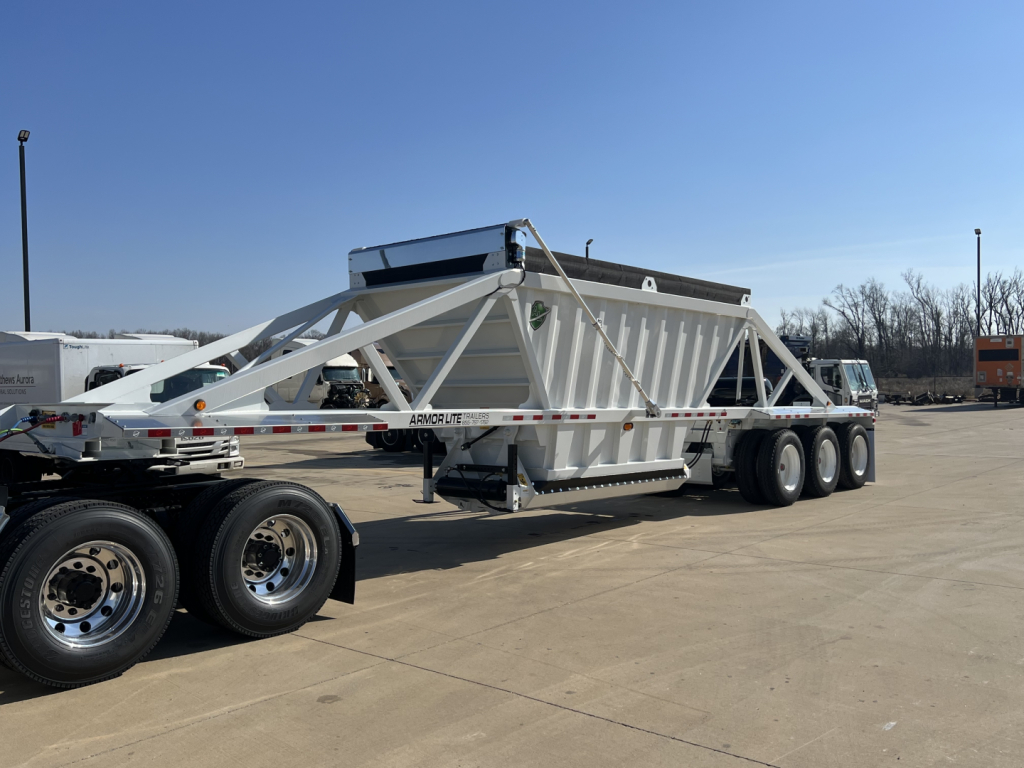
A buyer comparing new Armor Lite trailers will usually start with body length and running gear. Common examples include 40-foot and 42-foot dump configurations, often with spring ride or air ride suspensions and tandem or tri-axle layouts depending on the intended payload and bridge-law strategy. Tri-axle air ride setups can add flexibility for heavier work and roadability, while spring ride remains a simple, proven choice for fleets focused on lower upfront cost and ease of maintenance. Details like lift axles, 11R24.5 tires, steel or aluminum wheel compatibility, ABS configuration, and bolt-on aluminum fenders all matter because they affect serviceability, legal payload, and total operating cost.
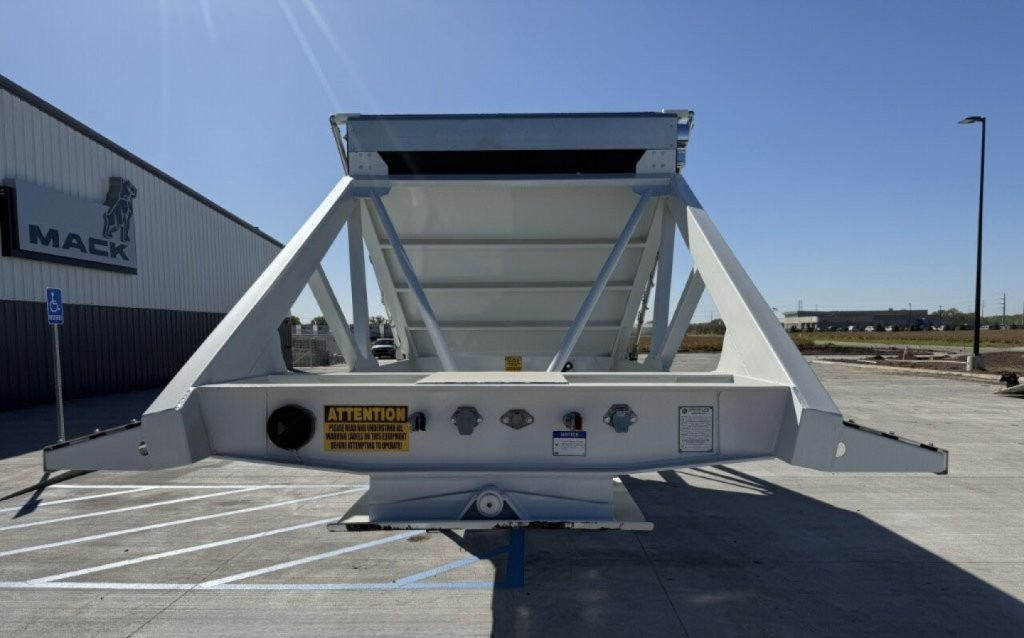
On the body side, lightweight aluminum construction is the main draw. Armor Lite dump trailers are designed to maximize cubic capacity without giving away too much empty weight, which is critical when hauling sand, gravel, millings, road base, or other bulk material sold by the ton. Buyers should compare cubic-yard rating, side board height, hopper opening dimensions, tarp system type, and overall trailer width. Electric flip tarp systems are a common spec because they speed up loading and cover cycles, and they are especially useful for operators working municipal, paving, or quarry accounts where securement and efficiency both matter.
Colorado operators should also think about terrain, weather, and route mix before choosing a spec. Mountain grades, jobsite access, and seasonal conditions can make suspension choice, axle spread, brake spec, and tire quality more important than a simple price comparison suggests. A lighter skeleton dump may improve payload on repeated short hauls, but the right choice depends on material type, loading method, and how rough the approach roads are. For buyers evaluating new Armor Lite trailers, the best value is usually found in a balanced spec that protects payload, holds up to regional conditions, and keeps tarp, suspension, lighting, and wheel-end maintenance manageable over the long haul.
Frequently Asked Questions about New Armor Lite Trailers in Colorado
What are Armor Lite trailers commonly used for?
Armor Lite trailers are commonly used in bulk material hauling, especially dump applications involving sand, gravel, asphalt, millings, dirt, and demolition debris. Their lightweight construction makes them attractive for operations where payload matters on every trip. Many buyers choose them for construction, paving, quarry, and municipal work where a trailer needs to cycle frequently and stay productive without carrying unnecessary tare weight.
What is the benefit of a skeleton dump trailer design?
A skeleton dump trailer design reduces trailer weight by using a lighter structural layout, which can improve legal payload capacity. That makes it appealing for haulers moving dense commodities where every extra pound of payload adds revenue. The tradeoff is that the buyer should match the trailer carefully to the application, because duty cycle, road conditions, and material impact can affect how valuable a lightweight design is compared with a heavier conventional build.
Should I choose air ride or spring ride on a new Armor Lite trailer?
Air ride generally offers better ride quality, can be easier on the trailer and cargo, and is often preferred for higher-speed road use or fleets that want more flexibility in axle management. Spring ride is simpler, proven, and typically less expensive to buy and maintain. The right choice depends on haul distance, road quality, maintenance practices, and whether the trailer will spend more time on pavement, in pits, or on uneven jobsites.
Why do axle count and lift axle options matter on dump trailers?
Axle count affects legal weight distribution, maneuverability, maintenance cost, and how the trailer performs under load. A tri-axle setup may help support heavier payload strategies and regional weight requirements, while a lift axle can reduce tire scrub and rolling resistance when the extra axle is not needed. Buyers should consider state weight laws, the density of the material hauled, and how often the trailer operates loaded versus empty.
What specs should I compare when shopping for a new Armor Lite trailer in Colorado?
The most important specs to compare are overall length, cubic-yard capacity, suspension type, axle configuration, tire size, wheel type, tarp system, hopper dimensions, and construction details such as fenders, lighting, and ABS. In Colorado, terrain and weather add another layer, so brake performance, tire quality, and how the trailer handles mountain routes and rough site access are especially important. A good spec is one that supports payload goals without creating avoidable maintenance or durability problems.