
Trailers For Sale in Arkansas
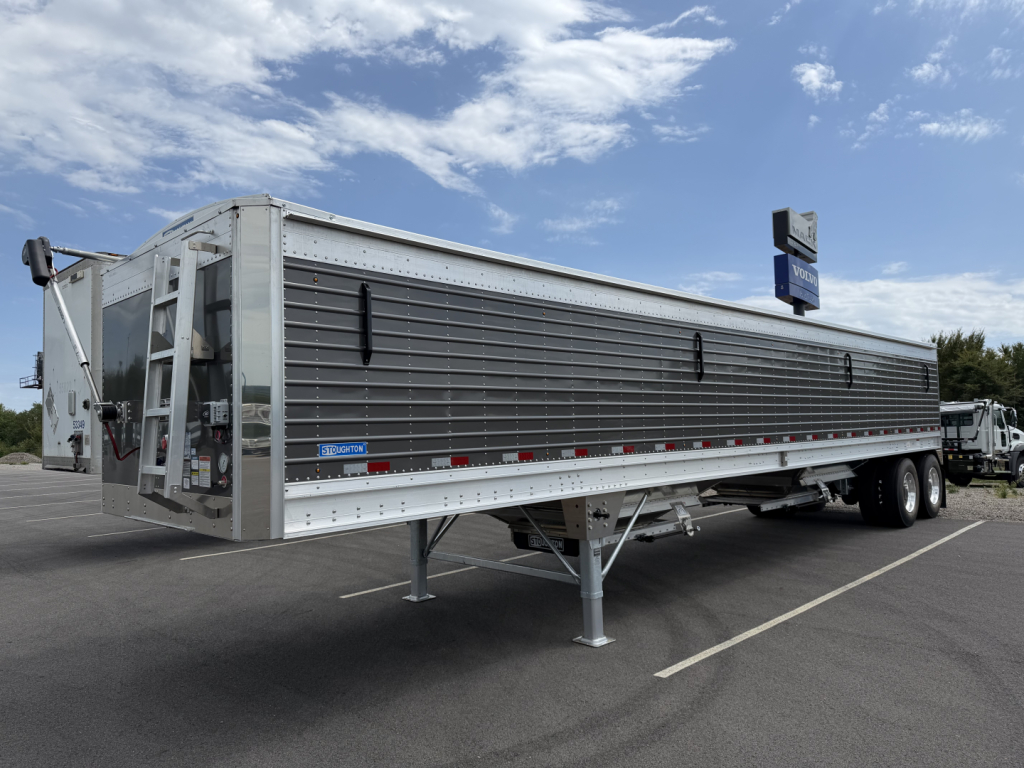
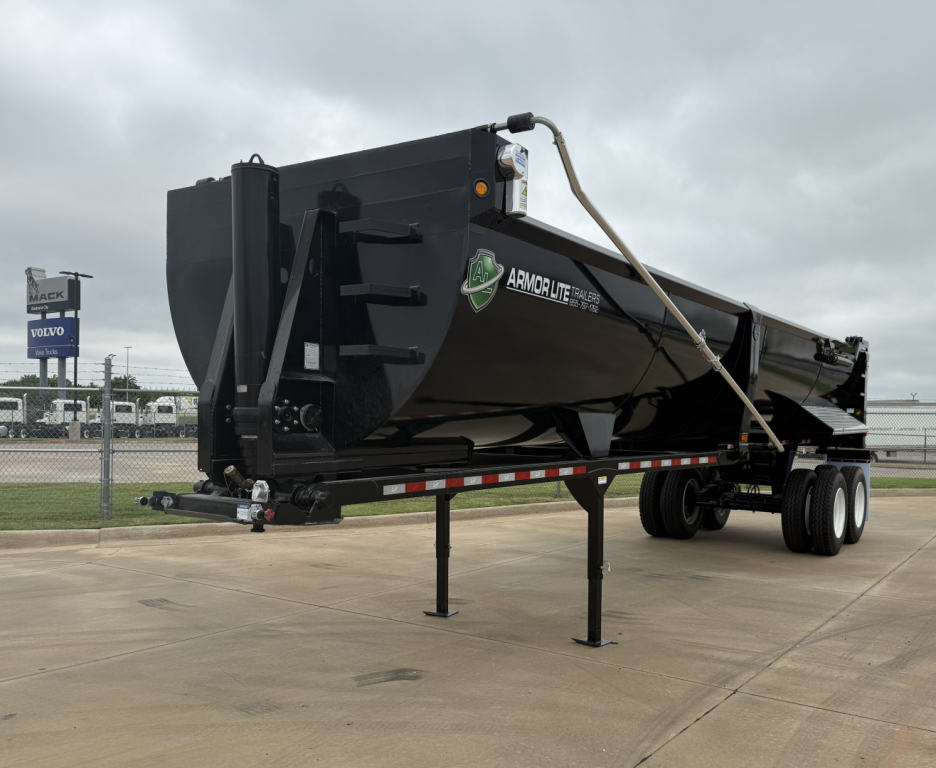
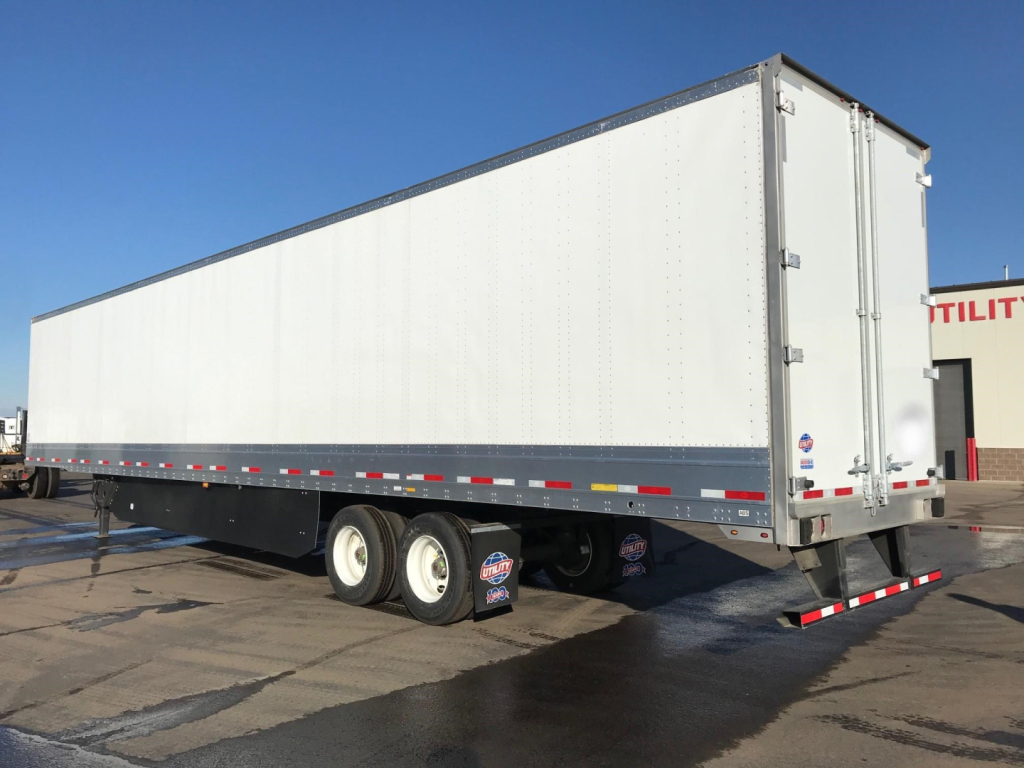
Browse trailers for sale in Arkansas, including dump and dry van models with specs on suspension, body style, doors, tires, and dimensions.
Selling a trailer? List your trailer for sale and reach thousands of commercial buyers.
Trailers in Arkansas
For dump trailer buyers, the key decisions usually come down to body material, suspension, gate style, and tare weight. Aluminum bodies help maximize payload and resist corrosion, while steel or Hardox-style tubs are favored for abrasive materials and severe-duty work. Side height, tub shape, rear gate configuration, and brake condition all affect how the trailer performs in scrap, rock, sand, or asphalt service. Tire size, wheel material, landing gear, and tarp system also matter more than they may appear on paper, especially if the trailer is cycling multiple loads a day. Arkansas operators running quarries, road construction, agriculture, or local hauling often look closely at suspension durability and rear gate design because those details directly affect uptime and unloading efficiency.
For dry van trailers, common buyer checkpoints are length, axle configuration, floor construction, wall lining, door type, and aerodynamics. A typical over-the-road van is 53 feet by 102 inches, often with tandem axles, air ride suspension, sliding tandems, swing doors, and wood floors designed for forklift traffic. Features like scuff liners, logistics posts, threshold plates, composite wall panels, aluminum roofs, side skirts, and tire inflation systems can make a measurable difference in trailer life, fuel economy, cargo securement flexibility, and maintenance cost. If the freight is dock-to-dock, details like anti-dock-walk systems, ICC bumper condition, rear frame construction, and door hardware deserve close attention.
Across trailer categories, a smart comparison goes beyond year model and price. Check the suspension type, brake setup, tire condition, wheel spec, frame integrity, landing gear operation, and signs of floor or structural fatigue. On dump trailers, inspect the tub, hoist area, gate hardware, and tarp operation. On dry vans, pay attention to roof repairs, floor fastener patterns, scuff damage, door seal condition, and slider function. Arkansas freight lanes and job site conditions can be hard on trailers, so the best value usually comes from a trailer whose spec matches the work instead of one that is simply cheapest upfront.
Frequently Asked Questions about Trailers in Arkansas
What types of trailers are most commonly used in Arkansas?
Dump trailers and dry van trailers are two of the most common trailer types in Arkansas because they support major regional industries. Dump trailers are widely used for aggregates, scrap, construction debris, and agricultural bulk hauling. Dry vans are standard for general freight, consumer goods, palletized products, and dock-based distribution. The right choice depends on cargo type, loading method, and whether the freight needs weather protection.
What should I look for when comparing a used dump trailer?
Focus on body condition, suspension type, gate design, brake life, tire condition, and tarp operation. A half-round or heavy-duty steel tub may be better for abrasive or impact-heavy materials, while aluminum can improve payload. Check for cracks around the body, hoist mounts, rear frame, and hinge points. Also inspect landing gear, fenders, and signs of uneven tire wear that may point to alignment or suspension issues.
What features matter most on a dry van trailer?
The most important dry van specs are length, axle configuration, suspension, floor construction, door style, and interior cargo control features. Many buyers prefer 53-foot by 102-inch vans with air ride suspension, sliding tandems, swing doors, wood floors, scuff liners, and logistics posts. Additional features like side skirts, tire inflation systems, composite wall panels, and aluminum roofs can improve operating cost, durability, and freight versatility.
Is air ride or spring suspension better on a trailer?
Air ride is often preferred for dry van and general freight applications because it helps protect cargo, improves ride quality, and is common in over-the-road service. Spring or heavy-duty mechanical suspensions are often chosen for dump and severe-duty applications because they are simple, durable, and well suited for rough job site conditions. The better option depends on the trailer category, cargo sensitivity, and where the trailer operates most of the time.
Why do landing gear, tire systems, and door hardware matter so much?
These components affect daily uptime more than many buyers expect. Landing gear takes repeated stress in drop-and-hook service, tire inflation systems can reduce irregular wear and roadside downtime, and door hardware is critical on vans that load at docks every day. Small hardware problems can create expensive delays, so these systems should be inspected as carefully as the frame, suspension, and body.