
Trailers For Sale Near Altoona, Iowa

Have trailer to sell? List it here to reach thousands of buyers.
Trailers Near Altoona, Iowa
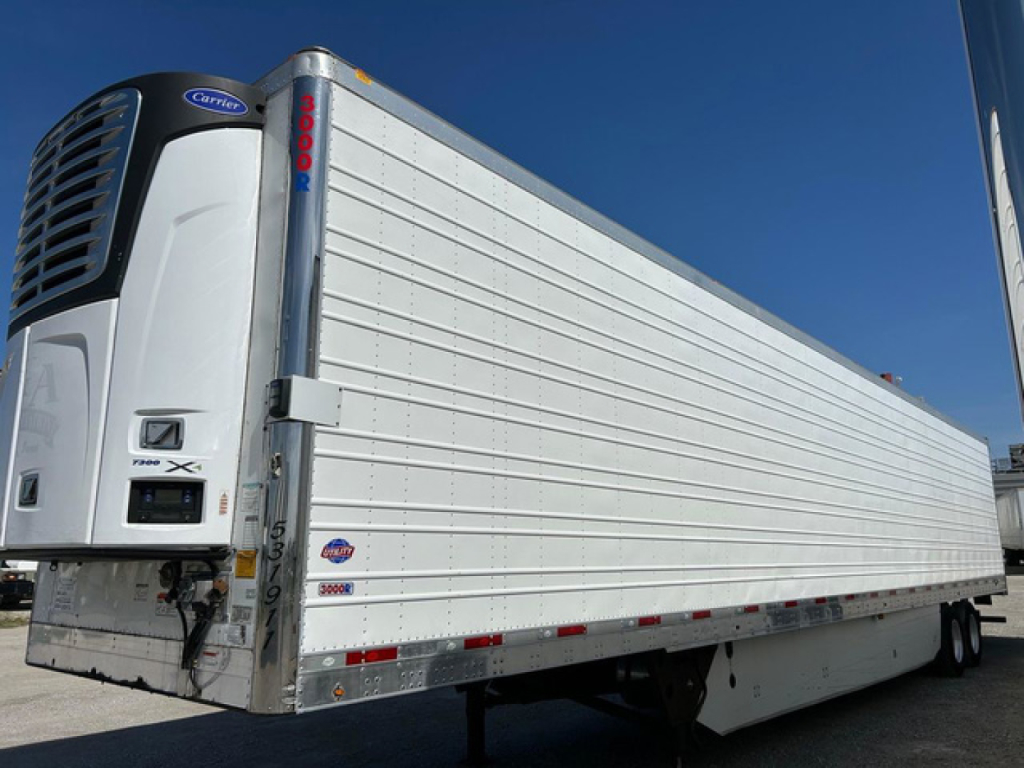
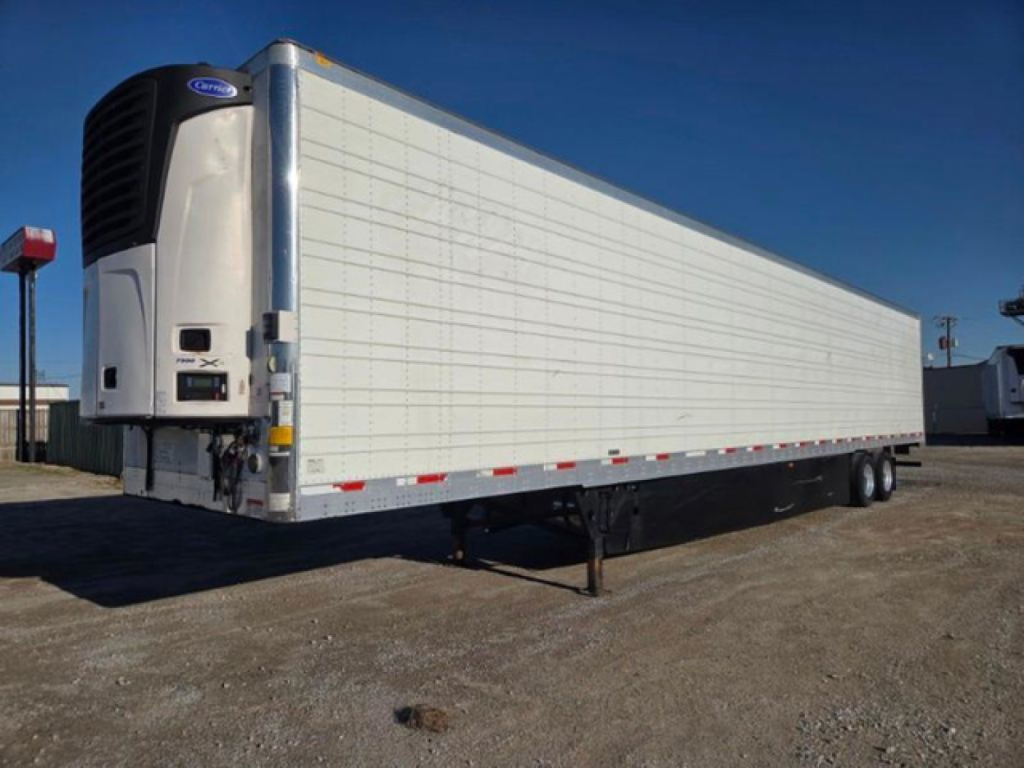
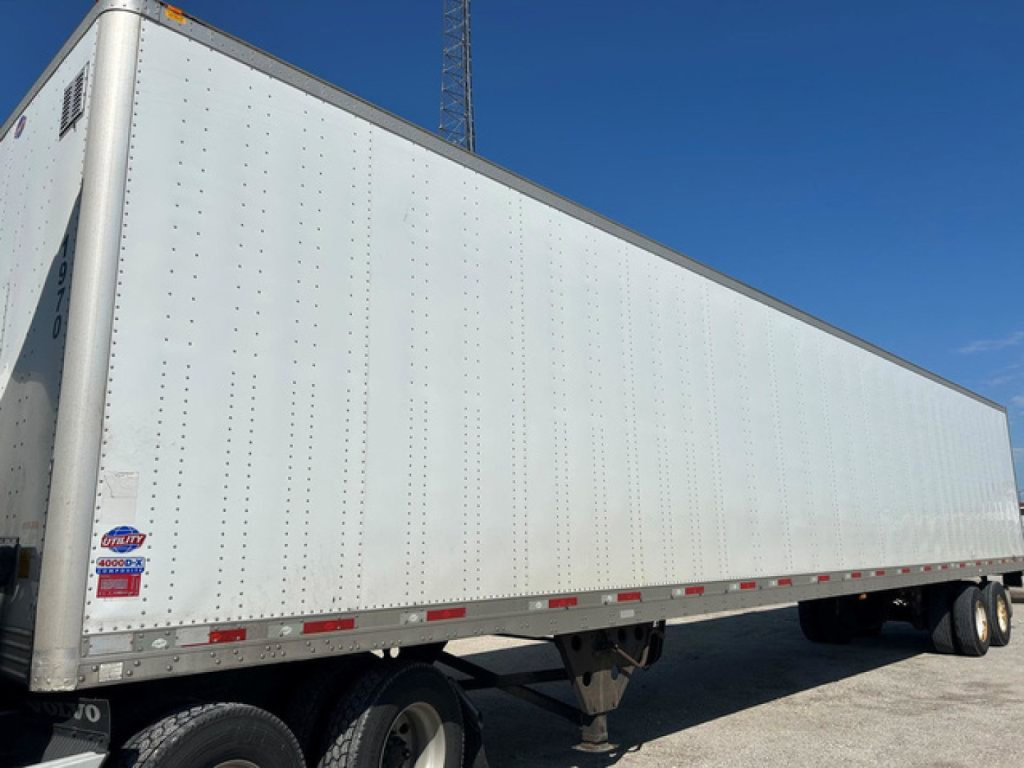
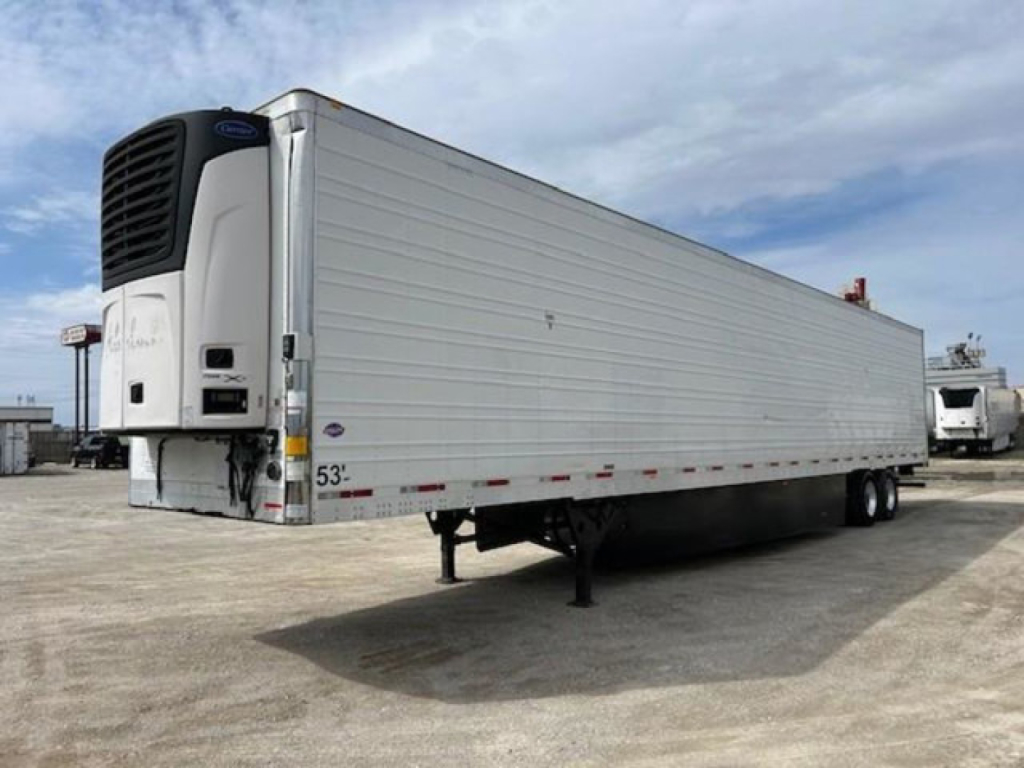
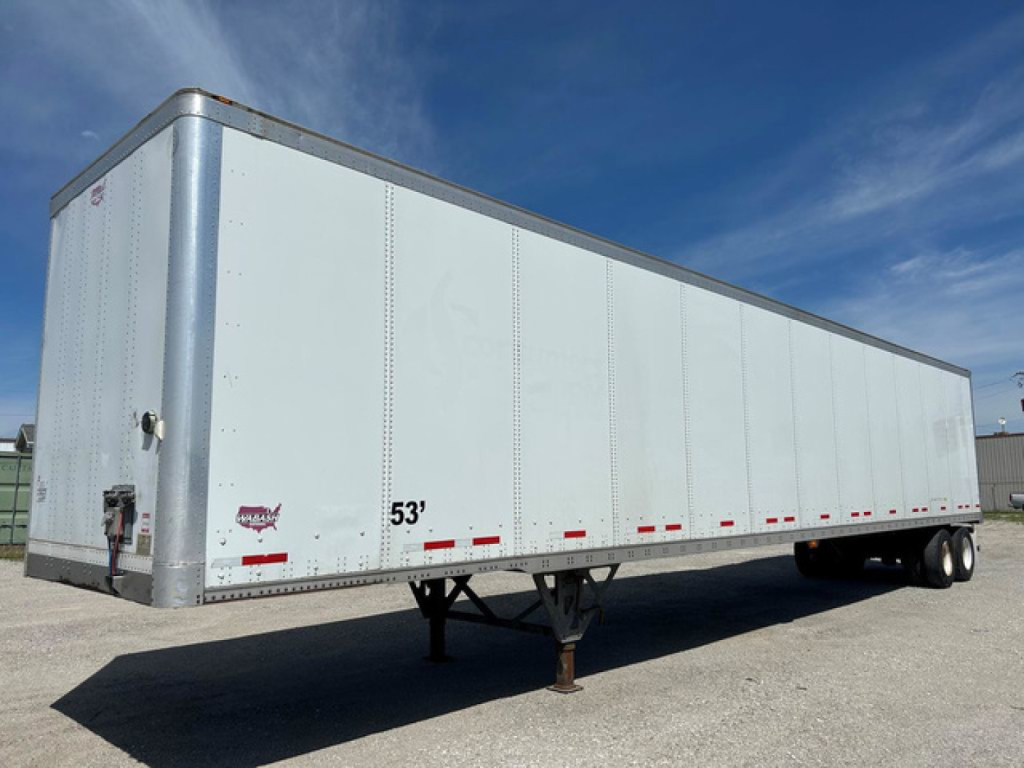
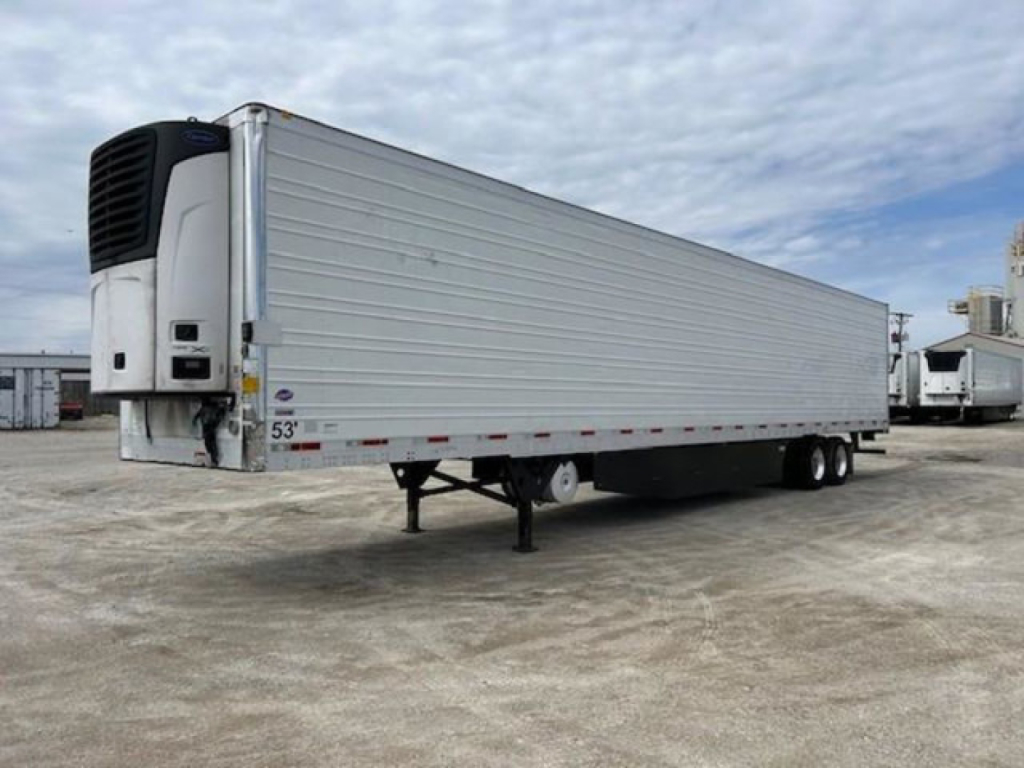
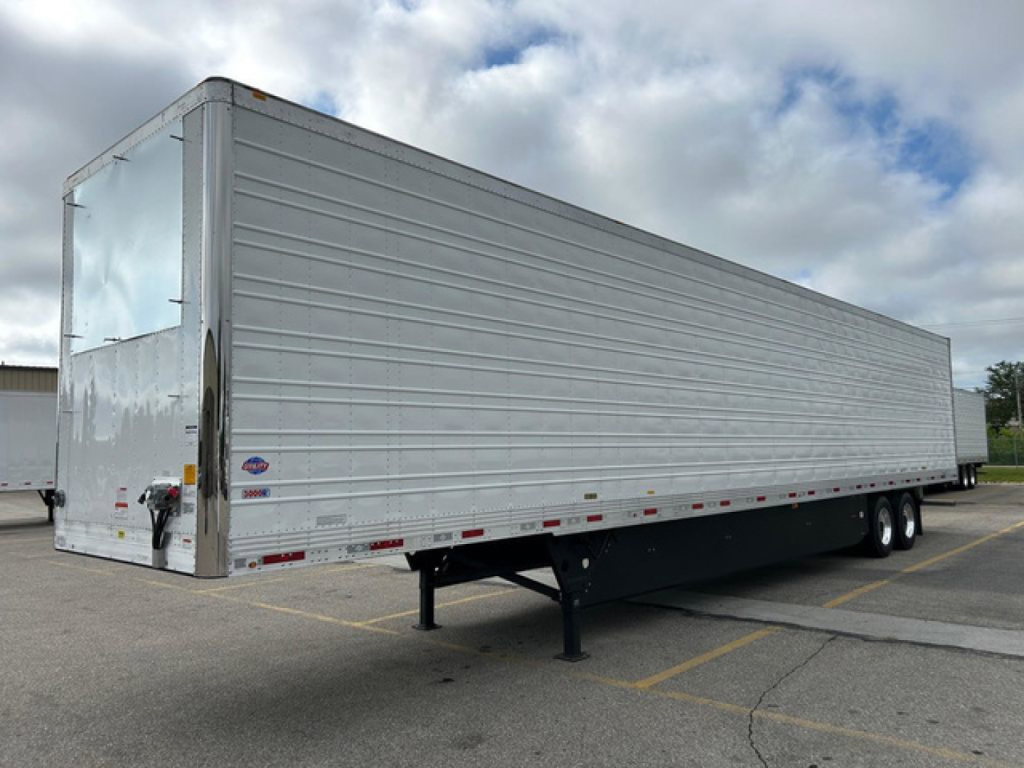
For many fleets, the biggest decision is dry van versus reefer. A van trailer is simpler and generally lower cost to own, with fewer systems to service. A reefer trailer adds earning flexibility but also adds a refrigeration unit, insulation, interior lining considerations, and more maintenance exposure. Common market lengths are 48-foot and 53-foot, with 53-foot trailers dominating over-the-road freight. Air ride suspension is common because it helps protect cargo and improves ride quality. Swing doors are still the standard rear door configuration on many vans and reefers, while buyers should also pay attention to roof material, wall construction, floor condition, crossmember integrity, and signs of prior impact or water intrusion.
Used trailer buyers should evaluate the trailer as a working asset, not just a box on wheels. Tire tread depth, wheel-end condition, brake wear, air system leaks, suspension components, and frame corrosion all affect operating cost from day one. On reefer trailers, unit hours matter, but hours alone do not tell the whole story. The refrigeration unit model, service history, operating performance, fuel system condition, and the state of the lining and insulation are just as important. Interior lining materials such as Kemlite, plywood, or composite panels can influence durability, washout ease, and suitability for food-grade or mixed-freight applications. Features like aluminum roofs, aluminum wheels, and tire inflation systems can also add value depending on route length and maintenance priorities.
Regional buyers in Iowa often look for trailers that can handle a mix of highway miles, seasonal weather, and agricultural or food-related freight demand. That makes structural condition and seal integrity especially important. A buyer considering an older van trailer for storage, jobsite use, or construction support may place more value on a sound floor, usable doors, and a weather-tight body than on cosmetic appearance. A fleet buyer focused on over-the-road service may care more about spec consistency, reefer unit compatibility, trailer weight, and maintenance standardization. The best trailer purchase is the one that fits the freight, loading environment, and service interval expectations without creating avoidable repair expense.
Frequently Asked Questions about Trailers Near Altoona, Iowa
What is the main difference between a dry van trailer and a reefer trailer?
A dry van trailer is designed for protected freight that does not require temperature control, while a reefer trailer includes an insulated body and a refrigeration unit to maintain specific cargo temperatures. Reefer trailers are more versatile for food and temperature-sensitive freight, but they also bring higher purchase cost, more components to maintain, and additional inspection points such as unit hours, evaporator condition, fuel system health, and insulation performance.
What should I inspect first on a used trailer?
Start with the structural and running gear items that affect safety and immediate operating cost. That includes the frame, floor, crossmembers, roof, suspension, brakes, tires, wheel ends, air lines, lights, and rear door seal condition. On a reefer, add the refrigeration unit, interior lining, insulation, and evidence of proper preventive maintenance. Cosmetic wear matters less than a solid structure, consistent maintenance history, and no major hidden damage.
Is a 48-foot or 53-foot trailer better for most operations?
A 53-foot trailer is the standard choice for most over-the-road freight because it offers maximum cube and broad load compatibility. A 48-foot trailer can still be a practical option for regional work, storage use, certain dedicated accounts, or operations that do not need the extra length. The better choice depends on freight profile, dock space, route requirements, and customer expectations rather than trailer length alone.
Do reefer unit hours matter when buying a used refrigerated trailer?
Yes, reefer unit hours are an important indicator of use, but they should never be treated as the only measure of condition. A higher-hour unit with documented maintenance can be a better buy than a lower-hour unit with poor service history. Buyers should review unit model, maintenance records, temperature performance, startup behavior, fault history, and the overall condition of the insulated trailer body before making a decision.
Are older van trailers still useful if they are not going back into full highway service?
Yes, older van trailers often remain useful for storage, construction support, mobile jobsite needs, or limited local service if the body is weather-tight and the floor and doors are still functional. In that type of application, buyers often prioritize structural soundness, roof condition, rear door operation, and basic security over appearance or late-model fleet specs. The intended use should drive the inspection criteria.