
Alpha Trailers For Sale in Montana
Have alpha trailer to sell? List it here to reach thousands of buyers.
Alpha Trailers in Montana
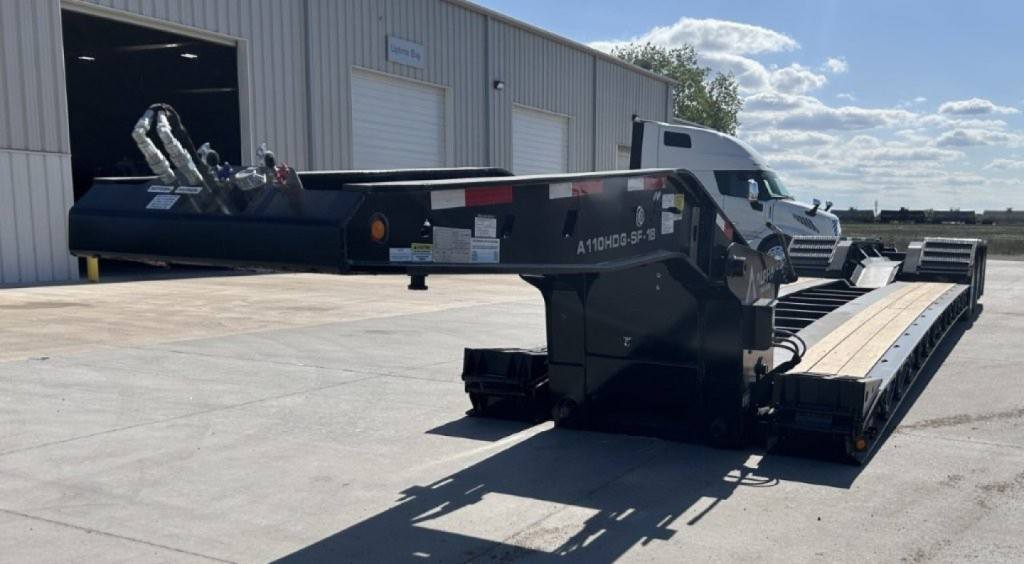
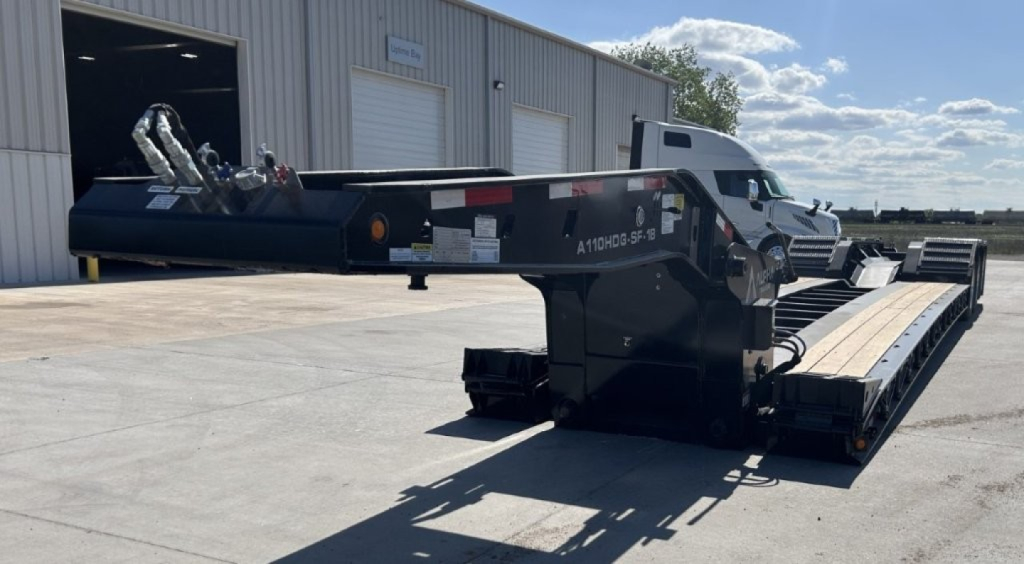
A buyer comparing Alpha trailers should start with deck length, loaded deck height, and gooseneck setup. Main deck lengths in the mid-20-foot range are common for equipment fleets that need room for a variety of machines without stepping into a larger trailer than the freight requires. An 18-inch loaded deck height is a key spec on many lowboy builds because it improves height clearance and loading angle. Hydraulic detachable goosenecks with multiple ride-height positions can also make hookup easier and help adapt the trailer to different tractors, terrain, and loading conditions. Swing clearance, flip ramps, and a covered boom trough are all practical details when the trailer is expected to load mixed equipment efficiently.
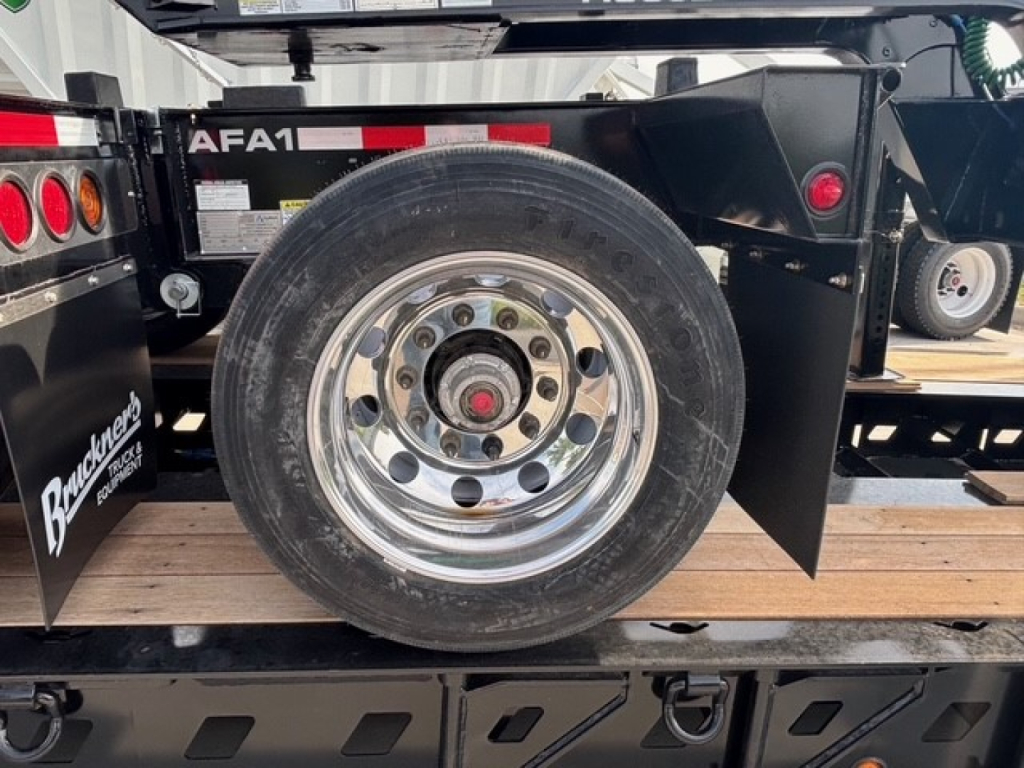
Structural details matter just as much as headline capacity. Heavy-duty crossmember construction, reinforced flanges, axle spacing, and wheel-end components all affect how a lowboy handles concentrated machine weight over time. Buyers should look closely at deck width, outer bay design, axle group configuration, tire size, and load-bearing wheel cover options, especially if the trailer will spend time on uneven approaches, gravel lots, or oilfield and construction access roads. Features like onboard scales, LED work lights, battery backup strobe packages, and toolbox space are not cosmetic. They improve loading accuracy, visibility, and daily usability for operators who are working before daylight, after dark, or between multiple job sites.
When evaluating an Alpha trailer, match the trailer to the machines you move most often rather than buying to a single maximum-capacity number. Check deck length against actual track length or wheelbase, confirm neck compatibility with your tractor, and review local bridge and axle rules for Montana and any neighboring states you run. A well-spec'd Alpha lowboy can be a strong fit for contractors, equipment rental fleets, aggregate operations, road crews, and agricultural support businesses that need a purpose-built trailer for repeated heavy equipment transport.
Frequently Asked Questions about Alpha Trailers in Montana
What type of Alpha trailers are most common in the heavy-haul market?
Alpha is commonly associated with lowboy trailers, especially hydraulic detachable gooseneck models used for hauling construction and industrial equipment. These trailers are built to carry taller and heavier machines by keeping the deck low to the ground and making loading easier. Common applications include excavators, dozers, loaders, paving equipment, and other machinery with concentrated axle or track weight.
Why is loaded deck height so important on an Alpha lowboy trailer?
Loaded deck height directly affects overall legal height, center of gravity, and loading practicality. A lower deck helps carriers move taller machines with fewer route restrictions and better stability. On lowboy trailers, an 18-inch loaded deck height is a strong selling point because it gives more height margin for equipment with cabs, booms, or attachments while also reducing the loading angle compared with taller trailer designs.
What should buyers check when comparing Alpha detachable gooseneck trailers?
The most important checks are deck length, gooseneck design, axle configuration, swing clearance, ride-height adjustment, and structural reinforcement. Buyers should also confirm the trailer matches their tractor's fifth-wheel height and operating setup. Practical options such as flip ramps, boom troughs, onboard scales, toolboxes, and lighting packages can make a major difference in day-to-day operation, especially for fleets that load different machines across multiple sites.
Are Alpha lowboy trailers a good fit for Montana hauling conditions?
They can be a strong fit for Montana operations because lowboy configurations help manage overall height on long rural routes and provide stable transport for heavy equipment. Buyers running in Montana should pay close attention to axle spacing, tire size, suspension setup, and how the trailer performs on uneven yard surfaces, gravel roads, and seasonal jobsite conditions. It is also important to review state and interstate permit requirements if the trailer will carry oversize or overweight machinery.
How do I choose the right deck length on an Alpha trailer?
Choose deck length based on the machines you haul most often, not just the largest unit you move a few times a year. The right deck should support the equipment's track length or wheelbase while leaving enough room for proper weight distribution over the neck and axle group. A deck that is too short can create loading and balance problems, while a deck that is unnecessarily long can add empty weight and reduce efficiency.