
Trailers For Sale Near Albertville, Minnesota
Have trailer to sell? List it here to reach thousands of buyers.
Trailers Near Albertville, Minnesota
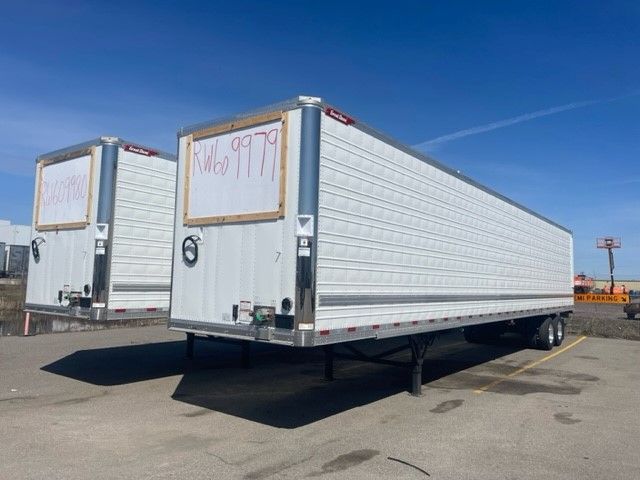
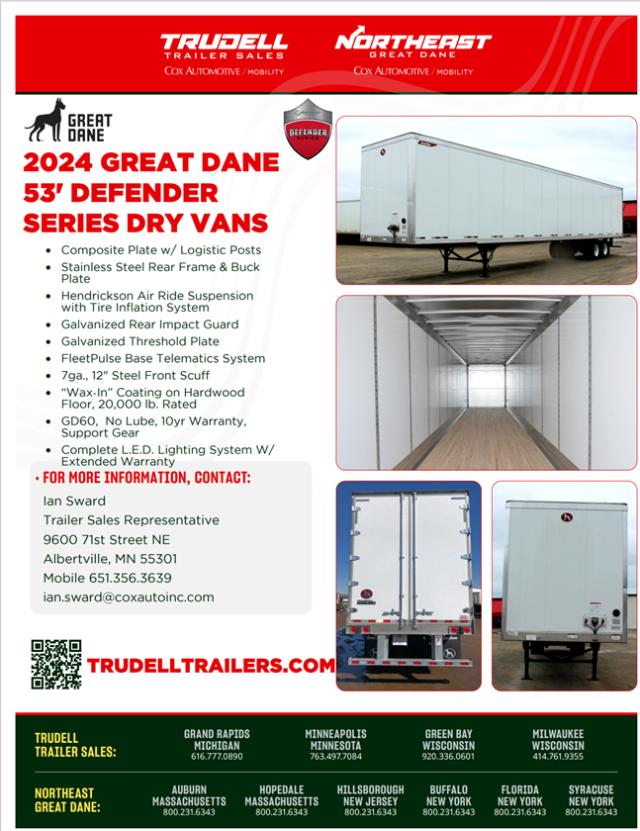
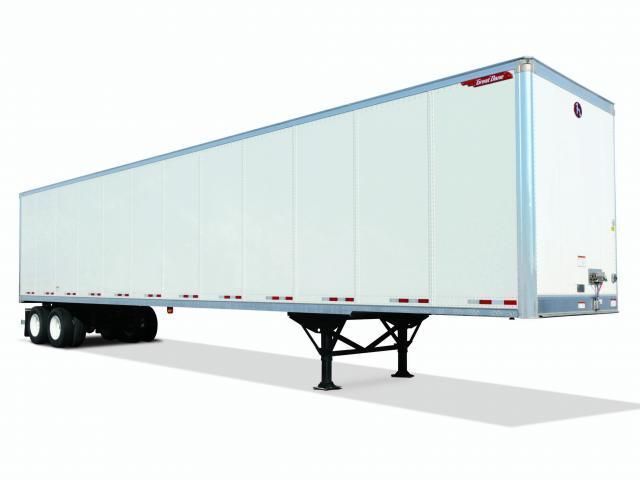
A lot of value in a trailer comes down to core running gear and structure. Common specs include air ride suspension, sliding tandem axles, 22.5 low-profile tires, hardwood or aluminum flooring, and swing rear doors. On dry vans, composite plate construction is popular because it balances strength, repairability, and weight. Hardwood floors are still widely preferred for forklift traffic and repeated loading cycles. On reefers, aluminum floors, scuff liners, stainless rear frames, and roll-stability systems are common features worth comparing. Buyers should also look closely at brake type, because disc brakes can improve stopping consistency and reduce maintenance intervals in high-mile applications.
Upper Midwest operation adds another layer to trailer selection. Minnesota fleets typically care about corrosion resistance, winter traction, and durability under freeze-thaw conditions. That makes wheel choice, crossmember design, door hardware quality, and undercarriage condition especially important. Tire inflation systems, LED lighting, hub-piloted wheels, and quality mudflap and rear impact guard setups can all help reduce roadside issues. If the trailer will run heavy cube freight, check payload sensitivity and unloaded weight. If it will spend time at crowded docks, pay attention to kingpin setting, turning clearance, and slider travel for bridge law compliance and axle spread adjustments.
The best trailer is the one that matches freight profile, loading method, and maintenance capacity. A shipper moving dry consumer goods may prioritize a clean interior, hardwood floor, and dependable swing doors. A reefer operation may focus on air circulation, insulation integrity, fuel efficiency aids, and trailer telematics. Buyers comparing listings should read beyond year and make, then verify length, width, suspension brand, brake setup, floor type, axle configuration, and any fleet-oriented options that affect resale and serviceability. A well-spec'd trailer holds value better, stays easier to maintain, and fits more lanes without compromise.
Frequently Asked Questions about Trailers Near Albertville, Minnesota
What is the most common trailer size for general freight?
The most common trailer size for over-the-road general freight is 53 feet long by 102 inches wide with a tandem axle configuration. That size works well for palletized freight, retail distribution, and full truckload operations because it maximizes legal cargo space while remaining widely accepted at docks and distribution centers. Buyers should still confirm inside height, kingpin setting, and slider range because those details affect cubic capacity, bridge compliance, and maneuverability.
How do I choose between a dry van and a reefer trailer?
A dry van is the standard choice for freight that does not require temperature control, including packaged goods, household products, and many industrial shipments. A reefer trailer is built for temperature-sensitive loads and adds insulated walls, a refrigeration unit, and a different floor design for airflow and washout. The reefer costs more to buy and maintain, so the decision should be based on freight requirements, expected backhaul opportunities, and your ability to service the refrigeration system properly.
Are disc brakes worth considering on a trailer?
Disc brakes are worth serious consideration for fleets that prioritize stopping performance, reduced brake fade, and more predictable maintenance intervals. They can improve braking consistency in regional and highway service, especially on heavier or time-sensitive operations. The tradeoff is higher initial cost and parts pricing in some cases, so buyers should weigh total cost of ownership, technician familiarity, and parts availability in their service area.
What trailer specs matter most for resale value?
Resale value is usually strongest on widely accepted fleet specs such as 53' x 102" dimensions, tandem sliding axles, air ride suspension, quality flooring, and recognizable component brands. Clean structural condition, straight rails, sound doors, good tire and brake history, and corrosion control also matter. On reefer trailers, unit hours, maintenance records, floor condition, and insulation integrity have a major effect on buyer interest and pricing.
What should Minnesota buyers pay close attention to on a trailer?
Minnesota buyers should pay close attention to corrosion, wiring protection, door seals, suspension condition, and the overall health of the undercarriage because winter roads and road treatment chemicals are hard on trailer components. Lighting reliability, tire condition, and brake performance are also important in cold-weather service. If the trailer will run year-round in the Upper Midwest, durable hardware, sealed connections, and well-maintained running gear can make a meaningful difference in uptime.