
Trailers For Sale in Alberta
Browse trailers for sale in Alberta, including dry vans, reefers, flatbeds, dumps, lowboys, tank trailers, and specialty hauling equipment.
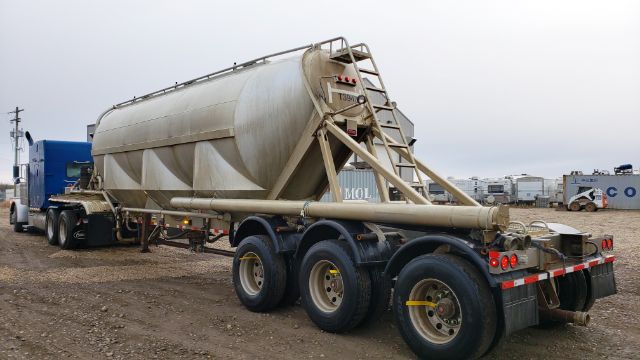

Selling a trailer? List your trailer for sale and reach thousands of commercial buyers.
Trailers in Alberta
For freight work, dry van and reefer trailers remain the most common choices. Dry vans are built for general palletized cargo and often include plywood or composite lining, hardwood floors, scuff liners, logistics posts or E-track, roll-up or swing doors, and sliding tandems. Reefer trailers add insulated walls, duct floors, bulkheads, temperature recorders, and refrigeration units from major suppliers like Carrier or Thermo King. Buyers in Alberta should pay close attention to reefer engine hours, unit service history, floor condition, door seals, and the integrity of the insulation and interior liner. In dry vans, key wear points are floor rot around the threshold, sidewall damage from forklifts, roof bow condition, and suspension or brake maintenance.
Flatbeds, step decks, and lowboys are the backbone of construction, oilfield, forestry, and equipment hauling across Alberta. The important decisions here are deck length, loaded deck height, concentrated load rating, axle configuration, and securement setup. Aluminum flatbeds save tare weight for maximizing payload, while steel or combo construction can make more sense for severe-duty use. Buyers should look for winch tracks, chain spools, J-hooks, rub rails, coil package options, and proper neck and frame condition on detach trailers. For heavy haul applications, jeep compatibility, booster provisions, axle spacing, and legal dimensions matter as much as structural condition.
Vocational trailer buyers should also weigh climate and service support. Air ride suspension is common on highway trailers for ride quality and cargo protection, while spring or walking beam setups may be preferred in rougher site work. Disc brakes, tire inflation systems, lift axles, side skirts, and telematics are more common on late-model fleet trailers, but simple specifications can still be the better fit where repairability and uptime matter most. In Alberta, corrosion from winter roads, cracked crossmembers, bushing wear, ABS faults, and tire wear patterns deserve a close inspection on any used trailer. A good trailer is not just the right size. It is the right combination of structure, running gear, and spec for the freight, route, and regulatory environment it will work in.
Frequently Asked Questions about Trailers in Alberta
What types of trailers are most commonly used in Alberta?
The most common trailer types in Alberta are dry vans, reefer trailers, flatbeds, step decks, lowboys, dump trailers, grain hoppers, live bottom trailers, and tank trailers. Dry vans and reefers handle general freight, grocery, and temperature-controlled loads, while flatbeds and heavy haul trailers are widely used in construction, oilfield, and equipment transport. Agricultural and bulk commodity operations often rely on hoppers, dumps, and belt trailers. The best choice depends on freight type, payload target, loading method, and the road conditions the trailer will see year-round.
What should I inspect first on a used trailer?
Start with the frame, crossmembers, floor, suspension, brakes, tires, and wheel ends. On enclosed trailers, inspect the roof, front wall, door frame, interior lining, and floor for forklift damage, water intrusion, and structural fatigue. On flatbeds and vocational trailers, check for cracked welds, bent beams, damaged outriggers, neck wear, hoist condition, and signs of overloading. In Alberta, corrosion, brake system faults, and cold-weather wear on air lines, seals, and bushings should be part of any inspection.
Is air ride or spring suspension better on a trailer?
Air ride suspension is generally preferred for highway freight because it improves ride quality, helps protect cargo, and is common on dry vans, reefers, and many flatbeds. Spring suspension is simpler and can be a strong fit for rough service, off-road conditions, and certain vocational applications where durability and ease of repair are priorities. The better option depends on the trailer's duty cycle, the type of cargo, and how much time it will spend on pavement versus job sites, lease roads, or gravel.
What specs matter most when buying a reefer trailer?
The critical reefer specs are box dimensions, inside height, refrigeration unit model, engine hours, insulation condition, floor type, and door seal integrity. Buyers should also review the service records for the refrigeration unit, check for air leaks, inspect the evaporator and bulkhead area, and confirm the trailer can hold setpoint under load. Features like duct floors, aluminum scuff liners, temperature monitoring, tire inflation systems, and disc brakes can improve operating efficiency and cargo protection.
How do I choose the right trailer length and axle setup?
Trailer length and axle configuration should match the freight, legal requirements, and the turning environment. A 53-foot trailer is standard for many van and reefer applications, but shorter lengths may be better for tighter access or specialized work. Axle spread, sliding tandems, tridems, and lift axles all affect payload distribution, bridge compliance, and maneuverability. In Alberta, buyers should consider provincial weight rules, the routes they run most often, and whether the trailer will cross into other jurisdictions with different axle and dimensional regulations.