
Trailers For Sale Near Akron, Indiana
Have trailer to sell? List it here to reach thousands of buyers.
Trailers Near Akron, Indiana
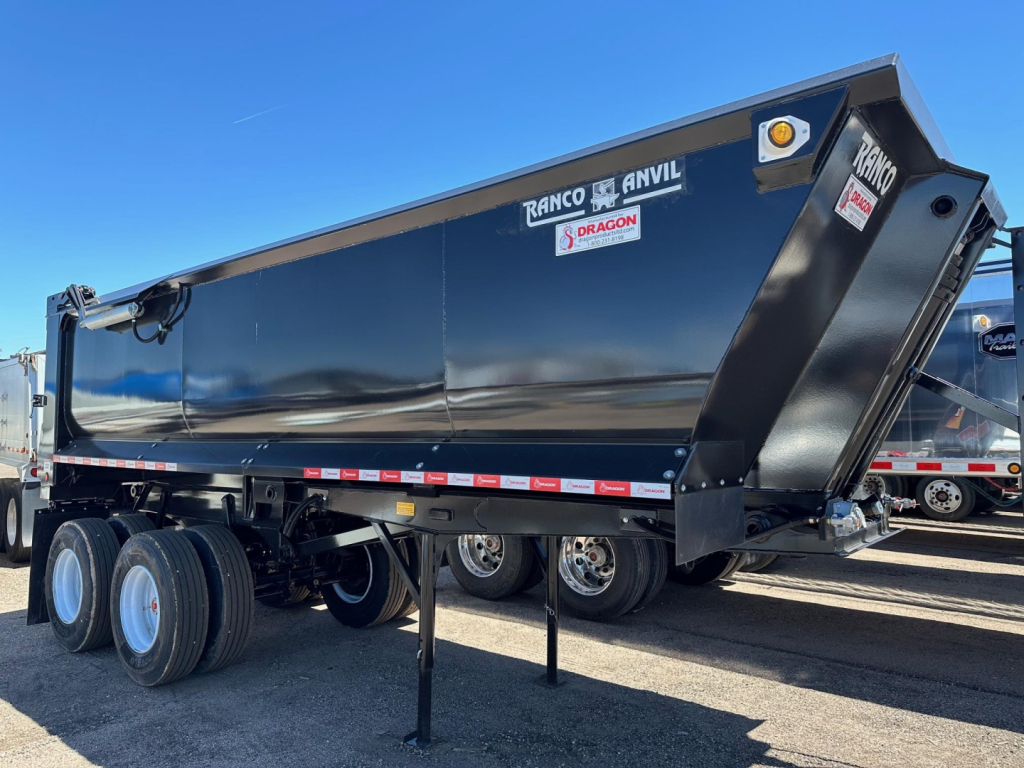
Dump trailers are a good example of how application drives spec. End dumps and side dumps are often chosen around material type, unload angle, tub design, and structural strength. Steel tubs with AR plate are common for rock, demolition, and abrasive aggregate, while aluminum bodies can improve payload on lighter bulk commodities. Quarter-frame and full-frame layouts, single-point or air ride suspension, high-lift gates, top-hinge gate styles, fender design, and cubic yard capacity all matter when the trailer is expected to work in quarry, paving, excavation, or site development service. A buyer comparing dump trailers should also pay attention to hoist geometry, center of gravity when raised, and the condition of liners, hinges, crossmembers, and gate seals.
For general freight, van and platform trailers are usually evaluated on cargo protection, dock compatibility, and securement flexibility. Dry vans and refrigerated trailers are often compared by interior height, logistics post spacing, floor type, scuff liners, swing or roll-up doors, and the age and hours of the reefer unit if applicable. Flatbeds, step decks, and detachable goosenecks are more about deck length, loaded deck height, concentrated load rating, ramp or detach system, and tie-down equipment such as winches, sliding winches, chain ties, and coil package setup. Suspension type, brake configuration, tire size, wheel material, and tire inflation systems can make a noticeable difference in maintenance cost over the life of the trailer.
Across almost every trailer class, smart buyers inspect the same core areas first: VIN plate, title status, frame condition, axle alignment, brake wear, bushing play, tire age, wheel-end history, lighting, air leaks, and signs of prior structural repair. It also helps to confirm kingpin condition and setting, landing gear operation, ABS function, and any lift axle or emissions-related requirements tied to the intended operation. A trailer that is correctly spec'd for the freight and maintained with serviceable running gear usually delivers better utilization than one chosen on price alone.
Frequently Asked Questions about Trailers Near Akron, Indiana
What should I look for first when buying a used trailer?
Start with the structural and legal basics before looking at cosmetic condition. Confirm the VIN plate and title status, then inspect the main frame, crossmembers, suspension hangers, axle alignment, brakes, wheel ends, lighting, and tires. On freight trailers, check the kingpin, landing gear, floor condition, doors, and signs of collision or weld repair. On dump and equipment trailers, pay close attention to hoist mounts, body wear, hinge points, and any cracking around high-stress areas.
How do I choose the right trailer type for my operation?
The right trailer is determined by freight type, loading method, route profile, and legal weight targets. Dry vans fit palletized freight that needs weather protection, reefers handle temperature-sensitive cargo, flatbeds and step decks are used for open-deck freight, and dump trailers are built for bulk material that unloads by gravity. Equipment trailers and lowboys are selected for machinery based on deck height, axle layout, and load concentration. Matching the trailer to the work is more important than choosing the broadest or heaviest spec.
Is steel or aluminum better for a trailer body?
Neither material is universally better because the application decides the tradeoff. Steel generally offers strong impact resistance and is common in severe-duty applications such as rock and demolition hauling. Aluminum helps reduce tare weight and can increase legal payload in many operations, especially where the cargo is less abrasive. Buyers should weigh payload goals, repair environment, expected body life, and the type of material being hauled before deciding.
What trailer specs have the biggest effect on maintenance costs?
Suspension design, brake system, axle quality, wheel-end setup, tire size, and body construction all affect long-term operating cost. Air ride can improve cargo protection and ride quality, while mechanical setups may appeal in some vocational environments for simplicity. Tire inflation systems, standardized brake components, and common axle parts can reduce downtime. On dump trailers and platform trailers, body wear surfaces, hinge points, and frame reinforcement also have a major impact on how often the trailer needs repair.
Why does kingpin setting matter on a semi-trailer?
Kingpin setting affects tractor and trailer weight distribution, turning clearance, and bridge law compliance. A setting that works well with one tractor wheelbase or axle spread may not be ideal for another operation. Incorrect weight balance can reduce legal payload or create handling issues. Buyers running multiple tractors or specific regional routes should verify that the trailer's kingpin location fits their fleet standards and intended load profile.