
New Agriculture Trailers For Sale
Shop new agriculture trailers built for farm equipment, hay, inputs, and bulk loads with durable frames, ramp options, and heavy-duty axles.
No exact matches found for your search
Showing Trailers instead.
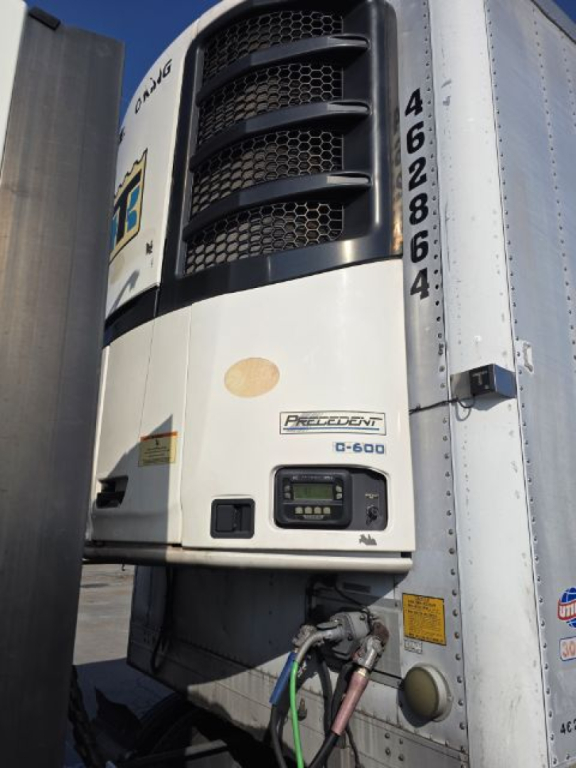
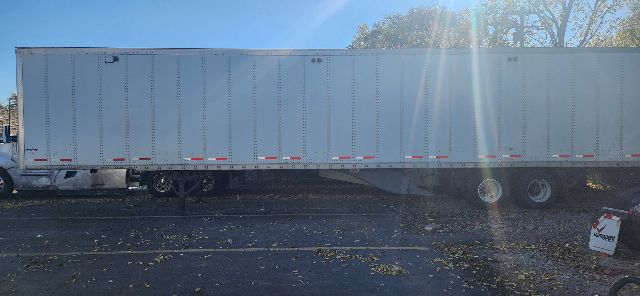
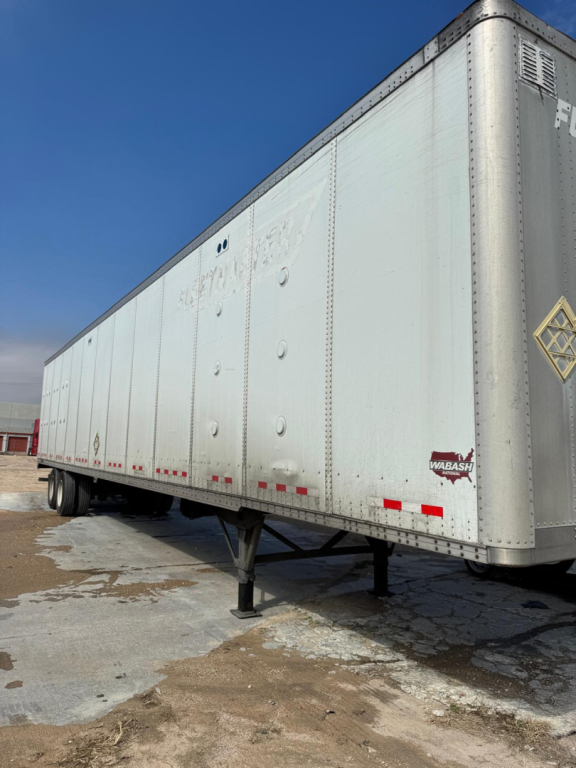
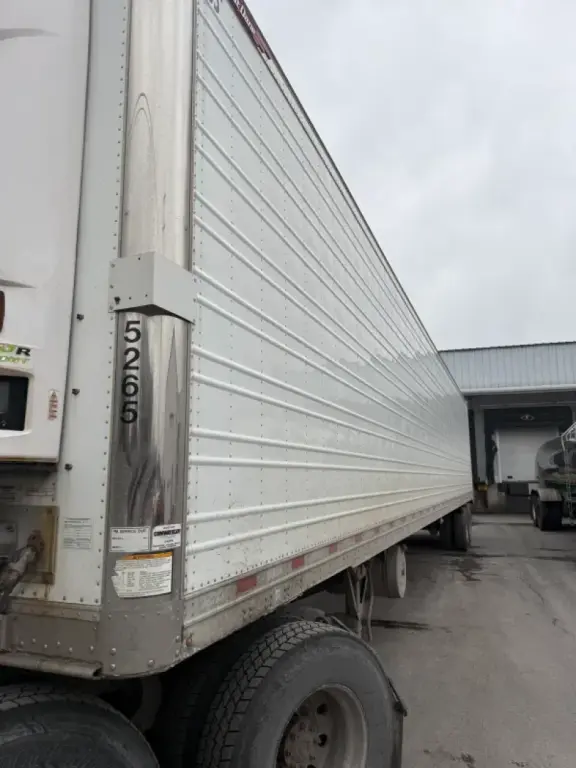
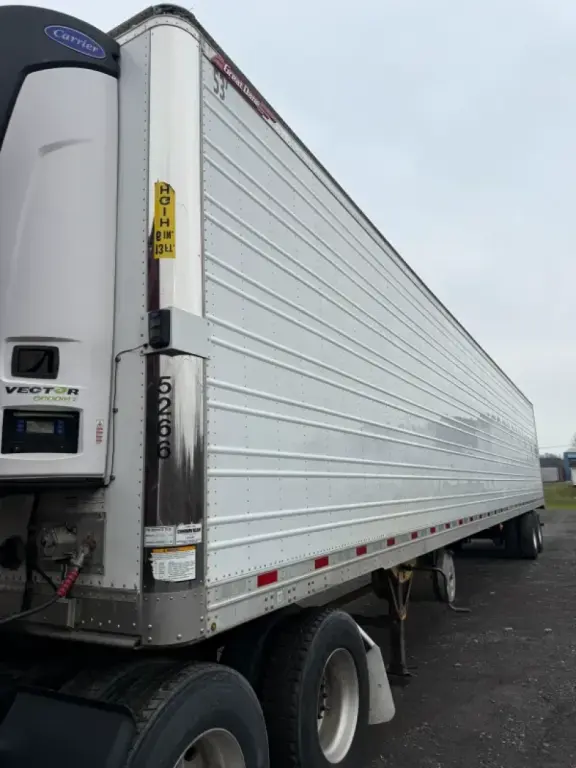
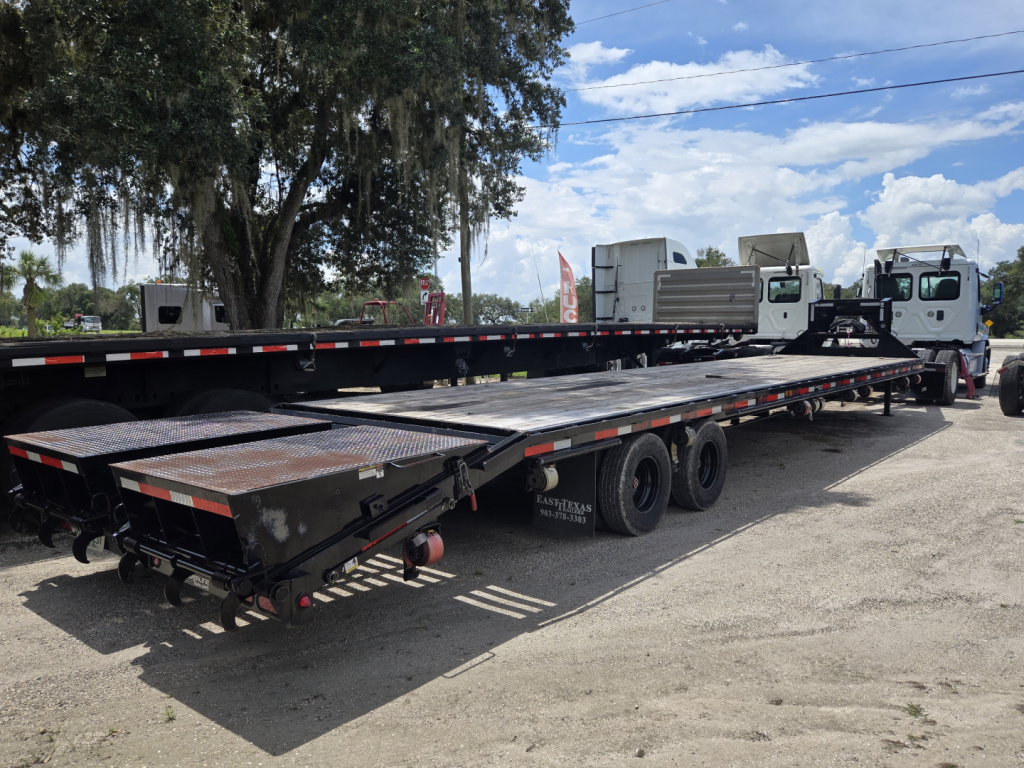
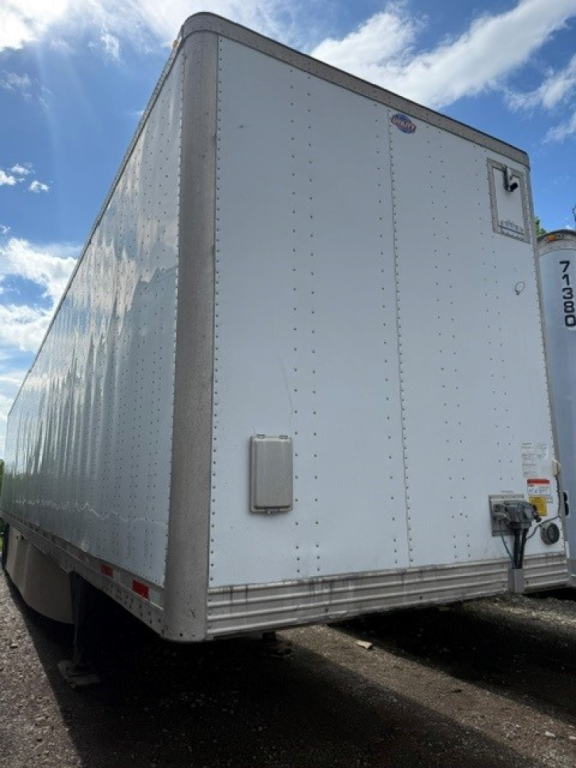
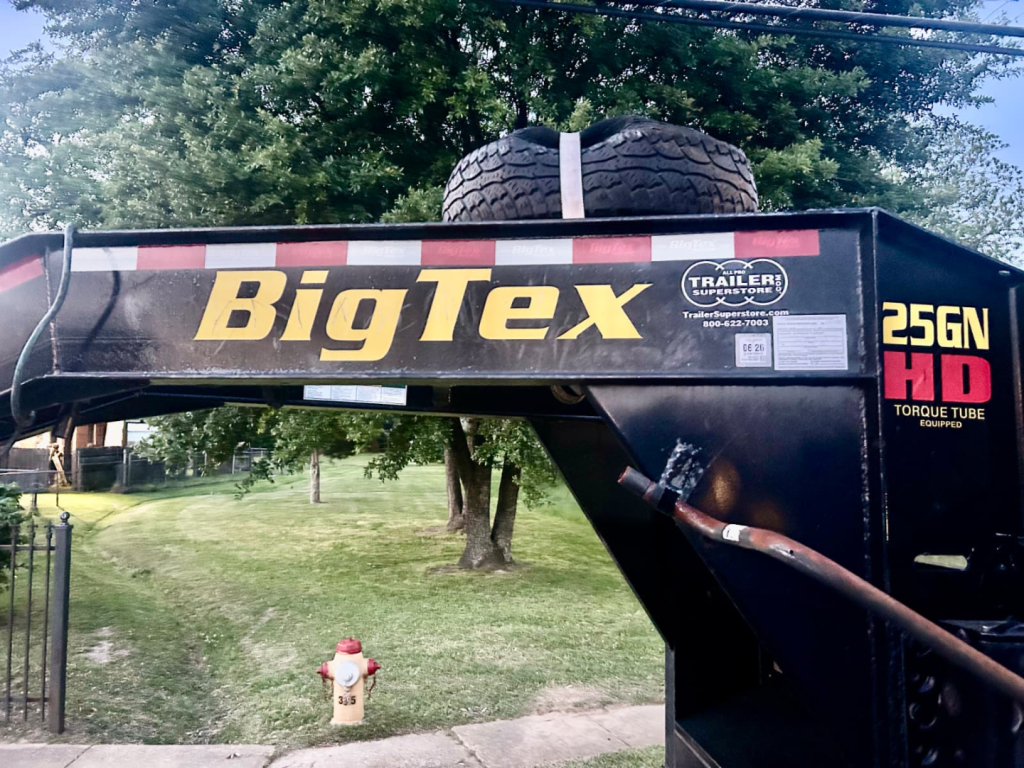
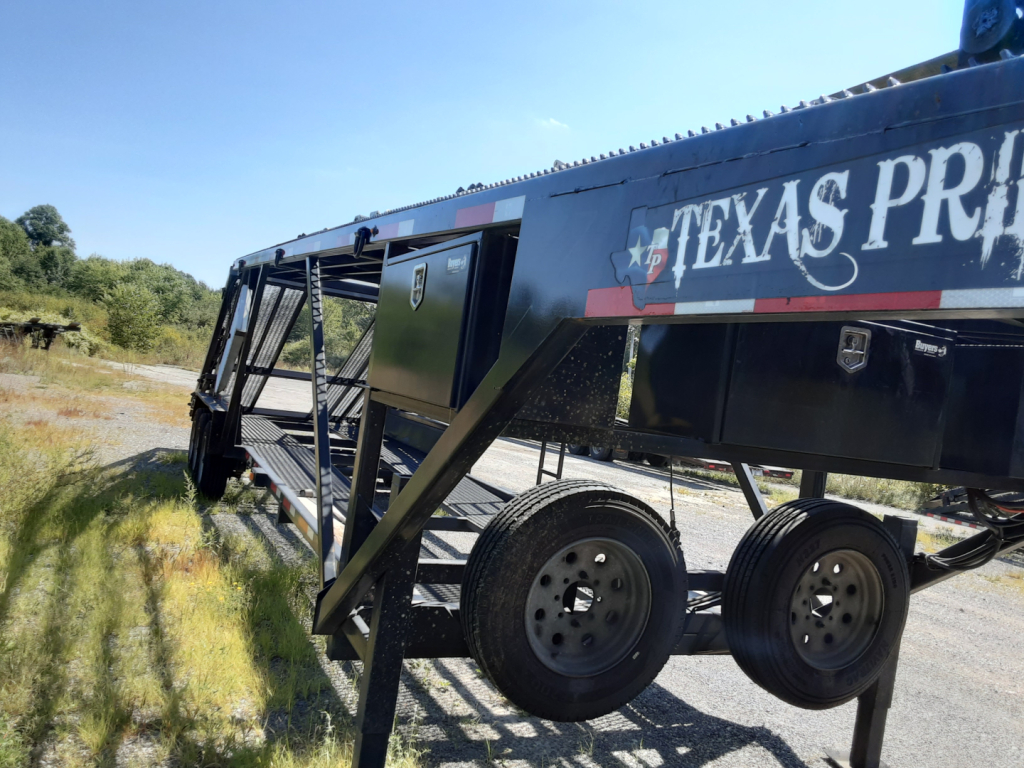
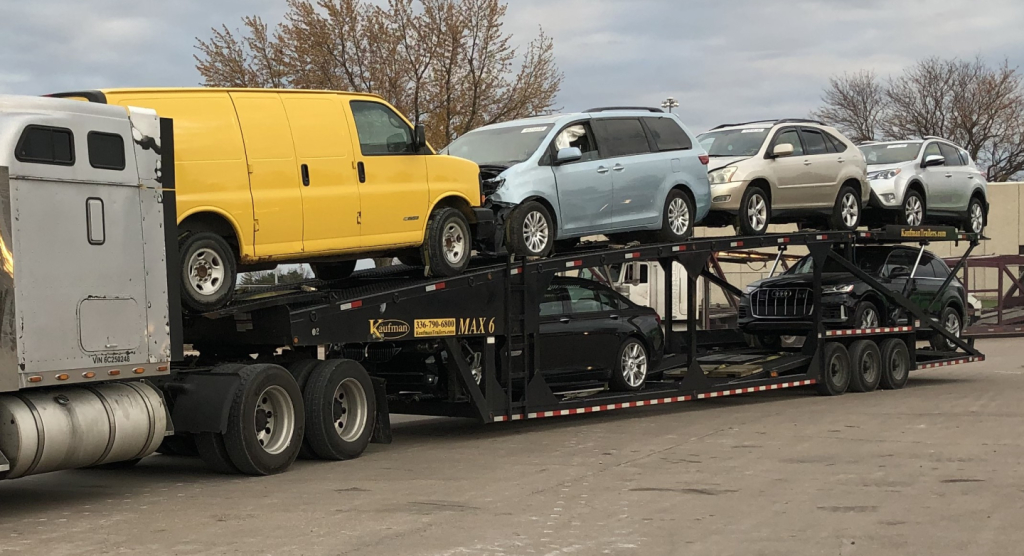
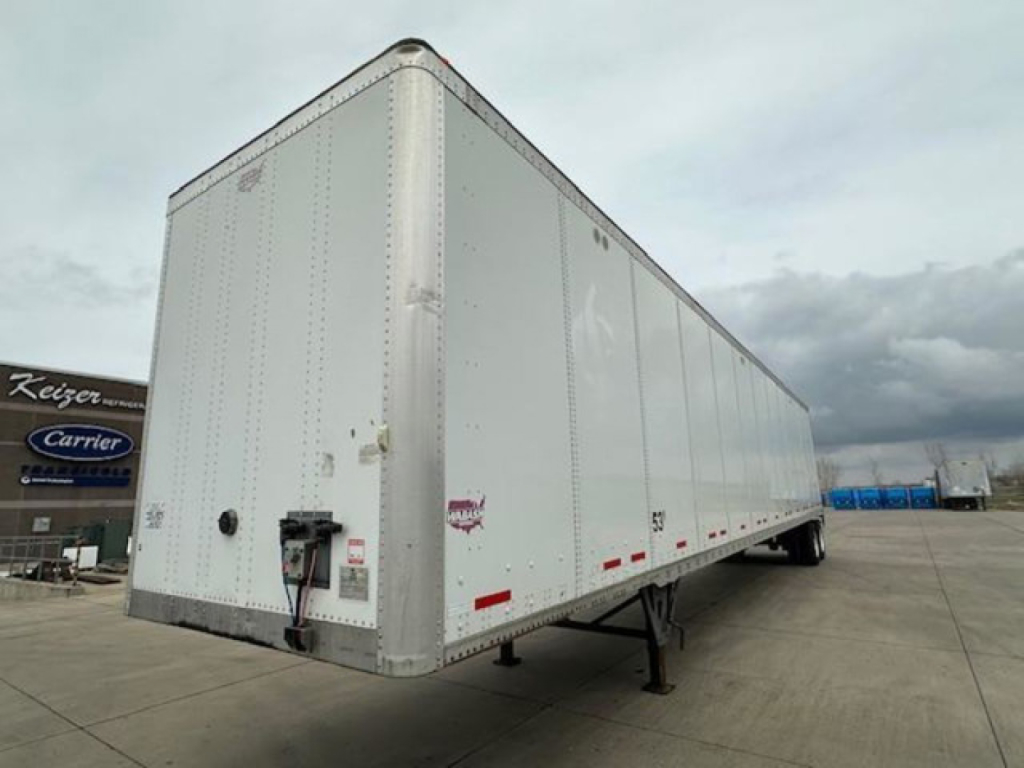
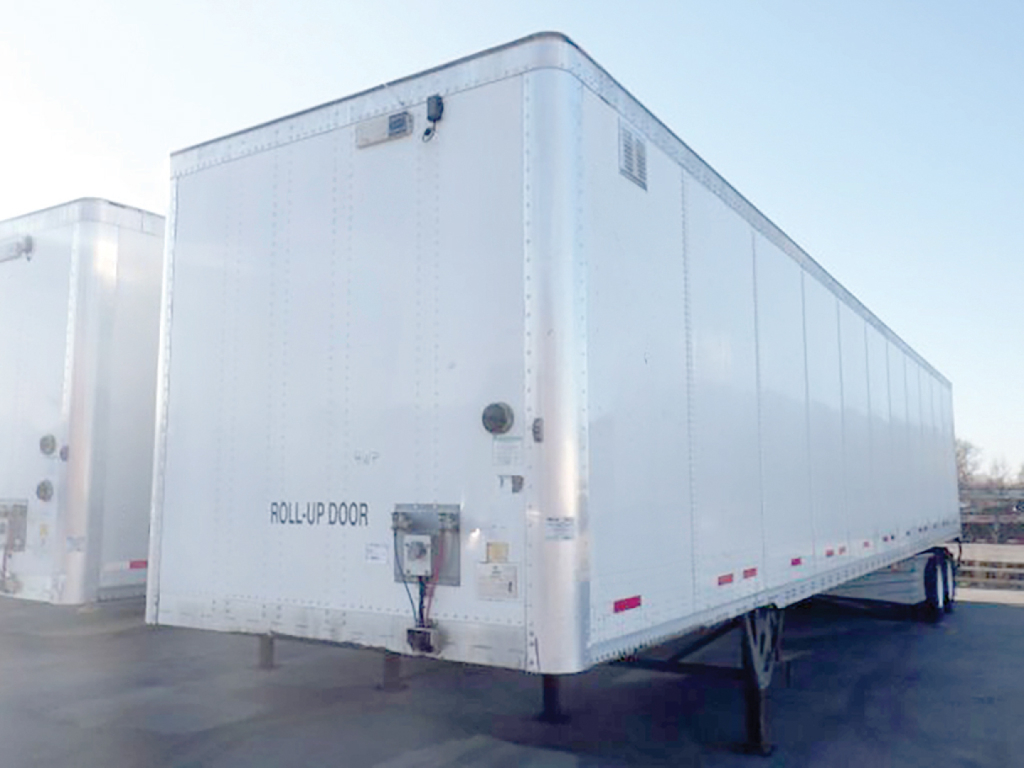
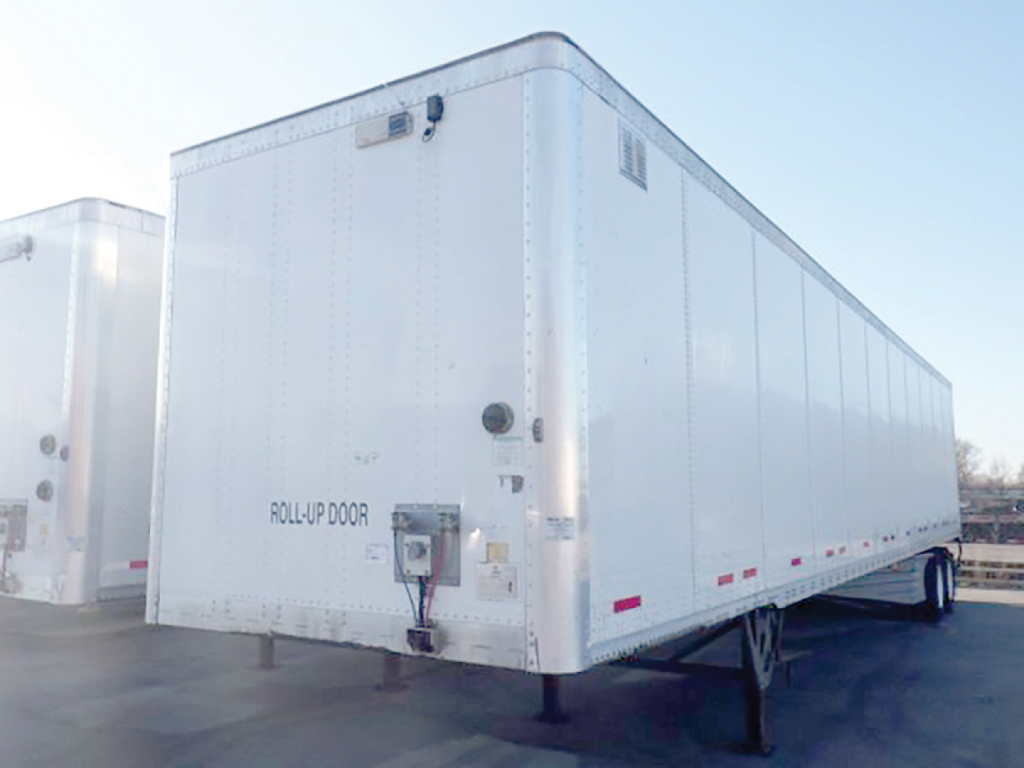
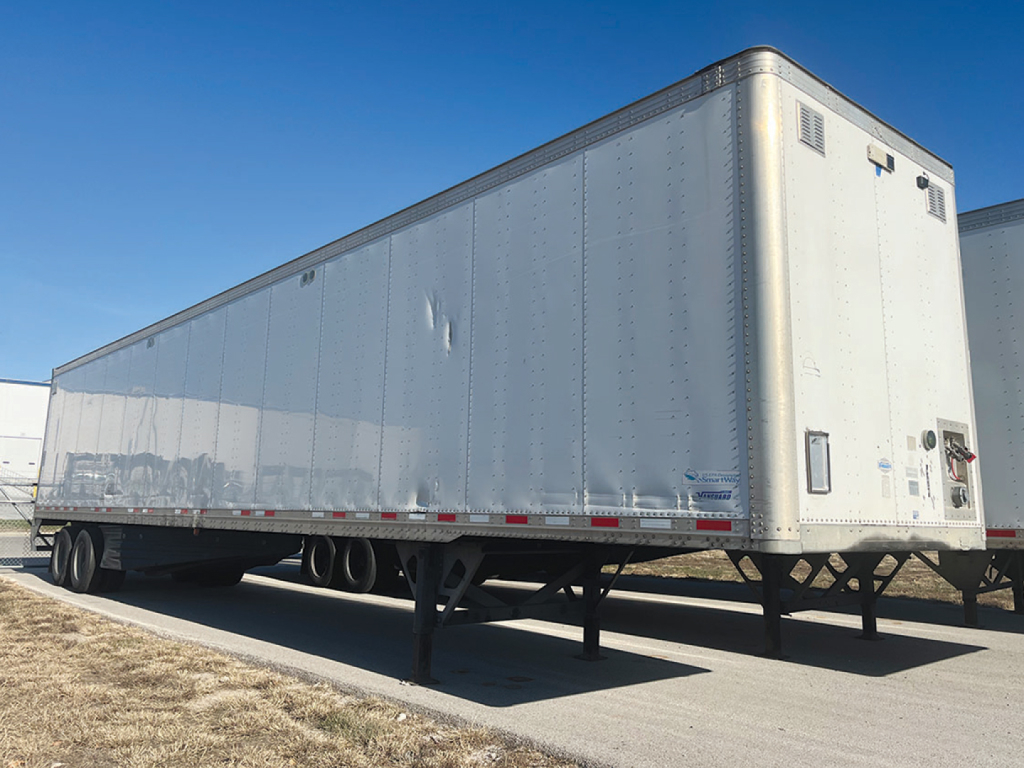
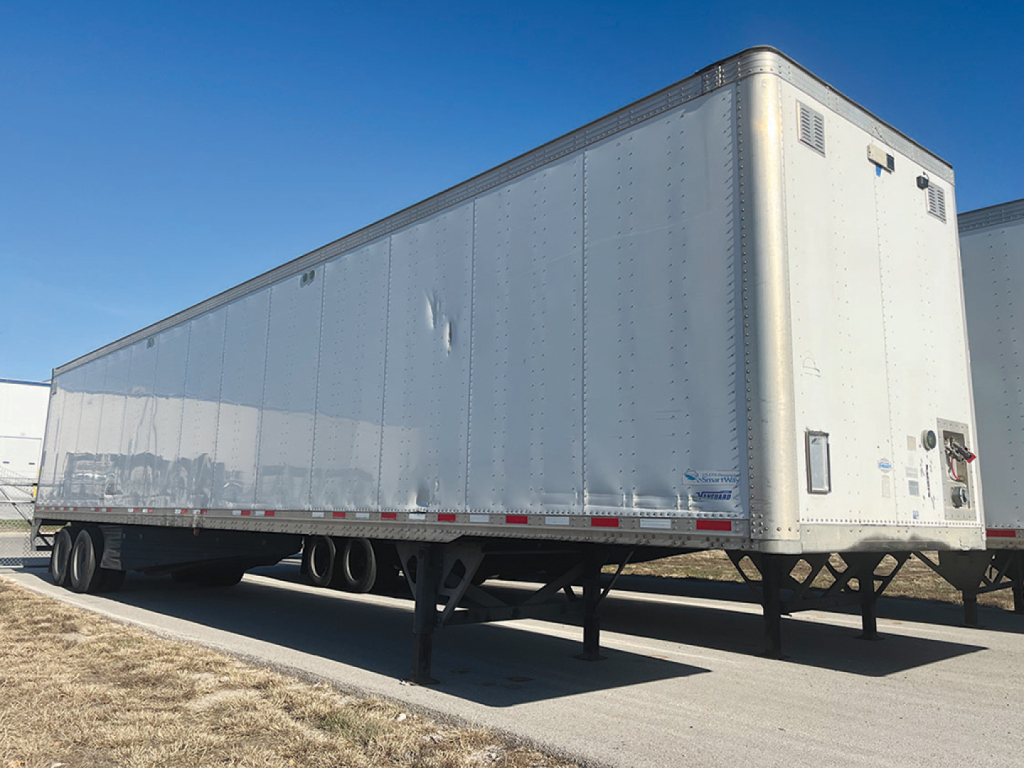
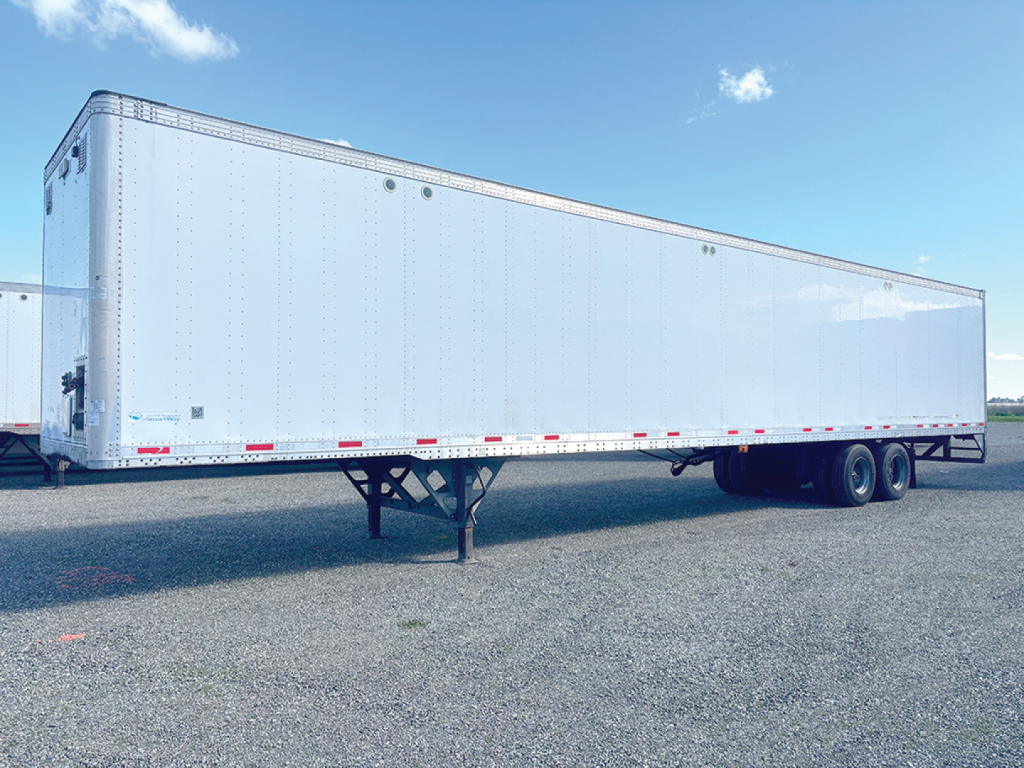
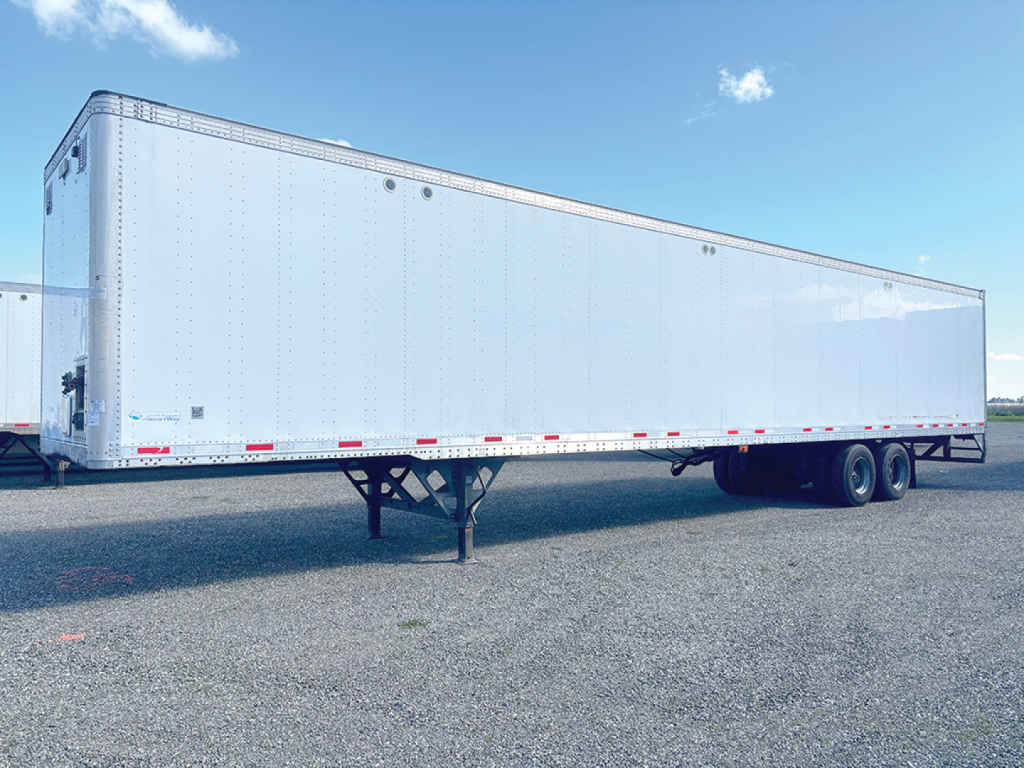
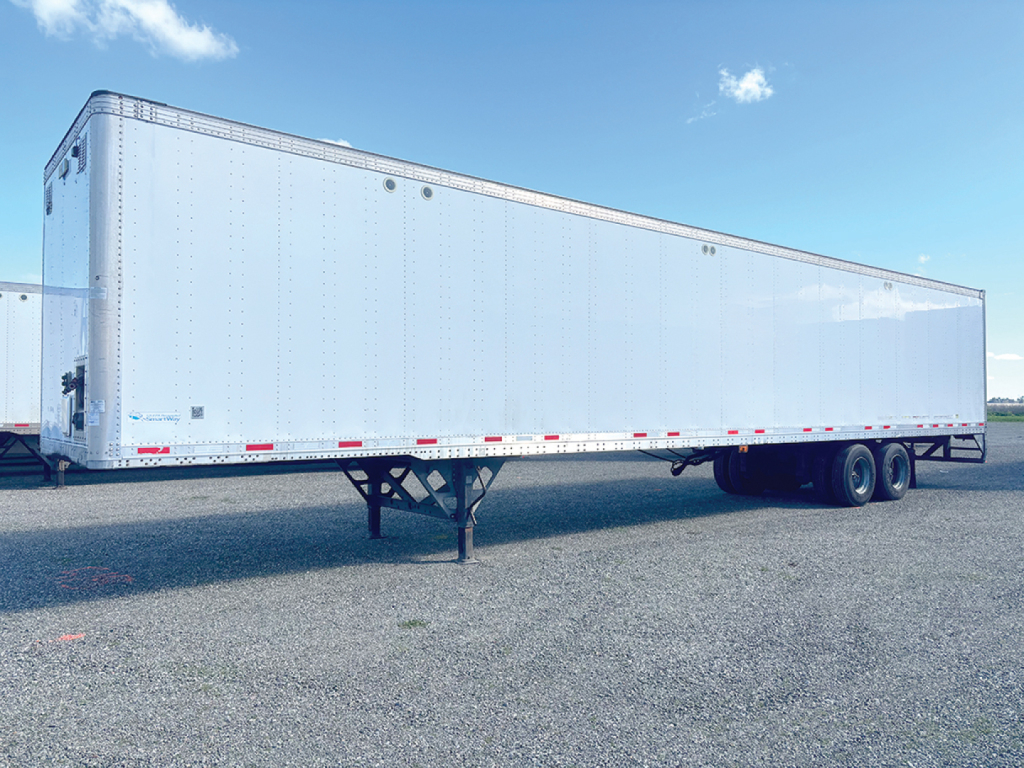
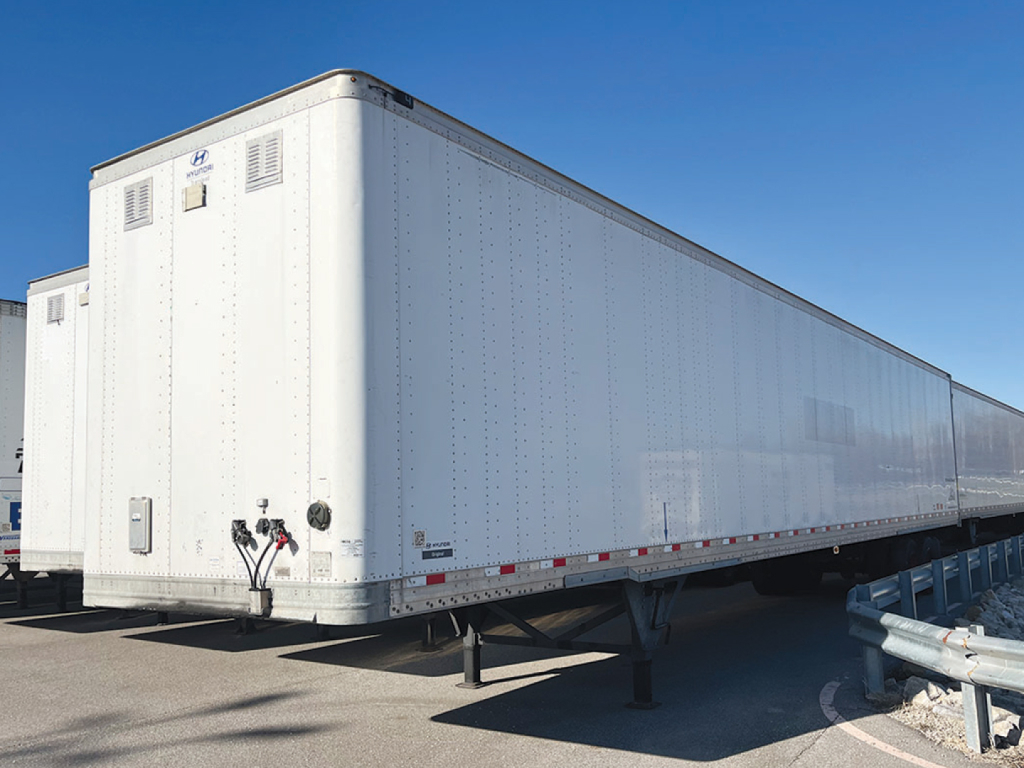
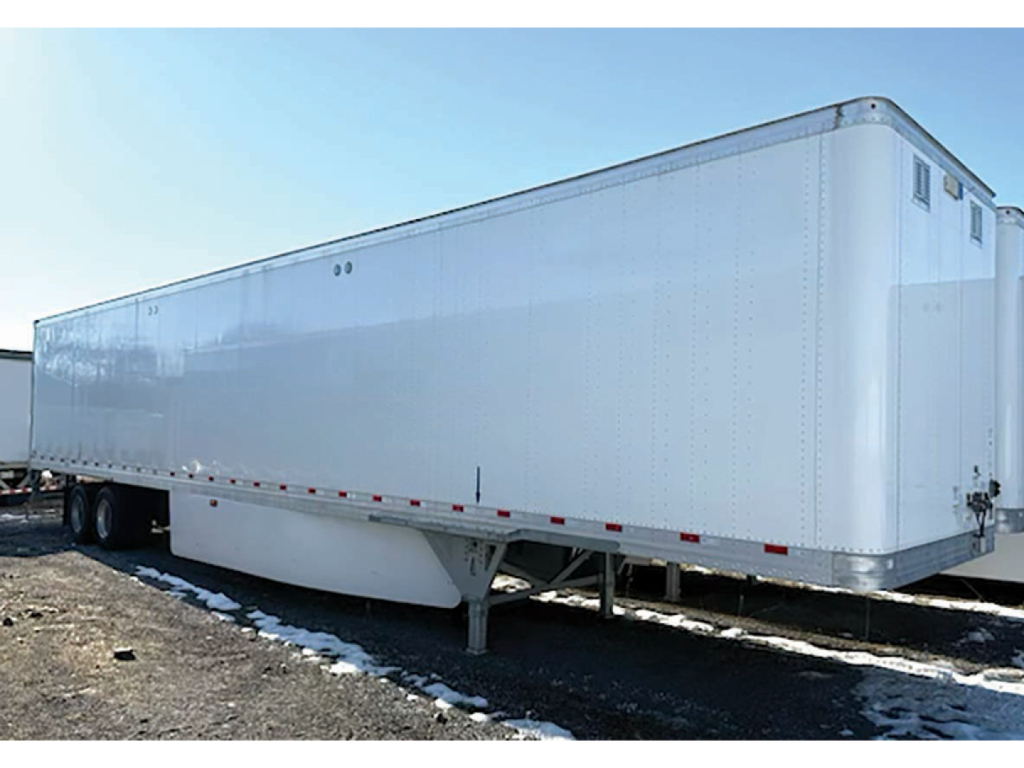
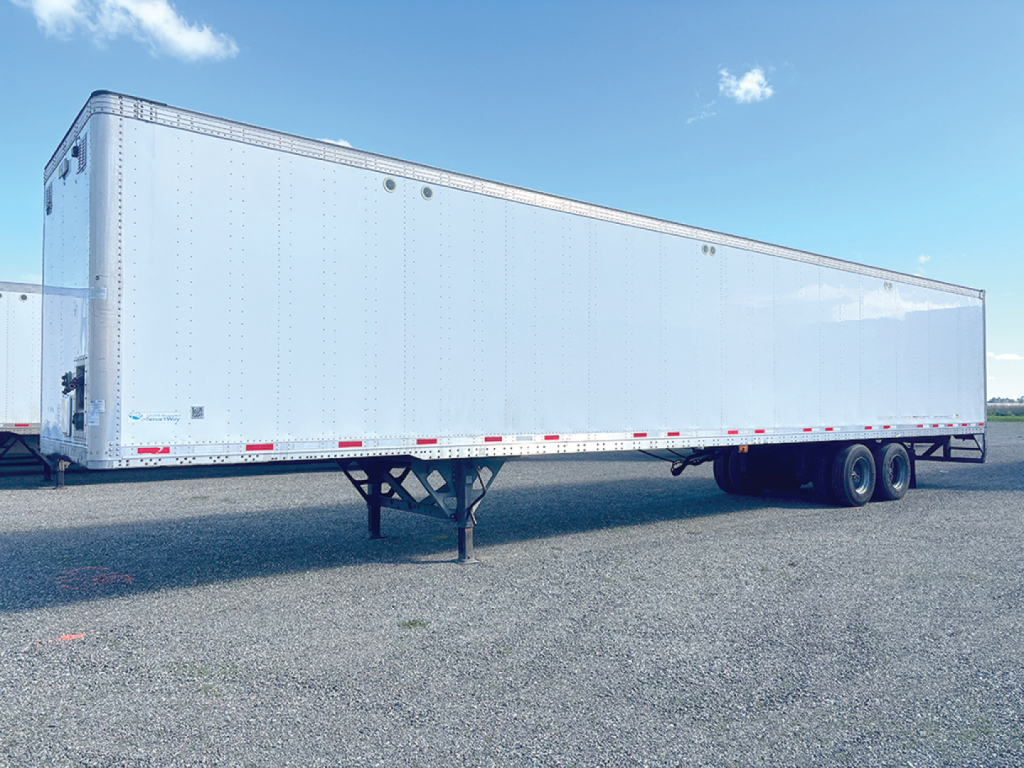
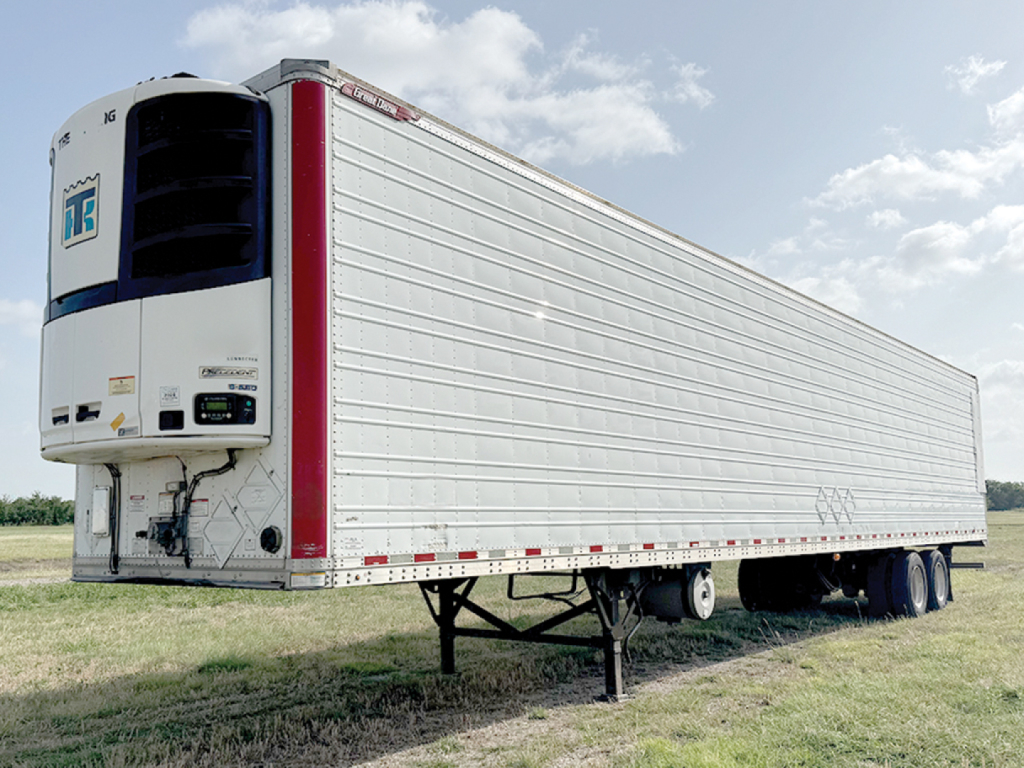
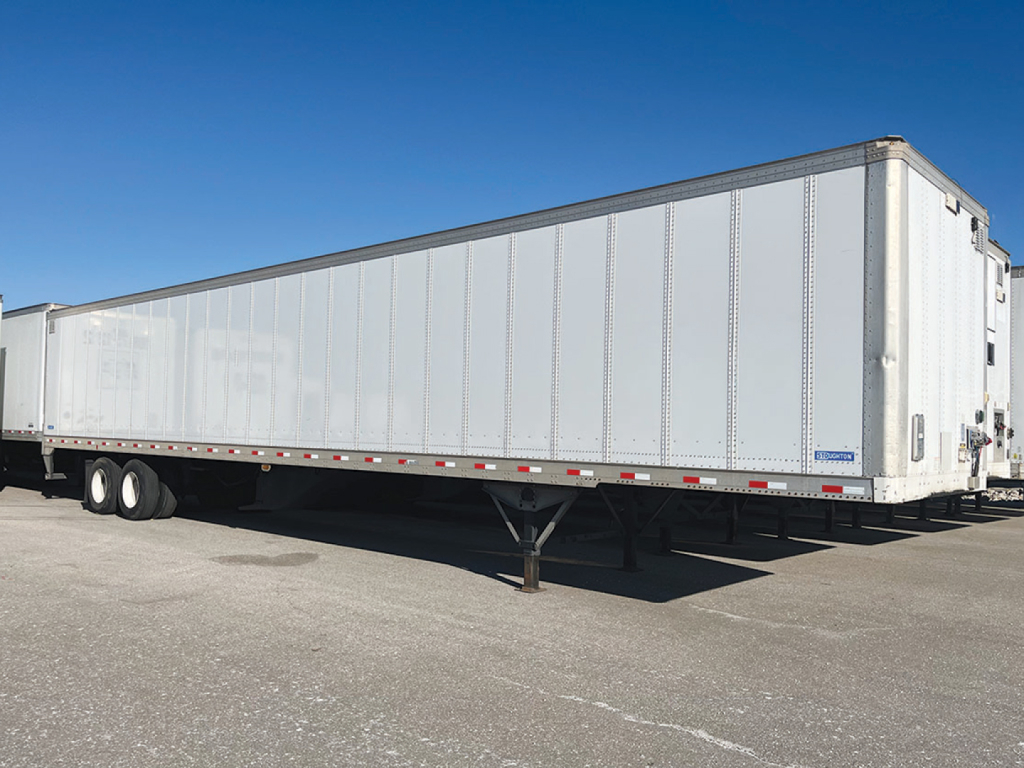
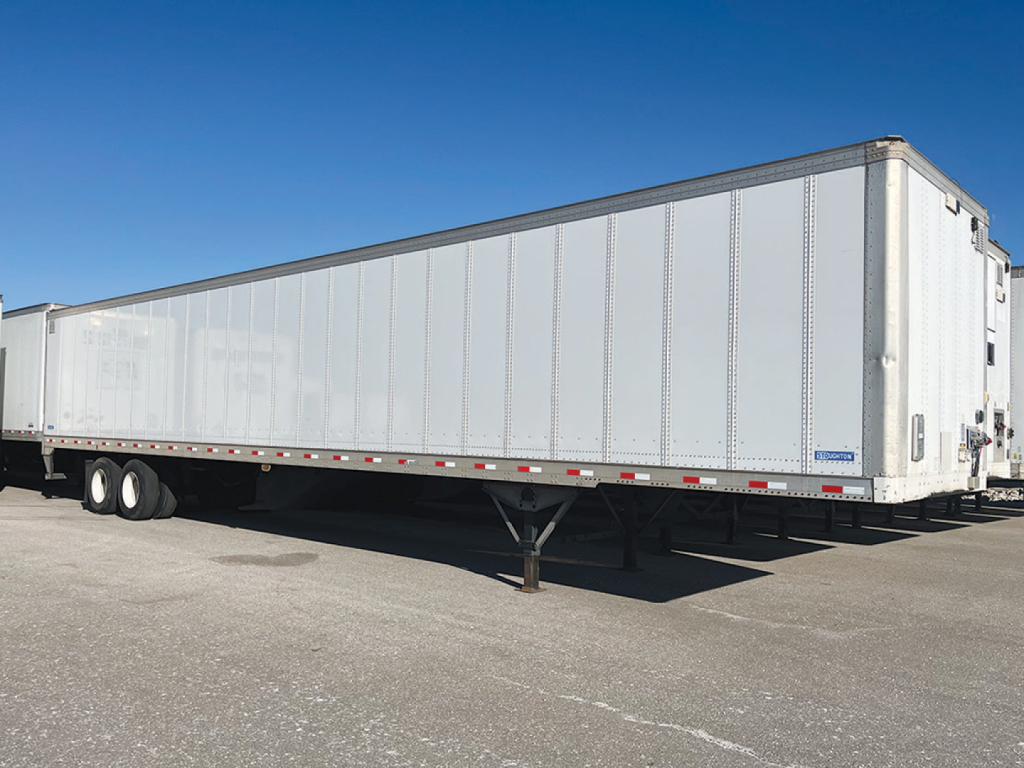
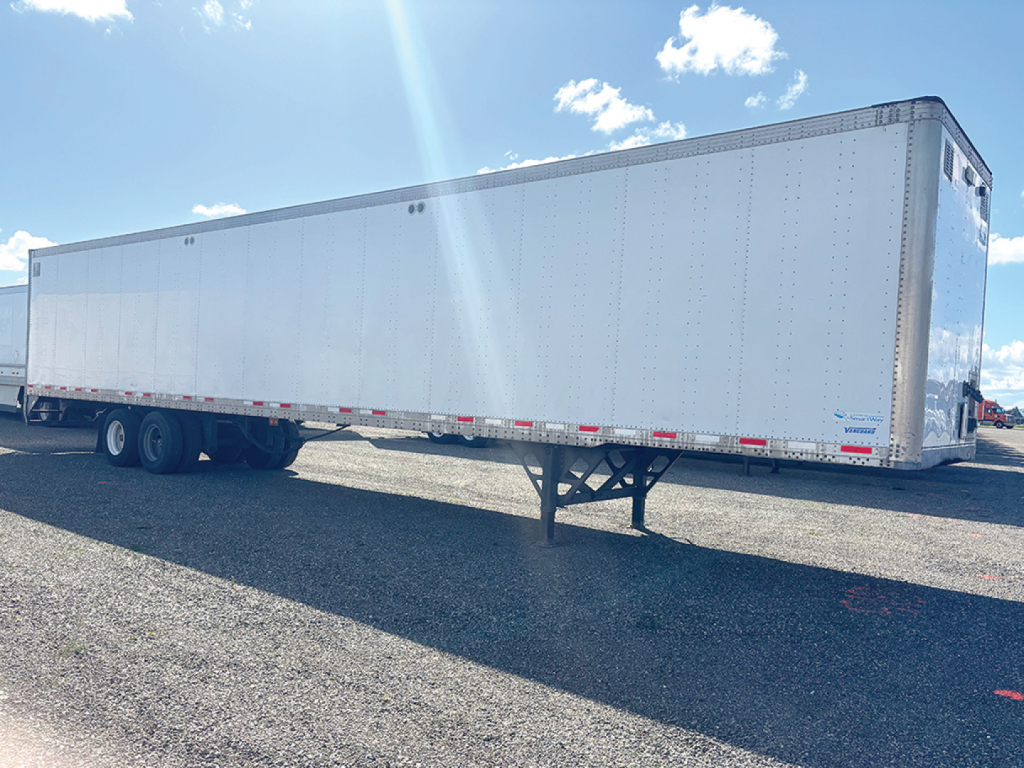
Showing 1 to 28 of 1,943 results
Selling a new agriculture trailer? List your new agriculture trailer for sale and reach thousands of commercial buyers.
New Agriculture Trailers
A key buying decision is trailer style. Lowboy and detachable gooseneck configurations are common when hauling taller or heavier farm equipment because they reduce deck height and improve loading for tractors, sprayers, and tracked units. Flatbed-style agriculture trailers are also used for palletized inputs, hay, tanks, and attachments where deck flexibility is more important than ultra-low loading height. Buyers should pay close attention to GVWR, concentrated load rating, deck length, width, crossmember spacing, and main deck height. Features such as Apitong flooring, chain drops, D-rings, outriggers, ramp transitions, and air ride suspension can make a major difference in load securement, ride quality, and long-term durability.
For field equipment, width and clearance planning are just as important as payload. Many agriculture trailers are built at 102 inches wide, but deck geometry, swing clearance, and neck design affect how easily larger tractors or implements can be positioned. Detachable neck trailers help when loading self-propelled equipment with low ground clearance, while rear ramp or beavertail setups may be adequate for smaller farm machinery. Tire size, axle spacing, brake spec, ABS configuration, and kingpin setting all affect stability and compatibility with the tractor pulling the trailer. In regions with rough county roads, washboard surfaces, and seasonal mud, suspension quality and frame rigidity are especially important.
A new agriculture trailer is often judged by how well it handles real farm use, not just published capacity. Look for practical details such as pull-out lights, sealed wiring, lockable tool storage, mud flaps, stake pockets, and secure tie-down points placed where operators actually need them. If the trailer will see both farm and highway work, it is worth comparing empty weight against usable payload, especially on heavier steel designs. The best choice is usually the one that fits the dimensions and weight of the equipment being moved most often, while still leaving enough deck space, securement options, and axle capacity for the less frequent oversized load.
Frequently Asked Questions about New Agriculture Trailers
What is the best type of new agriculture trailer for hauling tractors and farm equipment?
The best type depends on equipment size, weight, and ground clearance. A detachable gooseneck or lowboy agriculture trailer is often the better choice for larger tractors, sprayers, and heavier machines because it provides a lower deck height and easier loading angle. A flatbed-style agriculture trailer works well for lighter equipment, attachments, hay, and palletized farm supplies where loading flexibility matters more than minimum deck height.
What specs matter most when comparing new agriculture trailers?
The most important specs are gross vehicle weight rating, payload capacity, deck length, deck width, main deck height, axle configuration, suspension type, and flooring. Buyers should also look closely at concentrated load ratings, crossmember spacing, tie-down equipment, ramp design, and kingpin setting. These details determine whether the trailer can safely carry heavy farm machinery and whether it will be practical to load and secure in day-to-day use.
Are air ride suspensions worth it on an agriculture trailer?
Air ride suspension is often worth the added cost when the trailer will carry higher-value farm equipment or operate regularly on rough roads. It can improve ride quality, reduce shock transfer to the load, and help maintain better stability over uneven surfaces. For agriculture use that includes county roads, mixed pavement, and frequent equipment transport, air ride can be a strong durability and equipment-protection advantage.
How wide can farm equipment be before trailer layout becomes a problem?
Trailer width alone does not tell the full story. Many agriculture trailers are 102 inches wide, but loading wider equipment depends on deck design, outriggers, fender clearance, neck clearance, and how the weight sits over the axles. Implements and tractors with duals, tracks, or wide attachments may require a lower deck, added clearance, or a different loading method to fit safely and remain legally transportable.
What flooring and securement features are common on new agriculture trailers?
Common features include wood floors such as Apitong, steel perimeter frames, chain drops, stake pockets, bent D-rings, pan-style D-rings, and pull-out outriggers. These features give operators more securement flexibility when hauling equipment with different wheelbases, tire widths, and attachment points. Durable flooring and well-placed tie-down hardware are especially important in agriculture because loads often vary from one season to the next.