
2027 Trailers For Sale in Montana
Have 2027 trailer to sell? List it here to reach thousands of buyers.
2027 Trailers in Montana
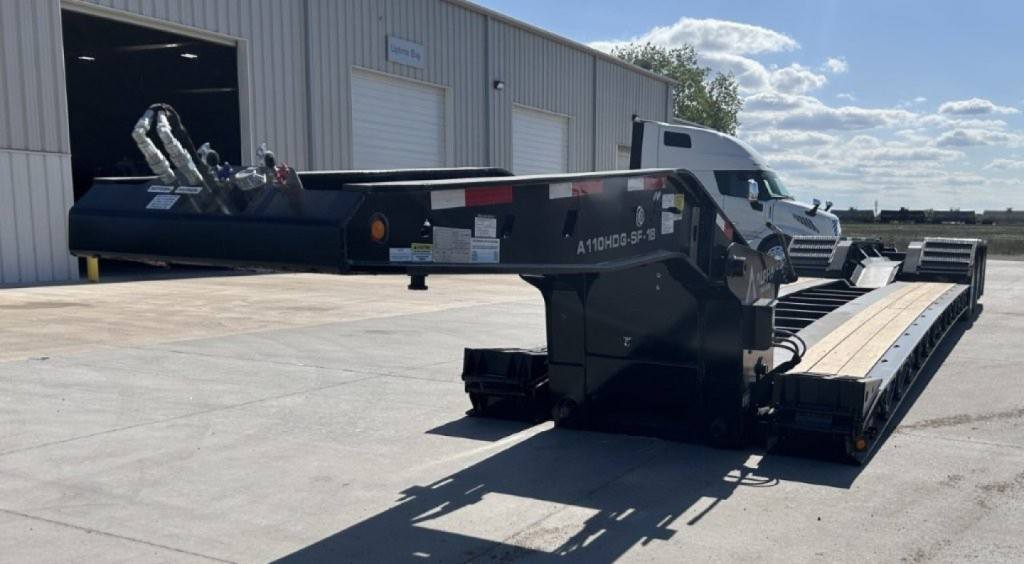
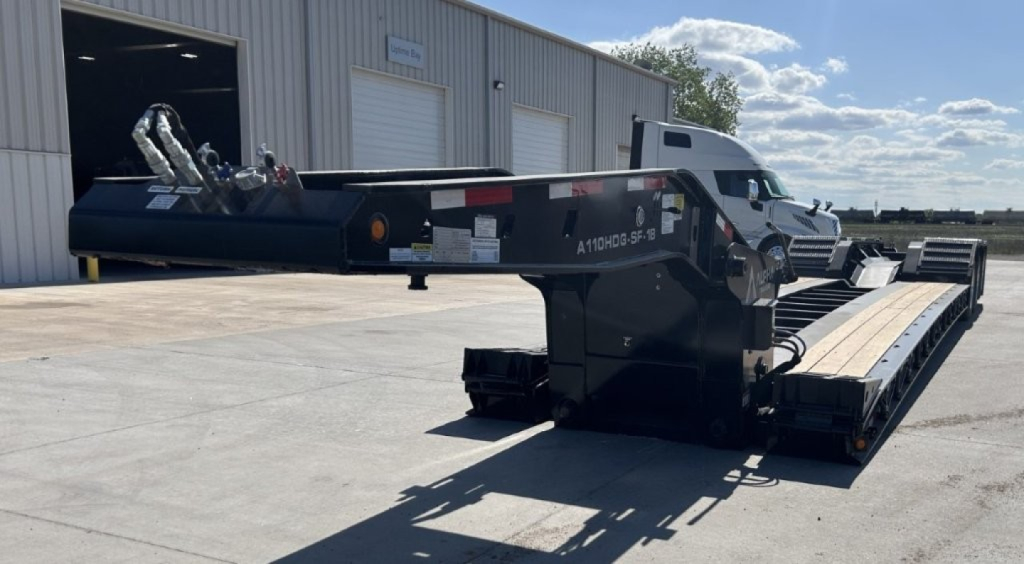
For a lowboy buyer, deck height and deck length are two of the first numbers to study. An 18-inch loaded deck height can make a real difference when hauling construction equipment, forestry machines, or other taller iron through areas with bridge and overhead restrictions. Main deck lengths in the 25-foot to 26-foot range are common for machines that need stable loading space without stepping up to a much longer overall trailer. Gooseneck design matters too. Features like hydraulic detachable necks, multiple ride height positions, and swing clearance affect how easily the trailer loads, hooks, and handles uneven terrain at jobsites.
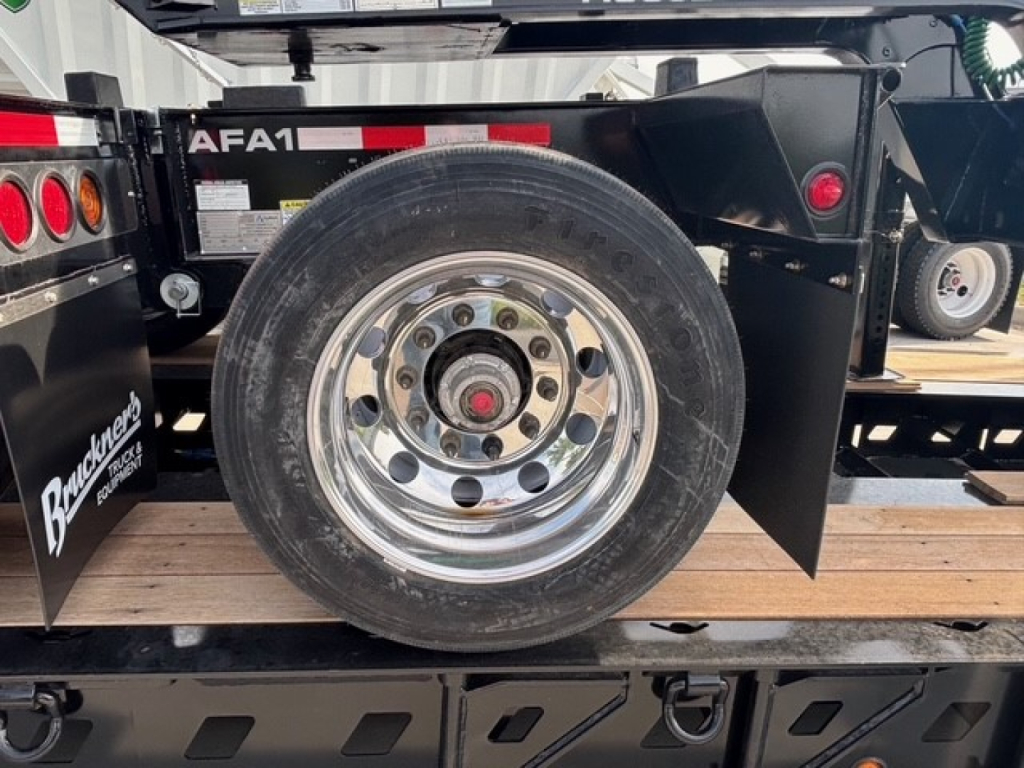
Structural details separate a basic spec from a trailer built for repeated heavy-haul service. Buyers should pay attention to crossmember layout, flange reinforcement, axle spacing, tire size, and load-bearing wheel area protection. Options such as front flip ramps, covered boom troughs, toolbox space on the front deck, work lights, and onboard scale systems add value when the trailer is used daily for mixed equipment moves. LED lighting, battery back-up strobes, and dedicated plug provisions for warning lights are especially relevant for Montana operators covering rural routes, early starts, and lower-visibility conditions. Tire and wheel specs, including 255/70R22.5 rubber and aluminum outer wheels on some builds, also affect serviceability, weight, and appearance.
Montana buyers should match a 2027 trailer to actual load profile first, then route and permit requirements second. A lowboy built for excavators, dozers, pavers, or specialized agricultural equipment may need specific axle groupings, neck configuration, and deck reinforcements depending on the machine mix. If payload changes from job to job, it helps to focus on swing clearance, loaded deck height, tool storage, and weighing capability so the trailer stays flexible in the field. Newer 2027 trailers can be a strong fit for fleets that want current-spec components, cleaner wiring and lighting systems, and less downtime risk during the first years of service.
Frequently Asked Questions about 2027 Trailers in Montana
What is the main advantage of a lowboy trailer compared with a standard flatbed or step deck?
A lowboy trailer is designed to carry taller and heavier equipment by placing the load much lower to the ground than a flatbed or most step deck trailers. That lower deck height helps with legal overall height, improves stability for large machines, and makes it easier to move construction and agricultural equipment that would sit too tall on a conventional trailer.
Why does loaded deck height matter so much on heavy-haul trailers?
Loaded deck height directly affects the total transport height of the machine and trailer combination. An 18-inch loaded deck height can create valuable overhead clearance when moving excavators, loaders, or similar equipment. Lower deck height can also reduce permit complications on some routes and make the trailer more versatile across different types of freight.
What specs should buyers compare first on a 2027 lowboy trailer?
Start with deck length, loaded deck height, gooseneck style, axle spacing, suspension setup, and tire size. Then look at structural features such as crossmember construction, flange reinforcement, and wheel area protection. Practical options like flip ramps, toolbox space, work lights, boom troughs, and onboard scales can also matter if the trailer will be used daily across different jobsites.
Are hydraulic detachable gooseneck features worth paying attention to?
Yes. Hydraulic detachable gooseneck design affects loading speed, hook-up consistency, and ground clearance during operation. Features such as multiple ride height positions and adequate swing clearance can make the trailer easier to use on uneven approaches, in tight loading areas, and with equipment that has limited loading tolerance.
What should Montana buyers keep in mind when choosing a heavy-haul trailer?
Montana operators should consider route distance, rural road conditions, seasonal weather, and the type of equipment being moved most often. Lighting, strobes, durable wiring, and serviceable tire and axle components become more important when trailers run long miles between towns and jobsites. The right spec is usually the one that balances payload needs, legal height, and day-to-day reliability.