
2023 Trailers For Sale in Texas
Browse 2023 trailers for sale in Texas, including van, tank, flatbed, hopper, and specialty trailers for regional and long-haul freight.

Have 2023 trailer to sell? List it here to reach thousands of buyers.
2023 Trailers in Texas
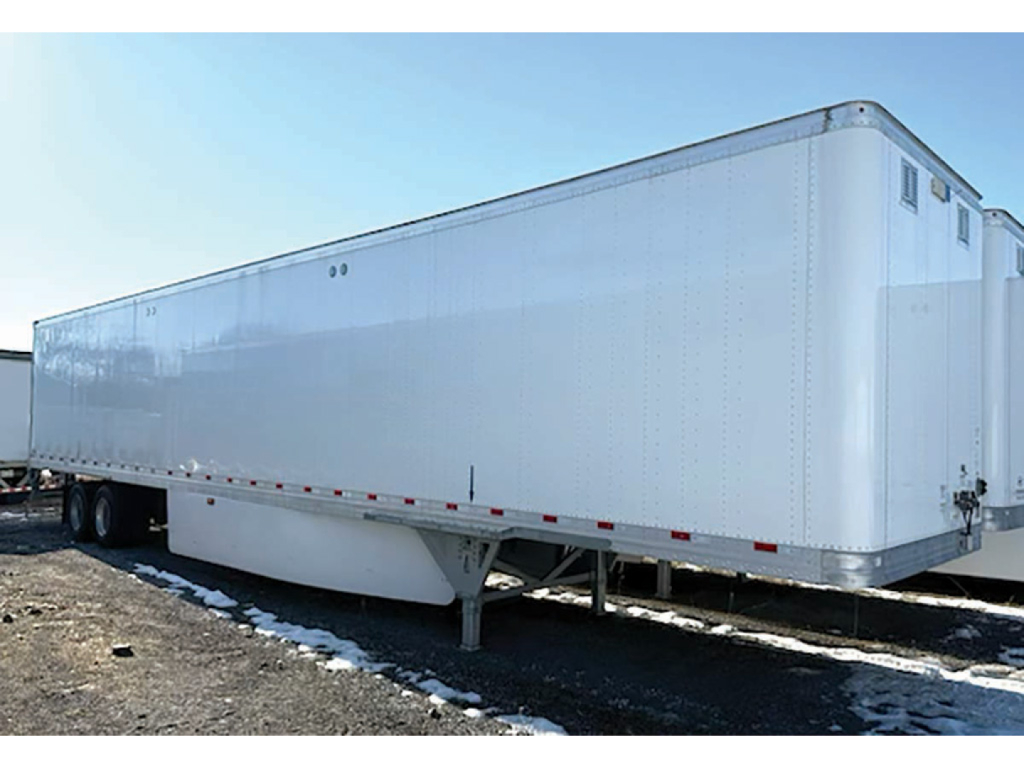
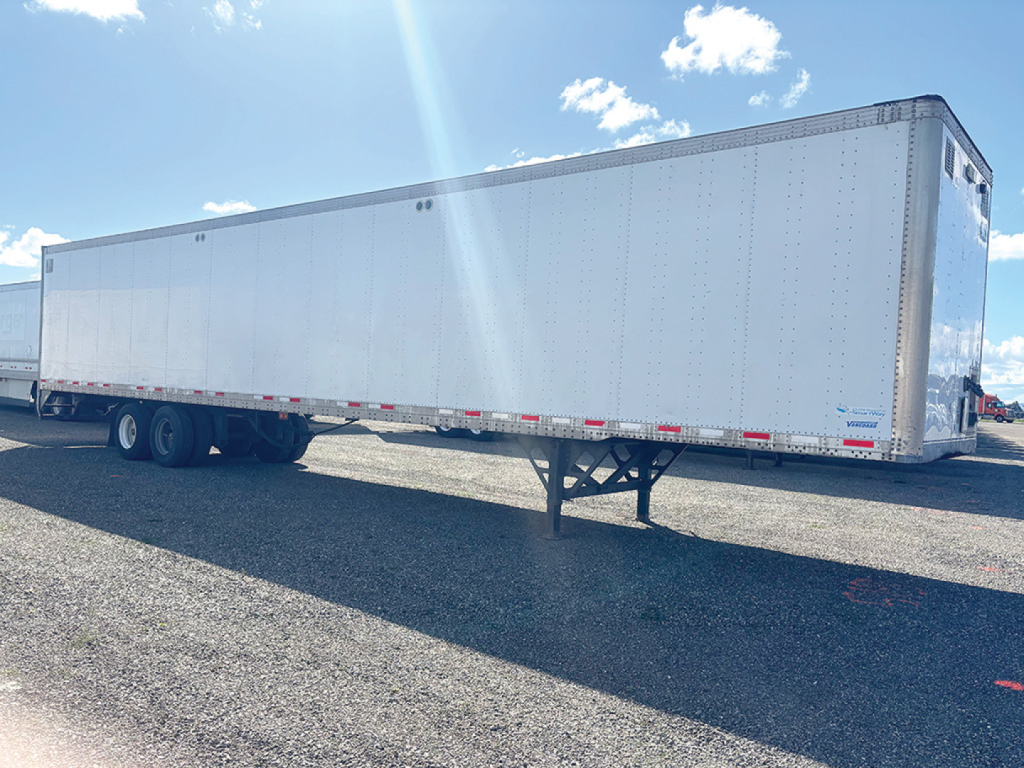
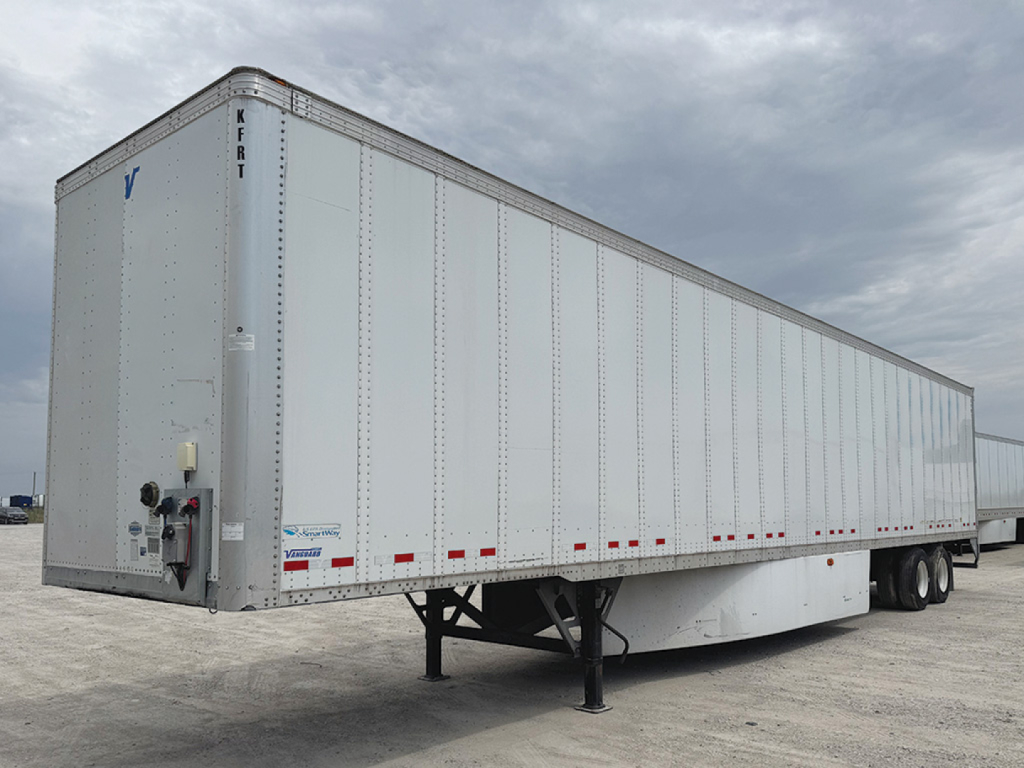
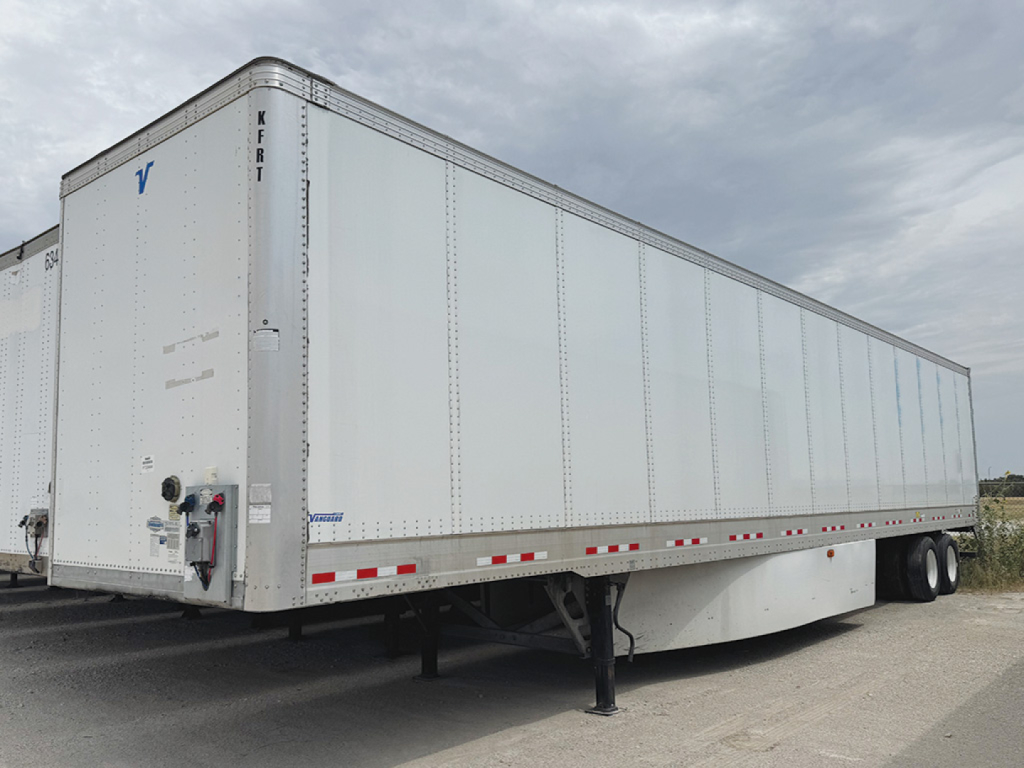
For van trailers, the key decisions usually come down to length, height, lining, suspension, rear door style, and cargo control setup. A typical road spec is 53 feet long and 102 inches wide, often with air ride suspension, sliding tandems, low-profile 22.5 tires, disc or drum wheels, scuff liners, threshold plates, and logistics posts or E-track. Buyers moving palletized freight should look closely at floor condition, wall construction, roof integrity, and the type of rear frame. Swing doors can be preferred for full dock access and durability, while roll-up doors can be useful in frequent stop applications. Tire inflation systems, galvanized rear frames, and undertray storage can add practical value in high-mileage service.
Tank trailers require a different buying process because the commodity drives the spec. Capacity, compartment count, stainless or aluminum construction, internal lining, vapor recovery, suspension, and DOT certification all affect where and how the trailer can be used. A buyer hauling chemical, fuel, food-grade, or specialty liquid products needs to confirm compatibility between the product and the tank shell, lining, valves, and plumbing. Inspection dates, pressure and vacuum components, and any code-related requirements should be verified before purchase, especially for regulated hauling.
Texas buyers also need to think about axle spacing, bridge compliance, trailer tare weight, and how the trailer will be dispatched. Regional distribution, port work, oilfield-related freight, and long-haul dry freight all favor different trailer specs. A 2023 model year can be attractive for fleets standardizing maintenance intervals or owner-operators looking for newer equipment without moving into new-trailer pricing. The best choice is usually the trailer that balances payload, durability, and serviceability, not just the newest or lightest unit on the page.
Frequently Asked Questions about 2023 Trailers in Texas
What should I look for first when buying a 2023 trailer in Texas?
Start with the trailer category and the freight it will carry. Dry van buyers should focus on length, interior height, floor condition, cargo control, suspension, and rear door type. Tank trailer buyers should focus first on DOT code, capacity, shell material, lining, and plumbing compatibility with the intended commodity. In Texas, heat, long highway miles, and frequent dock use make tire condition, brake type, suspension wear, and corrosion protection especially important.
Is a 2023 trailer a good choice compared with an older used trailer?
A 2023 trailer often offers a strong balance between cost and remaining service life. It is late-model enough to include newer components and updated fleet specs, but it may avoid the premium attached to a brand-new unit. Buyers often choose this model year to reduce near-term maintenance exposure, improve appearance for contract freight, and standardize with newer tractors or fleet trailer pools.
What specs are most common on late-model dry van trailers?
Many late-model dry vans are 53 feet long, 102 inches wide, and set up with air ride suspension and sliding tandems. Common features include wood or composite floors, scuff liners, threshold plates, logistics posts or E-track, swing or roll-up doors, and 22.5 low-profile tires. Some units also include tire inflation systems, galvanized rear frames, and undertray storage. The right configuration depends on dock setup, freight type, and how often the trailer is loaded and unloaded.
How do I know if a tank trailer is matched to my operation?
Tank trailers must be matched to the product, not just the load volume. Buyers need to confirm the DOT specification, number of compartments, shell material, lining type, valve arrangement, and any vapor recovery or pressure-related equipment. Cleaning requirements, previous commodity history, and inspection status also matter. A tank that is ideal for one liquid product may be unsuitable for another, even if the capacity is correct.
Why does tandem and axle setup matter on a trailer?
Tandem position affects bridge compliance, weight distribution, and how easily the trailer can be loaded legally. Sliding tandems are common because they give flexibility across different states, shippers, and axle weight conditions. Buyers should also consider axle rating, suspension type, wheel-end spec, and brake setup because those factors influence maintenance cost, ride quality, and uptime.