
2023 Trailers For Sale in Georgia
Browse 2023 trailers for sale in Georgia, including common specs, trailer types, axle setups, dimensions, and spec points buyers compare.
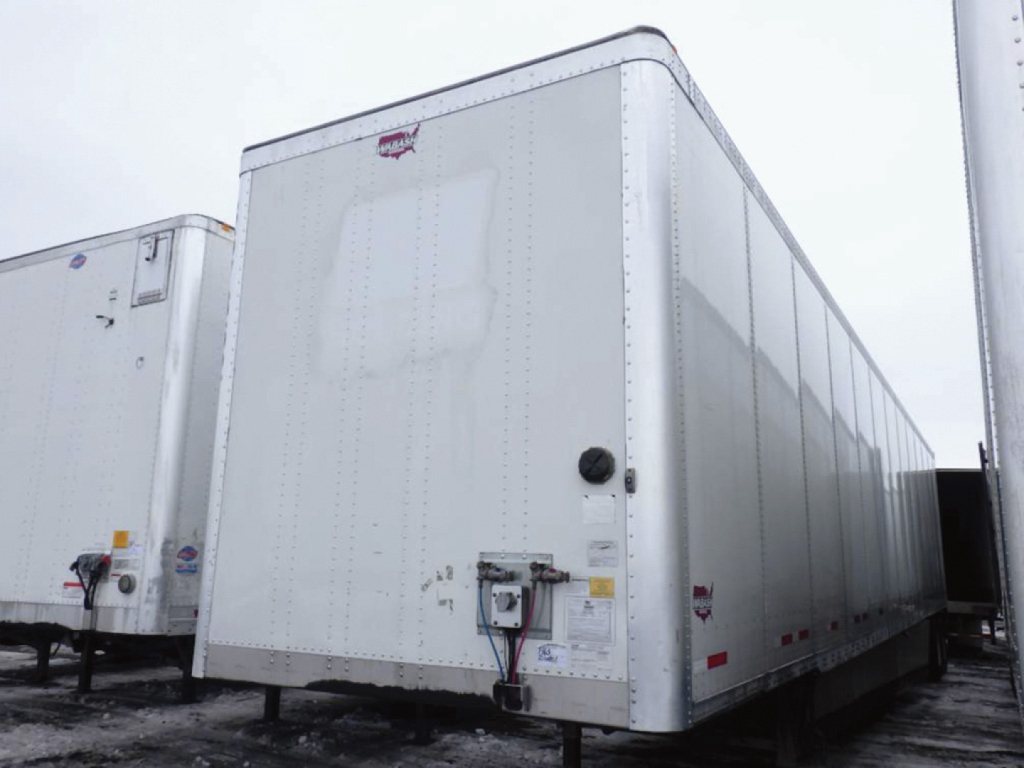
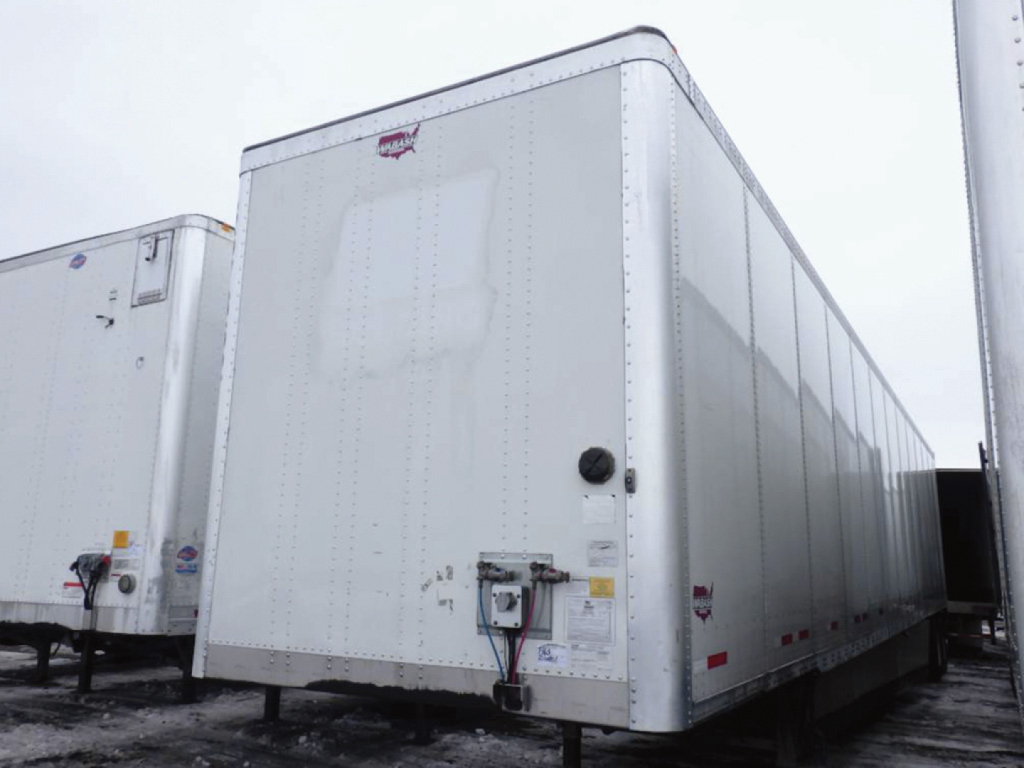
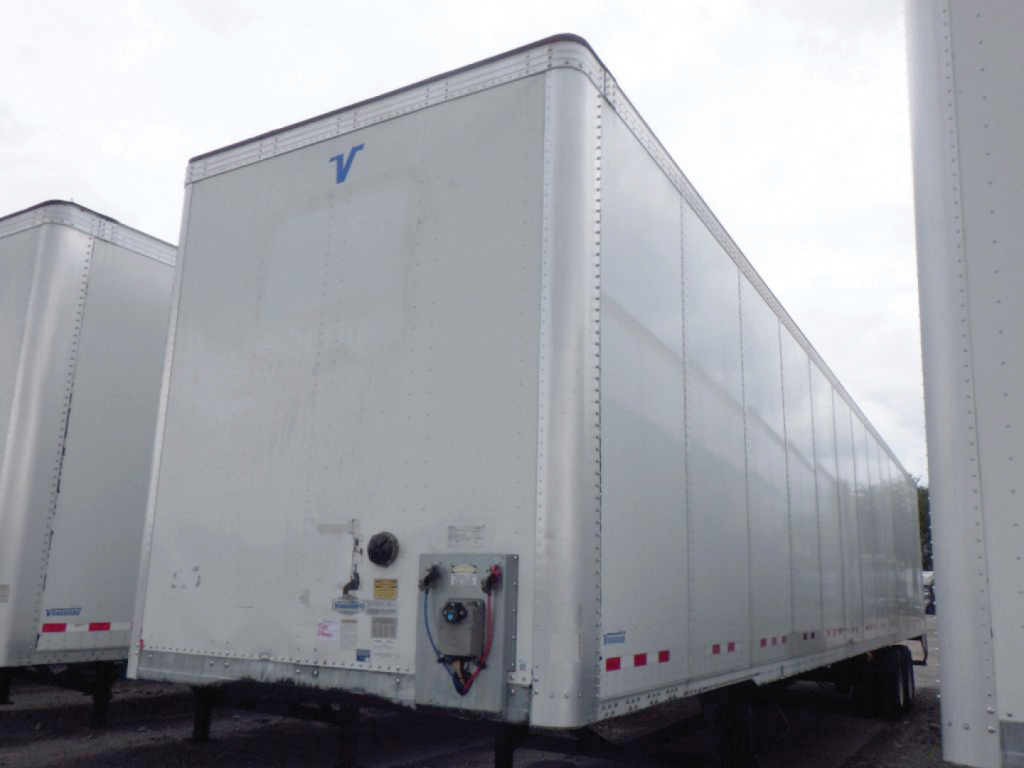

Have 2023 trailer to sell? List it here to reach thousands of buyers.
2023 Trailers in Georgia
Construction and floor design matter as much as age. Dry van buyers usually compare plate trailers versus composite builds, along with roof construction, crossmember spacing, floor rating, rear frame design, and door configuration. A 2023 trailer used in high-cycle distribution may show wear first at the rear sill, swing doors, side panels, and nose area, while dedicated lane equipment may present better overall condition but higher highway miles. Flatbed and equipment trailer buyers should pay more attention to deck condition, main beam integrity, winch track setup, coil package, tire wear patterns, and any frame repairs. On reefer units, hours on the refrigeration unit, maintenance records, and evap and chute condition can matter more than the trailer year alone.
Georgia buyers also tend to look closely at axle spread, kingpin setting, and weight-sensitive specs because regional freight can involve a mix of port work, warehouse distribution, and longer interstate lanes. A 2023 trailer may already include fleet-friendly features that help with DOT compliance and operating efficiency, such as LED lighting, ABS, air gauges, backup systems, and telematics-ready setups. If the trailer will run heavy cube freight, beverage, paper, retail, or palletized dry goods, confirm the floor type, lining, and load securement layout. If it will be used in dense metro freight around Atlanta or on port-related lanes through Savannah, turning radius, tandem slide range, and dock durability become more important.
The best way to compare 2023 trailers is to treat them as spec packages rather than just model years. Look at actual dimensions, trailer weight, suspension, wheel-end setup, door style, lining, floor material, tire brand and date codes, and any signs of prior structural repair. A late-model trailer can still vary widely in resale value depending on whether it was built for general freight, grocery distribution, intermodal support, or specialized hauling. Buyers who match trailer spec to freight profile usually get better tire life, fewer cargo claims, and less downtime over the life of the trailer.
Frequently Asked Questions about 2023 Trailers in Georgia
What should I look for first when buying a 2023 trailer?
Start with the trailer type, dimensions, and application. A 2023 trailer may be late-model, but the right choice still depends on freight, route profile, and weight requirements. Dry van buyers should check length, width, height, kingpin setting, floor rating, logistics track, suspension type, and tandem slide. Reefer buyers should add reefer hours, service history, and unit condition. Flatbed and platform buyers should focus on frame integrity, deck wear, tie-down equipment, and axle condition before placing too much value on the calendar year alone.
Is a 2023 trailer a good value compared with a new trailer?
In many cases, yes. A 2023 trailer can offer current-generation specs, safety features, and compatibility with modern fleet requirements while avoiding the premium attached to a factory-order unit. The value depends on maintenance history, prior use, tire and brake condition, structural condition, and the exact build spec. A lightly used 2023 trailer with the right floor, suspension, and axle setup can be a better operational fit than a new trailer built with a generic spec.
What trailer specs matter most for dry van freight in Georgia?
For dry van operations in Georgia, the most commonly compared specs are 53-foot length, 102-inch width, 13-foot 6-inch height, tandem axle configuration, sliding tandems, air ride suspension, logistics posts, scuff liners, and durable flooring. Buyers moving freight through Atlanta, Savannah, and regional warehouse markets also pay attention to kingpin setting, dock impact resistance, rear frame condition, tire inflation systems, and aerodynamic equipment such as side skirts. These details affect maneuverability, payload flexibility, maintenance cost, and loading efficiency.
How important is trailer construction type on a 2023 model?
It is very important because construction type affects tare weight, repair cost, durability, and resale. Plate vans, composite trailers, aluminum components, steel substructures, and different floor systems all behave differently under repeated loading cycles. A buyer hauling high-volume palletized freight may prioritize a strong floor and durable interior lining, while a weight-sensitive operation may focus on lighter tare and wheel-end spec. The trailer year helps narrow the field, but construction details determine how well the trailer fits the job.
Should I be concerned about wear on a late-model 2023 trailer?
Yes. A 2023 trailer can still have significant wear depending on how it was used. High-cycle city delivery, grocery loading, drop-and-hook service, and heavy forklift traffic can create fast wear on floors, rear frames, doors, and sidewalls. Inspect tire wear, brake life, floor condition, roof and side panel repairs, suspension components, landing gear, and evidence of collision or dock damage. Late model does not always mean low stress, so condition and maintenance records remain critical.